House Leek (Sempervivum Tectorum): A Fascinating Succulent with Rich History and Multifaceted Uses
Sempervivum Tectorum, also known as House Leek, is a remarkable succulent that holds a special place in the world of plants. Its unique appearance, versatility, and historical significance make it a captivating subject for plant enthusiasts and horticulturists alike. In this comprehensive guide, we will delve into the various facets of House Leek, including its cultural significance, uses, ideal growing conditions, propagation methods, common diseases and pests, as well as intriguing folklore and medicinal properties. Whether you are a seasoned gardener or just embarking on your plant care journey, this exhaustive resource will equip you with a deep understanding of Sempervivum Tectorum and empower you to cultivate and appreciate this extraordinary plant to the fullest.
What is House Leek (Sempervivum Tectorum)?
House Leek, scientifically known as Sempervivum Tectorum, is a perennial succulent belonging to the Crassulaceae family— a diverse group of plants that are characterized by their ability to thrive in arid environments and store water in their leaves. The name “Sempervivum” is derived from the Latin words “semper,” meaning “always,” and “vivus,” meaning “living,” alluding to the remarkable resilience and longevity of these plants. The species epithet “Tectorum” is derived from the Latin word for “roof,” a nod to its historical association with growing on thatched roofs and rocky outcrops.
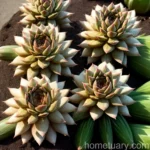
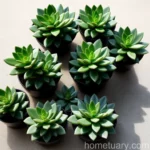
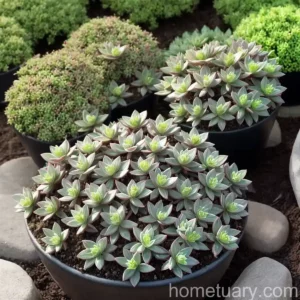
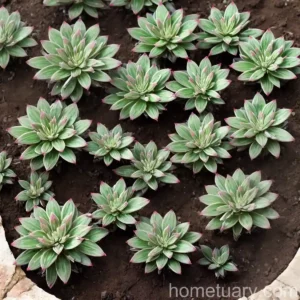
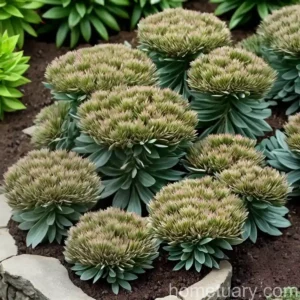
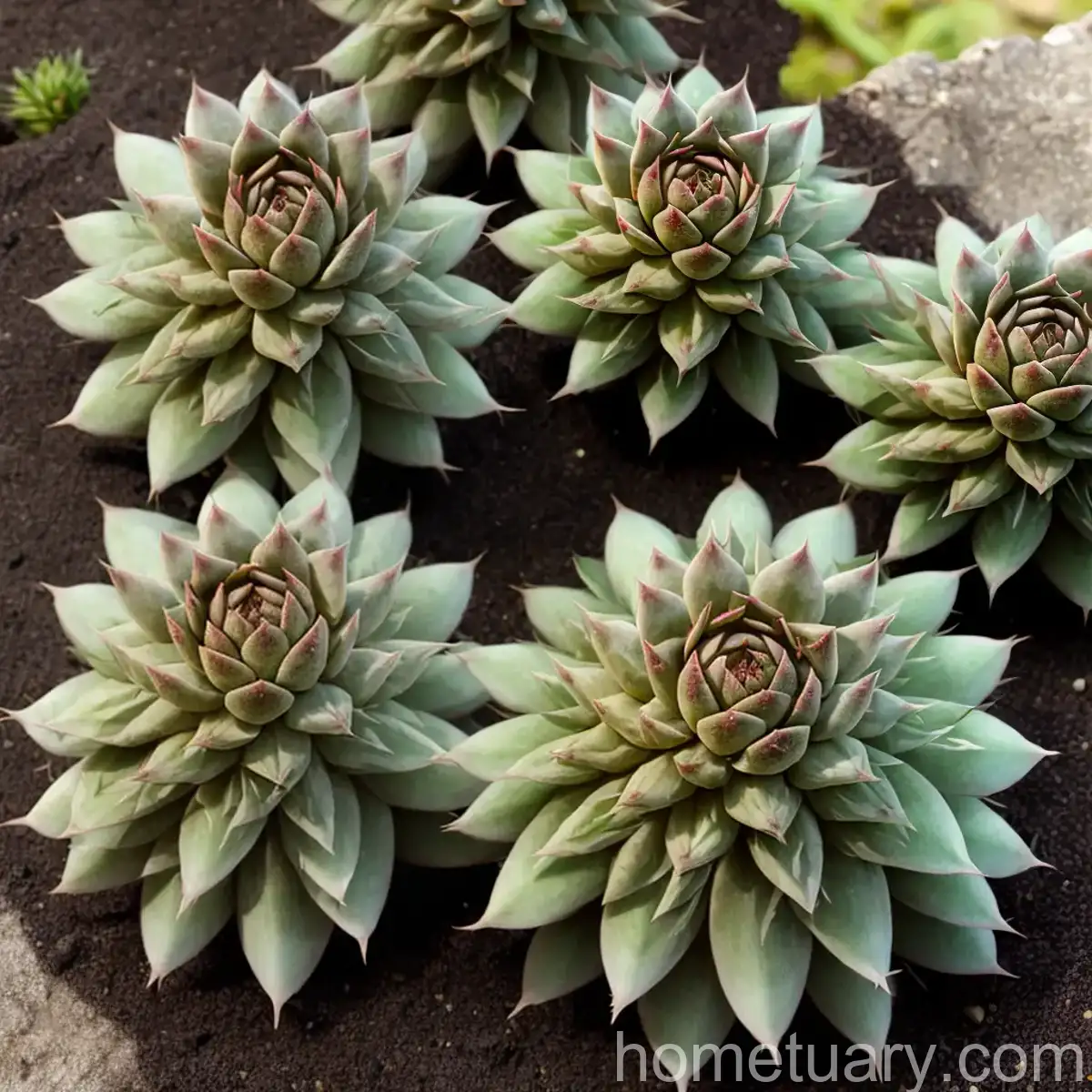
Native to the mountainous regions of Europe, House Leek has been cultivated for centuries, often adorning the roofs of rural dwellings. Its compact rosettes of thick, fleshy leaves, ranging in color from deep green to reddish-purple, make it an attractive and low-maintenance addition to gardens, rockeries, and container displays. House Leek is celebrated not only for its ornamental value but also for its diverse uses, rich folklore, and even medicinal properties.
So, let’s embark on a journey to uncover the multifaceted nature of House Leek— from its cultural significance and traditional uses to its role in modern horticulture and beyond.
Key Takeaways – House Leek (Sempervivum Tectorum)
Before we dive into the specifics of House Leek care and cultivation, here are some key takeaways highlighting the allure and versatility of Sempervivum Tectorum:
-
Resilient and Hardy Nature: House Leek is well-adapted to arid conditions and can thrive in various environments, making it an ideal choice for low-maintenance and water-wise gardening.
-
Ornamental Charm: With its striking rosettes and diverse color variations, House Leek adds visual interest and texture to gardens, rock gardens, and container displays.
-
Cultural Significance: House Leek has a long history of association with folklore, superstitions, and traditional uses, underscoring its enduring cultural relevance.
-
Medicinal Properties: In addition to its ornamental appeal, House Leek has been lauded for its potential health benefits and medicinal uses, particularly in traditional herbal remedies.
-
Container Gardening Delight: Due to its compact size and adaptability, House Leek is well-suited for container gardening, allowing plant enthusiasts to enjoy its beauty in various settings.
Now that we have glimpsed the fascinating essence of House Leek, let’s explore the various facets of its care and cultivation, ensuring that you can harness the full potential of this extraordinary plant in your own gardening endeavors.
Culture
Before delving into the detailed care guide for House Leek, it’s essential to grasp the cultural and historical backdrop that has shaped the perception and practices associated with Sempervivum Tectorum. Understanding the traditional uses and folklore surrounding House Leek can offer a deeper appreciation for this remarkable succulent and inspire innovative approaches to its contemporary cultivation and utilization.
Historical Significance and Folklore
House Leek has a rich tapestry of folklore and cultural symbolism woven into its legacy. In various European traditions, the presence of House Leek on rooftops was believed to offer protection against lightning, fire, and other misfortunes. It was considered a talisman of good luck and was strategically placed on dwellings to safeguard the inhabitants and the structure itself.
Furthermore, House Leek was often associated with themes of longevity, tenacity, and resilience. Its ability to thrive in harsh, exposed conditions, such as rocky outcrops and barren landscapes, contributed to the perception of House Leek as a symbol of endurance and steadfastness. These symbolic attributes were woven into diverse cultural narratives, permeating folklore and superstitions across different regions where House Leek was cultivated.
Traditional Uses
Apart from its symbolic significance, House Leek also found practical applications in traditional folk medicine and culinary practices. In herbal lore, the gel-like sap of House Leek leaves was utilized for its purported wound-healing, anti-inflammatory, and emollient properties. The plant was often employed in poultices and ointments to promote the healing of cuts, bruises, and minor skin irritations.
Beyond its medicinal uses, House Leek also held a place in culinary traditions, albeit primarily in historical contexts. The tender young leaves of House Leek were occasionally incorporated into salads or used as a garnish, offering a subtle, succulent texture and a mild, earthy flavor to culinary creations.
Through the lens of culture and tradition, House Leek emerges as a plant deeply rooted in the collective consciousness of communities, spanning generations and geographical boundaries. Its enduring presence in folklore, coupled with its utilitarian uses, serves as a testament to the profound impact of plants on human culture and the interconnectedness of nature with human experience.
Uses
The multifaceted utility of House Leek spans a spectrum ranging from ornamental landscaping to traditional medicinal applications. Understanding the diverse uses of Sempervivum Tectorum can illuminate the breadth of its potential and inspire innovative approaches to integrating this unique succulent into various facets of daily life and horticulture.
Ornamental Landscaping
One of the primary uses of House Leek is its integration into ornamental landscapes, where its distinctive rosettes and hardy nature can elevate the visual appeal of gardens, rockeries, and alpine landscapes. The varied color palettes and textures exhibited by different House Leek varieties enable them to serve as focal points, ground covers, or accent plants within diverse garden designs.
In addition to traditional in-ground planting, House Leek is remarkably well-suited for container gardening, enabling individuals to cultivate and appreciate its beauty in confined spaces such as patios, balconies, or windowsills. The compact nature of House Leek makes it an ideal candidate for mixed container arrangements, harmonizing with other succulents, cacti, or flowering companions to create captivating displays.
Traditional Medicinal Uses
While the traditional medicinal uses of House Leek have waned with the advent of modern pharmaceutical practices, historical accounts and ethnobotanical research have highlighted its historical role in herbal remedies. The mucilaginous sap obtained from the leaves of House Leek was historically used topically to promote wound healing, alleviate skin irritations, and possibly provide relief from minor burns and insect bites.
Furthermore, House Leek was regarded as a valuable addition to herbal gardens, offering a source of traditional remedies and folk medicine for various ailments. While it may not have a prominent place in contemporary herbal medicine, exploring the historical applications of House Leek in traditional healing practices sheds light on the enduring legacy of botanical knowledge and its relevance in shaping human interactions with the natural world.
Culinary Applications
In historical contexts, the tender young leaves of House Leek were sporadically incorporated into culinary preparations, adding a subtle succulence and mild flavor to certain dishes. While it may not occupy a prominent position in modern kitchens, the historical use of House Leek in culinary traditions underscores its versatility as a plant with diverse attributes and potential uses beyond the realm of ornamental gardening.
By recognizing the array of uses associated with House Leek, we glean a more comprehensive understanding of its significance in various spheres, bridging the realms of art, culture, tradition, and practical application. As we unravel the diverse avenues through which House Leek can enrich our lives, we are poised to embrace its unique qualities and imagine novel possibilities for incorporating this beguiling succulent into the tapestry of our daily experiences.
Water
Understanding the water requirements of House Leek is pivotal in ensuring the health and vitality of this resilient succulent. Due to its origins in arid, mountainous regions, House Leek exhibits adaptations that allow it to withstand periods of drought and thrive in well-draining conditions. As a conscientious guardian of the unique water needs of Sempervivum Tectorum, you can foster its robust well-being while acknowledging its innate preference for conservative water usage.
Watering Needs
House Leek flourishes in environments characterized by infrequent, moderate watering and fast-draining soil. The key to successful watering lies in striking a balance between providing adequate moisture for the plant’s growth and avoiding prolonged waterlogged conditions that can lead to root rot and other moisture-related issues.
During the active growing season, typically spring through early fall, House Leek benefits from regular, moderate watering sessions, allowing the top layer of the soil to partially dry out between watering intervals. By adopting a ‘soak and dry’ approach, you aim to provide sufficient moisture to the root zone while preventing excessive dampness that may compromise the plant’s health.
Conversely, as the colder months set in, House Leek’s water requirements diminish, aligning with its natural growth cycle. It is crucial to reduce the frequency of watering during the winter and ensure that the soil has the opportunity to dry out more comprehensively between waterings. This mimics the seasonal rainfall patterns in its native habitat and supports the plant’s physiological adjustments in response to changing environmental cues.
Water Management Tips
To optimize the water management practices for House Leek, consider the following tips:
-
Watering Frequency: Adjust the frequency of watering based on seasonal conditions, emphasizing a reduction in winter and an increase in spring and summer.
-
Soil Moisture Monitoring: Regularly assess the moisture content of the soil, particularly in container plantings, to gauge the need for watering and prevent waterlogging.
-
Well-Draining Soil: Employ well-draining soil mixes that facilitate efficient water movement and aeration, preventing the retention of excess moisture around the roots.
-
Mulching: Apply a thin layer of organic mulch around the base of outdoor plantings to conserve soil moisture and mitigate the impact of climatic extremes.
By integrating these water management techniques into your care regimen, you can cultivate a thriving display of House Leek that reflects a harmonious balance of moisture and arid adaptations. Empowered with insights into the intricacies of House Leek’s water requirements, you are poised to nurture its enduring vitality and celebrate its resilience in diverse horticultural settings.
Sunlight
The solar inclinations of House Leek play a pivotal role in shaping its growth dynamics, color expression, and overall vigor. As a plant that has evolved in mountainous habitats characterized by ample sunlight and stark temperature fluctuations, House Leek displays a preference for bright, direct sunlight tempered with considerations for protection from scorching midday rays in certain climates. Unraveling the intricacies of House Leek’s sunlight requirements equips you with the knowledge to optimize its exposure, thereby fostering robust growth and vibrant coloration.
Sun Exposure Preferences
House Leek is best positioned in locations that receive full to partial sunlight, where the plant can bask in several hours of direct sun exposure each day. In regions characterized by milder climates or intense summer heat, partial shade during the hottest part of the day can shield House Leek from excessive solar radiation, preventing leaf scorch and promoting overall well-being.
The dynamic interaction between sunlight and House Leek’s foliage manifests in the pigmentation and growth habits of the plant. Adequate sunlight is instrumental in promoting the development of vibrant, vivid colors in the leaves, accentuating the visual allure of House Leek’s compact rosettes. Insufficient light exposure may lead to elongation and reduced color intensity, signaling that the plant is striving to reach for the available sunlight.
Sunlight Management Strategies
To modulate House Leek’s exposure to sunlight for optimal growth and aesthetic appeal, consider the following strategies:
-
Understanding Regional Conditions: Familiarize yourself with the local climate and seasonal variations in sunlight to fine-tune the positioning of House Leek for maximum benefit.
-
Monitoring Leaf Coloration: Observe the color intensity and growth patterns of House Leek’s rosettes as indicators of the adequacy of light exposure.
-
Seasonal Adjustments: Adjust the plant’s positioning or provide partial shading during periods of extreme heat or prolonged sunlight to prevent leaf damage and stress.
-
Indoor Accommodation: If cultivating House Leek indoors, position the plant near a south- or west-facing window to harness ample natural light for robust growth.
By embracing these considerations in managing House Leek’s sunlight requirements, you can orchestrate an environment that accentuates its aesthetic allure and supports its physiological needs, encapsulating the nuanced dance between light and life within the realm of horticulture.
Fertilizer
House Leek, with its innate capacity for efficient nutrient utilization and adaptability to lean, rocky environments, exhibits nominal fertility requirements compared to many other garden plants. However, a balanced approach to fertilization can bolster the vigor and resilience of House Leek, fortifying its capacity to withstand environmental stresses and manifest its full ornamental potential. Emanating from a discerning understanding of House Leek’s nutritional needs, strategic fertilization practices can be tailored to fortify the plant’s vitality and vitality.
Nutrient Requirements
House Leek thrives in lean, well-draining soil, deriving sustenance from the modest mineral reserves present in its growing medium. Consequently, its innate ability to subsist in nutrient-impoverished conditions aligns with the adoption of a conservative fertilization regimen, characterized by infrequent, dilute feedings provided during the plant’s active growth phases.
The primary macronutrients that underpin House Leek’s nutritional requirements are nitrogen (N), phosphorus (P), and potassium (K), with the need for these minerals diminishing during the plant’s dormancy or winter rest period. By acknowledging the plant’s fidelity to frugal nutrition and aligning fertilization practices with its natural growth cycles, you can optimize the impact of supplementary nutrients on its overall well-being.
Fertilization Guidelines
When incorporating fertilization into your care routine for House Leek, adhere to the following guidelines to ensure prudent and effective application of nutrients:
-
Selective Fertilizer Choice: Utilize balanced, water-soluble fertilizers formulated at half-strength during the plant’s active growth phase in spring and summer, avoiding excessive nitrogen concentrations to prevent overly lush growth.
-
Infrequent Feedings: Administer fertilizer every 4-6 weeks during the growing season, reducing or suspending fertilization altogether during fall and winter to harmonize with the plant’s natural rhythms.
-
Root Zone Application: Apply fertilizers to the soil surface around the base of the plant, ensuring that the root zone has ready access to the supplementary nutrients.
-
Dilution and Monitoring: Dilute the fertilizer solution to half the recommended strength and monitor the plant’s response to gauge the appropriateness of the feeding regimen.
By integrating these fertilizer management strategies into your care protocol for House Leek, you can fortify the plant’s wellness and mitigate the risk of nutrient imbalances, consolidating a thoughtful, nurturing approach to sustaining its vitality and allure.
Soil
House Leek’s success as a resilient and visually captivating succulent is intricately entwined with the characteristics of its growing medium. The discerning selection and preparation of an optimal soil mix lay the groundwork for robust growth, vibrant coloration, and overall plant health. By embracing a solute conservation of nutrition and water, House Leek exhibits an affinity for well-draining, lean soils that mirror its natural habitat, facilitating the replication of favorable growing conditions for this enduring succulent.
Soil Composition
The ideal soil mix for House Leek reflects its proclivity for arid, rocky environments, as well as its inclination towards lean, uncompromising growing mediums. A well-aerated, fast-draining soil composition, augmented with minimal organic matter and moderate mineral content, aligns harmoniously with House Leek’s physiological preferences, capitalizing on its adeptness at tolerating austere conditions.
A balanced blend of inorganic components such as sand, perlite, or pumice, combined with a lean portion of organic matter such as coarse compost or well-decomposed leaf mold, fosters the development of an efficacious soil mix tailored to the rigors of House Leek cultivation. Through this judicious amalgamation, the soil attains the requisite structure and drainage capacity to uphold the plant’s vitality amid fluctuating environmental conditions.
Soil Management Practices
Incorporate the following soil management techniques to optimize the growing medium for House Leek:
-
Well-Draining Formulation: Craft a soil mix with excellent drainage qualities to preclude waterlogged conditions that are detrimental to House Leek’s roots.
-
Aeration Enhancement: Introduce coarse, inorganic constituents to promote air circulation within the soil, fostering optimal root respiration and health.
-
Mineral Moderation: Exercise prudence in the incorporation of organic matter, ensuring that the overall mineral content remains modest to align with House Leek’s nutritional predilections.
-
Root Zone Health: Prioritize the maintenance of a well-structured, permeable soil environment that supports root development and minimizes the risk of moisture-related disorders.
By embracing these soil management principles, you forge an environment that encapsulates the quintessence of House Leek’s natural habitat, fostering a robust and harmonious union between plant and soil within the realm of horticulture.
Pruning
The graceful, compact rosettes of House Leek exude a captivating allure, brimming with an elegance that befits their enduring significance in the gardening realm. The judicious application of pruning and grooming techniques not only sustains the plant’s aesthetic appeal but also bolsters its resilience and vitality. By navigating the art of pruning with finesse and sensitivity, you can orchestrate a symphony of rejuvenation and refinement, sculpting House Leek’s growth and form with reverence for its intrinsic beauty.
Pruning Objectives
The objectives underpinning pruning activities for House Leek encompass aesthetic refinement, removal of spent foliage, and mitigation of potential disease vectors. Pruning also bestows an opportunity to invigorate the plant by expunging suboptimal growth and fostering the emergence of fresh, vibrant foliage, perpetuating the plant’s ornamental allure and physiological equilibrium.
Pruning endeavors may include the excision of wilted, desiccated leaves, alleviation of overcrowded rosettes, and the extraction of offshoots for propagation, culminating in a gossamer orchestration of House Leek’s visual presence and vitality.
Pruning Techniques
Embrace the following pruning modalities to optimize the aesthetic and physiological dimensions of House Leek:
-
Sanitary Operations: Employ sanitized pruning tools to minimize the risk of pathogen transmission and safeguard the plant from potential infections.
-
Focused Trims: Accumulate spent or deteriorated leaves, trimming back to the base of the rosettes to encourage the emergence of fresh foliage and preserve the plant’s composure.
-
Offset Removal: Excise offsets from mature rosettes, utilizing the propagated offsets for new plantings while counteracting overcrowding and permitting substantial resources for the parent plant’s growth