Baby Sun Rose (Aptenia Cordifolia)
Aptenia cordifolia, commonly known as Baby Sun Rose, is a trailing succulent plant that has gained popularity for its vibrant, daisy-like flowers and its.
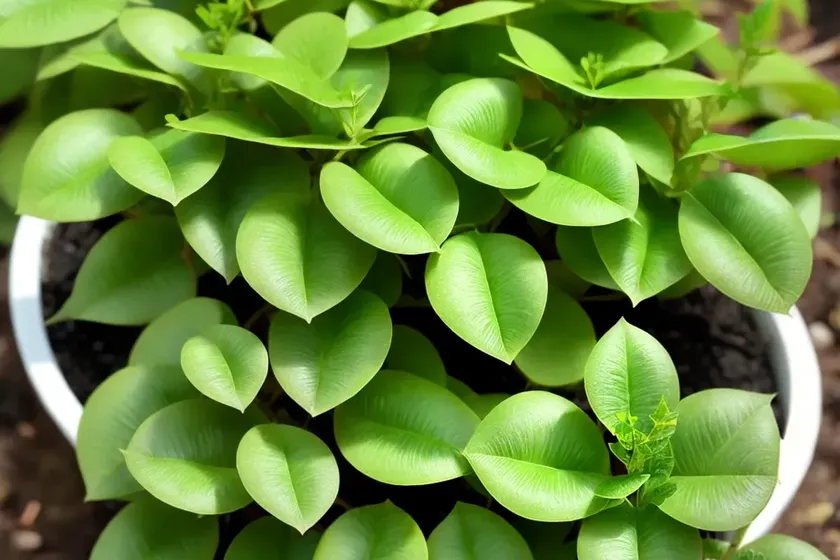
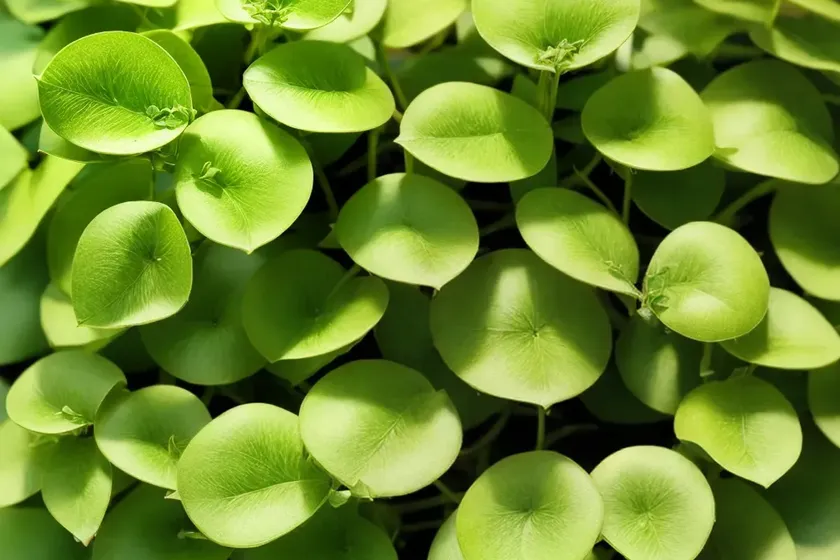
Aptenia cordifolia, commonly known as Baby Sun Rose, is a trailing succulent plant that has gained popularity for its vibrant, daisy-like flowers and its ability to thrive in various environmental conditions. This plant, native to South Africa, belongs to the Aizoaceae family and is appreciated for its ground-covering nature and low maintenance requirements. In this comprehensive guide, we will explore the culture, uses, care, propagation, common diseases, and various other aspects associated with the Baby Sun Rose plant.
What is Baby Sun Rose (Aptenia cordifolia)?
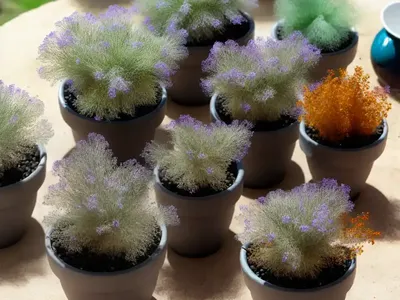
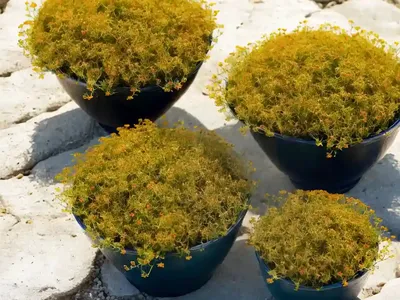
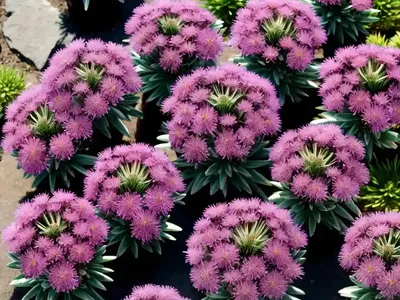
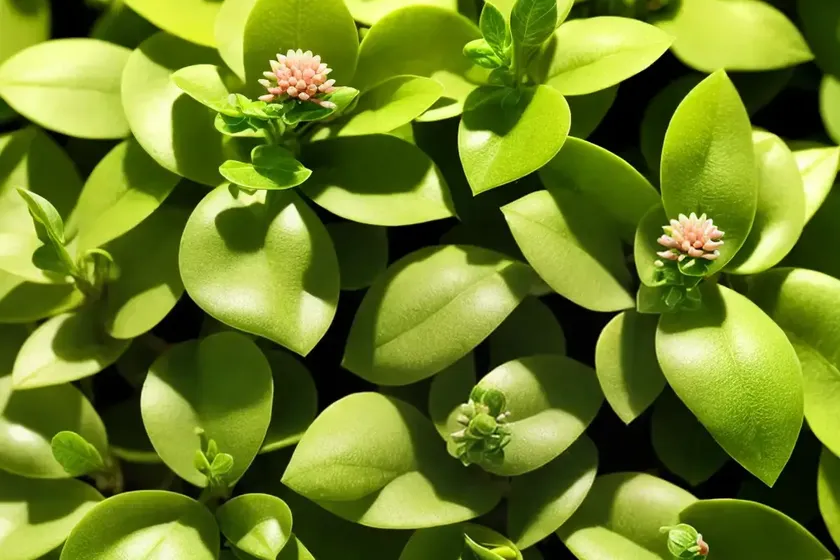
Aptenia cordifolia, also known as the Heartleaf Ice Plant, Red Apple, or Baby Sun Rose, is a perennial succulent plant that originates from South Africa. The plant is characterized by its heart-shaped, glossy green leaves and daisy-like flowers that can range from vibrant pink to deep red colors. Baby Sun Rose is predominantly used as a ground cover due to its spreading and trailing growth habit, making it an attractive addition to gardens, landscapes, and hanging baskets. The plant’s low water requirements and adaptability to different light conditions further contribute to its popularity as a decorative and low-maintenance plant.
Key Takeaways – Baby Sun Rose (Aptenia cordifolia)
Culture
- Baby Sun Rose is a trailing succulent plant native to South Africa.
- It is known for its heart-shaped, glossy green leaves and vibrant, daisy-like flowers in shades of pink and red.
- The plant is commonly used as a ground cover due to its spreading growth habit.
Uses
- Baby Sun Rose is primarily used for landscaping, ground cover, and as a decorative plant in hanging baskets and containers.
- Its low maintenance requirements make it an ideal choice for urban gardening and low-water landscapes.
Water
- Baby Sun Rose has low to moderate water requirements. It is drought-tolerant and prefers well-draining soil to avoid waterlogging.
- It is essential to allow the soil to dry out between watering to prevent root rot.
Sunlight
- Baby Sun Rose thrives in full sun to partial shade. It requires at least 6 hours of direct sunlight for optimal growth and flowering.
Fertilizer
- Fertilize Baby Sun Rose sparingly, using a balanced liquid fertilizer diluted to half-strength during the growing season (spring and summer).
Soil
- Well-draining, sandy or loamy soil is ideal for Baby Sun Rose. It is sensitive to waterlogged conditions and requires good aeration for healthy root development.
Pruning
- Regular pruning helps maintain the plant’s shape and promote dense growth. It is advisable to prune after the flowering period to encourage new growth.
Propagation
- Baby Sun Rose can be propagated through stem cuttings and division. The plant readily roots from cuttings and is relatively easy to propagate.
Container Popularity
- Baby Sun Rose is popular for container gardening, hanging baskets, and as a trailing plant in mixed container arrangements.
Common Diseases
- Baby Sun Rose is susceptible to root rot if grown in waterlogged conditions. Preventative measures include using well-draining soil and allowing the soil to dry out between watering.
Disease Diagnosis
- Symptoms of root rot may include wilting, discolored leaves, and a foul odor emanating from the soil. Diagnosis should be confirmed by inspecting the roots for discoloration and decay.
Common Pests
- Aphids and spider mites are common pests that may affect Baby Sun Rose. Regular inspection and appropriate pest control measures are essential to prevent infestations.
Botanist’s Tips
-
Sunlight Requirements: Ensure that Baby Sun Rose receives a minimum of 6 hours of direct sunlight daily for optimal growth and flowering. Inadequate sunlight may result in leggy growth and fewer blooms.
-
Watering: Be mindful of overwatering, as Baby Sun Rose is susceptible to root rot in waterlogged conditions. Allow the soil to dry out between watering to prevent moisture-related issues.
-
Pruning: Prune the plant after the flowering period to maintain its shape and encourage new growth. Use clean, sharp pruning tools to prevent damage to the plant.
-
Propagation: Take stem cuttings from healthy, established plants for propagation. Ensure that the cuttings have a few leaves and let them callus before planting to improve their chances of successful rooting.
-
Soil Requirements: Use well-draining soil with added perlite or coarse sand to ensure proper aeration and drainage. Consider a cactus or succulent potting mix for container-grown Baby Sun Rose.
Fun Facts
- Baby Sun Rose is known for its drought tolerance and ability to thrive in arid conditions, making it an excellent choice for water-wise landscaping.
- The plant’s vibrant flowers can attract pollinators such as bees and butterflies, contributing to the diversity of urban and rural ecosystems.
Links to External Resources
- Aptenia cordifolia Care and Propagation
- Sun Rose Plant: Aptenia cordifolia in Landscaping
- Growing Baby Sun Rose Indoors
In conclusion, Baby Sun Rose (Aptenia cordifolia) is a versatile and visually appealing plant that can enhance a wide range of indoor and outdoor settings. Its low maintenance requirements, vibrant flowers, and adaptability to various environmental conditions make it a valuable addition to any garden or landscape. By understanding and implementing the appropriate care and cultivation practices, plant enthusiasts can enjoy the beauty and benefits of this charming succulent plant.
Remember, successful plant care involves observation, adaptation, and thoughtful care, so don’t be afraid to experiment and adjust your plant care routine based on the specific needs and responses of your Baby Sun Rose. With the right approach, you can create a flourishing and visually stunning display with this delightful trailing succulent.
Keywords: Aptenia cordifolia care, Baby sun rose plant, Aptenia cordifolia propagation, Sun rose ground cover, Baby sun rose indoor, Aptenia cordifolia watering, Sun rose plant care, Baby sun rose varieties, Aptenia cordifolia sunlight requirements, Sun rose plant diseases, Baby sun rose trailing succulent, Aptenia cordifolia trailing plant, Sun rose plant characteristics, Baby sun rose container gardening, Aptenia cordifolia landscaping, Sun rose plant benefits, Baby sun rose drought tolerant, Aptenia cordifolia ground cover plant, Sun rose plant fertilizer, Baby sun rose hanging basket, Aptenia cordifolia low maintenance, Sun rose plant trailing succulent, Baby sun rose native habitat, Aptenia cordifolia medicinal uses, Sun rose plant soil requirements, Baby sun rose hardiness zone, Aptenia cordifolia succulent plant, Sun rose planting instructions, Baby sun rose flowering period, Aptenia cordifolia pest control, Sun rose plant companion plants, Baby sun rose garden design, Aptenia cordifolia ground cover plant ideas, Sun rose plant wildlife attraction, Baby sun rose seasonal care, Aptenia cordifolia container gardening ideas, Sun rose plant drought tolerance, Baby sun rose urban gardening, Aptenia cordifolia uses in landscaping, Sun rose plant flower colors, Baby sun rose plant pruning, Aptenia cordifolia landscape design, Sun rose plant ground cover ideas, Baby sun rose soil pH requirements, Aptenia cordifolia perennial plant, Sun rose plant grower tips, Baby sun rose indoor planting tips, Aptenia cordifolia medicinal benefits, Sun rose plant water requirements, Baby sun rose plant potting mix