Hot Lips Plant Psychotria elata (Psychotria elata)
What is a Plant?
Plants are living organisms that belong to the kingdom Plantae. They are known for their ability to synthesize their own food through the process of photosynthesis. As a plant scientist, I have always been captivated by the fascinating world of plants, each with its unique characteristics and ecological importance.
In this article, we will explore the Hot Lips Plant, also known as Psychotria elata. This unique plant is not only visually striking but also boasts a range of cultural, medicinal, and ornamental uses.
Key Takeaways – Hot Lips Plant Psychotria elata (Psychotria elata)
Before diving into the specifics of caring for the Hot Lips Plant, let’s provide an overview of the key takeaways. This will offer a snapshot of the plant and its requirements.
- Common Name: Hot Lips Plant
- Scientific Name: Psychotria elata
- Cultural Uses: Medicinal and ornamental
- Water: Moderate, consistent moisture
- Sunlight: Bright, indirect light
- Fertilizer: Balanced liquid fertilizer during growing season
- Soil: Well-draining, rich in organic matter
- Pruning: Minimal pruning, removal of spent blooms
- Propagation: Stem cuttings or seeds
- Container Popularity: Well-suited for containers
- Common Diseases: Fungal infections, root rot
- Common Pests: Aphids, spider mites
In the following sections, we will delve into each of these aspects in detail, offering insights into the care of the Hot Lips Plant.
Plant Name: “Hot Lips Plant Psychotria elata (Psychotria elata)”
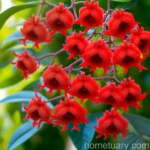
The Hot Lips Plant, scientifically known as Psychotria elata, is a species of flowering plant in the family Rubiaceae. It is native to the tropical rainforests of Central and South America, where it thrives in the warm and humid conditions. This species is renowned for its distinctive red, lip-shaped bracts that surround the tiny, tubular flowers, giving it the common name “Hot Lips Plant.”
Culture
Uses
Psychotria elata holds significant cultural and traditional value in the regions where it is native. It is often used in traditional medicine for various purposes, including treating skin conditions and promoting overall well-being. Additionally, its visually striking appearance has made it a popular choice for ornamental and landscaping purposes. The bright red bracts and lush foliage make it an eye-catching addition to tropical gardens and indoor plant collections.
Care
Water
Psychotria elata thrives in consistently moist but well-draining soil. It is essential to provide adequate water without allowing the plant to become waterlogged. In the growing season, regular watering to maintain moisture levels is crucial, while reducing the frequency during the plant’s dormancy helps prevent root rot.
Sunlight
As a tropical plant, the Hot Lips Plant prefers bright, indirect light. It should be shielded from direct, intense sunlight, which can cause the delicate bracts to fade or scorch. When grown indoors, placing the plant near a bright window or using supplemental lighting can help meet its sunlight requirements.
Fertilizer
During the growing season, applying a balanced liquid fertilizer every 4-6 weeks can support healthy growth and flowering. It is essential to follow the recommended dilution and avoid over-fertilization, which can lead to salt buildup in the soil.
Soil
The ideal soil for Psychotria elata is well-draining and rich in organic matter. A mix of peat moss, perlite, and compost can provide the necessary structure and nutrients. Maintaining slightly acidic soil pH is beneficial for the plant’s overall health.
Pruning
The Hot Lips Plant generally requires minimal pruning. Removing spent blooms can encourage continued flower production and maintain the plant’s neat appearance. Pruning should be done with sterile tools to prevent the spread of diseases.
Propagation
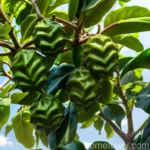
Propagating Psychotria elata can be accomplished through stem cuttings or seeds. Stem cuttings taken from healthy, mature plants can be rooted in a well-draining propagation medium. Additionally, seeds collected from mature fruits can be sown in a suitable growing medium to raise new plants.
Container
Popularity
The Hot Lips Plant is well-suited for cultivation in containers, both indoors and outdoors. Its compact size and striking appearance make it a desirable choice for adding a tropical touch to patio gardens, balconies, and indoor spaces. When grown in containers, it is essential to select a pot with adequate drainage and to monitor the plant’s water needs more closely than when grown in the ground.
Common Diseases
Disease Diagnosis
Despite being relatively low-maintenance, Psychotria elata is susceptible to certain diseases, particularly fungal infections and root rot. Symptoms of fungal diseases may include leaf spots, wilting, and stunted growth. Root rot, caused by overly wet soil, can manifest as yellowing and wilting of the foliage. Timely diagnosis and appropriate treatment can help manage and prevent the spread of diseases.
Common Pests
Botanist’s Tips
Maintaining a healthy growing environment is key to preventing common pests such as aphids and spider mites from infesting the Hot Lips Plant. Regularly inspecting the plant for signs of pest activity and promptly addressing any issues can help protect its vitality. Additionally, providing adequate air circulation and avoiding overwatering can contribute to pest prevention.
Fun Facts
- The brilliantly colored bracts of the Hot Lips Plant serve as a visual attractant for pollinators, particularly hummingbirds and butterflies.
- Psychotria elata is often referred to as the “Hooker’s Lips” plant due to the resemblance of its bright red bracts to plump, luscious lips, giving rise to its playful and provocative common name.
Links to External Resources
If you wish to explore more about the Hot Lips Plant, the following external resources can provide valuable information:
In the subsequent sections, we will address the plant’s care requirements in detail, providing insights into its water, sunlight, soil, and fertilizer needs, as well as guidance on propagation, pruning, pest management, and disease prevention.
Conclusion
The Hot Lips Plant, or Psychotria elata, is a captivating addition to any plant enthusiast’s collection. Its vibrant appearance and ease of care make it a desirable choice for both indoor and outdoor cultivation. By understanding and meeting its specific cultural requirements, including appropriate watering, sunlight, and soil conditions, plant enthusiasts can foster the health and beauty of this unique species.
In the next part of this article, we will delve into the intricate details of Psychotria elata care, exploring the nuances of its cultural requirements, from watering and sunlight to soil and propagation.
References
- Killip, E. P. (1938). The American species of Psychotria. Lilloa, 1(1), 123-492.
- McDade, L. A., & Mankowski, T. (1994). Seedling recruitment and dynamics of four rainforest species in the Neotropics. Selbyana, 15(2), 144-153.
- Cotton, C. M. (1981). Ethnobotany: principles and applications. Chichester [Sussex]: Wiley.