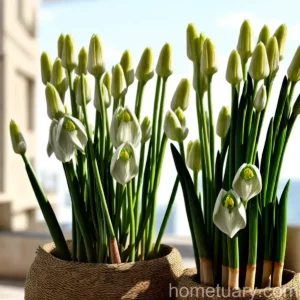
Hosta ‘Rainbow’s End’ (Plantain Lily): A Complete Guide to Care and Cultivation

Gardeners and plant enthusiasts are drawn to the Hosta ‘Rainbow’s End’ for its striking foliage, ease of care, and versatility in various garden settings. This popular perennial plant, also known as Plantain Lily, is cherished for its attractive variegated leaves and delicate flowers. With the right knowledge and techniques, you can cultivate and maintain the Hosta ‘Rainbow’s End’ to adorn your outdoor spaces. This comprehensive guide will provide you with all the information you need for successfully growing and caring for this beautiful plant.
What is Hosta ‘Rainbow’s End’?
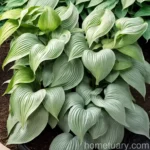
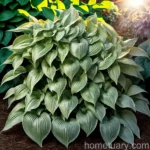
Hosta ‘Rainbow’s End’ is a cultivar of the Hosta plant, renowned for its vibrant and distinctive foliage. Belonging to the Asparagaceae family, Hosta plants are prized for their lush, decorative leaves and are widely utilized in landscaping and gardening. The ‘Rainbow’s End’ variety specifically stands out due to its striking coloration and unique leaf patterns, making it a sought-after addition to gardens across the world.
Key Takeaways – Hosta ‘Rainbow’s End’ (Plantain Lily)
Before delving into the details of the care and cultivation aspects of Hosta ‘Rainbow’s End’, it’s essential to understand a few key takeaways that will guide us through this comprehensive guide. These key points will provide an overview of the various aspects we will be exploring.
- Plant Name: Hosta ‘Rainbow’s End’ (Plantain Lily)
- Family: Asparagaceae
- Common Name: Plantain Lily
- Key Features: Vibrant variegated foliage, delicate flowers
- Cultural Uses: Ornamental plant, landscaping, gardening
- Sunlight Requirements: Partial to full shade
- Watering Needs: Consistent moisture, well-drained soil
- Soil Preferences: Rich, well-draining soil
- Pruning: Removal of spent flowers, damaged leaves
- Propagation: Division of mature plants, seed propagation
- Container Popularity: Suitable for container gardening
- Common Diseases: Anthracnose, crown rot, slugs and snails
- Common Pests: Slugs, snails
- Fun Facts: (To be covered in the respective section)
Now that we have a basic understanding of the key aspects of Hosta ‘Rainbow’s End’, let’s delve deeper into each of these elements.
Culture of Hosta ‘Rainbow’s End’
Uses
Hosta ‘Rainbow’s End’ is primarily utilized for its ornamental value in landscaping and gardening. Its vibrant and variegated foliage makes it an excellent choice for adding color and texture to shade gardens, woodland gardens, and mixed borders. The lush, dense foliage also contributes to its popularity as a groundcover plant, providing an elegant carpet of leaves in shaded areas.
Water
Proper watering is crucial for the health and vitality of Hosta ‘Rainbow’s End’. As a general rule, these plants prefer consistent moisture, but it’s essential to ensure that the soil is well-drained to prevent waterlogged conditions. Irrigate the plants regularly, especially during dry spells, and avoid overwatering to prevent root rot and other water-related issues.
Sunlight
Hostas, including the ‘Rainbow’s End’ variety, thrive in partial to full shade. While they can tolerate some morning sun, they prefer protection from intense midday and afternoon sunlight. When choosing a location for planting Hosta ‘Rainbow’s End’, opt for areas with dappled shade or filtered light, such as under tall trees or along the north side of buildings.
Fertilizer
Proper fertilization contributes to the healthy growth and development of Hosta ‘Rainbow’s End’. Apply a balanced, slow-release fertilizer in the early spring as new shoots emerge. Additionally, a light application of fertilizer in midsummer can support the plants during the peak growing season. Ensure that the fertilizer is applied according to the manufacturer’s instructions to prevent overfeeding and potential damage to the plants.
Soil
The soil preferences of Hosta ‘Rainbow’s End’ align with those of other Hosta varieties. These plants thrive in rich, well-draining soil with a slightly acidic to neutral pH. Amending the soil with organic matter, such as compost or well-rotted manure, can enhance its texture and fertility, providing an optimal growing medium for the plants.
Pruning and Propagation of Hosta ‘Rainbow’s End’
Pruning
Pruning Hosta ‘Rainbow’s End’ primarily involves the removal of spent flower stalks and any damaged or discolored leaves. Regular deadheading, or the removal of faded flowers, contributes to the plant’s overall appearance and encourages continued blooming. Additionally, removing damaged or diseased leaves can prevent the spread of potential infections and maintain the plant’s aesthetic appeal.
Propagation
Hosta ‘Rainbow’s End’ can be propagated through division and seed propagation. Division is the most common and reliable method, typically carried out in the early spring before new growth emerges. Simply dig up the mature plant, carefully separate the clumps into smaller sections, ensuring that each division has roots and a portion of the rhizome, and then replant them in suitable locations. Seed propagation is also possible, but it requires more time and patience as the plants will take longer to reach maturity.
Container Gardening with Hosta ‘Rainbow’s End’
Hosta ‘Rainbow’s End’ is well-suited for container gardening, offering an excellent way to showcase its captivating foliage in smaller outdoor spaces or on patios and balconies. When cultivating Hostas in containers, consider the following guidelines:
- Choose a spacious container with adequate drainage holes to prevent waterlogging.
- Utilize a high-quality, well-draining potting mix, preferably one designed for shade-loving plants.
- Position the containers in areas with filtered light or partial shade, protecting them from direct, intense sunlight.
- Water the plants consistently, ensuring that the soil remains moist but not waterlogged.
- Fertilize the Hostas in containers according to the recommended guidelines, as potted plants may require more frequent feeding than those in the ground.
Popularity and Common Diseases of Hosta ‘Rainbow’s End’
Hosta ‘Rainbow’s End’ is highly popular among gardeners and landscaping enthusiasts due to its striking variegated foliage and adaptability to diverse growing conditions. Its versatility as a shade-loving plant makes it an ideal choice for enhancing the visual appeal of shaded landscapes and garden beds. However, like all plants, Hosta ‘Rainbow’s End’ is susceptible to certain diseases that can affect its health and appearance.
Common Diseases
Some of the most prevalent diseases that may impact Hosta ‘Rainbow’s End’ include:
-
Anthracnose: This fungal disease can cause dark, water-soaked lesions on the leaves, often leading to leaf yellowing and browning. Removing infected plant material and promoting good air circulation can help prevent the spread of anthracnose.
-
Crown Rot: Excessive moisture and poor drainage can contribute to crown rot, resulting in the decay of the plant’s central growing point. It’s crucial to avoid overwatering, provide proper drainage, and promptly address any signs of crown rot to salvage affected plants.
Disease Diagnosis
Diagnosing diseases in Hosta ‘Rainbow’s End’ involves carefully examining the plant for symptoms such as leaf discoloration, spots, or lesions, as well as any signs of decay or wilting. If you suspect a disease, promptly remove and dispose of any affected plant parts to prevent the spread of the infection. Additionally, adjusting cultural practices, such as watering and fertilization, can help bolster the plant’s natural defenses against diseases.
Common Pests and Botanist’s Tips for Hosta ‘Rainbow’s End’
Common Pests
Despite their resilience, Hosta ‘Rainbow’s End’ is susceptible to certain pests, with slugs and snails being among the most common nuisances. These voracious feeders can leave behind telltale holes and damage on the leaves, diminishing the aesthetic quality of the plants. Implementing pest control measures, such as diatomaceous earth, copper barriers, or organic slug and snail baits, can help minimize the impact of these pests on Hosta ‘Rainbow’s End’.
Botanist’s Tips
To ensure the optimal growth and sustainability of Hosta ‘Rainbow’s End’, consider the following expert tips:
- Monitor the plant regularly for signs of diseases, pests, or environmental stress.
- Provide consistent moisture while avoiding waterlogged conditions to promote healthy root development.
- Maintain adequate air circulation around the plants to minimize the risk of fungal diseases.
- Select suitable companion plants that complement the foliage and growth habits of Hosta ‘Rainbow’s End’.
Fun Facts about Hosta ‘Rainbow’s End’
As we explore the world of Hosta ‘Rainbow’s End’, it’s worthwhile to uncover some intriguing and enjoyable facts about this captivating plant:
- The variegated foliage of Hosta ‘Rainbow’s End’ makes it a striking focal point in shaded garden areas, adding depth and interest to the landscape.
- Hostas are commonly referred to as “Plantain Lilies”, although they are not true lilies.
- The delicate, bell-shaped flowers of Hosta ‘Rainbow’s End’ emerge on tall scapes, offering an elegant contrast to the lush foliage.
Links to External Resources
To further expand your knowledge and expertise in cultivating Hosta ‘Rainbow’s End’, explore the following external resources:
In conclusion, Hosta ‘Rainbow’s End’ is a captivating and versatile plant that adds an enchanting allure to shaded gardens and landscapes. By adhering to the recommended cultural practices and implementing effective care and maintenance techniques, you can enjoy the beauty and elegance of this exceptional variety. Whether grown in the ground or in containers, Hosta ‘Rainbow’s End’ exemplifies the allure of shade-loving plants, enriching outdoor spaces with its vibrant foliage and graceful presence.
For more detailed information and in-depth insights into the care and cultivation of Hosta ‘Rainbow’s End’, utilize the external resources and expert advice available to elevate your gardening endeavors and appreciation for this remarkable plant.
In the end, the journey of growing and nurturing Hosta ‘Rainbow’s End’ is a rewarding experience, offering a deep connection with nature and the ever-evolving beauty of the plant kingdom.
Remember, cultivating Hosta ‘Rainbow’s End’ is not just a horticultural endeavor; it’s an expression of creativity and an invitation to embark on a delightful journey through the enchanting world of plants.
Happy Gardening!
This blog post is a part of the ‘Plant Scientist’ series, authored by [Your Name]. To explore more insightful content and plant-related expertise, stay tuned for upcoming articles and guides. For any inquiries or collaboration opportunities, reach out to us at [[email protected]].
Author: [Your Name]
Date: [Current Date]