Plant Name: “Hosta (Hosta ‘Undulata Variegata’)”
Hosta, commonly known as plantain lily, is a popular genus of herbaceous perennial plants prized for their lush foliage. Among the numerous hosta varieties available, Hosta ‘Undulata Variegata’ stands out for its striking foliage and ease of care. In this comprehensive guide, we will delve into the various aspects of this beautiful plant, from its characteristics and care needs to its landscape uses and common pests and diseases. Whether you’re a seasoned gardener or a newcomer to the world of hostas, this article will provide valuable insights on cultivating and enjoying the beauty of Hosta ‘Undulata Variegata’.
Key Takeaways – Hosta (Hosta ‘Undulata Variegata’)
- Description: Hosta ‘Undulata Variegata’ is a herbaceous perennial prized for its variegated foliage and adaptability to various growing conditions.
- Culture: This plant thrives in shaded or partially shaded areas and prefers moist, well-draining soil. It is relatively low-maintenance and offers excellent ornamental value.
- Uses: Hosta ‘Undulata Variegata’ is widely used in landscaping for its attractive foliage, making it suitable for borders, groundcover, and container plantings.
- Water: Adequate moisture is crucial for the health of Hosta ‘Undulata Variegata’, requiring regular watering, especially during hot and dry periods.
- Sunlight: While it tolerates shade well, this hosta variety benefits from some morning sun but should be protected from intense afternoon sunlight.
- Fertilizer: Applying a balanced, slow-release fertilizer in spring can support the healthy growth of Hosta ‘Undulata Variegata’.
- Soil: Well-draining, organic-rich soil with a slightly acidic to neutral pH is ideal for cultivating this hosta variety.
- Pruning: Regular removal of dead or damaged foliage and spent flower stalks can enhance the appearance of Hosta ‘Undulata Variegata’.
- Propagation: Propagating Hosta ‘Undulata Variegata’ through division is a reliable method for creating new plants.
- Container Popularity: Its adaptability to container growth makes Hosta ‘Undulata Variegata’ a sought-after choice for patio and garden displays.
- Common Diseases: While generally resistant to diseases, hostas, including Hosta ‘Undulata Variegata’, can be affected by fungal issues such as leaf spots.
Throughout this guide, we will explore these key takeaways in detail, providing insights into the care, cultivation, and appreciation of Hosta ‘Undulata Variegata’ in various gardening settings.
What is Hosta ‘Undulata Variegata’?
Hosta ‘Undulata Variegata’ is a cultivar of the genus Hosta, which belongs to the family Asparagaceae. Native to East Asia, particularly China, Korea, and Japan, hostas have become immensely popular ornamental plants in gardens and landscapes worldwide. Known for their attractive foliage and adaptability to shade, hostas have gained a dedicated following among garden enthusiasts and landscape designers.
Hosta ‘Undulata Variegata’ Description
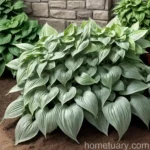
Hosta ‘Undulata Variegata’ is revered for its distinct foliage, characterized by creamy-white to yellowish centers with irregular green margins. The leaves are ovate to heart-shaped, with gently undulating (wavy) margins, adding visual interest to the plant. Typically, the mature size of Hosta ‘Undulata Variegata’ ranges from 12 to 24 inches in height, with a spreading habit that can reach up to 36 inches in width. The plant produces gracefully arching flower scapes adorned with lavender to white tubular flowers in midsummer, adding a touch of elegance to its overall appearance.
As with many hosta varieties, the striking foliage of Hosta ‘Undulata Variegata’ is the main attraction, offering a versatile and eye-catching element in shaded garden areas. When used in mass plantings or combined with other shade-loving perennials, this hosta cultivar contributes to creating visually engaging and harmonious landscapes.
Types of Hostas
Within the genus Hosta, there are over 70 recognized species and thousands of registered varieties and cultivars, encompassing a wide range of leaf shapes, sizes, colors, and textures. Hosta ‘Undulata Variegata’ belongs to the group of variegated hostas, characterized by leaves featuring contrasting colors, such as green and white or green and yellow.
Hosta varieties are often categorized based on their size, with divisions including miniature, small, medium, and large hostas. Miniature and small hostas are prized for their compact nature, making them suitable for edging or container plantings, while larger hostas make a bold statement when used as focal points or mass plantings in woodland gardens or shaded borders.
In addition to the diversity in leaf characteristics, hostas also vary in their tolerance to sunlight, soil moisture requirements, and flowering habits. Some hosta cultivars are known for their fragrant flowers, while others are specifically bred for their heat or cold tolerance.
Hosta ‘Undulata Variegata’ Care Guide
Growing and caring for Hosta ‘Undulata Variegata’ involves understanding its specific needs and preferences, allowing gardeners to create optimal conditions for the plant’s health and vigor. From selecting an appropriate planting site to providing essential maintenance, here’s a comprehensive care guide for cultivating and enjoying the beauty of Hosta ‘Undulata Variegata’.
Growing Hosta ‘Undulata Variegata’
Hosta ‘Undulata Variegata’ thrives in cool, shaded or partially shaded locations, making it an excellent choice for woodland gardens, shaded borders, and other low-light areas in the landscape. In regions with hot summers, providing protection from intense afternoon sun is crucial to preventing leaf scorch and maintaining the plant’s overall health and appearance.
When establishing Hosta ‘Undulata Variegata’ in the garden, select a site with rich, well-draining soil and ample organic matter. Incorporating compost or aged manure into the planting area can enhance soil fertility and structure, promoting healthy root development and vigorous growth. Additionally, amending heavy clay soils with organic matter can improve drainage, preventing waterlogged conditions that may negatively impact the plant.
Hosta ‘Undulata Variegata’ Plant Profile
- Botanical Name: Hosta ‘Undulata Variegata’
- Common Name: Variegated Plantain Lily
- Family: Asparagaceae
- Mature Height: 12 to 24 inches
- Mature Width: Up to 36 inches
- Foliage: Variegated leaves with creamy-white to yellowish centers and green margins
- Flowers: Lavender to white tubular flowers on arching scapes in midsummer
- Growth Habit: Clump-forming, spreading
The striking foliage of Hosta ‘Undulata Variegata’ creates visual impact in shaded settings, adding texture, color, and depth to garden compositions. The plant’s clumping growth habit contributes to its versatility, as it can be used to fill in gaps between other shade-loving perennials or featured as a stand-alone specimen in the landscape.
Hosta ‘Undulata Variegata’ Characteristics
In addition to its eye-catching foliage, Hosta ‘Undulata Variegata’ exhibits several key characteristics that make it a desirable addition to shade gardens and landscapes.
- Adaptability: This hosta variety is well-adapted to shaded or partially shaded environments, thriving in conditions that may be challenging for other ornamental plants.
- Variegation: The variegated foliage, with its unique combination of creamy whites, yellows, and greens, provides year-round interest and elegance to garden spaces.
- Flowering: While the primary appeal of Hosta ‘Undulata Variegata’ lies in its foliage, the midsummer blooms add a delicate and charming element to the plant, attracting pollinators and enhancing its overall allure.
- Low Maintenance: Hosta ‘Undulata Variegata’ is relatively low-maintenance, requiring minimal attention beyond regular watering, fertilization, and occasional pruning and division.
By understanding these key characteristics, gardeners can better appreciate the unique qualities of Hosta ‘Undulata Variegata’ and incorporate it effectively into their landscape designs.
Hosta ‘Undulata Variegata’ Foliage
The foliage of Hosta ‘Undulata Variegata’ is the primary focus of its ornamental value, captivating observers with its variegated patterns and graceful form. The leaves typically feature a creamy-white to yellowish center, complemented by irregular green margins. The coloration and markings on the foliage provide a dynamic visual display, especially when illuminated by dappled sunlight in a shaded garden.
Beyond its coloration, the leaf texture and shape of Hosta ‘Undulata Variegata’ contribute to its overall appeal. The leaves are typically broadly ovate to heart-shaped, with gently undulating margins that create an attractive wavy effect. When planted in groups or combined with contrasting textures and forms, the foliage of Hosta ‘Undulata Variegata’ contributes to a visually rich and engaging garden composition.
Variegated Hosta Plants
Variegated hostas, including Hosta ‘Undulata Variegata’, are valued for their striking leaf coloration and patterns, which can vary widely among different cultivars. The variegation may be in the form of contrasting shades of green, white, yellow, or blue, creating an array of captivating combinations and designs. The unique variegated foliage of these plants remains a focal point in shaded gardens, providing consistent interest and beauty throughout the growing season.
Variegated hostas are often used to brighten up shaded areas and create visually appealing contrasts within garden beds and borders. When strategically placed among other shade-tolerant plants with different foliage colors and textures, variegated hostas contribute to the creation of diverse and captivating garden compositions.
Hosta ‘Undulata Variegata’ Varieties
While Hosta ‘Undulata Variegata’ is a distinct and popular hosta cultivar, the genus encompasses a vast array of varieties and hybrids, each offering unique characteristics and appeal. Gardeners and collectors may explore the wide range of hosta varieties available, including those with blue-green foliage, gold-edged leaves, and compact growth habits.
Some notable hosta varieties closely related to Hosta ‘Undulata Variegata’ include ‘Undulata Albomarginata’, ‘Undulata Univittata’, and ‘Undulata Erromena’. Each of these varieties presents subtle differences in leaf coloration and variegation, providing options for creating diverse and captivating hosta displays in the garden.
Hosta ‘Undulata Variegata’ Planting Tips
When planting Hosta ‘Undulata Variegata’, it’s essential to consider several key factors to ensure the successful establishment and long-term health of the plant. From selecting an appropriate planting site to addressing soil and watering needs, here are valuable planting tips for cultivating this striking hosta variety.
- Site Selection: Choose a shaded or partially shaded location with well-draining soil and protection from intense afternoon sun to provide optimal growing conditions for Hosta ‘Undulata Variegata’.
- Soil Amendment: Prepare the planting area by incorporating organic matter, such as compost or aged manure, to enrich the soil and improve its structure and fertility.
- Spacing: When planting multiple Hosta ‘Undulata Variegata’ specimens, space them at least 18 to 24 inches apart to allow for adequate air circulation and future growth.
- Mulching: Apply a layer of organic mulch, such as shredded bark or compost, around the base of the plant to conserve soil moisture and suppress weed growth.
By following these planting tips, gardeners can establish Hosta ‘Undulata Variegata’ effectively, creating an environment conducive to its healthy development and ornamental display.
Hosta ‘Undulata Variegata’ Maintenance
Maintaining the health and vigor of Hosta ‘Undulata Variegata’ involves various aspects of care, including watering, fertilizing, pruning, and division. By attending to the plant’s needs throughout the growing season, gardeners can ensure its continued beauty and longevity in the landscape.
Pruning Tips for Hosta ‘Undulata Variegata’
Pruning hostas, including Hosta ‘Undulata Variegata’, is primarily focused on the removal of spent flower scapes and dead or damaged foliage. This practice not only enhances the plant’s appearance but also promotes better air circulation and reduces the risk of disease.
- Flower Scapes: After the flowers have faded, carefully remove the entire flower scape at its base to prevent the formation of seeds and redirect the plant’s energy back into leaf growth.
- Dead Foliage: Trim off any discolored or yellowing leaves by cutting them down to the base or crown of the plant to maintain a neat and tidy appearance and minimize disease potential.
It’s essential to use clean and sharp gardening tools when pruning hostas to prevent the spread of diseases and ensure precise and clean cuts.
Hosta ‘Undulata Variegata’ Water Requirements
Adequate moisture is essential for the health and vitality of Hosta ‘Undulata Variegata’, particularly during periods of hot and dry weather. While the plant appreciates consistent soil moisture, it’s crucial to avoid overwatering, as excessively wet conditions can lead to root rot and other issues.
To provide proper irrigation for Hosta ‘Undulata Variegata’, follow these watering guidelines:
- Frequency: Water the plant regularly, aiming to keep the soil consistently moist but not waterlogged.
- Morning Watering: Watering in the morning allows the plant’s foliage to dry before evening, reducing the risk of fungal diseases.
- Mulch Use: Apply a layer of mulch around the base of the plant to help retain soil moisture and minimize evaporation.
By monitoring the plant’s moisture needs and adjusting watering frequency based on weather conditions, gardeners can support the healthy growth and lush appearance of Hosta ‘Undulata Variegata’.
Hosta ‘Undulata Variegata’ Fertilization Guide
Applying a balanced, slow-release fertilizer in spring can provide the necessary nutrients for the robust growth and development of Hosta ‘Undulata Variegata’. Fertilizer formulated specifically for ornamental foliage plants or perennials can support the plant’s leaf production, coloration, and overall vigor.
When fertilizing Hosta ‘Undulata Variegata, consider the following guidelines:
- Timing: Apply fertilizer in early spring, just as new growth emerges, to ensure that the plant receives the nutrients it needs for the growing season.
- Application Rate: Follow the manufacturer’s recommendations for the appropriate amount of fertilizer to apply based on the size and age of the plant.
- Even Distribution: Spread the fertilizer evenly around the base of the plant, avoiding direct contact with the foliage to prevent burning.
Regular fertilization can help maintain the vigor and visual appeal of Hosta ‘Undulata Variegata’, contributing to healthy foliage growth and overall plant performance.
Hosta ‘Undulata Variegata’ Landscape Uses
Hosta ‘Undulata Variegata’ offers versatile and multifaceted landscape uses, contributing to the creation of visually appealing and dynamic garden compositions. Whether utilized as a border plant, groundcover option, or container specimen, this hosta variety presents a range of possibilities for enhancing shaded garden spaces.
Hosta ‘Undulata Variegata’ as a Shade Plant
With its adaptability to shaded conditions and striking variegated foliage, Hosta ‘Undulata Variegata’ excels as a shade plant, bringing visual interest and elegance to low-light areas in the landscape. Whether nestled under a canopy of trees or featured alongside other shade-loving perennials, this hosta cultivar thrives in locations where many other ornamental plants struggle to perform.
In shaded gardens and woodland settings, Hosta ‘Undulata Variegata’ can be planted in clusters or drifts, creating captivating displays of contrasting leaf colors and textures. The plant’s ability to tolerate shade and its resilience to common challenges in shaded environments make it an invaluable addition to any shade garden design.
Hosta ‘Undulata Variegata’ Companion Plants
When selecting companion plants for Hosta ‘Undulata Variegata’, consider shade-tolerant perennials and foliage plants that complement the hosta’s unique characteristics. The following plants make excellent companions for this hosta variety:
- Astilbe (Astilbe spp.): Known for their feathery plumes of flowers, astilbes add a vertical element and vibrant color to shaded garden settings, complementing the lush foliage of Hosta ‘Undulata Variegata’.
- Ferns (Various Species): Ferns, with their diverse leaf shapes and textures, create a visually engaging contrast when paired with Hosta ‘Undulata Variegata’, enriching the overall tapestry of foliage in the garden.
- Heuchera (Heuchera spp.): Coral bells, with their colorful and intricately patterned leaves, offer a delightful visual counterpoint to the variegated foliage of the hosta, enhancing the overall appeal of the planting.
By selecting companion plants that harmonize with the color, texture, and form of Hosta ‘Undulata Variegata’, gardeners can create cohesive and aesthetically pleasing combinations in shaded garden areas.
Hosta ‘Undulata Variegata’ in Mixed Plantings
Combining Hosta ‘Undulata Variegata’ with a diverse selection of shade-loving perennials and groundcovers can add depth and complexity to garden compositions. When incorporated into mixed plantings, this hosta variety contributes to the overall balance and visual appeal of the landscape.
For mixed plantings featuring Hosta ‘Undulata Variegata’, consider the following design ideas:
- Layered Plantings: Create layered plantings by incorporating low-growing groundcovers, such as foamflower (Tiarella spp.) or barrenwort (Epimedium spp.), at the base of the hosta to create a cascading effect and a dynamic visual display.
- Seasonal Interest: Introduce flowering perennials and foliage plants that provide seasonal interest, such as spring-blooming bulbs or summer-flowering woodland plants, to enrich the overall composition and extend the garden’s appeal.
By experimenting with different combinations and arrangements, gardeners can unveil the full potential of Hosta ‘Undulata Variegata’ in mixed plantings, resulting in diverse and captivating garden displays.
Hosta ‘Undulata Variegata’ Groundcover Option
Due to its spreading habit and lush foliage, Hosta ‘Undulata Variegata’ serves as an effective groundcover option in shaded settings. When planted en masse, this hosta variety fills in open spaces with a dense carpet of variegated leaves, creating a visually cohesive and uniform groundcover effect.
For utilizing Hosta ‘Undulata Variegata’ as a groundcover, consider the following recommendations:
- Spacing: Plant Hosta ‘Undulata Variegata’ at regular intervals to achieve a seamless and continuous groundcover effect, allowing the plants to gradually fill in the designated area.
- Underplanting: Incorporate low-growing shade perennials and woodland plants at the edges and interspersed within the