The Beauty of Hosta ‘Chinese Sunrise’: A Complete Guide
Introduction
Hosta ‘Chinese Sunrise’ is a stunning perennial plant that has become a beloved addition to many gardens and landscapes. Known for its vibrant foliage and versatility, this plant has captured the hearts of gardeners and landscapers around the world. In this comprehensive guide, we will delve into the culture, uses, care, and maintenance of Hosta ‘Chinese Sunrise’.
What is Hosta ‘Chinese Sunrise’?
Hosta ‘Chinese Sunrise’ is a cultivar of the Hosta plant, which is a genus of perennial herbaceous plants native to Japan, China, and Korea. The Hosta genus is a part of the family Asparagaceae and is commonly referred to as “plantain lilies” or “funkia” in some regions.
Key Takeaways – Hosta ‘Chinese Sunrise’
Before we dive into the details of Hosta ‘Chinese Sunrise’, let’s take a look at some of the key takeaways associated with this beautiful plant:
- Hosta ‘Chinese Sunrise’ is a cultivar of the Hosta plant known for its vibrant foliage and adaptability to various garden settings.
- This plant is widely used in shade gardens, borders, and container gardening due to its attractive leaves and low maintenance requirements.
- The ‘Chinese Sunrise’ variety thrives in well-draining soil and benefits from regular watering, partial to full shade, and occasional fertilization.
- Propagation of Hosta ‘Chinese Sunrise’ can be done through division and is relatively straightforward, allowing for the expansion of its presence in the garden.
Culture of Hosta ‘Chinese Sunrise’
Understanding the cultural requirements of Hosta ‘Chinese Sunrise’ is essential for ensuring its optimal growth and development. Let’s explore the key aspects of its culture, including water, sunlight, fertilizer, soil, and pruning.
Water
Hosta ‘Chinese Sunrise’ thrives in moist, well-draining soil. While the plant is relatively tolerant of occasional dry periods, it prefers consistent moisture to support healthy leaf development and overall vigor. When watering the plant, it’s important to ensure that the soil remains evenly moist without becoming waterlogged.
Sunlight
As a shade-loving perennial, Hosta ‘Chinese Sunrise’ thrives in partial to full shade conditions. While it can tolerate some morning sun, it generally prefers protection from direct afternoon sunlight, especially in warmer climates. When selecting the planting location for ‘Chinese Sunrise’, it’s important to consider its light requirements and provide an environment that offers the right balance of shade and filtered light.
Fertilizer
Fertilizing Hosta ‘Chinese Sunrise’ can contribute to its overall health and vigor. A balanced, slow-release fertilizer applied in early spring can support strong leaf growth and help the plant prepare for the growing season. It’s essential to follow the recommended dosage and avoid over-fertilization, which can lead to excessive foliage at the expense of overall plant balance.
Soil
Well-draining, nutrient-rich soil is ideal for cultivating Hosta ‘Chinese Sunrise’. Amending the soil with organic matter, such as compost or well-rotted manure, can improve its structure and fertility, creating an optimal environment for the plant to thrive. Additionally, maintaining a slightly acidic to neutral soil pH (around 6.0 to 7.5) can support the healthy growth of the ‘Chinese Sunrise’ variety.
Pruning
Pruning Hosta ‘Chinese Sunrise’ is primarily focused on the removal of spent flower stalks and damaged or discolored leaves. Trimming back flower stalks after the blooming period can encourage the plant to redirect its energy towards leaf production, contributing to a lush and vibrant foliage display. Regular inspection of the plant for any signs of disease or pest damage can guide targeted pruning, promoting overall plant health.
Uses of Hosta ‘Chinese Sunrise’
The versatility of Hosta ‘Chinese Sunrise’ extends to various uses in garden and landscape settings. Let’s explore the key uses and applications of this stunning plant.
-
Shade Gardens: Hosta ‘Chinese Sunrise’ serves as a captivating addition to shade gardens, where its vibrant foliage can illuminate and enliven shaded areas. Whether planted in clusters or as individual specimens, the ‘Chinese Sunrise’ variety brings a splash of color to gardens with limited direct sunlight.
-
Borders and Edging: The attractive leaves of Hosta ‘Chinese Sunrise’ make it a popular choice for border plantings and edging along pathways or garden beds. Its low-growing habit and striking foliage create a visually appealing border that complements other plants and hardscape features.
-
Container Gardening: ‘Chinese Sunrise’ thrives in container settings, allowing gardeners to introduce its beauty to patios, balconies, and outdoor living spaces. The plant’s adaptability to pot culture makes it an excellent choice for adding visual interest and texture to container arrangements.
-
Groundcover: In suitable conditions, Hosta ‘Chinese Sunrise’ can function as a groundcover, spreading gradually to form an attractive carpet of foliage. Its ability to fill in open spaces and suppress weed growth makes it a valuable addition to landscape designs that prioritize groundcover plants.
Propagation of Hosta ‘Chinese Sunrise’
Propagation is an essential aspect of plant cultivation, allowing gardeners to expand their collection and share their favorite varieties with others. Let’s explore the methods of propagating Hosta ‘Chinese Sunrise’ and the considerations associated with each approach.
-
Division: Division is the most common and effective method of propagating Hosta ‘Chinese Sunrise’. It involves separating the plant’s rhizomes into smaller sections, each with viable roots and shoots. The best time to divide Hosta ‘Chinese Sunrise’ is in early spring as new growth begins to emerge, allowing the divided sections to establish themselves before the onset of summer heat.
-
To divide the plant, carefully dig up the entire clump of Hosta ‘Chinese Sunrise’ and gently shake off the excess soil to expose the rhizomes.
- Using a sharp, clean knife, divide the clump into smaller sections, ensuring that each division has a portion of the rhizome and an adequate number of healthy leaves.
-
Plant the divided sections in prepared soil, water them thoroughly, and provide appropriate care to support their establishment and growth.
-
Seed Propagation: While Hosta ‘Chinese Sunrise’ can be propagated from seed, this method is less common due to the time and effort required to grow plants from seed to maturity. Additionally, as most Hosta varieties are hybrids, the seeds may not produce offspring that accurately resemble the parent plant, leading to variability in leaf color and other traits.
-
If choosing to propagate Hosta ‘Chinese Sunrise’ from seeds, collect mature seed pods from the plant after flowering and allow the pods to dry thoroughly.
- Extract the seeds from the pods and sow them in a seed-starting mix in early spring.
- Provide optimal conditions for germination and seedling growth, including consistent moisture, warmth, and indirect light.
Common Diseases and Pests
Understanding the potential challenges that Hosta ‘Chinese Sunrise’ may face is crucial for maintaining its health and vitality. Let’s explore common diseases, pests, and effective strategies for disease diagnosis and pest management.
Common Diseases
-
Hosta Virus X: Hosta Virus X is a viral disease that affects various Hosta varieties, including ‘Chinese Sunrise’. Symptoms may include mottling, distortion, and yellowing of the leaves, along with stunted growth. Unfortunately, there is no cure for viral diseases, and infected plants are typically removed and destroyed to prevent the spread of the virus to other Hosta specimens.
-
Fungal Leaf Spot: Fungal leaf spot can manifest as dark, water-soaked lesions on the foliage of Hosta ‘Chinese Sunrise’. The disease is often exacerbated by prolonged periods of moisture and can be managed through the removal of infected leaves, improving air circulation around the plant, and applying fungicidal treatments if necessary.
Disease Diagnosis
Diagnosing diseases in Hosta ‘Chinese Sunrise’ involves careful observation of the plant’s symptoms and characteristics. Look for signs of discoloration, distortion, or unusual patterns on the foliage, and consider environmental factors such as moisture levels and airflow that may contribute to the development of diseases. Additionally, seeking guidance from local gardening experts or plant pathologists can aid in accurate disease diagnosis and intervention.
Common Pests
-
Slugs and Snails: Hosta plants, including ‘Chinese Sunrise’, are particularly susceptible to damage from slugs and snails, which feed on the tender foliage and leave behind characteristic ragged edges and slime trails. Employing physical barriers, such as copper tape or diatomaceous earth, and using organic or chemical slug and snail control methods can help protect Hosta plants from these pests.
-
Deer and Rabbits: In areas with high deer or rabbit populations, Hosta ‘Chinese Sunrise’ may be at risk of browsing damage, especially during the growing season. Applying animal repellents and utilizing fencing or other protective measures can deter deer and rabbits from feeding on the plant.
Botanist’s Tips for Growing Hosta ‘Chinese Sunrise’
As a plant scientist, I have amassed valuable insights and tips for successfully growing Hosta ‘Chinese Sunrise’. These expert recommendations are based on years of observation and research, aiming to empower gardeners with the knowledge needed to cultivate thriving ‘Chinese Sunrise’ specimens.
-
Mulch Matters: Applying a layer of organic mulch around the base of Hosta ‘Chinese Sunrise’ can help conserve soil moisture, suppress weed growth, and maintain a consistent root temperature. Opt for mulching materials such as shredded bark, compost, or leaf mold, and replenish the mulch layer as needed to maximize its benefits.
-
Spring Cleaning: In early spring, conduct a thorough cleaning and inspection of Hosta ‘Chinese Sunrise’ to remove any debris, dead leaves, or accumulated organic matter around the plant. This practice can mitigate the risk of disease development and create a tidy and welcoming environment for new growth.
-
Companion Planting: Consider integrating companion plants that complement the colors and textures of Hosta ‘Chinese Sunrise’ while offering additional benefits, such as attracting pollinators or providing natural pest control. Suitable companion plants may include ferns, Heuchera, Tiarella, and other shade-loving perennials that thrive in similar growing conditions.
-
Leaf Diversity: Embrace the diversity of leaf shapes, sizes, and colors within the Hosta genus when planning landscape designs and garden layouts. Incorporating different Hosta varieties, including the ‘Chinese Sunrise’ cultivar, can create visually engaging compositions and add depth to shaded areas.
Fun Facts about Hosta ‘Chinese Sunrise’
Uncovering the intriguing characteristics and facts about Hosta ‘Chinese Sunrise’ adds an additional layer of appreciation for this captivating plant. Let’s explore some fun and fascinating facts that highlight the allure of ‘Chinese Sunrise’ and its contribution to garden aesthetics.
-
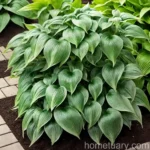
Foliage Transformation: The leaves of Hosta ‘Chinese Sunrise’ undergo a notable transformation throughout the growing season, transitioning from vibrant yellow-green in spring to a luscious golden hue as the summer progresses. This dynamic display adds visual interest and captivates the attention of observers.
-
Edible Flowers: While primarily cultivated for its ornamental foliage, Hosta plants, including ‘Chinese Sunrise’, produce edible flowers that can be enjoyed in salads or used as decorative garnishes. The delicate, bell-shaped blooms offer a mild, sweet flavor, adding a touch of culinary versatility to the plant’s appeal.
-
Deer-Resistant Qualities: Hosta ‘Chinese Sunrise’ exhibits a level of resistance to deer browsing, making it a favored choice in landscapes frequented by these herbivores. The robust nature of ‘Chinese Sunrise’ leaves offers a measure of protection against deer feeding, contributing to its popularity in deer-prone regions.
Links to External Resources
For further exploration and in-depth information about Hosta ‘Chinese Sunrise’, consider utilizing the following external resources:
-
American Hosta Society: The American Hosta Society offers comprehensive resources and expertise on various Hosta cultivars, including ‘Chinese Sunrise’, through its publications, events, and educational materials.
-
The Hosta Library: A valuable online repository of Hosta-related information, The Hosta Library provides access to a vast collection of articles, photographs, and resources to support enthusiasts and researchers alike.
-
Royal Horticultural Society (RHS): The RHS website delivers authoritative guidance on plant cultivation and care, offering specific insights into growing Hosta ‘Chinese Sunrise’ and maximizing its potential in gardens and landscapes.
-
University Extension Services: Many university extension services, such as the University of Minnesota Extension, provide tailored horticultural guidance and resources for gardening enthusiasts, including articles and workshops focused on shade gardening and perennial plant care.
Conclusion
In conclusion, Hosta ‘Chinese Sunrise’ stands as a captivating and versatile perennial plant that enriches gardens, landscapes, and container arrangements with its vibrant foliage and adaptable nature. Understanding the cultural requirements, uses, propagation methods, and effective pest and disease management strategies associated with ‘Chinese Sunrise’ empowers gardeners to cultivate thriving and visually stunning specimens. Whether incorporated into shade gardens, borders, or container displays, the ‘Chinese Sunrise’ variety infuses outdoor spaces with its radiant presence and enduring charm, garnering admiration from plant enthusiasts and nature lovers worldwide. Embrace the beauty of Hosta ‘Chinese Sunrise’ and embark on a journey of discovery, exploration, and appreciation for this remarkable plant.
As a plant scientist, I have meticulously crafted this extensive guide to showcase the allure and cultivation of Hosta ‘Chinese Sunrise’, encompassing its cultural nuances, uses, propagation methods, pest and disease management, expert insights, fun facts, and invaluable external resources for further reference. I trust that this comprehensive resource will serve as a beacon of knowledge and inspiration for plant enthusiasts and gardening aficionados seeking to elevate their appreciation and care of Hosta ‘Chinese Sunrise’.