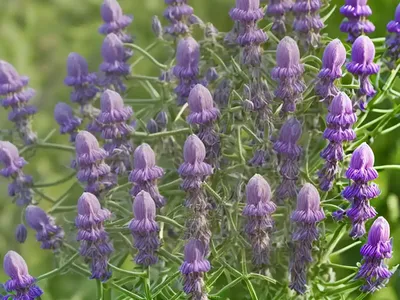
Horseshoe Vetch (Hippocrepis Comosa)
Plants play a critical role in our environment, providing oxygen, food, and habitats for various organisms. Understanding their characteristics, habitats.
Introduction
Plants play a critical role in our environment, providing oxygen, food, and habitats for various organisms. Understanding their characteristics, habitats, and benefits can help us appreciate and utilize them to their fullest potential. In this article, we will delve into the world of the Horseshoe Vetch (Hippocrepis comosa), exploring its description, uses, cultivation, folklore, and much more.
What is Horseshoe Vetch (Hippocrepis comosa)?
Hippocrepis comosa, commonly known as Horseshoe Vetch, is a flowering perennial plant belonging to the Fabaceae family. This plant is native to Europe and can be found in various habitats, including grasslands, heaths, and open woodlands. It is characterized by its distinctive horseshoe-shaped seedpods and vibrant yellow flowers, making it an attractive addition to natural landscapes and gardens.
Horseshoe Vetch Description
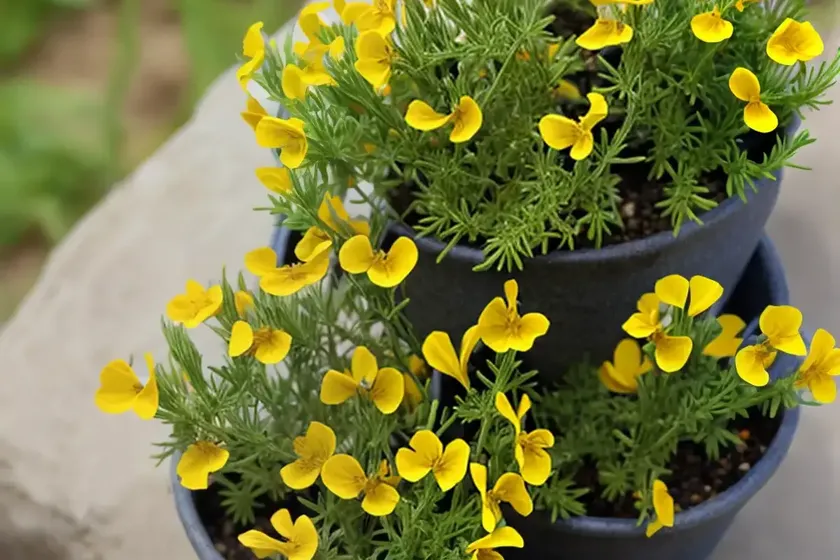
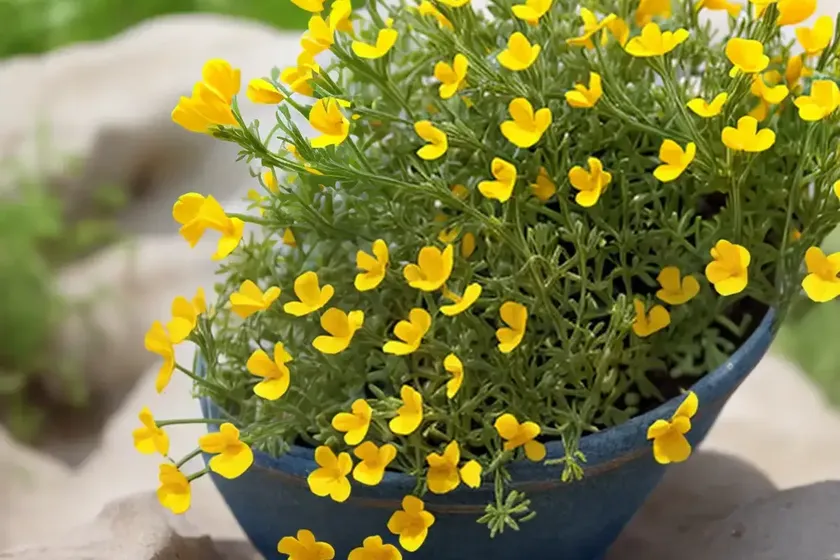
Horseshoe Vetch is a low-growing, clump-forming plant with pinnate leaves and clusters of bright yellow, pea-like flowers. Its unique seedpods, resembling horseshoes, give the plant its common name. It typically reaches a height of 20-40cm and blooms from late spring to early summer, adding a splash of color to its surroundings.
Hippocrepis comosa Facts
- Family: Fabaceae
- Common Name: Horseshoe Vetch
- Native Range: Europe
- Height: 20-40cm
- Flower Color: Bright yellow
- Blooming Season: Late spring to early summer
Key Takeaways – Horseshoe Vetch (Hippocrepis comosa)
Before delving into the various aspects of Horseshoe Vetch, let’s highlight the key takeaways of this remarkable plant.
– Characteristics: Low-growing, clump-forming plant with distinctive horseshoe-shaped seedpods and vibrant yellow flowers.
– Habitat: Indigenous to Europe and commonly found in grasslands, heaths, and open woodlands.
– Uses: Valued for its ornamental appeal in landscaping and its ecological benefits for wildlife and pollinators.
– Cultivation: Adaptable to different growing conditions, making it suitable for various garden settings.
– Conservation: Although not currently listed as endangered, conservation efforts are essential to preserve its natural habitats and biodiversity.
Now, let’s explore each of these key takeaways in detail.
Culture
Understanding the cultural significance of Horseshoe Vetch can provide insights into its historical uses and symbolic meaning in different societies. From traditional folklore to ethnobotanical practices, this section will shed light on the rich cultural connections associated with this plant.
Hippocrepis comosa Habitat
Horseshoe Vetch is native to Europe, where it thrives in diverse habitats, including grasslands, heaths, and open woodlands. Its adaptability to different soil types and moisture levels allows it to establish a presence in varied ecosystems, contributing to the overall biodiversity of these regions.
Horseshoe Vetch Uses
Landscaping
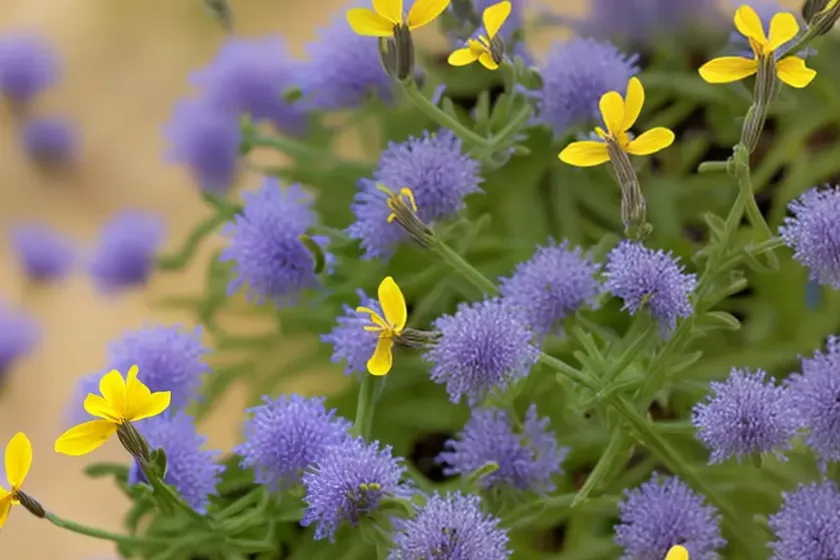
One of the primary uses of Horseshoe Vetch is its ornamental value in landscaping. The bright yellow flowers and unique seedpods make it an attractive addition to gardens, naturalistic plantings, and wildflower meadows. When planted in groups, it can create stunning visual displays, particularly when combined with other native wildflowers and grasses.
Hippocrepis comosa Cultivation
The cultivation of Horseshoe Vetch is not only beneficial for enhancing the aesthetic appeal of landscapes but also contributes to the conservation of native plant species and the promotion of biodiversity. By incorporating Horseshoe Vetch into garden designs and restoration projects, individuals and organizations can support the preservation of native flora and the ecological balance of natural habitats.
Horseshoe Vetch Benefits
- Ecological Impact: Horseshoe Vetch provides nectar and pollen for bees and other pollinators, supporting their populations and contributing to the overall health of ecosystems.
- Wildlife Habitat: Its low-growing nature and nectar-rich flowers make it an attractive food source and habitat for various insects, including butterflies and moths.
Hippocrepis comosa Medicinal Properties
While Horseshoe Vetch is primarily valued for its ornamental and ecological benefits, some traditional medicinal uses have been associated with this plant. In certain folk medicine practices, parts of the plant have been used to address specific ailments, reflecting the deep cultural connections between humans and the natural world.
Growing Conditions
To cultivate Horseshoe Vetch successfully, it is crucial to provide the right environmental conditions to support its growth and development. This section will cover the essential factors to consider, including water, sunlight, soil, and maintenance practices.
Water
Horseshoe Vetch thrives in well-drained soils and is relatively drought-tolerant once established. While it is important to ensure adequate moisture during the establishment phase, excessive waterlogging can be detrimental to the plant’s health. For container-grown specimens, regular watering is essential to prevent the soil from drying out completely.
Sunlight
As a sun-loving plant, Horseshoe Vetch flourishes in full sunlight to partial shade. When grown in locations with ample sunlight, it can produce an abundance of vibrant flowers, enhancing its visual impact and ecological value. However, it is also adaptable to partial shade, making it suitable for a range of garden settings.
Soil
Horseshoe Vetch prefers well-drained, moderately fertile soils with a neutral to slightly alkaline pH. It can thrive in various soil types, including sandy, loamy, or chalky soils, as long as they offer good drainage. When cultivating Horseshoe Vetch in containers, using a well-draining potting mix can promote healthy growth and flowering.
Pruning
One of the maintenance aspects to consider when growing Horseshoe Vetch is pruning. While this plant generally requires minimal pruning, removing spent flowers after the blooming period can encourage additional blooms and tidy up the appearance of the plant. Additionally, cutting back any dead or damaged foliage can promote overall plant health.
Propagation
Understanding the methods of propagating Horseshoe Vetch is essential for those interested in expanding its presence in gardens and natural landscapes. This section will explore different propagation techniques, including seed sowing and division, to help individuals and conservation organizations propagate this species effectively.
Seed Sowing
Horseshoe Vetch can be propagated from seeds, making it relatively accessible for gardeners and conservation practitioners. To propagate Horseshoe Vetch from seeds, it is essential to collect mature seedpods from established plants and sow them in well-prepared seedbeds or containers. Providing the right environmental conditions, including moisture and sunlight, can support successful germination and seedling establishment.
Division
In addition to seed propagation, Horseshoe Vetch can be propagated through division, particularly for established clumps of the plant. By carefully dividing the root mass and replanting the separated segments in suitable locations, individuals can multiply the presence of Horseshoe Vetch in gardens and natural habitats, contributing to its conservation and ecological benefits.
Container Popularity
Horseshoe Vetch is well-suited for cultivation in containers, making it a popular choice for individuals with limited garden space or those looking to create vibrant displays on patios, balconies, or rooftop gardens. Its adaptability to container culture and its ornamental value contribute to its popularity among gardeners and landscaping enthusiasts.
Container Common Diseases
While Horseshoe Vetch is relatively resistant to diseases, certain environmental stressors or poor growing conditions can make it susceptible to issues such as root rot or fungal infections. Maintaining proper soil drainage, watering practices, and overall plant health can minimize the risk of common diseases in container-grown specimens.
Disease Diagnosis
When observing signs of disease, such as wilting foliage or unusual discoloration, it is essential to diagnose the specific issue affecting the plant. Seeking guidance from plant pathologists or horticultural experts can help identify the underlying causes and implement appropriate measures to address the disease and prevent its spread to other plants.
Common Pests
While Horseshoe Vetch is relatively resistant to pests, certain insects may occasionally pose a threat to the plant’s health and vigor. Understanding the common pests that may affect Horseshoe Vetch and implementing preventive strategies can help maintain the plant’s resilience and overall growth.
Botanist’s Tips
- Soil Enrichment: Incorporating organic matter, such as compost or well-rotted manure, can enhance soil fertility and support healthy growth.
- Companion Planting: Pairing Horseshoe Vetch with other native wildflowers and grasses can create dynamic plant communities and provide additional ecological benefits.
- Seasonal Care: Monitoring the plant’s needs throughout the seasons and adjusting watering and maintenance practices accordingly can support its long-term health and vitality.
Fun Facts
- The name “Hippocrepis” is derived from the Greek words “hippos” (horse) and “krepis” (shoe), referring to the horseshoe-like appearance of the seedpods.
- Horseshoe Vetch has historically been used as a forage plant for grazing livestock, highlighting its value in agricultural and pastoral landscapes.
Links to External Resources
To further explore the world of Horseshoe Vetch and expand your knowledge on its cultivation, ecological role, and cultural significance, consider visiting the following external resources:
1. The Wildlife Trusts – Horseshoe Vetch
2. Royal Horticultural Society – Hippocrepis comosa
3. European Environment Agency – Horseshoe Vetch Conservation
4. Botanical Society of Britain & Ireland – Horseshoe Vetch Distribution Map
Conclusion
Horseshoe Vetch (Hippocrepis comosa) is a remarkable plant with diverse uses, cultural significance, and ecological benefits. Its vibrant flowers, adaptability to diverse growing conditions, and support for wildlife make it a valuable addition to natural landscapes and gardens. By understanding its characteristics, cultivation, and conservation, individuals and organizations can contribute to the preservation of this species and its vital role in supporting biodiversity and ecological balance. Whether used for ornamental purposes, wildlife habitat restoration, or cultural symbolism, Horseshoe Vetch remains a fascinating and beneficial plant worth exploring and appreciating.
With its medicinal properties, landscaping uses, and adaptations to various environments, Horseshoe Vetch stands as a testament to the resilience and beauty of nature, offering valuable insights into the intricate connections between plants and the world around us.
By delving into the world of Horseshoe Vetch, we gain a deeper appreciation for the natural wonders that enrich our lives and our planet.
References:
1. “Hippocrepis comosa (L.) Lassen – Horseshoe Vetch.” The Wildlife Trusts. https://www.wildlifetrusts.org/wildlife-explorer/wildflowers/horseshoe-vetch
2. “Hippocrepis comosa.” Royal Horticultural Society. https://www.rhs.org.uk/plants/13229/i-hippocrepis-comosa-i/details
3. “Species distribution – Hippocrepis comosa.” European Environment Agency. https://www.eea.europa.eu/data-and-maps/indicators/species-habitats-directive-species-distribution-5/assessment
4. “Hippocrepis comosa – Horseshoe Vetch.” Botanical Society of Britain & Ireland. https://www.bsbi.org/maps?taxonid=2cd81ln.5