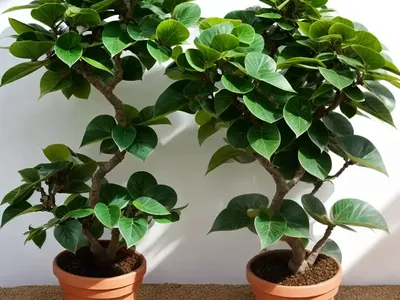
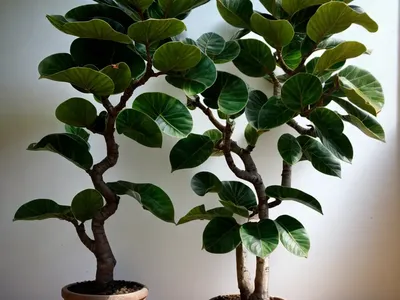
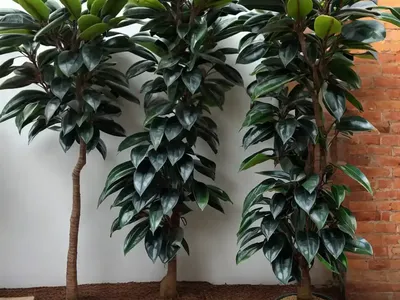
Highland Breadfruit (Ficus Dammaropsis)
Plants play a crucial role in our lives, providing us with food, oxygen, and a connection to nature. Among the vast array of plant species, there exists a.
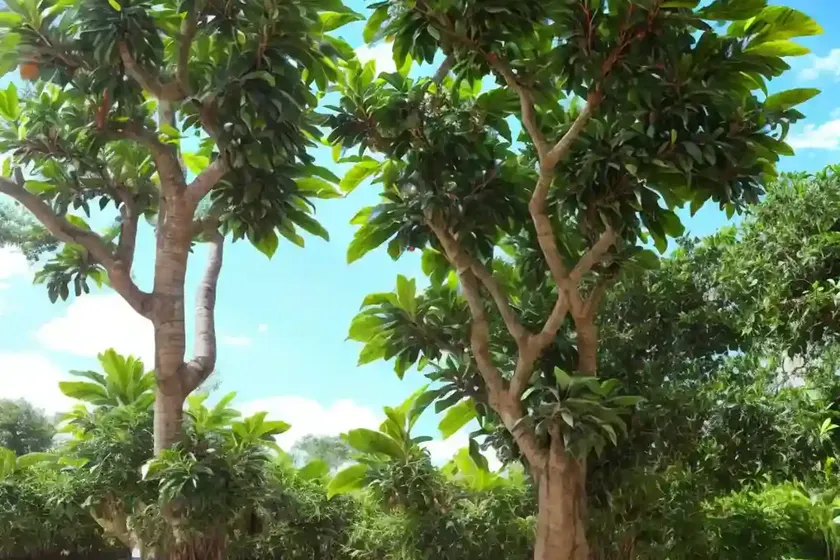

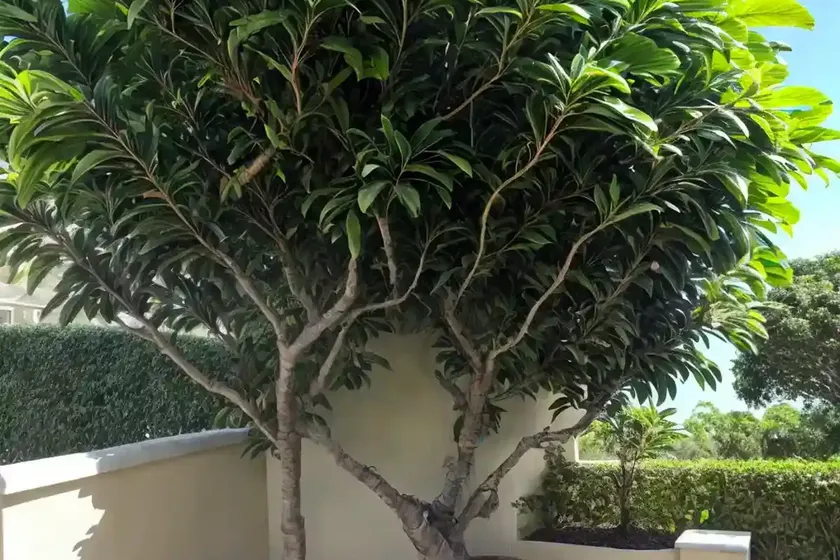
Plants play a crucial role in our lives, providing us with food, oxygen, and a connection to nature. Among the vast array of plant species, there exists a particularly intriguing specimen, the Highland Breadfruit (Ficus Dammaropsis). This unique plant has captured the attention of botanists, horticulturists, and enthusiasts alike due to its distinctive characteristics and versatile uses.
In this comprehensive guide, we will delve into the world of Highland Breadfruit, exploring its cultural significance, cultivation techniques, uses, and much more. Join me as we unravel the captivating story of this exceptional plant.
What is Plant: Highland Breadfruit (Ficus Dammaropsis)
Highland Breadfruit, scientifically known as Ficus Dammaropsis, is a species of flowering tree belonging to the Moraceae family. This remarkable plant is native to the highland regions of Papua New Guinea, where it thrives in the cool, mountainous environments. The tree’s botanical name, “Ficus Dammaropsis,” stems from its close association with the Ficus genus and its characteristic dammar-like sap.
Highland Breadfruit (Ficus Dammaropsis) Overview
Common Name: Highland Breadfruit, Kapiak Tree, Papua New Guinea Breadfruit
Scientific Name: Ficus Dammaropsis
Family: Moraceae
Origin: Highland regions of Papua New Guinea
Type: Evergreen flowering tree
Average Height: 8-12 meters (26-39 feet)
Foliage: Glossy, dark green leaves with a distinct oval shape
Fruit: Round, greenish-yellow, edible fruits with a starchy texture
Highland Breadfruit, often referred to as the “Kapiak Tree” in Papua New Guinea, holds significant cultural and economic value for the local communities. The tree’s large, nutritious fruits and its adaptability to high-altitude terrains make it a vital resource for sustenance and livelihood in the region.
Key Takeaways – Highland Breadfruit (Ficus Dammaropsis)
Culture
The cultural significance of Highland Breadfruit extends beyond its botanical attributes. It holds a revered position in the traditional practices and livelihoods of the indigenous communities in the highlands of Papua New Guinea. The tree is deeply intertwined with local customs, cuisines, and symbolic meanings, embodying a rich cultural heritage.
Uses
Highland Breadfruit offers a myriad of uses, ranging from its nutritious fruits serving as a staple food source to its potential medicinal properties. Additionally, the tree’s wood and sap hold practical value in local craftsmanship and traditional remedies.
Water
The water requirements of Highland Breadfruit must be carefully managed, especially during its initial establishment and periods of extreme dryness. Adequate watering practices are essential for promoting healthy growth and fruit development.
Sunlight
As an evergreen tree, Highland Breadfruit thrives in bright, dappled sunlight. However, it can also tolerate partial shade, making it adaptable to a range of light conditions.
Fertilizer
Proper fertilization is vital for supporting the growth and fruiting of Highland Breadfruit. Selecting a balanced fertilizer and applying it at the right time can significantly enhance the tree’s overall productivity.
Soil
The soil requirements of Highland Breadfruit encompass well-drained, fertile soils with a slightly acidic to neutral pH. By ensuring optimal soil conditions, the tree can establish strong root systems and achieve robust growth.
Pruning
Pruning plays a crucial role in shaping the form and maintaining the health of Highland Breadfruit trees. Regular pruning practices help manage their size, promote airflow, and remove diseased or damaged branches.
Propagation
Highland Breadfruit can be propagated through various methods, including seed propagation and vegetative techniques. Understanding the suitable propagation approaches is essential for expanding the cultivation of this valuable tree species.
Highland Breadfruit (Ficus Dammaropsis) Cultivation
Cultivating Highland Breadfruit is an endeavor that demands an understanding of the plant’s specific requirements and growth patterns. Whether you are a seasoned horticulturist or an enthusiastic gardener, mastering the art of nurturing this unique tree can be a rewarding experience. Let’s explore the essential aspects of Highland Breadfruit cultivation:
Water
Watering Guidelines for Highland Breadfruit
-
Young Trees: During the initial stages of growth, young Highland Breadfruit trees require regular watering to promote root establishment and vigor. Provide consistent moisture without waterlogging the soil.
-
Mature Trees: Once established, mature Highland Breadfruit trees benefit from periodic deep watering, especially during dry spells. Monitor soil moisture levels and adjust watering frequency accordingly.
Sunlight
Sunlight Requirements for Highland Breadfruit
-
Optimal Conditions: Highland Breadfruit thrives in locations with bright, indirect sunlight. Select a planting site that offers partial shade or dappled sunlight to ensure the tree’s well-being.
-
Adaptability: While the tree prefers adequate sunlight, it can tolerate partial shade, making it suitable for cultivation in various light conditions.
Fertilizer
Fertilization Practices for Highland Breadfruit
-
Balanced Fertilizer: Select a well-balanced fertilizer with a formulation suited for fruit-bearing trees. Apply the fertilizer during the growing season, following the manufacturer’s recommendations for dosage and frequency.
-
Nutrient Requirements: Highland Breadfruit trees benefit from fertilizers with a balanced NPK (Nitrogen, Phosphorus, Potassium) ratio, supplemented with micronutrients such as iron, zinc, and magnesium.
Soil
Ideal Soil Conditions for Highland Breadfruit
-
Drainage: Ensure that the soil provides adequate drainage to prevent waterlogging, which can adversely affect the tree’s root system.
-
Texture: Highland Breadfruit thrives in fertile, loamy soils with good moisture retention capabilities. Incorporating organic matter into the soil can enhance its structure and fertility.
-
pH Levels: Maintain slightly acidic to neutral pH levels in the soil, ranging between 6.0 to 7.0, to create an optimum growing environment for the tree.
Pruning
Pruning Practices for Highland Breadfruit Trees
-
Formative Pruning: Conduct formative pruning during the early years of the tree to shape its growth and promote a well-balanced canopy.
-
Maintenance Pruning: Regularly inspect and prune Highland Breadfruit trees to remove dead, diseased, or crossing branches. This practice aids in maintaining tree health and structure.
-
Fruit Thinning: When necessary, thin out excess fruits to prevent overcrowding, enhance fruit size, and minimize stress on branches.
Propagation
Highland Breadfruit Propagation Techniques
-
Seed Propagation: Harvest seeds from ripe fruits and sow them in suitable growing medium to initiate the germination process. Monitor seedlings’ growth and transplant them carefully to their permanent locations.
-
Vegetative Propagation: Explore vegetative propagation methods such as air layering or stem cuttings to propagate Highland Breadfruit trees. Select healthy parent plants and employ appropriate techniques to ensure successful propagation.
Popularity of Highland Breadfruit (Ficus Dammaropsis)
The unique attributes and versatile uses of Highland Breadfruit have contributed to its increasing popularity and recognition on a global scale. As the awareness of its nutritional benefits, cultural significance, and potential applications continues to grow, the demand for Highland Breadfruit as a sustainable and valuable plant species has surged. Its popularity can be observed in various domains:
Gardens and Landscaping
Highland Breadfruit has garnered attention as an appealing addition to gardens and landscapes, offering not only ornamental value but also practical benefits. Its lush foliage, intriguing fruits, and adaptability to diverse climate zones make it an attractive choice for horticultural enthusiasts and landscape designers seeking distinctive botanical elements.
Culinary Usage
Recognized for its starchy, nutritious fruits, Highland Breadfruit has become a sought-after ingredient in various culinary traditions. From savory dishes to delectable desserts, the versatile applications of Highland Breadfruit in cuisines have propelled its popularity as a desirable culinary resource.
Traditional Medicine
The potential medicinal properties of Highland Breadfruit have piqued the interest of researchers and herbal practitioners. Its traditional uses in indigenous medicine and the exploration of its bioactive compounds have contributed to the plant’s rising popularity in the realm of natural remedies and wellness.
Sustainable Agriculture
As a resilient, high-altitude tree with valuable agricultural attributes, Highland Breadfruit has garnered attention for its role in sustainable farming practices. Its capacity to thrive in challenging environments and provide substantial yields has positioned it as a promising asset in agroforestry and sustainable agriculture initiatives.
Environmental Conservation
Highland Breadfruit’s ecological significance and adaptability to diverse ecosystems have drawn attention from conservationists and environmental enthusiasts. Its potential for soil stabilization, biodiversity enhancement, and climate resilience underscores its relevance in conservation and restoration efforts.
Common Diseases of Highland Breadfruit
While Highland Breadfruit exhibits resilience to many environmental stressors, it may still be susceptible to certain diseases that can impact its growth and overall vitality. Understanding the common diseases that afflict this plant is essential for implementing effective preventive measures and management strategies.
Disease Diagnosis
Identification of Common Highland Breadfruit Diseases
-
Anthracnose (Colletotrichum gloeosporioides): This fungal disease can cause dark lesions on the tree’s fruits and foliage, leading to premature fruit drop and foliage defoliation.
-
Powdery Mildew (Oidium sp.): The presence of powdery, white fungal growth on the leaves and fruits indicates a powdery mildew infestation, which can impair photosynthesis and weaken the plant.
-
Leaf Spot (Cercospora sp.): Circular or angular brown spots on the leaves signal the onset of leaf spot disease, which can affect the tree’s overall vigor and foliage health.
-
Root Rot (Phytophthora sp.): Excessive soil moisture and poor drainage can contribute to root rot, causing wilting, yellowing of leaves, and eventual root decay.
Disease Management
Effective Control Measures for Highland Breadfruit Diseases
-
Cultural Practices: Implement proper planting, irrigation, and sanitation practices to minimize disease prevalence and create a favorable growing environment for the tree.
-
Fungicidal Treatments: Utilize approved fungicides to manage fungal diseases, following recommended application procedures and safety precautions.
-
Pruning and Removal: Promptly remove affected plant parts and maintain good airflow by judicious pruning to reduce disease pressure and limit pathogen spread.
-
Soil Drainage Improvement: Enhance soil drainage by amending the soil with organic matter and employing raised beds or mounds to mitigate root rot occurrences.
Common Pests Affecting Highland Breadfruit
In addition to diseases, Highland Breadfruit may also face challenges posed by various pests that can compromise the tree’s health and productivity. Identifying the common pests and understanding their impact is crucial for implementing suitable pest management measures.
Pest Identification
Common Pests Targeting Highland Breadfruit
-
Fruit Flies (Dacus sp.): These pests can infest the tree’s fruits, leading to damage and premature fruit drop.
-
Mealybugs (Pseudococcidae): Mealybug infestations can cause stunted growth, wilting, and distortion of the tree’s foliage, affecting its overall vigor.
-
Scale Insects (Coccidae): Scale insects can cluster on the tree’s twigs and branches, siphoning sap and weakening the plant over time.
-
Leaf-eating Caterpillars (Lepidoptera larvae): Caterpillars may consume the tree’s leaves, potentially defoliating the plant and reducing its capacity for photosynthesis.
Pest Control Strategies
Effective Pest Management for Highland Breadfruit Trees
-
Biological Control: Introduce natural predators or beneficial insects that target specific pests, providing a sustainable pest management approach.
-
Horticultural Oils: Apply horticultural oils to suffocate and disrupt the pests, minimizing their populations and impact on the tree.
-
Insecticidal Treatments: Utilize targeted insecticides to address severe pest infestations, ensuring safety and adherence to usage guidelines.
-
Pruning and Sanitation: Remove pest-infested plant parts and maintain a clean, orderly landscape to reduce pest habitat and reproduction opportunities.
Botanist’s Tips for Highland Breadfruit Care and Cultivation
As botanists and plant enthusiasts, we are driven by a passion for exploring and preserving the diverse botanical wonders that grace our planet. When it comes to Highland Breadfruit care and cultivation, incorporating the following expert tips can help ensure the success and prosperity of these remarkable trees:
1. Nutrient Management
- Conduct regular soil testing to assess the soil’s nutrient levels and pH, allowing you to tailor fertilization to the tree’s specific requirements.
2. Vigilant Monitoring
- Regularly inspect your Highland Breadfruit trees for signs of diseases, pests, or nutritional deficiencies, enabling timely interventions to safeguard their health.
3. Sustainable Practices
- Embrace sustainable and environmentally conscious horticultural practices, fostering a harmonious coexistence between Highland Breadfruit cultivation and the natural ecosystem.
4. Knowledge Sharing
- Share your insights and experiences with fellow botanists, horticulturists, and community members, contributing to a collective understanding of Highland Breadfruit and its cultivation.
5. Conservation Efforts
- Participate in conservation initiatives that aim to protect and preserve the genetic diversity of Highland Breadfruit, safeguarding its unique genetic traits for future generations.
Fun Facts about Highland Breadfruit (Ficus Dammaropsis)
Unraveling the intriguing facets of Highland Breadfruit brings to light a multitude of captivating and unexpected facts. From its cultural significance to its ecological contributions, the following fun facts encapsulate the allure and relevance of this extraordinary plant:
-
Cultural Emblem: In Papua New Guinea, Highland Breadfruit holds symbolic significance, representing abundance, resilience, and communal nourishment within local cultures.
-
Versatile Culinary Ingredient: Highland Breadfruit’s starchy fruits can be utilized in an array of culinary creations, ranging from breads and pastries to savory dishes and beverages.
-
Ecosystem Contributor: As an evergreen species with robust root systems, Highland Breadfruit plays a role in soil stabilization, erosion control, and ecosystem resilience in its native habitats.
-
Botanical Heritage: Highland Breadfruit embodies a rich botanical heritage, manifesting in its genetic diversity, adaptive traits, and historical cultivation by indigenous communities.
-
Nourishing Resource: The nutritious fruits of Highland Breadfruit offer essential dietary components, featuring carbohydrates, dietary fiber, and vital minerals for human nutrition.
These fun facts provide a glimpse into the multifaceted nature of Highland Breadfruit, showcasing its relevance in cultural, culinary, and ecological contexts.
Links to External Resources
For those seeking further information and resources on Highland Breadfruit (Ficus Dammaropsis), the following external links offer valuable insights, research findings, and practical guidance:
-
International Society for Horticultural Science (ISHS) – Explore the ISHS platform for scholarly articles, research papers, and expertise on tropical tree species, including Ficus Dammaropsis.
-
Papua New Guinea Forest Research Institute (PNGFRI) – Access valuable reports and publications on the native flora of Papua New Guinea, including the endemic species Ficus Dammaropsis.
-
Food and Agriculture Organization of the United Nations (FAO) – Delve into FAO’s publications and resources concerning agroforestry, sustainable agriculture, and the cultural significance of traditional food crops such as Highland Breadfruit.
-
Botanical Gardens and Arboreta – Connect with botanical gardens and arboreta that specialize in tropical and subtropical plant collections, possibly featuring exhibits and cultivation practices related to Ficus Dammaropsis.
-
Indigenous Knowledge and Biodiversity Conservation – Explore initiatives and repositories dedicated to indigenous knowledge and biodiversity conservation, shedding light on the cultural and ecological importance of Highland Breadfruit and related species.
By delving into these external resources, enthusiasts and professionals can expand their knowledge, appreciation, and stewardship of Highland Breadfruit and its diverse attributes.
In conclusion, the captivating allure of Highland Breadfruit (Ficus Dammaropsis) transcends its botanical identity, encompassing cultural, culinary, and ecological dimensions. As we continue to explore and celebrate the diversity of plant life, Highland Breadfruit stands as a testament to the intricate interplay between humans and nature, offering sustenance, inspiration, and invaluable contributions to the world of plants.
The intricate care of cultivating this unique species offers numerous benefits, yet it also comes with various challenges related to its environment and health. Whether through the sheer cultural significance, its amazing contribution to the culinary world, or its ecological adaptability, Highland Breadfruit (Ficus Dammaropsis) truly stands apart in the botanical realm. As we further explore its cultivation and continue to appreciate its rich heritage, the intricate plant weaves a tapestry connecting us with the wonders of the natural world.