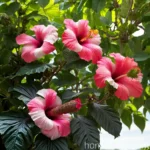
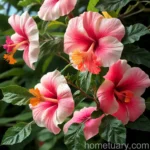
Hibiscus syriacus ‘Diana’ (Rose of Sharon): A Complete Guide for Plant Lovers
Hibiscus syriacus ‘Diana’, commonly known as Rose of Sharon, is a beautiful and versatile flowering shrub that has been a favorite among gardeners for centuries. Its striking flowers, ease of care, and adaptability to various growing conditions make it a popular choice for landscapes and gardens. In this comprehensive guide, we will delve into the fascinating world of Hibiscus syriacus ‘Diana’, exploring its cultural significance, uses, cultivation requirements, common diseases and pests, as well as helpful tips for ensuring its health and vitality.
What is Hibiscus syriacus ‘Diana’ (Rose of Sharon)?
Hibiscus syriacus ‘Diana’ is a cultivar of Hibiscus syriacus, a species of flowering plant in the mallow family, Malvaceae. This deciduous shrub is native to eastern Asia, including China and India, and is known for its showy, trumpet-shaped flowers that bloom in an array of colors, ranging from white and pink to purple and blue. With its lush foliage and prolific blooming habit, Hibiscus syriacus ‘Diana’ adds a touch of elegance and charm to any landscape.
Cultural Significance and Uses
Throughout history, the Rose of Sharon has held cultural significance in various regions around the world. In Korea, it is revered as the national flower, symbolizing immortality and enduring love. In the United States, it has become a beloved ornamental plant, gracing gardens, parks, and urban landscapes with its captivating blooms.
The uses of Hibiscus syriacus ‘Diana’ are diverse, with its versatile nature making it suitable for various landscaping and gardening purposes, including:
-
Ornamental Landscaping: Its stunning flowers and upright growth habit make it an ideal choice for hedges, borders, and standalone ornamental plantings.
-
Wildlife Habitat: The nectar-rich flowers of Hibiscus syriacus ‘Diana’ attract pollinators such as bees, butterflies, and hummingbirds, contributing to the biodiversity of garden ecosystems.
-
Privacy Screening: When planted in multiples, Rose of Sharon shrubs can create a natural barrier, offering privacy and seclusion within outdoor spaces.
-
Decorative Cut Flowers: The long-lasting blooms of Hibiscus syriacus ‘Diana’ make it a popular choice for use in floral arrangements, adding a touch of natural beauty to indoor spaces.
Cultivation Requirements
Successful cultivation of Hibiscus syriacus ‘Diana’ relies on providing the optimal growing conditions to support its health and vigor. From watering and sunlight to soil composition and pruning, each aspect of care plays a crucial role in ensuring the plant’s well-being. Let’s explore the key cultivation requirements for growing and maintaining Rose of Sharon:
Water
Proper watering is essential for the health and vitality of Hibiscus syriacus ‘Diana’. While established plants exhibit good drought tolerance, consistent moisture is crucial, especially during the flowering season and hot, dry periods. Adequate watering helps promote robust growth and abundant flowering. Here are some guidelines for watering Rose of Sharon:
-
Young Plants: Newly planted Rose of Sharon shrubs should receive regular watering to establish a strong root system. Water deeply to saturate the root ball and surrounding soil, ensuring that excess water drains away.
-
Established Plants: Once mature, Rose of Sharon shrubs generally tolerate dry conditions, but they benefit from regular watering, particularly during prolonged periods of drought. Aim to provide 1-2 inches of water per week, either through rainfall or supplemental irrigation.
-
Watering Considerations: Mulching around the base of the plant helps retain soil moisture and reduces water evaporation. Ensure that the soil is well-draining to prevent waterlogging, which can lead to root rot and other water-related issues.
Sunlight
Hibiscus syriacus ‘Diana’ thrives in full sun to partial shade, making it adaptable to a wide range of light conditions. To ensure optimal growth and flowering, consider the following sunlight requirements for Rose of Sharon:
-
Full Sun: Plant Rose of Sharon in a location that receives at least 6-8 hours of direct sunlight per day. Ample sunlight promotes vigorous growth and profuse flowering, enhancing the plant’s overall aesthetic appeal.
-
Partial Shade: While Rose of Sharon prefers full sun, it can tolerate partial shade, particularly in hot climates or during the intense afternoon sun. Partial shade can help prevent heat stress and sunburn on the foliage.
-
Sunlight Considerations: In regions with scorching summers, providing some afternoon shade can protect Rose of Sharon from excessive heat and maintain its health and vigor.
Fertilizer
Proper fertilization is essential for promoting healthy growth and abundant flowering in Hibiscus syriacus ‘Diana’. A balanced fertilizer schedule helps supply essential nutrients, improving the plant’s overall resilience and vitality. Consider the following guidelines for fertilizing Rose of Sharon:
-
Timing: Apply a balanced, slow-release fertilizer in early spring, just before the growing season begins. Follow up with supplemental feedings every 4-6 weeks during the active growing months, typically until mid-summer.
-
Fertilizer Type: Choose a fertilizer specifically formulated for flowering shrubs or use a general-purpose fertilizer with a balanced NPK ratio, such as 10-10-10. The balanced formulation ensures that the plant receives adequate amounts of nitrogen, phosphorus, and potassium, supporting overall health and flower production.
-
Application Method: Spread the fertilizer evenly around the base of the plant, following the manufacturer’s recommended application rates. Water the area thoroughly after application to help the nutrients penetrate the soil and reach the plant’s root zone.
-
Avoid Overfeeding: Over-fertilization can lead to excessive foliage growth at the expense of flowering, so it’s important to follow recommended dosage guidelines and avoid applying high-nitrogen fertilizers in excess.
Soil
The soil composition plays a crucial role in the health and performance of Hibiscus syriacus ‘Diana’. Well-draining, nutrient-rich soil provides a supportive growing environment, allowing the plant to thrive and produce an abundance of blooms. Consider the following soil requirements for Rose of Sharon:
-
Well-Draining Soil: Ensure that the planting site has well-draining soil to prevent waterlogging, which can lead to root rot and other moisture-related issues. Amending the soil with organic matter, such as compost or aged manure, can improve drainage and fertility.
-
pH Level: Rose of Sharon thrives in slightly acidic to neutral soil with a pH range of 6.0 to 7.0. Conduct a soil test to determine the pH of the planting area and make necessary adjustments by incorporating soil amendments if needed.
-
Soil Texture: A loamy soil texture, comprising a balanced mix of sand, silt, and clay, provides an ideal growing medium for Rose of Sharon. This type of soil promotes healthy root development and supports nutrient uptake.
-
Container Considerations: When growing Rose of Sharon in containers, choose a high-quality potting mix formulated for shrubs and ornamental plants. Ensure that the containers have adequate drainage holes to prevent waterlogging.
Pruning
Pruning plays a vital role in shaping the growth habit of Hibiscus syriacus ‘Diana’, promoting flowering, and maintaining overall plant health. Proper pruning practices help eliminate dead or weak branches, encourage new growth, and enhance the plant’s aesthetic appeal. Here are some key considerations for pruning Rose of Sharon:
-
Timing: Prune Rose of Sharon in late winter or early spring while the plant is still dormant. This timing allows for ample regrowth and flowering during the growing season.
-
Pruning Objectives: Remove dead, damaged, or diseased branches to promote overall plant health. Additionally, selectively prune to shape the shrub, encourage a more compact form, and stimulate robust flowering.
-
Pruning Techniques: Use sharp, clean pruning shears to make precise cuts, ensuring that the pruning wounds heal quickly and effectively. Remove any crossed or crowded branches to improve air circulation and light penetration.
-
Deadheading: Deadhead the spent flowers throughout the blooming season to encourage continuous flowering and prevent the formation of seeds. This practice redirects the plant’s energy into producing new blooms.
Propagation
Propagation allows you to multiply your Hibiscus syriacus ‘Diana’ collection and share the beauty of this exquisite shrub with others. Several methods can be utilized for propagating Rose of Sharon, including stem cuttings, layering, and division. Here’s a brief overview of the propagation techniques commonly used for Rose of Sharon:
-
Stem Cuttings: Collect semi-hardwood cuttings in late summer or early autumn, selecting healthy, disease-free stems to propagate. Dip the cut ends in rooting hormone and plant them in well-draining potting mix. Provide consistent moisture and indirect light until roots develop.
-
Layering: Encourage the development of new roots on a low-hanging branch by gently bending it towards the ground and covering a section with soil. Once roots form, detach the rooted portion from the parent plant and transplant it into a suitable location.
-
Division: Divide mature Rose of Sharon plants in early spring before the onset of new growth. Carefully separate the root ball into sections, ensuring that each division has a healthy balance of roots and shoots. Replant the divisions in prepared soil and provide adequate care to support establishment.
Container Cultivation
For gardeners with limited outdoor space or those seeking to showcase Hibiscus syriacus ‘Diana’ as a versatile container plant, growing it in pots offers a convenient and attractive option. Consider the following tips for successful container cultivation of Rose of Sharon:
-
Container Selection: Choose a large, sturdy container with ample drainage holes to accommodate the robust growth of Rose of Sharon. Select a container that is 2-3 times larger than the plant’s current root ball to allow for unrestricted root development.
-
Potting Mix: Utilize a well-draining, high-quality potting mix formulated for shrubs and flowering plants. The potting mix should provide adequate aeration and moisture retention to support healthy root growth.
-
Watering and Fertilization: Container-grown Rose of Sharon may require more frequent watering than plants in the ground, as containers can dry out more swiftly. Implement a regular watering schedule and apply a balanced, slow-release fertilizer to support the plant’s nutritional needs.
-
Sunlight: Position the container in a location that receives ample sunlight, ideally 6-8 hours of direct sun per day. Rotate the container periodically to ensure even exposure to sunlight and promote balanced growth.
-
Winter Protection: In regions with harsh winters, consider providing winter protection for container-grown Rose of Sharon by moving the containers to a sheltered location or insulating them with mulch or protective coverings.
Popularity and Varieties
Hibiscus syriacus ‘Diana’ and other cultivars of Rose of Sharon have captivated the hearts of gardeners and plant enthusiasts worldwide, contributing to their enduring popularity in horticultural landscapes. The versatile nature of Rose of Sharon, coupled with its adaptability to diverse growing conditions, has led to the development of numerous varieties, each offering unique characteristics and visual appeal. Some popular varieties of Hibiscus syriacus include:
-
Blushing Bride: This variety features large, ruffled white flowers with a prominent red eye at the center, creating a striking contrast against the dark green foliage.
-
Blue Chiffon: Known for its delicate, double blue-violet flowers, this variety exhibits an elegant, weeping growth habit and an abundance of long-lasting blooms.
-
Aphrodite: With rich, deep pink flowers accented by a prominent red eye, the Aphrodite variety is a showstopper, attracting attention with its vibrant blooms and lush foliage.
-
Minerva: Exhibiting striking lavender-pink flowers and a compact growth habit, the Minerva variety is a favorite for smaller gardens and container plantings.
-
Helene: Displaying pristine white double flowers, the Helene variety imparts a sense of purity and grace to garden landscapes, making it a timeless choice for various applications.
-
Woodbridge: Featuring large, single pink flowers with deep red centers, the Woodbridge variety is celebrated for its vigorous growth and prolific blooming habit.
Common Diseases and Pest Management
Like all plants, Hibiscus syriacus ‘Diana’ is susceptible to certain diseases and pest infestations that can impact its health and vitality. Recognizing the signs of common diseases and pests, along with implementing effective management strategies, is essential for safeguarding the well-being of Rose of Sharon. Let’s explore some common diseases and pests that affect Hibiscus syriacus ‘Diana’ and how to address them:
Common Diseases
-
Powdery Mildew: Powdery mildew is a fungal disease that manifests as a powdery, white coating on the leaves, stems, and buds of Rose of Sharon. It thrives in humid environments and can weaken the plant if left unchecked.
-
Management: To manage powdery mildew, improve air circulation around the plant by pruning to open up the canopy. Apply fungicidal sprays or solutions specifically formulated for powdery mildew control as a preventive measure.
-
Cercospora Leaf Spot: Cercospora leaf spot presents as circular, dark brown spots with a defined border on the foliage of Rose of Sharon. The disease can cause defoliation and weaken the plant over time.
-
Management: Remove and destroy affected leaves to prevent the spread of the disease. Apply fungicidal treatments to protect healthy foliage and reduce the severity of the infection.
-
Root Rot: Excessive soil moisture and poor drainage can lead to root rot, a fungal condition that causes the plant’s roots to decay, leading to wilting, yellowing foliage, and overall decline.
-
Management: Ensure proper soil drainage by amending the planting area with organic matter to improve water infiltration and reduce the risk of waterlogged conditions. Avoid overwatering the plant and correct any underlying drainage issues.
Disease Diagnosis
Diagnosing diseases affecting Hibiscus syriacus ‘Diana’ involves careful observation of the plant’s symptoms and signs of distress. When identifying potential diseases, consider the following diagnostic factors:
-
Symptoms: Look for characteristic symptoms such as leaf spots, powdery coatings, wilting, discoloration, or abnormal growth patterns on the foliage, stems, and flowers of the plant.
-
Signs: Examine the plant for visible signs of fungal growth, lesions, or pathogen activity, such as spores, fungal fruiting bodies, or structural abnormalities associated with disease development.
-
Environmental Factors: Consider environmental conditions, including temperature, humidity, soil moisture, and sunlight exposure, that may contribute to disease development and progression.
-
Expert Consultation: For accurate disease diagnosis and targeted management strategies, consult with local horticultural experts, extension services, or plant pathologists who can provide tailored recommendations based on the specific disease symptoms observed.
Common Pests
-
Aphids: These small, soft-bodied insects feed on the sap of the plant, causing distorted growth, yellowing leaves, and the secretion of sticky honeydew. Aphids reproduce rapidly and can quickly infest Rose of Sharon shrubs.
-
Management: Control aphid populations by using insecticidal soap or horticultural oil sprays to suffocate and deter the pests. Encourage natural predators such as ladybugs and lacewings to help manage aphid populations.
-
Japanese Beetles: Adult Japanese beetles feed on the foliage, flowers, and fruits of Rose of Sharon, causing extensive damage and defoliation. Their presence can diminish the aesthetic value of the plant.
-
Management: Handpick adult beetles from the plant and immerse them in a solution of soapy water to control their populations. Apply organic or chemical insecticides to protect the plant from further damage.
-
Spider Mites: Spider mites are tiny arachnids that feed on the undersides of leaves, causing stippling, discoloration, and webbing. Heavy infestations can weaken the plant and diminish its overall health.
-
Management: Hose down the plant with a strong stream of water to dislodge and reduce spider mite populations. Apply neem oil or insecticidal soaps to suppress the pests and prevent their spread.
Botanist’s Tips
Meticulous care and attention to detail are essential for nurturing a thriving and vibrant Hibiscus syriacus ‘Diana’ shrub. Embrace the following botanist’s tips to elevate your gardening experience and ensure the well-being of Rose of Sharon:
-
Mulching: Apply a layer of organic mulch around the base of the plant to conserve soil moisture, suppress weed growth, and insulate the root zone from temperature fluctuations. Use organic mulch materials such as shredded bark, wood chips, or compost.
-
Seasonal Maintenance: Schedule regular inspections of the plant for signs of disease, pest infestations, and nutrient deficiencies. Implement seasonal maintenance practices, such as pruning, fertilizing, and soil amendment, to support the plant’s changing needs throughout the year.
-
Companion Planting: Select companion plants that complement the growth habit and aesthetic appeal of Rose of Sharon. Consider pairing it with other flowering shrubs, ornamental grasses, or perennial flowers to create visually appealing and ecologically diverse garden spaces.
-
Wildlife Habitats: Embrace the role of Rose of Sharon as a wildlife-friendly plant by creating garden habitats that attract beneficial pollinators and wildlife. Integrate native plant species and natural elements to foster a biodiverse and sustainable environment.
-
Educational Resources: Engage in continuous learning and exploration of horticulture, botanical sciences, and ecological principles to deepen your understanding of plant care and ecological interactions within garden ecosystems.
Fun Facts
Uncover the intriguing world of Hibiscus syriacus ‘Diana’ with the following fun facts, shedding light on the unique characteristics and historical significance of this enchanting shrub:
-
Cultural Symbolism: In Korean culture, Hibiscus syriacus, known as Mugunghwa, holds deep cultural significance and is considered the national flower of South Korea. It symbolizes the resilience, immortality, and enduring spirit of the Korean people.
-
Taxonomic Identity: The genus name Hibiscus is derived from the Greek word “hibiskos,” referring to the marsh mallow plant, while the specific epithet syriacus alludes to the presumed origin of the plant from Syria, although it is native to a broader region in eastern Asia.
-
Historical Roots: The name “Rose of Sharon” is derived from the biblical reference to a flowering plant in the Song of Solomon, interpreted to signify beauty, grace, and fragrant allure. The symbolic association has contributed to the enduring appeal of Hibiscus syriacus.
-
Medicinal Uses: In traditional herbal medicine, various parts of Hibiscus syriacus, including the flowers and leaves, have been utilized to prepare herbal teas, tinctures, and infusions with purported health benefits, such as respiratory support and relaxation.
-
Cultural Diversity: Hibiscus syriacus ‘Diana’ and its diverse cultivars have captured the attention of gardeners and plant enthusiasts across the globe, transcending geographical boundaries and contributing to the richness of botanical diversity within horticultural landscapes.
Links to External Resources
Explore the wealth of knowledge surrounding Hibiscus syriacus ‘Diana’ and its cultivation by accessing authoritative resources and