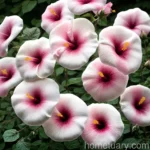
Hibiscus ‘Lady Baltimore’ (Rose Mallow) – A Complete Guide
Hibiscus ‘Lady Baltimore’ is a stunning perennial plant that belongs to the mallow family, Malvaceae. Renowned for its large, showy flowers and lush green foliage, this plant is a popular choice amongst gardeners and landscaping enthusiasts. In this comprehensive guide, we will delve into the various aspects of Hibiscus ‘Lady Baltimore’ care, its growth habits, uses, and much more.
What is Hibiscus ‘Lady Baltimore’ (Rose Mallow)?
Hibiscus ‘Lady Baltimore’, commonly known as Rose Mallow, is a cultivar of Hibiscus moscheutos, a native plant to wetlands and marshy areas in the eastern United States. This herbaceous perennial is characterized by its towering stature, attractive foliage, and magnificent flowers, making it a favorite in gardens and landscapes.
Key Takeaways – Hibiscus ‘Lady Baltimore’ (Rose Mallow)
Before we delve into the specifics of caring for Hibiscus ‘Lady Baltimore’, let’s briefly outline some key takeaways about this beautiful plant.
- Common Name: Hibiscus ‘Lady Baltimore’, Rose Mallow
- Botanical Name: Hibiscus moscheutos ‘Lady Baltimore’
- Plant Type: Herbaceous perennial
- Growth Habit: Upright, clump-forming
- Mature Height: 4-7 feet
- Mature Spread: 3-4 feet
- Flower Color: Pink, rose, or white
- Bloom Time: Midsummer to early fall
- Sunlight: Full sun to partial shade
- Watering: Consistently moist soil
- Soil Type: Well-draining, fertile
- Hardiness Zones: 5-9
- Uses: Borders, water gardens, containers
- Diseases: Susceptible to leaf spot, rust
- Pests: Japanese beetles, aphids
The above overview provides a glimpse into the characteristics and requirements of Hibiscus ‘Lady Baltimore’. Now, let’s explore in detail how to care for and cultivate this mesmerizing plant.
Culture
Uses
Hibiscus ‘Lady Baltimore’ is a versatile plant with several uses in landscaping and gardening. Some of its common uses include:
- Borders and Hedges: The tall, showy flowers make Hibiscus ‘Lady Baltimore’ an ideal choice for creating stunning borders and hedges in gardens.
- Pollinator Gardens: The nectar-rich flowers of Rose Mallow attract hummingbirds, butterflies, and bees, making it a valuable addition to pollinator-friendly gardens.
- Water Gardens: With its affinity for moist soil, Hibiscus ‘Lady Baltimore’ thrives in water gardens, pond margins, and other moistland landscapes.
- Containers: The striking blooms and upright growth habit of Rose Mallow make it an eye-catching centerpiece in large containers and patio pots.
Water
Proper watering is crucial for the health and vigor of Hibiscus ‘Lady Baltimore’. As a plant that thrives in moist soil, consistent watering is essential, especially during dry periods. However, it’s important to avoid waterlogged conditions, as excessive moisture can lead to root rot and other issues.
- Watering Needs: Provide regular, deep waterings to keep the soil consistently moist, especially during the plant’s active growth and blooming season.
- Mulching: Applying a layer of organic mulch around the base of the plant helps retain soil moisture and regulates root temperature.
Sunlight
Hibiscus ‘Lady Baltimore’ exhibits a preference for full sun to partial shade, thriving in locations with ample sunlight. However, it can tolerate partial shade, particularly in regions with intense afternoon sun or during periods of extreme heat.
- Sunlight Requirements: Aim to provide at least 6-8 hours of direct sunlight daily for optimal growth and prolific blooming.
- Shade Tolerance: In hotter climates, providing partial shade during the hottest part of the day can protect the plant from stress and sunburn.
Fertilizer
Fertilization plays a vital role in supporting the growth and blooming of Hibiscus ‘Lady Baltimore’. Providing the right nutrients at the appropriate times ensures healthy foliage and abundant flowering.
- Fertilizer Type: Use a balanced, slow-release fertilizer or a formulation specifically designed for flowering perennials.
- Fertilizing Schedule: Apply fertilizer in early spring as new growth emerges, and again in midsummer to support continuous blooming.
Soil
The right soil conditions are paramount for the well-being of Hibiscus ‘Lady Baltimore’. It thrives in fertile, well-draining soil with a slightly acidic to neutral pH.
- Soil Composition: Good quality garden soil enriched with organic matter or compost provides an ideal growing medium for Rose Mallow.
- Drainage: Ensure that the soil offers adequate drainage to prevent waterlogging, which can be detrimental to the plant’s root system.
Pruning
Appropriate pruning helps maintain the health, shape, and flowering prowess of Hibiscus ‘Lady Baltimore’. Proper pruning techniques contribute to a tidy appearance and encourage robust growth.
- Pruning Time: In late winter or early spring, prune back the previous year’s growth to stimulate new shoots for the upcoming growing season.
- Deadheading: Removing spent blooms promotes continuous flowering and prevents the plant from expending energy on seed production.
Propagation
Propagating Hibiscus ‘Lady Baltimore’ allows for the expansion of one’s plant collection and the sharing of its beauty with others. Several methods can be employed for successful propagation of this perennial favorite.
- Propagation Methods: Propagate Rose Mallow through division, stem cuttings, or seeds, choosing a method that suits your skills and available resources.
- Division: Divide mature plants in early spring, ensuring that each division has healthy roots and shoots for successful establishment.
- Cuttings: Take stem cuttings from healthy, actively growing shoots, and root them in a suitable propagation medium for new plant production.
Container Popularity
The striking appearance and manageable size of Hibiscus ‘Lady Baltimore’ make it a popular choice for container gardening. Its adaptability to container cultivation has endeared it to many enthusiasts looking to add a touch of elegance to their outdoor living spaces.
- Container Selection: Choose a large, sturdy container with adequate drainage holes to accommodate the plant’s robust root system and prevent waterlogging.
- Soil Mix: Use a well-draining, high-quality potting mix enriched with organic matter for containers, ensuring that it provides both structural support and moisture retention.
Common Diseases
While relatively low-maintenance, Hibiscus ‘Lady Baltimore’ is susceptible to certain diseases that can impact its vitality and appearance. Understanding these potential issues is crucial for proactive management.
Disease Diagnosis
Be vigilant for signs of common diseases that may affect Hibiscus ‘Lady Baltimore’, such as:
- Leaf Spot: Characterized by circular, dark lesions on the foliage, often caused by fungal pathogens favored by humid conditions.
- Rust: Manifests as orange or rusty-colored pustules on the undersides of leaves, potentially leading to premature leaf drop and reduced vigor.
Common Pests
Like many garden plants, Rose Mallow is subject to pest pressures that can affect its overall health and blooming performance. Identifying and addressing these pests promptly is essential for protecting the plant.
- Japanese Beetles: These voracious feeders can cause significant damage to the foliage and flowers, necessitating control measures to limit their impact.
- Aphids: Sap-sucking pests such as aphids can distort new growth and weaken the plant, warranting intervention to prevent population explosions.
Botanist’s Tips
As a plant scientist with a fondness for Hibiscus ‘Lady Baltimore’, I have a few additional tips to offer for successfully cultivating and enjoying this captivating plant:
- Mulching Matters: Apply a generous layer of mulch around the base of the plant to conserve moisture, suppress weeds, and insulate the roots from temperature fluctuations.
- Consistent Moisture: Although Rose Mallow thrives in moist conditions, it’s crucial to strike a balance and avoid both waterlogged and excessively dry soil.
- Spring Pruning: Don’t hesitate to perform rejuvenating pruning in early spring to remove old, woody growth and stimulate new shoots for the upcoming growing season.
Fun Facts
In addition to its stunning aesthetic attributes and gardening appeal, Hibiscus ‘Lady Baltimore’ harbors some intriguing and delightful features that elevate its charm in the botanical world:
- The flowers of Rose Mallow have a striking resemblance to those of hibiscus, with their prominent pistils, stamens, and vibrant petal colors.
- Hibiscus ‘Lady Baltimore’ is a magnet for pollinators, drawing in various species of butterflies and hummingbirds with its abundant nectar supply.
Links to External Resources
For further in-depth information on Hibiscus ‘Lady Baltimore’ and related topics, the following external resources are valuable references:
- National Gardening Association – Hibiscus moscheutos
- The American Hibiscus Society
- University of Florida IFAS Extension – Hibiscus Growing Guide
In conclusion, the stunning Hibiscus ‘Lady Baltimore’ (Rose Mallow) stands out as a captivating and rewarding plant to cultivate, bringing a touch of elegance and vibrancy to gardens, landscapes, and containers. Embracing its care requirements and harnessing its natural beauty enriches any gardening experience, making it a standout choice for enthusiasts and horticultural aficionados alike. Happy gardening!
Remember, caring for Hibiscus ‘Lady Baltimore’ can be a truly satisfying experience as you witness its graceful bloom and create a welcoming environment for various beneficial insects and wildlife. With the right attention and nurturing, this splendid perennial will captivate and delight for many seasons to come.