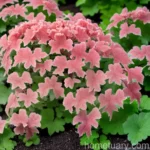
Heuchera ‘Sweet Tart’ (Coral Bells): A Complete Guide
Introduction
Heuchera ‘Sweet Tart,’ commonly known as Coral Bells, is a stunning perennial plant that has gained popularity among gardeners for its striking foliage and ease of care. With its vibrant colors and versatility, it’s no wonder that this plant has become a favorite in many landscapes. In this comprehensive guide, we will explore the various aspects of this beautiful plant, including its culture, uses, care requirements, common diseases, pests, and much more.
What is Heuchera ‘Sweet Tart’ (Coral Bells)?
Heuchera ‘Sweet Tart’ is a cultivar of the Heuchera genus, which belongs to the Saxifragaceae family. Known for its compact growth habit and eye-catching foliage, ‘Sweet Tart’ is a perennial plant that is prized for its ornamental value. The leaves of this cultivar boast a combination of vibrant hues, ranging from pink and peach to golden yellow and lime green, making it a standout in any garden setting.
Key Takeaways – Heuchera ‘Sweet Tart’ (Coral Bells)
Before delving into the specific aspects of Heuchera ‘Sweet Tart,’ let’s summarize some key takeaways about this cultivar.
- Common Name: Coral Bells
- Scientific Name: Heuchera ‘Sweet Tart’
- Foliage: Variegated leaves with pink, peach, yellow, and green tones
- Habit: Clumping, mounding growth habit
- Uses: Borders, containers, ground cover, woodland gardens
- Hardiness: Suitable for USDA hardiness zones 4-9
- Exposure: Thrives in partial to full shade
- Soil: Well-draining, fertile soil
- Maintenance: Low maintenance; requires minimal pruning
- Watering: Moderate watering needs; avoid waterlogged conditions
- Pests: Susceptible to some common garden pests, such as aphids and vine weevils
- Diseases: Generally resistant to diseases, but may be affected by powdery mildew under certain conditions
- Propagation: Easily propagated from division or stem cuttings
- Container: Well-suited for container gardening
- Popularity: Increasing popularity in landscaping and garden designs
Now that we have a general overview of Heuchera ‘Sweet Tart,’ let’s explore each aspect in detail.
Culture
Uses
Heuchera ‘Sweet Tart’ is a versatile plant that can be used in various landscape settings, thanks to its attractive foliage and adaptability. Some common uses of this cultivar include:
-
Borders: The compact growth habit and colorful foliage of ‘Sweet Tart’ make it an ideal choice for edging borders in garden beds, creating a vibrant and visually appealing boundary.
-
Containers: The striking foliage of ‘Sweet Tart’ lends itself well to container gardening, where it can be showcased on patios, decks, or even as a focal point in outdoor spaces. When potted, it adds a pop of color and texture to any setting.
-
Ground Cover: As a clumping perennial, ‘Sweet Tart’ can be used as a ground cover to fill in empty spaces or create a lush carpet of foliage in shaded areas of the garden.
-
Woodland Gardens: Due to its preference for partial to full shade, ‘Sweet Tart’ is well-suited for woodland gardens, where it can thrive alongside other shade-loving plants.
Water
Proper watering is crucial for the health and vitality of Heuchera ‘Sweet Tart.’ While it’s essential to keep the soil consistently moist, it’s equally important to prevent waterlogged conditions, as this can lead to root rot and other issues. Here are some watering tips for ‘Sweet Tart’:
-
Moderate Moisture: Aim to maintain moderate soil moisture levels. While the plant requires regular watering, it’s important to allow the top layer of soil to dry out slightly between waterings to prevent waterlogged roots.
-
Mulching: Applying a layer of organic mulch around the base of the plant can help retain soil moisture, regulate temperature, and reduce water evaporation.
-
Avoid Overhead Watering: When watering ‘Sweet Tart,’ try to direct the water to the base of the plant or use drip irrigation to minimize foliage wetting, which can help prevent diseases such as powdery mildew.
-
Consider the Environment: During hot, dry spells, ‘Sweet Tart’ may require more frequent watering to sustain its moisture needs. In contrast, during cooler periods or in shaded locations, less frequent watering may be sufficient.
Sunlight
Heuchera ‘Sweet Tart’ thrives in partial to full shade conditions, making it an excellent choice for shaded or woodland gardens. However, it’s essential to understand the sunlight needs of this cultivar to ensure optimal growth and foliage health. Here are some guidelines for providing the right amount of sunlight for ‘Sweet Tart’:
-
Partial Shade to Full Shade: ‘Sweet Tart’ prefers locations with dappled or filtered sunlight throughout the day. In warmer climates, afternoon shade can help protect the foliage from scorching sun exposure.
-
Leaf Coloration: Adequate shade helps maintain the vibrant coloration of the foliage. Excessive exposure to direct sun can lead to leaf burn or loss of color intensity.
-
Adjusting for Climate: In regions with cooler summers, ‘Sweet Tart’ may tolerate a bit more sunlight, while in hot climates, it benefits from increased shade to prevent heat stress.
-
Morning Sun: In areas with morning sun and afternoon shade, ‘Sweet Tart’ can often thrive, as it receives the beneficial light while avoiding the intense midday sun.
Fertilizer
Fertilizing ‘Sweet Tart’ can support its growth and overall vigor, but it’s important to apply fertilizers judiciously and avoid overfeeding. Here are some fertilizer tips for maintaining the health of Heuchera ‘Sweet Tart’:
-
Balanced Fertilizer: Choose a balanced, slow-release fertilizer with an NPK ratio suited for perennial plants. A 10-10-10 or similar formulation can provide the essential nutrients without causing excessive growth.
-
Timing: Apply fertilizer in early spring as new growth emerges, and again in midsummer if necessary. Avoid fertilizing late in the growing season, as this can stimulate new growth that may not harden off before winter.
-
Even Application: Distribute the fertilizer evenly around the base of the plant, taking care not to allow the granules or liquid to come into direct contact with the foliage.
-
Organic Options: Consider organic fertilizers or compost as a natural alternative to synthetic products, especially for environmentally conscious gardening practices.
Soil
The right soil conditions are essential for the well-being of Heuchera ‘Sweet Tart.’ By providing a suitable growing medium, you can promote healthy root development and overall plant vitality. Here are some considerations for the soil requirements of ‘Sweet Tart’:
-
Well-Draining Soil: ‘Sweet Tart’ thrives in well-draining soil that allows excess water to escape, preventing waterlogged conditions that can harm the roots.
-
Moisture Retention: While good drainage is critical, the soil should also have the capacity to retain some moisture to sustain the plant between waterings.
-
Organic Matter: Incorporating organic matter, such as compost or well-rotted manure, can improve soil structure, fertility, and moisture retention, benefiting ‘Sweet Tart’s growth.
-
pH Level: Aim for a slightly acidic to neutral soil pH level, ideally in the range of 6.0 to 7.0. Conducting a soil test can help determine and adjust the pH if necessary.
Pruning
Pruning ‘Sweet Tart’ is relatively simple and primarily focuses on maintaining the plant’s shape, removing spent flower stalks, and rejuvenating older growth. Here are some tips for pruning Heuchera ‘Sweet Tart’:
-
Deadheading: As the flowers fade, deadhead the spent blooms to encourage further flowering and prevent the plant from expending energy on seed production.
-
Old Foliage: In early spring, remove any tattered or damaged foliage from the previous season to encourage the emergence of fresh, healthy foliage.
-
Division: Every few years, consider dividing mature clumps of ‘Sweet Tart’ to rejuvenate the plant and prevent overcrowding. This can be done in spring or fall.
-
Pruning Tools: Use clean, sharp pruners or scissors to make precise cuts, minimizing the risk of damage or disease transmission.
-
Minimal Pruning: ‘Sweet Tart’ generally requires minimal pruning beyond deadheading and occasional cleanup, making it a low-maintenance choice in the garden.
Propagation
Heuchera ‘Sweet Tart’ can be easily propagated through several methods, allowing gardeners to expand their plantings or share this beautiful cultivar with others. Here are some common propagation techniques for ‘Sweet Tart’:
-
Division: In early spring or fall, mature clumps of ‘Sweet Tart’ can be divided into smaller sections, each with healthy roots and foliage. Replant the divisions in suitable locations.
-
Stem Cuttings: Gather stem cuttings from the plant in spring or early summer, ensuring each cutting has at least one leaf node. Root the cuttings in a well-draining rooting medium, such as perlite or vermiculite.
-
Offshoots: Occasionally, ‘Sweet Tart’ may produce offshoots or mini-clumps around the base of the plant. These offshoots can be carefully separated and replanted to establish new plants.
-
Propagation Environment: Provide the newly propagated plants with suitable growing conditions, including adequate moisture, warmth, and protection from direct sunlight until they establish roots.
Container Popularity
The compact size and striking foliage of Heuchera ‘Sweet Tart’ make it a popular choice for container gardening. Whether grown in individual pots, mixed container plantings, or hanging baskets, ‘Sweet Tart’ adds a burst of color and texture to outdoor spaces. The following are some reasons why this cultivar is well-suited for containers:
-
Versatility: ‘Sweet Tart’ adapts well to container environments, making it suitable for patios, balconies, and other outdoor areas where garden space may be limited.
-
Visual Appeal: The vibrant foliage of ‘Sweet Tart’ creates an eye-catching display in containers, adding aesthetic appeal to outdoor settings and complementing other container plants.
-
Seasonal Interest: When placed in containers, ‘Sweet Tart’ can be incorporated into seasonal arrangements or mixed with other plants to create visually appealing displays throughout the year.
-
Portability: Container-grown ‘Sweet Tart’ can be easily moved to different locations to accommodate changing light conditions or to enhance specific areas of the garden.
Common Diseases
Heuchera ‘Sweet Tart’ is generally resistant to diseases, but there are certain conditions that can predispose the plant to certain issues. It’s important to monitor the plant for any signs of disease and take preventive measures to ensure its continued health. Some common diseases that can affect ‘Sweet Tart’ include:
-
Powdery Mildew: Under prolonged periods of high humidity or poor air circulation, ‘Sweet Tart’ may be susceptible to powdery mildew, which presents as a white, powdery coating on the foliage.
-
Root Rot: Excessive moisture in the soil, especially in poorly drained conditions, can lead to root rot, causing the plant to wilt, yellow, or decline in vigor.
-
Leaf Spot: Fungal leaf spots may develop on the foliage of ‘Sweet Tart’ under conditions of high humidity and foliage wetness. Look for circular lesions with distinctive margins on the leaves.
-
Preventive Measures: To minimize the risk of diseases, ensure proper spacing between plants, maintain good air circulation, and avoid overhead watering that can wet the foliage excessively.
Disease Diagnosis
Diagnosing diseases in Heuchera ‘Sweet Tart’ involves careful observation of the plant’s condition and symptoms, as well as understanding the environmental factors that may contribute to disease development. Here are some steps for diagnosing diseases in ‘Sweet Tart’:
-
Symptom Identification: Look for any unusual spots, discoloration, or abnormalities on the foliage, stems, or roots of the plant. Note any changes in growth patterns, wilting, or decline.
-
Environmental Factors: Consider the prevailing weather conditions, moisture levels, and air circulation in the plant’s location, as these factors can influence disease development.
-
Comparison to Reference Material: Consult gardening resources, books, or online sources to compare the observed symptoms with known diseases that may affect Heuchera species.
-
Seeking Assistance: If uncertain about disease diagnosis or treatment, seek advice from local horticultural experts, master gardeners, or plant clinics to obtain accurate guidance.
Common Pests
While Heuchera ‘Sweet Tart’ is relatively resistant to pests, it may occasionally encounter some common garden invaders that can affect its health and appearance. Monitoring the plant for signs of pest activity and taking prompt action when necessary can help safeguard ‘Sweet Tart’ from pest-related issues. Common pests that may target ‘Sweet Tart’ include:
-
Aphids: These small, soft-bodied insects may gather on the undersides of the foliage, where they feed on plant sap and excrete honeydew, potentially leading to fungal issues.
-
Vine Weevils: The larvae of vine weevils can damage the roots of ‘Sweet Tart’ by feeding on them, leading to weakened growth, wilting, or the plant’s decline.
-
Preventive Measures: Regularly inspect the plant for signs of pest activity, and consider using natural predators, such as ladybugs for aphid control, or applying targeted insecticidal treatments as needed.
Botanist’s Tips
To ensure the successful cultivation and appreciation of Heuchera ‘Sweet Tart,’ consider the following botanist’s tips to enhance the plant’s health and visual impact in the garden:
-
Ample Shade: Provide ‘Sweet Tart’ with the recommended amount of shade to maintain the vibrant coloration of the foliage and prevent sun-related stress.
-
Moderate Moisture: While ‘Sweet Tart’ prefers consistently moist soil, it’s important to avoid waterlogged conditions, as excessive moisture can lead to root issues.
-
Well-Draining Soil: Ensure that the soil around ‘Sweet Tart’ allows excess water to drain away, preventing standing water and promoting healthy root development.
-
Mulching Benefits: Apply a layer of organic mulch around the base of the plant to insulate the soil, retain moisture, and suppress weed growth.
-
Pruning Considerations: Practice minimal, selective pruning to remove spent flowers and tidy the plant, keeping in mind the tendency of ‘Sweet Tart’ to form clumps.
Fun Facts
To appreciate Heuchera ‘Sweet Tart’ beyond its ornamental value, here are some interesting and fun facts about this captivating cultivar:
-
Native to North America: The Heuchera genus, to which ‘Sweet Tart’ belongs, is native to various regions of North America, where it thrives in natural habitats.
-
Attracts Pollinators: The delicate, bell-shaped flowers of ‘Sweet Tart’ can attract pollinators such as bees and butterflies, contributing to ecological diversity in the garden.
-
Foliage Variation: ‘Sweet Tart’ exhibits a remarkable range of foliage colors, often producing leaves with unique combinations of pink, peach, yellow, and green hues.
-
Deer-Resistant: While no plant is entirely deer-proof, ‘Sweet Tart’ is known for its relative resistance to browsing by deer, making it a valuable addition to landscapes in deer-prone areas.
-
Long Blooming Period: When provided with suitable growing conditions, ‘Sweet Tart’ can produce a prolonged display of delicate flowers, adding seasonal interest to the garden.
Links to External Resources
To further expand your knowledge and appreciation of Heuchera ‘Sweet Tart’ and related topics, consider exploring the following external resources:
-
The American Heuchera Society: Discover a wealth of information on Heuchera species, including cultivation tips, research updates, and community resources.
-
Royal Horticultural Society: Explore the authoritative guidance provided by the RHS, which includes plant profiles, gardening advice, and comprehensive resources on horticulture.
-
University Extension Services: Look for extension service websites from reputable universities, where you can find tailored information on growing Heuchera and managing plant health.
-
Gardening Forums and Communities: Engage with fellow gardening enthusiasts in online forums and communities, where you can exchange experiences, seek advice, and connect with plant lovers worldwide.
-
Botanical Gardens and Arboreta: Visit botanical gardens and arboreta in your area or around the world to gain inspiration, observe plant diversity, and learn from curated displays of Heuchera cultivars.
By tapping into these external resources, you can deepen your understanding of Heuchera ‘Sweet Tart,’ gather valuable insights from experienced gardeners and experts, and expand your horticultural expertise.
Conclusion
Heuchera ‘Sweet Tart’ (Coral Bells) stands out as a highly desirable plant for gardens, landscapes, and container displays. From its captivating foliage to its adaptability in various settings, this cultivar continues to captivate gardeners and plant enthusiasts. By understanding its culture, care requirements, potential uses, common diseases, and pests, along with the insights provided in this guide, you can cultivate and appreciate ‘Sweet Tart’ to its fullest potential.
Whether you’re considering adding ‘Sweet Tart’ to your garden or seeking to enhance your existing plantings, the beauty and charm of this cultivar are sure to make a lasting impression. As you embark on your journey with Heuchera ‘Sweet Tart,’ may you experience the joy of cultivating and nurturing this remarkable plant, and may it enrich your landscape with its enduring allure.
Remember to continue exploring, learning, and sharing your experiences with ‘Sweet Tart’ and other captivating plants, contributing to the rich tapestry of horticultural knowledge and garden appreciation.
Happy gardening!