Hemp-agrimony (Eupatorium Cannabinum)
Hemp-agrimony (Eupatorium cannabinum) is a perennial plant native to Europe and Western Asia, belonging to the Asteraceae family. It is known for its tall.
What is Hemp-agrimony (Eupatorium cannabinum)?
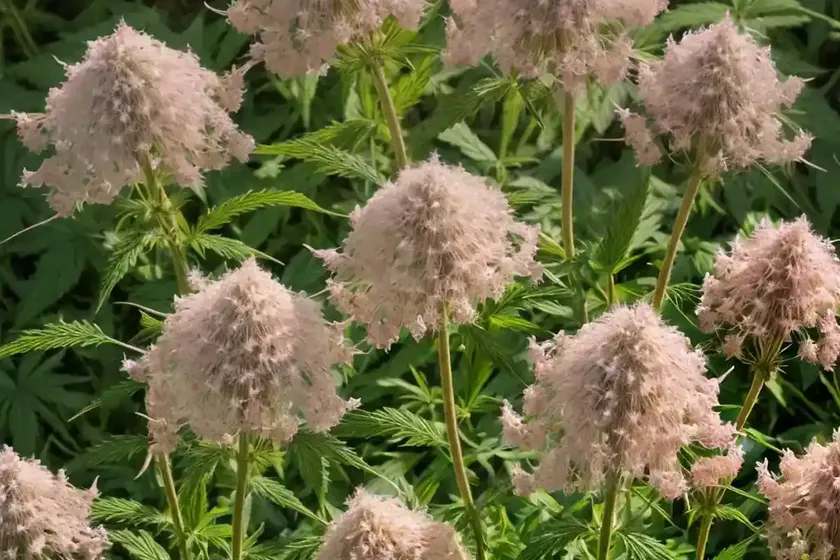
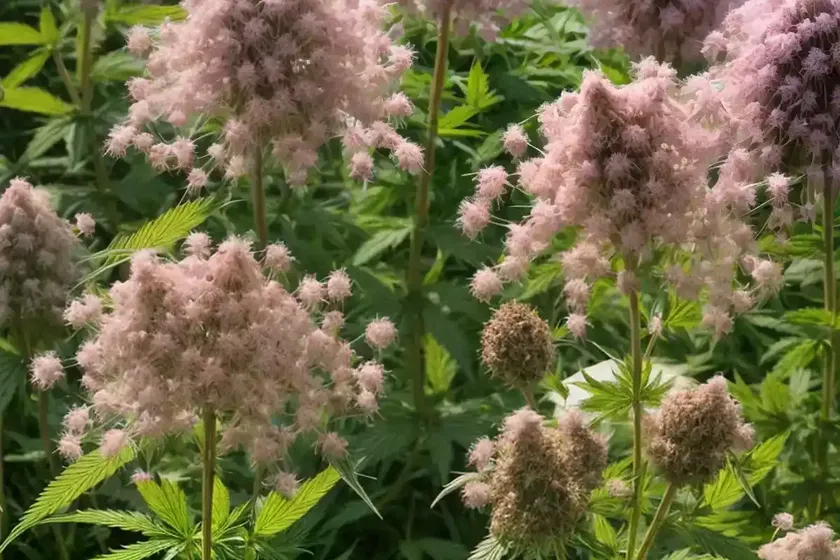
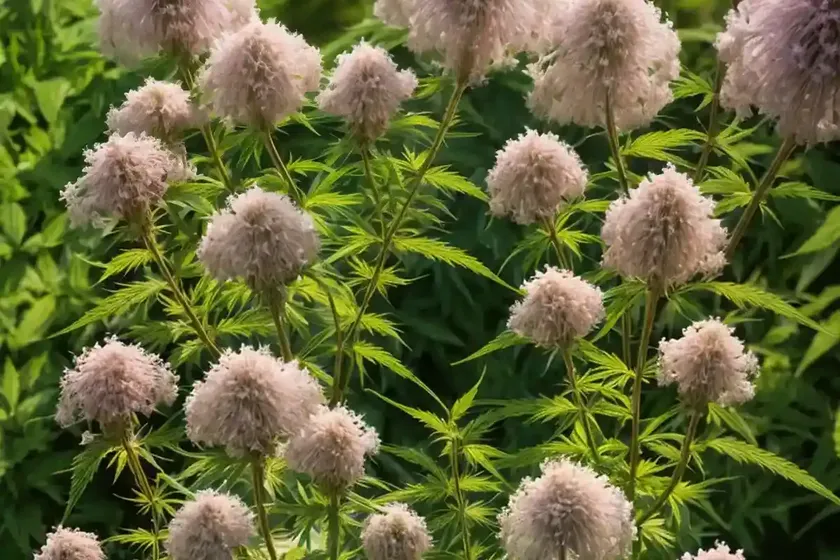
Hemp-agrimony (Eupatorium cannabinum) is a perennial plant native to Europe and Western Asia, belonging to the Asteraceae family. It is known for its tall, erect stems and clusters of small, mauve-pink flowers that bloom in late summer and early fall, attracting a wide array of pollinators. This robust plant is often found in moist meadows, riverbanks, and woodland margins, thriving in areas with moist, well-drained soils and full sun to partial shade.
Key Takeaways – Hemp-Agrimony (Eupatorium cannabinum)
Before delving into the cultivation, uses, and maintenance of Hemp-agrimony, let’s highlight some of its key takeaways:
- Versatile uses in traditional and modern herbal remedies
- Tolerant of various soil types and moisture conditions
- Attractive to pollinators and beneficial insects
- Robust and low-maintenance
- Potential for invasive spread in certain regions
Now, let’s explore in detail the various aspects of Hemp-agrimony, including its cultural requirements, uses, and potential challenges in cultivation.
Culture
Uses
Medicinal Properties
Hemp-agrimony (Eupatorium cannabinum) has enjoyed a long history of use in traditional herbal medicine. The aerial parts of the plant, including the leaves and flowers, are used to prepare infusions and decoctions that are known for their potential benefits in supporting digestive health, soothing respiratory discomfort, and promoting overall well-being. This plant is also utilized in herbal remedies for its astringent and diuretic properties. Additionally, its potential as an immune system booster and anti-inflammatory agent has garnered attention in contemporary herbal medicine practices.
Ecological Value
From an ecological perspective, Hemp-agrimony plays a significant role in wildlife conservation and habitat restoration. Its late-blooming flowers provide a vital nectar source for pollinators like butterflies, bees, and hoverflies, contributing to the biodiversity of natural landscapes. Furthermore, its robust nature and adaptability make it a valuable plant for stabilizing soil in erosion-prone areas, thus aiding in environmental conservation efforts.
Water
Hemp-agrimony thrives in consistently moist soil conditions. While it is tolerant of periods of inundation, especially in its natural riparian habitats, it does not prefer waterlogged soils for extended periods. Adequate moisture is essential, particularly during its growing season, to ensure robust growth and prolific flowering. Hence, a watering regimen that maintains moderately moist soil is ideal for cultivating Hemp-agrimony in garden settings.
Sunlight
In terms of sunlight requirements, Hemp-agrimony flourishes in full sun to partial shade. In regions with warm climates, providing partial shade during the hottest part of the day can prevent stress and ensure optimal growth. Conversely, in cooler climates, full sun exposure is generally well-tolerated and promotes abundant flowering.
Fertilizer
Hemp-agrimony is not particularly demanding in terms of fertilization. However, in nutrient-deficient soils, incorporating organic matter or a balanced, slow-release fertilizer during the spring can support vigorous growth and enhance flower production. It is important to avoid excessive nitrogen, as this may lead to overly lush foliage at the expense of flower formation.
Soil
Hemp-agrimony exhibits remarkable adaptability to a wide range of soil types, from loamy and sandy soils to clay-rich substrates. However, it thrives in moist, well-drained soils. The addition of organic matter, such as compost or well-rotted manure, improves soil structure and water retention, promoting optimal growth and flowering.
Pruning
Pruning plays a key role in maintaining the vigor and aesthetic appeal of Hemp-agrimony. In late winter or early spring, prune back the previous year’s growth to a few inches above ground level to encourage the emergence of new shoots. Additionally, deadheading spent flowers not only prolongs the blooming period but also prevents self-seeding, a practice crucial for controlling the plant’s spread in certain areas where it might be considered invasive.
Propagation
Hemp-agrimony can be propagated through various methods, including division, seed sowing, and softwood cuttings.
Division
Dividing mature clumps in early spring or late autumn is an effective method of propagation. Carefully lift the plant, ensuring that the root system remains intact, and then divide it into several sections using a sharp, sterile tool. Replant the divisions in prepared soil, and ensure adequate moisture during the establishment phase to promote robust growth.
Seed Sowing
For those seeking to grow Hemp-agrimony from seeds, collecting mature seeds in late autumn or early winter is ideal. Surface sowing on prepared seedbeds or containers, followed by a light covering of soil, is sufficient for germination. Maintain consistent moisture levels to facilitate successful seedling emergence.
Softwood Cuttings
Softwood cuttings, taken during the growing season from healthy, actively growing shoots, can also be utilized for propagation. Remove the lower leaves, insert the cuttings into a well-draining medium, and provide a warm, humid environment to encourage root development.
Container Popularity
The adaptability of Hemp-agrimony to container cultivation has garnered popularity among gardeners seeking to incorporate this plant into their outdoor spaces. When grown in containers, it is essential to provide adequate space for root development and employ a well-draining growing medium. Regular watering is crucial to prevent the soil from drying out, especially during the warmer months.
Common Diseases
Disease Diagnosis
Hemp-agrimony is relatively resistant to most common plant diseases. However, frequent overhead watering can create conditions conducive to the development of fungal diseases, such as powdery mildew. Symptoms of powdery mildew include a whitish, powdery coating on the foliage, often accompanied by distortion and stunted growth. To mitigate this, it is important to ensure proper air circulation and to avoid excessive moisture on the foliage.
Common Pests
Pest control
Hemp-agrimony is generally resistant to many common insect pests. However, it may occasionally attract aphids, particularly during periods of lush growth and warm weather. Regularly inspecting the plant for aphid infestations and using appropriate insecticidal soaps or horticultural oils can effectively manage these pests without causing harm to beneficial insects.
Botanist’s Tips
As a plant scientist, here are some valuable tips for successfully cultivating Hemp-agrimony:
- Site Selection: Choose a planting site that receives ample sunlight and has well-drained, moderately moist soil to promote robust growth and flowering.
- Watering Practices: Maintain consistent moisture levels, particularly during the growing season, to support healthy growth without waterlogging the roots.
- Pruning: Regularly prune Hemp-agrimony to promote compact growth, increase flowering, and prevent self-seeding in garden settings.
- Invasive Potential: Stay mindful of the potential for invasive spread in certain regions and take appropriate measures to prevent unchecked proliferation.
Fun Facts
- Hemp-agrimony is also known as Holy Rope, contributing to its intriguing folklore and cultural significance.
- The genus name “Eupatorium” is derived from Mithridates Eupator, a Pontic king known for his use of herbal remedies, reflecting the historical association of this plant with medicinal applications.
Links to External Resources
To expand your knowledge about Hemp-agrimony, below are some recommended external resources:
- Royal Horticultural Society – Eupatorium cannabinum
- USDA Plants Database – Eupatorium cannabinum
- Missouri Botanical Garden – Hemp-agrimony
In conclusion, Hemp-agrimony (Eupatorium cannabinum) is a versatile and resilient plant with cultural, ecological, and medicinal significance. From its traditional uses to its ecological value, this plant offers a wealth of benefits to gardens and natural landscapes. By understanding its cultivation requirements and potential challenges, gardeners and plant enthusiasts can fully appreciate and harness the potential of this wonderful species.