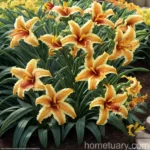
Hemerocallis ‘Nashville Star’ (Daylily): The Complete Guide
Hemerocallis ‘Nashville Star’ is a beautiful and versatile plant that has been cultivated for centuries for its stunning blooms and ease of care. In this comprehensive guide, we will explore everything you need to know about Hemerocallis ‘Nashville Star’, from its characteristics and cultivation to its uses, diseases, and more. Whether you’re a seasoned gardener or a beginner, this guide will provide you with all the information you need to successfully grow and care for this exceptional flowering plant.
What is Hemerocallis ‘Nashville Star’ (Daylily)?
Hemerocallis is the botanical name for the daylily, a flowering plant that is part of the Liliaceae family. The name Hemerocallis comes from the Greek words “hemera,” meaning day, and “kallos,” meaning beauty, referring to the fact that each flower only lasts for a day. However, each stem typically produces multiple buds, so the flowering period of a single stalk can last for several weeks.
Hemerocallis ‘Nashville Star’ is a specific cultivar of daylily known for its large, showy, and fragrant flowers. This perennial plant is a hybrid variety that was developed to exhibit certain desired traits, such as unique coloration, improved bloom time, and disease resistance. The ‘Nashville Star’ cultivar is highly prized for its striking visual appeal and adaptability, making it a popular choice for gardeners and landscapers alike.
Key Takeaways – Hemerocallis ‘Nashville Star’ (Daylily)
Before delving into the specifics of cultivating and caring for Hemerocallis ‘Nashville Star’, let’s take a quick look at some key takeaways:
- Hardiness Zones: Hemerocallis ‘Nashville Star’ thrives in USDA hardiness zones 3 to 9.
- Bloom Time: Enjoy vibrant blooms from early to midsummer, with some varieties exhibiting reblooming potential.
- Sunlight: Full sun to partial shade is ideal for optimal flowering.
- Water: Regular watering is essential, especially during the growing season.
- Soil: Well-draining, fertile soil is preferred, with a slightly acidic to neutral pH.
- Fertilization: Provide balanced fertilizer in early spring and after the first bloom.
- Pruning: Remove spent flower stems and withered foliage to promote continued blooming and maintain a tidy appearance.
- Propagation: Division of mature clumps in early spring or late summer.
- Common Diseases: Watch out for foliar diseases such as leaf streak and rust, and maintain good airflow to prevent issues.
- Common Pests: Keep an eye out for aphids, spider mites, and thrips, which can occasionally affect daylilies.
With these key points in mind, let’s dive deeper into the various aspects of cultivating and caring for Hemerocallis ‘Nashville Star’.
Culture
Cultivating Hemerocallis ‘Nashville Star’ is a rewarding experience, as it is a relatively low-maintenance plant that offers beautiful blooms and adaptability to a range of growing conditions. Let’s explore the cultural requirements for this stunning daylily cultivar.
Uses
Hemerocallis ‘Nashville Star’ is a versatile plant that serves several purposes in the garden and landscape. Its primary uses include:
- Ornamental Display: The showy and fragrant flowers of Hemerocallis ‘Nashville Star’ make it a popular choice for ornamental garden beds, borders, and containers.
- Erosion Control: Due to its clumping nature and extensive root system, daylilies like ‘Nashville Star’ are often used on slopes and banks to help prevent soil erosion.
- Cut Flowers: The flowers of Hemerocallis ‘Nashville Star’ are excellent for cutting and using in floral arrangements, adding beauty and fragrance to indoor spaces.
Water
Proper watering is crucial for the health and vitality of Hemerocallis ‘Nashville Star’. While daylilies are known for their ability to tolerate drought conditions, consistent moisture is essential for promoting strong growth and prolific flowering. Here are some key points to consider regarding water requirements:
- Establishment: Newly planted Hemerocallis ‘Nashville Star’ should be watered regularly to support root establishment, especially during the first growing season.
- Mature Plants: Once established, daylilies generally require about 1 inch of water per week. During hot and dry periods, it may be necessary to increase the frequency of watering.
- Soil Moisture: Ensure that the soil remains consistently moist but not waterlogged. Mulching around the base of the plants can help retain soil moisture and reduce the frequency of watering.
Sunlight
Hemerocallis ‘Nashville Star’ thrives in locations with ample sunlight, although it can also tolerate partial shade. When selecting a planting site, keep the following sunlight requirements in mind:
- Full Sun: Plant Hemerocallis ‘Nashville Star’ in areas that receive at least 6 hours of direct sunlight per day for optimal flowering and overall plant vigor.
- Partial Shade: While daylilies prefer full sun, they can also grow and bloom in locations with partial shade, particularly in hotter climates where some protection from the intense midday sun may be beneficial.
- Site Selection: Choose a planting location that provides the appropriate sunlight conditions based on the specific climate and microclimate of your garden or landscape.
Fertilizer
Fertilizing Hemerocallis ‘Nashville Star’ is essential for supporting vigorous growth and prolific flowering. The following guidelines can help you effectively feed your daylilies for optimal performance:
- Balanced Fertilizer: Use a balanced, granular fertilizer with an N-P-K ratio of 10-10-10 or similar formulation. Apply the fertilizer in early spring as new growth emerges and again after the first bloom cycle to support continued flowering.
- Application Technique: Scatter the fertilizer evenly over the soil surface around the base of the plants, taking care to avoid direct contact with the leaves and stems. Water the area thoroughly after application to help the nutrients reach the root zone.
Soil
Well-draining and fertile soil is key to the success of Hemerocallis ‘Nashville Star’, as it provides the necessary support and nutrients for robust growth and abundant flowering. Consider the following soil-related factors when cultivating this daylily cultivar:
- Soil Type: Daylilies prefer moderately rich, well-draining soil with a slightly acidic to neutral pH. Amending heavy clay soils with organic matter can improve drainage and soil structure, creating a more favorable environment for daylily roots.
- Soil Preparation: Prior to planting or transplanting Hemerocallis ‘Nashville Star’, cultivate the soil to a depth of about 12 inches and incorporate organic matter, such as compost or well-rotted manure, to enhance soil fertility and texture.
- Soil pH: Aim for a slightly acidic to neutral pH range of 6.0 to 7.0, as daylilies perform best in soils with these acidity levels. Conduct a soil test to determine the pH of your soil and adjust it as needed with the addition of lime or sulfur.
Pruning
Pruning plays an important role in maintaining the appearance and health of Hemerocallis ‘Nashville Star’, as it helps remove spent flower stems and withered foliage while promoting continued flowering. Here are some essential pruning tips for this daylily cultivar:
- Deadheading: Regularly remove spent blooms by snipping the flower stems at the base to prevent the formation of seed pods and encourage the plant to divert its energy into producing new flowers.
- Foliage Cleanup: Trim away yellowing or withered foliage throughout the growing season to keep the plants looking tidy and to minimize the risk of disease development. When performing these tasks, use sanitized pruning tools to prevent the spread of infections.
Propagation
Propagating Hemerocallis ‘Nashville Star’ is relatively straightforward and typically involves the division of mature clumps to create new plants. Here’s a brief overview of the propagation methods commonly used for daylilies:
- Division: In early spring or late summer, carefully dig up established clumps of Hemerocallis ‘Nashville Star’ and separate them into smaller sections, ensuring that each division contains healthy roots and growth points. Replant the divisions at the appropriate spacing and provide sufficient moisture to support establishment.
Container Popularity
Hemerocallis ‘Nashville Star’ is well-suited for container gardening, offering a stunning display of flowers in a more confined space. There are several factors to consider when growing this daylily cultivar in containers:
- Container Size: Select a spacious container that provides ample room for the development of the daylily’s root system. A diameter of at least 18 inches is generally suitable for accommodating the plant’s growth.
- Soil Mix: Use a high-quality, well-draining potting mix that provides adequate aeration and water retention while preventing waterlogging. Incorporate a slow-release fertilizer into the soil mix to supply essential nutrients over an extended period.
Common Diseases
Despite their overall resilience, daylilies such as Hemerocallis ‘Nashville Star’ can be susceptible to certain diseases that can impact their health and appearance. Being aware of common diseases and their symptoms is crucial for implementing timely management strategies. Let’s explore some of the most prevalent diseases that can affect daylilies:
Disease Diagnosis
Understanding the symptoms and causes of common daylily diseases is essential for accurate diagnosis and effective treatment. Here are key points to keep in mind when diagnosing potential disease issues in Hemerocallis ‘Nashville Star’:
- Foliar Diseases: Keep an eye out for leaf streak, a fungal disease characterized by elongated brown lesions on the foliage, and rust, which presents as rusty-colored pustules on the leaves. Provide good air circulation and avoid overhead watering to minimize the risk of these diseases.
Common Pests
In addition to diseases, daylilies like Hemerocallis ‘Nashville Star’ can also attract certain pests that may cause damage to the plants if left unchecked. Knowing how to identify and manage common pest issues is crucial for maintaining the health and beauty of your daylilies. Here are some key pests to watch out for:
- Aphids: These small, soft-bodied insects can congregate on daylily foliage and buds, sucking sap from the plants and potentially causing distortion and stunting of growth. Control aphids by using insecticidal soap or horticultural oil, or by introducing natural predators such as ladybugs.
- Spider Mites: Spider mites are tiny arachnids that feed on plant sap, causing stippling, webbing, and overall decline in plant health. Regularly spraying the undersides of leaves with water can help reduce mite populations, while predatory mites and insecticidal soaps can also provide effective control.
- Thrips: Thrips are slender, winged insects that feed on daylily blooms, causing damage and discoloration. Consider using reflective mulches, insecticidal soaps, or predatory insects to manage thrips infestations.
Botanist’s Tips
As a botanist with a passion for Hemerocallis ‘Nashville Star’ and its relatives, I’ve gathered some useful tips to help you optimize the cultivation and care of this exceptional daylily cultivar:
- Mulching: Apply a layer of organic mulch, such as pine bark or shredded leaves, around the base of Hemerocallis ‘Nashville Star’ to conserve soil moisture, suppress weed growth, and insulate the roots during temperature fluctuations.
- Deadheading Technique: When deadheading the spent blooms of Hemerocallis ‘Nashville Star’, cut the flower stems just above the point where they emerge from the foliage. This approach helps maintain the plant’s aesthetics and promotes repeat flowering.
- Companion Planting: Pair Hemerocallis ‘Nashville Star’ with complementary perennials and shrubs to create visually appealing combinations in the garden. Consider including plants with contrasting foliage textures, heights, and bloom times to enhance the overall landscape.
Fun Facts
To further enrich your knowledge and appreciation of Hemerocallis ‘Nashville Star’, here are some intriguing and fun facts about this captivating daylily cultivar:
- Hybrid Origins: Hemerocallis ‘Nashville Star’ is the result of selective breeding and controlled hybridization, combining desirable traits from multiple parent plants to create a distinct and unique variety.
- Pollinator Magnet: The vibrant and fragrant flowers of Hemerocallis ‘Nashville Star’ attract a variety of pollinators, including bees, butterflies, and hummingbirds, adding ecological value to the garden.
- Color Variations: While the ‘Nashville Star’ cultivar is known for its creamy white petals and striking burgundy eyezone, there can be slight variations in coloration among individual plants, adding to the allure of this daylily.
Links to External Resources
For further exploration of Hemerocallis ‘Nashville Star’ and related topics, consider visiting the following external resources:
In conclusion, Hemerocallis ‘Nashville Star’ is a remarkable daylily cultivar that offers stunning blooms, adaptability, and ease of cultivation. By understanding and implementing the guidelines provided in this comprehensive guide, you can confidently cultivate, care for, and appreciate the beauty of this exceptional plant in your garden or landscape. Whether you’re drawn to its striking visual appeal, delightful fragrance, or ecological benefits, Hemerocallis ‘Nashville Star’ is sure to captivate and inspire you as a valued addition to your botanical collection.