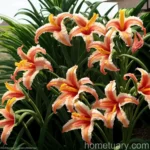
Hemerocallis ‘Ming Toy’ (Reblooming Daylily): A Stunning Garden Addition
The Hemerocallis ‘Ming Toy’ is a remarkable reblooming daylily that captures the eyes and hearts of gardeners everywhere. With its enchanting flowers, low-maintenance nature, and versatility, this cultivar has become a favorite in gardens and landscapes around the world. In this comprehensive guide, we will delve into the culture, uses, care, and attributes of the Hemerocallis ‘Ming Toy,’ providing valuable insights for both seasoned and aspiring gardeners.

What is Hemerocallis ‘Ming Toy’?
At the heart of our exploration lies the Hemerocallis ‘Ming Toy,’ a stunning variety of daylily renowned for its reblooming capability and captivating blossoms. This perennial plant belongs to the Hemerocallidaceae family and is a result of meticulous hybridization and selection, aiming to enhance the fascinating attributes of the daylily.
Key Takeaways – Hemerocallis ‘Ming Toy’ (Reblooming Daylily)
Before delving into the specifics, let’s unravel the essence of the Hemerocallis ‘Ming Toy’ through a snapshot of its key takeaways:
- Plant Name: Hemerocallis ‘Ming Toy’
- Common Names: Reblooming Daylily, Ming Toy Daylily
- Cultivar Type: Herbaceous perennial
- Blooming: Reblooming nature with showy flowers
- Foliage: Lush, grass-like, and arching
- Height: Typically reaches 24-26 inches
- Spread: Spreads about 18-24 inches
- Hardiness Zones: 3 to 9
- Uses: Ideal for borders, mass plantings, containers, or naturalized settings
- Special Attributes: Rebloomer, low maintenance, pollinator-friendly
Now, let’s embark on a journey to unearth the characteristics, culture, care, and myriad uses of the exceptional Hemerocallis ‘Ming Toy.’
Culture
Understanding the cultural requirements of Hemerocallis ‘Ming Toy’ is paramount for fostering its optimal growth and ensuring a splendid floral display. This section will outline the essential cultural aspects vital for nurturing the ‘Ming Toy’ daylily to its full potential.
Water
Proper watering is crucial for the well-being of the Hemerocallis ‘Ming Toy.’ While daylilies are known for their resilience in varying moisture conditions, adequate watering is essential, especially during the initial establishment and blooming periods. Here are some fundamental watering guidelines:
- Establishment Phase: Provide regular watering, ensuring the soil remains evenly moist but not waterlogged.
- Blooming Season: During the blooming period, maintain consistent moisture to support robust flower production and prevent dehydration of the plants.
- Post-Blooming Care: After the blooming phase, gradually reduce watering but continue to ensure the plants receive adequate moisture, especially during dry spells.
Sunlight
Placing Hemerocallis ‘Ming Toy’ in an appropriate location with the right sunlight exposure is pivotal for its growth and flowering. Here are key considerations regarding sunlight requirements:
- Optimal Sun Exposure: ‘Ming Toy’ daylilies thrive in full to partial sunlight, typically requiring at least 6 hours of direct sunlight per day for optimal blooming and vegetative growth.
- Morning Sun Preferable: Providing morning sunlight and partial shade in the afternoon can be beneficial, especially in regions with intense summer heat, helping to prevent stress and scorching of the foliage.
Fertilizer
Feeding the Hemerocallis ‘Ming Toy’ with balanced nutrition supports its vigor, blooming capacity, and overall health. Proper fertilization practices can make a substantial difference in the plant’s performance. Consider the following fertilization recommendations:
- Spring Feeding: Apply a balanced, slow-release fertilizer in early spring as new growth emerges, ensuring the nutrients are readily available for the upcoming blooming season.
- Periodic Maintenance Feeding: After the initial spring feeding, consider supplementing with a light application of fertilizer in midsummer to sustain the plant’s vitality and flowering potential.
- Avoid Excessive Nitrogen: Refrain from excessive nitrogen application, as it can stimulate lush foliage growth at the expense of flower production.
Soil
The soil composition and quality play a pivotal role in the overall well-being of Hemerocallis ‘Ming Toy.’ Understanding the soil requirements and implementing appropriate soil management practices can significantly impact the plant’s growth and vigor. Here’s an overview of the optimal soil conditions for ‘Ming Toy’ daylilies:
Soil Type
Hemerocallis ‘Ming Toy’ thrives in well-draining, fertile soils with a slightly acidic to neutral pH ranging between 6.0 and 7.0. Loamy soils with good structure and organic matter content are ideal for supporting the growth and development of these daylilies.
Soil Amendments
Incorporating organic matter such as compost, well-rotted manure, or peat moss into the soil can enhance its texture, fertility, and moisture-retention capacity. This practice not only improves the soil structure but also promotes a favorable environment for the development of healthy roots and lush foliage.
Pruning
Proper pruning practices contribute to the aesthetics, vigor, and longevity of Hemerocallis ‘Ming Toy,’ ensuring that the plants maintain an appealing appearance while promoting continuous blooming. Understanding the nuances of pruning is essential for harnessing the full potential of this captivating daylily.
Foliage Maintenance
Regular removal of spent flower stalks and yellowing or withered foliage not only enhances the visual appeal of the plant but also prevents the formation of seed pods, redirecting the plant’s energy towards vegetative growth and subsequent blooming.
Division
Periodic division of Hemerocallis ‘Ming Toy’ every 3 to 4 years can rejuvenate the plant, prevent overcrowding, and stimulate enhanced blooming. This practice involves lifting the clumps, dividing them into smaller sections, and replanting the vigorous divisions in suitable locations.
Propagation
Enabling the propagation of Hemerocallis ‘Ming Toy’ through reliable methods allows gardeners to expand their collection, share the beauty of this cultivar, and ensure its preservation for future generations. Here are some effective propagation techniques suitable for ‘Ming Toy’ daylilies:
Division
Division remains the most common and efficient method for propagating Hemerocallis ‘Ming Toy.’ This process involves carefully lifting established clumps, separating them into viable sections, and replanting these divisions in prepared soil, ensuring adequate moisture and care during the establishment phase.
Seed Propagation
While ‘Ming Toy’ daylilies can be propagated from seeds, this method is less commonly utilized due to the variability in seedling traits and the time required for seed-grown plants to reach maturity and blooming age. However, for breeding and hybridization purposes, seed propagation can be a valuable approach.
Container Popularity
The allure of Hemerocallis ‘Ming Toy’ extends to the realm of container gardening, captivating enthusiasts with its versatility, manageable size, and captivating blooms. The container gardening domain presents unique opportunities for showcasing the beauty of ‘Ming Toy’ daylilies in various settings, including patios, balconies, and urban landscapes.
Suitable Containers
When selecting containers for ‘Ming Toy’ daylilies, opt for spacious, well-draining pots or planters to accommodate the plant’s root system and provide adequate room for growth. Containers with drainage holes are essential to prevent waterlogged soil, ensuring optimal air circulation and moisture management.
Potting Mix
Utilize high-quality, well-draining potting mixes rich in organic matter, perlite, or coarse sand to facilitate proper aeration and moisture retention. Choosing a balanced potting mix ensures that the ‘Ming Toy’ daylilies receive the necessary nutrients and support for healthy growth and blooming.
Common Diseases
While Hemerocallis ‘Ming Toy’ boasts resilience and disease resistance, being mindful of potential ailments and employing preventive measures is vital for safeguarding the plants from common diseases. Here’s an overview of prevalent diseases that may affect ‘Ming Toy’ daylilies and strategies for disease management:
Leaf Streak (Aureobasidium microstictum)
Leaf streak, caused by the fungus Aureobasidium microstictum, manifests as elongated brown lesions on the foliage, potentially compromising the plant’s vigor and aesthetics. To mitigate leaf streak, implement the following measures:
- Avoid Overhead Watering: Minimize foliage wetness by watering at the base of the plants, reducing the risk of fungal spore dissemination and infection.
- Sanitation: Remove and dispose of affected leaves and debris to prevent the spread of the disease and minimize the pathogen’s overwintering potential.
Crown Rot (Various Pathogens)
Crown rot, stemming from multiple soil-borne pathogens, poses a threat to the vitality and longevity of ‘Ming Toy’ daylilies. Vigilant management strategies can help prevent and address this detrimental condition:
- Establish Proper Drainage: Ensure that the planting site and containers have adequate drainage to prevent waterlogged soil, reducing the risk of crown rot development.
- Healthy Soil Practices: Employ proper soil management, including soil amendment with organic matter and avoidance of excessive moisture, to create an environment antagonistic to crown rot pathogens.
Disease Diagnosis
Accurate identification of diseases afflicting Hemerocallis ‘Ming Toy’ is pivotal for implementing effective control measures. As such, equipping oneself with the knowledge and skills for disease diagnosis is crucial for maintaining the health and vitality of ‘Ming Toy’ daylilies.
Symptom Recognition
Be attentive to the symptoms exhibited by ‘Ming Toy’ daylilies, including leaf discoloration, lesions, wilting, and abnormal growth patterns. Diligently observing the plants allows for early detection of potential issues, enabling timely intervention to prevent the spread of diseases.
Pathogen Identification
Consult with plant pathology resources, local extensions, or certified professionals to accurately identify the pathogens responsible for the observed symptoms. Diagnosing the specific disease-causing agents is instrumental in formulating targeted and effective disease management strategies.
Common Pests
While ‘Ming Toy’ daylilies are relatively resistant to pests, occasional encounters with specific pests may occur. Understanding the common pests and implementing preventive measures can safeguard the plants from potential infestations. Here’s an overview of pests that may affect Hemerocallis ‘Ming Toy’ and strategies for pest management:
Aphids
Aphids, small sap-sucking insects, can infest ‘Ming Toy’ daylilies, causing distorted growth and honeydew deposition. Combat aphids by applying the following pest management tactics:
- Natural Predators: Encourage the presence of natural predators such as ladybugs and lacewings, which feed on aphids, helping to naturally control their populations.
- Hose Spraying: Employ gentle water sprays to dislodge aphids from the foliage, reducing their numbers and minimizing plant damage.
Spider Mites
Spider mites, microscopic arachnids, can inflict damage on ‘Ming Toy’ daylilies, leading to stippled, discolored foliage. Employ the following measures to manage spider mites:
- Miticide Application: When populations warrant intervention, consider applying targeted miticides to suppress spider mite infestations, following label instructions and safety guidelines.
- Adequate Moisture: Maintain proper moisture levels to deter excessive dryness, as spider mites thrive in hot, arid conditions.
Botanist’s Tips
Glean valuable insights and practical advice from seasoned botanists to enhance your understanding of Hemerocallis ‘Ming Toy’ and optimize its growth and performance. Here are some expert tips to aid in the cultivation and care of ‘Ming Toy’ daylilies:
- Mulching Benefits: Apply a layer of organic mulch around ‘Ming Toy’ daylilies to conserve soil moisture, suppress weed growth, and provide insulation, fostering an optimal growing environment.
- Watering Consistency: Maintain consistent watering practices, especially during the blooming season and periods of drought, to promote healthy foliage and prolific flowering.
- Monitoring and Observation: Regularly monitor the plants for signs of disease, pest activity, or nutrient deficiencies, intervening promptly to address emerging issues and preserve the plant’s health.
- Companion Planting: Consider companion planting with compatible species to enhance the visual appeal of ‘Ming Toy’ daylilies, promote biodiversity, and potentially deter pests through natural mechanisms.
Fun Facts
Delve into intriguing and captivating facts about Hemerocallis ‘Ming Toy,’ shedding light on its unique attributes, historical significance, and cultural symbolism. Uncover the essence and allure of ‘Ming Toy’ daylilies through these captivating fun facts:
- Historical Origins: The Hemerocallis genus has a rich history, with daylilies being cultivated for over two millennia, revered for their ornamental beauty, edible blossoms, and medicinal uses in traditional Asian cultures.
- Symbolism: In various cultures, daylilies symbolize resilience, purity, and renewal, embodying enduring beauty and the ephemeral nature of life with their fleeting blooms.
- Edible Flowers: Certain daylily species, though not universally recommended, produce edible blooms that are utilized in culinary preparations, adding a unique floral note to dishes and beverages.
Links to External Resources
For comprehensive information, inspiration, and additional insights on Hemerocallis ‘Ming Toy,’ consider exploring the following external resources:
- American Hemerocallis Society: The official website of the American Hemerocallis Society provides a wealth of resources, including cultivar profiles, cultivation guidelines, and a community of daylily enthusiasts.
- The Daylily Journal: Delve into the world of daylilies with The Daylily Journal, encompassing articles, galleries, and updates from the daylily community, offering a source of inspiration and knowledge.
- University Cooperative Extension Services: University cooperative extension services provide valuable educational materials, fact sheets, and publications on gardening, plant health, and horticultural practices tailored to specific regions and climates.
Armed with comprehensive insights into the culture, uses, care, and attributes of Hemerocallis ‘Ming Toy’ (Reblooming Daylily), you are well-equipped to embark on an enriching journey of cultivating, appreciating, and celebrating the timeless allure of this captivating garden gem. Whether adorning garden borders, accentuating container displays, or harmonizing with companion plants, the ‘Ming Toy’ daylily stands as a testament to nature’s artistry and the joy of botanical exploration.
For the latest news, tips, and trends in the world of plant science, follow our blog at PlantSciInsights.