Hemerocallis ‘James Marsh’ (Daylily) Care Guide
What is Hemerocallis ‘James Marsh’ (Daylily)?
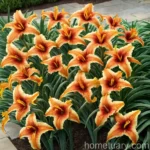
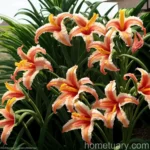
Hemerocallis ‘James Marsh’, commonly known as Daylily, is a perennial flowering plant that belongs to the Hemerocallidaceae family. It is prized for its stunning and vibrant blooms, which come in a wide range of colors, and its ease of care. The ‘James Marsh’ variety is particularly renowned for its exceptional attributes, making it a popular choice for gardeners and landscapers.
Key Takeaways – Hemerocallis ‘James Marsh’ (Daylily)
- Botanical Name: Hemerocallis ‘James Marsh’
- Common Name: Daylily
- Family: Hemerocallidaceae
- Plant Type: Perennial
- Blooms: Colorful, trumpet-shaped flowers
- Foliage: Grass-like, long, and strappy leaves
- Sunlight: Full sun to partial shade
- Water: Moderate and consistent moisture
- Soil: Well-draining, fertile soil
- Hardiness Zone: 3-10
- Height: 18-24 inches
- Spread: 18-24 inches
- Uses: Borders, mass plantings, containers, and cut flowers
Culture
Uses
Hemerocallis ‘James Marsh’ is a versatile plant that offers various uses in the garden and landscape settings. Some common uses include:
- Border Plant: Its vibrant blooms and long, arching leaves make it an excellent choice for border plantings.
- Mass Plantings: Daylilies can be planted in mass to create a stunning display of color and foliage.
- Containers: The compact size and beautiful blooms of ‘James Marsh’ make it suitable for container gardening.
- Cut Flowers: The showy and long-lasting flowers are perfect for floral arrangements and cut flower displays in indoor spaces.
Water
Proper hydration is crucial for the health and vigor of Hemerocallis ‘James Marsh’. Here are some key points to consider regarding watering needs:
- Consistent Moisture: Daylilies prefer moderate and consistent moisture levels. While they are relatively drought-tolerant once established, regular watering is essential, especially during periods of prolonged heat or drought.
- Avoid Overwatering: Ensure that the soil is well-draining and does not become waterlogged, as this can lead to root rot and other moisture-related issues.
Sunlight
The sunlight requirements of Hemerocallis ‘James Marsh’ are vital for its overall growth and flowering. Consider the following aspects when determining its sunlight needs:
- Full Sun: Daylilies thrive in full sunlight, receiving at least 6-8 hours of direct sunlight per day. This exposure fosters robust growth and abundant blooming.
- Partial Shade: While they prefer full sun, ‘James Marsh’ can also tolerate partial shade, especially in regions with intense afternoon sun or during exceptionally hot summers.
Fertilizer
Fertilization plays a significant role in ensuring the optimal growth and blooming of Hemerocallis ‘James Marsh’. Here are some fertilizer-related insights for this daylily variety:
- Balanced Fertilizer: Use a balanced, slow-release fertilizer in early spring before new growth emerges. Applying a fertilizer with an N-P-K ratio of 10-10-10 or similar will provide essential nutrients for healthy foliage and prolific blooming.
- Additional Feedings: If necessary, a light application of fertilizer can be applied during the growing season to support continuous growth and bloom production.
Soil
The quality and composition of the soil directly impact the overall health and performance of Hemerocallis ‘James Marsh’. Consider the following soil preferences when planting and caring for this daylily:
- Well-Draining Soil: Daylilies thrive in well-draining, fertile soil. Avoid waterlogged or compacted soil, as it can lead to root issues.
- pH Level: These plants prefer slightly acidic to neutral soil with a pH range of 6.0-7.0. Conduct a soil test to determine the pH level and make any necessary amendments to achieve the ideal conditions.
Pruning
Pruning is essential to maintain the vigor and aesthetic appeal of Hemerocallis ‘James Marsh’. Here are some pruning considerations for this daylily variety:
- Faded Blooms: Deadhead spent blooms regularly to promote continuous flowering and prevent the formation of seeds. Removing the faded flowers also improves the overall appearance of the plant.
- Spring Cleanup: In late winter or early spring, trim back any remaining foliage from the previous season to encourage new growth and tidy up the plant.
Propagation
The propagation of Hemerocallis ‘James Marsh’ allows for the expansion of its presence in the garden or landscape. Consider the following methods for propagating this daylily variety:
- Division: Divide mature clumps of daylilies in early spring or fall to create new plants. Carefully separate the rhizomes and replant them in the desired locations.
- Seed Propagation: While ‘James Marsh’ can be propagated from seeds, this method is less commonly used due to the variability of seed-produced plants. However, it can be an interesting option for hybridization and experimentation.
Container Popularity
Hemerocallis ‘James Marsh’ is well-suited for container gardening, offering a burst of vibrant color and foliage in contained spaces. Some key points regarding its popularity in containers include:
- Compact Size: The relatively compact size of ‘James Marsh’ makes it ideal for containers and pots on patios, balconies, or alongside other garden plants.
- Colorful Display: The striking blooms of this daylily variety create an attractive focal point in container arrangements, providing a bold and lively display.
Common Diseases
Understanding and identifying common diseases affecting Hemerocallis ‘James Marsh’ is crucial for implementing timely and effective management strategies. Some prevalent diseases to be aware of include:
- Leaf Streak: Characterized by elongated brown or yellow streaks on the leaves, leaf streak is a fungal disease that can weaken the plant over time. Proper sanitation and removal of infected leaves are essential for managing this issue.
- Rust: Rust-infected daylilies display orange pustules on the leaves, signaling the presence of this fungal disease. Remove and discard infected foliage and consider applying fungicidal treatments if the issue persists.
Disease Diagnosis
A vigilant approach to disease diagnosis is crucial for promptly addressing potential issues of Hemerocallis ‘James Marsh’. When assessing the plant for diseases, consider the following symptoms and visual cues:
- Leaf Discoloration: Pay attention to any unusual discoloration, spotting, or streaking on the leaves, which can indicate fungal or bacterial infections.
- Stunted Growth: If the plant exhibits stunted growth, wilting, or overall decline, investigate potential root diseases or physiological issues that may be affecting its health.
Common Pests
Being aware of common pests that may affect Hemerocallis ‘James Marsh’ is essential for early intervention and pest management. Some prevalent pests to watch out for include:
- Aphids: These small, soft-bodied insects can cluster on the undersides of leaves and cause damage by sucking plant sap. Hose off aphids with a strong jet of water or use insecticidal soap to control infestations.
- Thrips: Thrips can cause silvery or brownish streaks on daylily petals and can also affect the foliage. Regular inspection and the use of insecticidal treatments can help mitigate thrips damage.
Botanist’s Tips
As a botanist, I recommend the following tips for caring for Hemerocallis ‘James Marsh’ and maximizing its growth and beauty:
- Mulching: Apply a layer of organic mulch around the base of the plant to conserve moisture, suppress weeds, and protect the root system.
- Companion Planting: Pair ‘James Marsh’ with companion plants such as salvias, verbenas, and coreopsis to create visually appealing combinations and attract pollinators.
Fun Facts
- Daylilies are named for their individual blooms, which typically last for only one day, but the plants produce multiple buds, ensuring continuous flowering.
- While Hemerocallis ‘James Marsh’ is known for its striking blossoms, some species and varieties also feature edible flowers that can be used in culinary creations.
Links to External Resources
For additional information on Hemerocallis ‘James Marsh’ (Daylily) care, planting, and characteristics, refer to the following resources:
- American Hemerocallis Society
- The Daylily Hybridizer’s Association
- Royal Horticultural Society – Hemerocallis
- University of Illinois Extension – Daylilies
In summary, Hemerocallis ‘James Marsh’ (Daylily) is a remarkable perennial plant that offers an array of colors, hardiness, and versatility in garden and landscape applications. By understanding its care requirements, disease and pest management strategies, and potential uses, gardeners and enthusiasts can fully appreciate and successfully cultivate this stunning daylily variety. Whether planted in borders, containers, or mass displays, the vibrant blooms and graceful foliage of ‘James Marsh’ are sure to captivate and enhance any outdoor space.