Hemerocallis ‘Gentle Shepherd’ (Daylily): A Complete Guide
Introduction to Hemerocallis ‘Gentle Shepherd’ (Daylily)
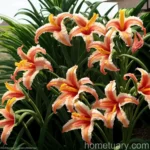
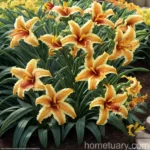
Hemerocallis ‘Gentle Shepherd’ or Daylily, is an exquisite perennial that belongs to the Hemerocallis genus, which comprises over 80,000 cultivars known for their visually stunning and vibrant blooms. The ‘Gentle Shepherd’ variety is particularly renowned for its pristine, ivory-white flowers with a delicate fragrance that adds an elegant charm to any garden or landscape. Understanding the essential aspects of the Hemerocallis ‘Gentle Shepherd’ is crucial for enthusiasts and horticulturists, as it offers valuable insights into its cultivation, care, and utilization in gardens.
Key Takeaways – Hemerocallis ‘Gentle Shepherd’ (Daylily)
- Plant Name: Hemerocallis ‘Gentle Shepherd’ (Daylily)
- Alternative Name: Gentle Shepherd daylily
- Classification: Perennial
- Flower Color: Creamy white
- Foliage Color: Green
- Fragrance: Delicate
- Bloom Time: Mid to late summer
- Sunlight: Full sun to partial shade
- USDA Hardiness Zones: 3-9
- Mature Height: 22-24 inches
- Mature Spread: 18-24 inches
- Soil Requirements: Well-draining, fertile soil
- Watering: Regular moisture
- Maintenance: Low
- Disease Resistance: Good
Hemerocallis ‘Gentle Shepherd’ (Daylily): Overview
The Hemerocallis ‘Gentle Shepherd’ is a coveted daylily variety, prized for its picturesque beauty and adaptability. Its luscious foliage and captivating, creamy white blossoms make it a sought-after addition to gardens, landscapes, and floral arrangements. This remarkable plant exhibits resilience, versatility, and an innate ability to thrive in various environmental conditions, making it a favorite among gardeners and landscape designers.
The following sections delve into the specifics of cultivating and caring for the Hemerocallis ‘Gentle Shepherd,’ from its ideal growing conditions to common diseases, maintenance practices, and fascinating botanical insights.
Culture
| Aspect | Description |
|---|---|
| Classification | Perennial |
| Color | Creamy white |
| Foliage Color | Green |
| Fragrance | Delicate |
| Bloom Time | Mid to late summer |
| Sunlight | Full sun to partial shade |
| USDA Hardiness Zones | 3-9 |
| Mature Height | 22-24 inches |
| Mature Spread | 18-24 inches |
| Soil Requirements | Well-draining, fertile soil |
| Watering | Regular moisture |
| Maintenance | Low |
| Disease Resistance | Good |
Uses
The Hemerocallis ‘Gentle Shepherd’ (Daylily) is a versatile plant renowned for its multiple uses, contributing to both the aesthetic appeal of gardens and the artistic expression of floral arrangements. Understanding its various applications allows for the optimal integration of this remarkable plant in diverse horticultural settings.
Garden Planting
- Adds elegance and grace to garden beds and borders.
- Serves as a captivating focal point in garden landscapes.
- Complements perennial beds and mixed borders with its luscious green foliage and delicate blooms.
- Thrives in full sun and partial shade, enhancing the visual appeal of both sun-drenched and shaded areas of gardens.
Cut Flower Production
- The creamy white blooms of the ‘Gentle Shepherd’ make it an ideal choice for cut flower production and floral arrangements.
- Its delicate fragrance adds allure to bouquets and floral centerpieces.
- Offers a sustainable source of cut flowers for both personal and commercial use.
Container Gardening
- Flourishes in containers and pots, making it a valuable addition to terrace gardens, balconies, and urban gardening spaces.
- Adds a touch of elegance to outdoor living areas and confined garden spaces.
Water
Proper watering is essential for the optimal growth and blooming of Hemerocallis ‘Gentle Shepherd.’ Being well-informed about its water requirements enables gardeners to ensure its thriving and enhance its ornamental value.
- Regular Moisture: The Daylily thrives in consistently moist soil. While it is essential to avoid waterlogged conditions, the soil should never be allowed to dry out completely.
- Mulching: Applying a layer of organic mulch around the plant helps retain soil moisture, reduces water evaporation, and mitigates the risk of weed growth.
Sunlight
The Hemerocallis ‘Gentle Shepherd’ exhibits remarkable adaptability to different light conditions, making it an excellent choice for a variety of garden settings based on sunlight availability.
- Full Sun: Thrives in full sun, with at least six hours of direct sunlight per day. Full sun exposure enhances blooming and foliage coloration.
- Partial Shade: Tolerates partial shade, particularly in warmer climates. Partial shade can help protect the plant from intense midday sun and prevent leaf scorching.
Fertilizer
Proper fertilization is essential for promoting robust growth, lush foliage, and prolific blooming in Hemerocallis ‘Gentle Shepherd.’ A balanced fertilization regimen ensures the plant’s overall health and ornamental appeal.
- Fertilizer Type: Apply a balanced, slow-release fertilizer formulated for flowering perennials in early spring as new growth emerges.
- Application Rate: Follow the manufacturer’s recommendations for application rates and frequency. Avoid over-fertilization, as excessive nutrients can lead to lush foliage at the expense of blooms.
- Fertilizer Timing: A second application of fertilizer can be beneficial in early summer to support the development of flower buds.
Soil
The soil composition significantly influences the growth, development, and overall health of Hemerocallis ‘Gentle Shepherd.’ Understanding its soil preferences is essential for creating an optimal growing environment.
- Well-Draining Soil: Thrives in well-draining, fertile soil that allows excess moisture to percolate freely. Avoid waterlogged or compacted soils to prevent root rot and other moisture-related issues.
- Soil pH: Tolerates a wide range of soil pH levels, but neutral to slightly acidic soils (pH 6.0-6.5) are ideal for promoting nutrient availability and overall plant vitality.
Pruning
Pruning plays a crucial role in maintaining the vigor, aesthetics, and blooming performance of Hemerocallis ‘Gentle Shepherd.’ A well-executed pruning regimen helps prevent overcrowding, encourages rejuvenation, and enhances the plant’s overall ornamental value.
- Spring Pruning: Remove any winter-damaged or dead foliage in early spring to promote fresh, new growth.
- Deadheading: Remove spent blooms promptly to encourage continuous blooming and prevent the formation of seed pods.
- Dividing: Periodically divide mature clumps every 3-4 years to rejuvenate the plant, enhance blooming, and manage its size.
Propagation
Propagation methods enable gardeners to expand their collection of Hemerocallis ‘Gentle Shepherd’ and share its beauty with others. By understanding the various propagation techniques, enthusiasts can multiply their plants and preserve exceptional cultivars.
Division
- Division Timing: Divide clumps in early spring as new growth emerges or in late summer after blooming.
- Procedure: Carefully separate the clumps into smaller sections, ensuring that each division has healthy roots and shoots.
- Planting Divisions: Replant the divisions at the appropriate spacing and water them thoroughly to promote establishment.
Seed Propagation
- Seed Harvesting: Collect mature seeds from spent flower heads in late summer.
- Germination: Sow the seeds in a well-draining seed-starting mix and maintain consistent moisture and warmth for successful germination.
- Transplanting Seedlings: Transplant the seedlings into individual pots or nursery beds once they develop their true leaves and establish a robust root system.
Container Popularity
The Hemerocallis ‘Gentle Shepherd’ is well-suited for container cultivation, offering an avenue for gardeners to adorn outdoor living spaces with its captivating beauty.
- Container Selection: Choose a spacious container with adequate drainage holes to accommodate the plant’s root system and allow excess moisture to escape.
- Potting Mix: Utilize a well-draining potting mix formulated for flowering perennials, ensuring proper aeration and moisture retention.
- Placement: Position the container in a location that receives ample sunlight, ensuring the plant’s sunlight requirements are met for optimal growth and blooming.
Common Diseases
Disease Name: Hemerocallis Gall Midge
**Causal Agent: Contarinia quinquenotata
Symptoms:
– Warty or gall-like swellings on flower buds and stems.
– Deformed or non-functional blooms and inflorescences.
– Distorted growth and stunted development.
Management:
– Promptly remove and destroy affected plant parts to reduce the spread of the pest.
– Monitor for adult midges and employ targeted insecticide applications if infestations are severe.
– Avoid over-fertilization, as excessive nitrogen can exacerbate gall midge infestations.
Disease Diagnosis
Identifying and diagnosing diseases affecting Hemerocallis ‘Gentle Shepherd’ is vital for implementing timely and effective management strategies. Effective disease diagnosis involves recognizing characteristic symptoms and employing appropriate measures to mitigate the impact of diseases on plant health.
Symptom Identification
- Foliage Discoloration: Yellowing, browning, or mottling of leaves.
- Stem Lesions: Dark lesions or cankers on stems and petioles.
- Abnormal Growth: Stunted growth, distorted shoots, or deformed flower structures.
Diagnostic Tools
- Microscopic Examination: Microscopic analysis of affected tissues to identify fungal spores or bacterial structures.
- Laboratory Testing: Submit samples to diagnostic laboratories for comprehensive disease testing and pathogen identification.
- Visual Inspection: Thorough inspection of the plant for characteristic symptoms and signs of disease infestation or infection.
Common Pests
Pest Name: Aphids
Causal Agent: Various species within the Aphididae family
Symptoms:
– Sticky honeydew on foliage and stems, often leading to sooty mold development.
– Distorted growth and puckering of new shoots and leaves.
– Stunted or reduced plant vigor.
Management:
– Encourage natural predators such as ladybugs and lacewings to control aphid populations.
– Implement horticultural oils or insecticidal soaps to mitigate aphid infestations.
– Regularly inspect plants for early signs of aphid colonization and intervene promptly to prevent population escalation.
Botanist’s Tips
Hemerocallis ‘Gentle Shepherd’ Care Essentials
- Optimal Sunlight: Provide the plant with the appropriate amount of sunlight based on its requirements for robust growth and blooming.
- Moderate Watering: Maintain consistent soil moisture without allowing waterlogging, especially during hot and dry periods.
- Fertilization Balancing: Apply a balanced fertilizer at the recommended rates to promote blooming and overall plant vigor.
- Pest and Disease Surveillance: Regularly monitor for pests and diseases to intervene promptly and prevent extensive damage.
- Pruning Regimen: Practice regular deadheading and spring clean-up to maintain the plant’s health and aesthetic appeal.
Garden Design and Landscaping
- Focal Point Planting: Use Hemerocallis ‘Gentle Shepherd’ as a captivating focal point in garden beds or borders, enhancing visual interest and charm.
- Mass Planting: Create stunning displays by mass planting ‘Gentle Shepherd’ daylilies, showcasing their collective splendor in garden landscapes.
- Companion Planting: Pair with contrasting foliage plants or complementary perennials to create harmonious garden compositions and color contrasts.
Fun Facts
- The name “Hemerocallis” is derived from the Greek words “hemera” (day) and “kalos” (beautiful), emphasizing the plant’s remarkable day-long blooming cycle.
- Daylilies are treasured for their edible flowers, with certain cultivars used in culinary applications such as garnishing salads and desserts.
- Hemerocallis ‘Gentle Shepherd’ is known to attract pollinators, contributing to the ecological balance and diversity of garden ecosystems.
Links to External Resources
- American Hemerocallis Society
- Gardening Know How – Daylily Care
- University of Illinois Extension – Daylilies
In conclusion, Hemerocallis ‘Gentle Shepherd’ (Daylily) exemplifies the intrinsic beauty and botanic splendor that enriches garden landscapes and floral displays. As a symbol of grace and enduring elegance, this exceptional perennial captivates the hearts of gardeners and admirers worldwide, embodying the boundless allure of nature’s floral treasures. Understanding its cultivation, care requirements, and ecological roles empowers enthusiasts to embrace the timeless enchantment of the ‘Gentle Shepherd’ daylily, fostering a deeper appreciation for the botanical marvels that grace our natural world.