Helleborus niger (Christmas Rose)
What is Helleborus niger?
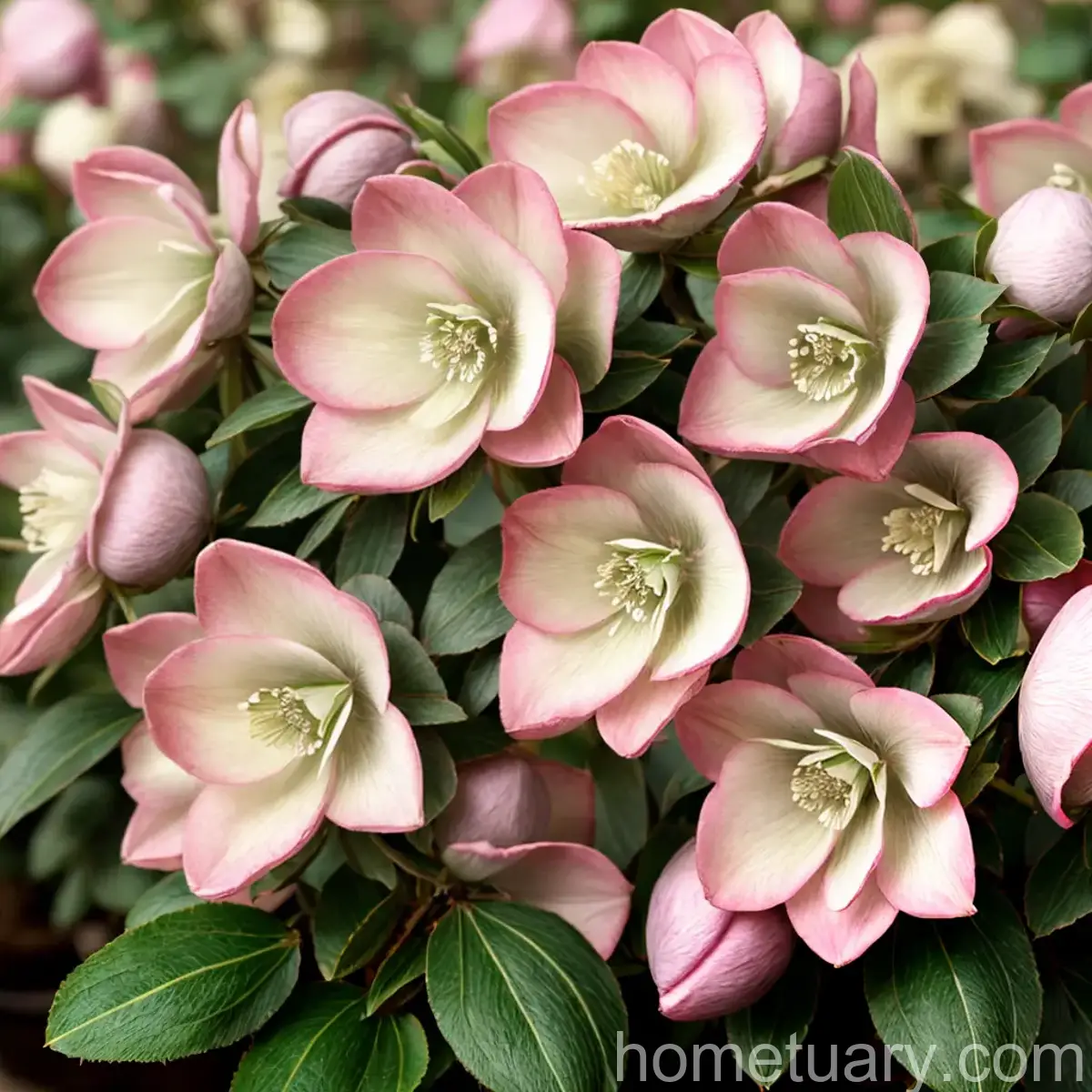
Helleborus niger, commonly known as Christmas Rose, is a perennial flowering plant belonging to the Ranunculaceae family. This plant is native to the mountainous regions of Central Europe, including the Alps and the northern Apennines. Helleborus niger is celebrated for its captivating winter and spring blooms, which appear in shades of white and sometimes tinged with pink.
The name “Christmas Rose” is derived from the legend that it blossoms around Christmas, although in reality, its flowering period begins in late winter to early spring. This plant has been cultivated and admired for centuries, not only for its ornamental value but also for its various cultural, medicinal, and practical uses.
Key Takeaways – Helleborus niger (Christmas Rose)
Culture
- Helleborus niger is a winter-blooming perennial plant with enchanting, rose-like flowers.
- It possesses a rich cultural history, often associated with folklore and symbolism.
- Known for its medicinal properties and folkloric uses.
Uses
- Ornamental plant for gardens, borders, and containers.
- Contains compounds with potential medicinal applications.
Water
- Moderate watering requirements, ensuring the soil remains consistently moist but not waterlogged.
Sunlight
- Flourishes in partial shade to full shade conditions, especially during the heat of the day.
Fertilizer
- An annual application of balanced fertilizer in early spring to support healthy growth and flowering.
Soil
- Thrives in fertile, well-draining soil with a slightly acidic to neutral pH.
Pruning
- Minimal pruning required, mainly the removal of spent flowers and damaged foliage.
Propagation
- Via division or seeds, although division is the preferred method for maintaining specific characteristics and avoiding variability.
Container Popularity
- Well-suited for container gardening, particularly in regions with harsh winters.
Common Diseases
- Susceptible to certain fungal diseases, including leaf spot and crown rot.
Disease Diagnosis
- Vigilant monitoring for signs of disease and prompt treatment are crucial for preserving plant health.
Common Pests
- Potential threats include aphids, slugs, and nematodes.
Botanist’s Tips
- Choose a shaded location with well-draining soil for optimal growth and flowering.
Fun Facts
- Helleborus niger has a rich history in European folklore and has been associated with various cultural traditions.
Links to External Resources
- Royal Horticultural Society – Helleborus niger
- The American Phytopathological Society – Helleborus niger Diseases
Now, let’s explore each of these aspects in greater detail, providing insights into the cultivation, care, and characteristics of Helleborus niger.
Helleborus niger Care
Helleborus niger, or the Christmas Rose, is a captivating addition to gardens and landscapes. As with any plant, understanding its specific care requirements is crucial for fostering healthy growth and blooming. Let’s delve into the details of caring for Helleborus niger, covering factors such as cultivation, planting tips, maintenance, and environmental preferences.
Growing Christmas Rose Plants
Cultivating Helleborus niger requires a comprehensive understanding of its preferences for soil, water, sunlight, and fertilization. Incorporating these aspects into the plant’s care regimen is essential for promoting robust growth and abundant blooms.
Helleborus niger Cultivation
Soil Requirements
Helleborus niger flourishes in well-draining, fertile soil with a slightly acidic to neutral pH. Loamy or sandy soil types are suitable, provided they offer good drainage to prevent waterlogging, which can lead to root rot. An organic-rich soil structure supports the plant’s nutritional needs and moisture retention.
Christmas Rose Plant Characteristics
Helleborus niger is distinguished by its elegant, rose-like flowers, which exhibit delicate white petals, occasionally adorned with a hint of pink. The plant’s evergreen foliage contributes to its ornamental appeal, remaining verdant throughout the year and serving as an attractive backdrop for the blooms.
Best Conditions for Helleborus niger
Sunlight Preferences
In its natural habitat, Helleborus niger thrives in partially shaded to fully shaded environments. When cultivated, providing dappled sunlight or morning sun with afternoon shade is ideal. Shielding the plant from direct midday sun mitigates the risk of leaf scorch and maintains a favorable microclimate for its growth.
Watering Needs
Moderate and consistent moisture levels are essential for the well-being of Helleborus niger. While it tolerates short dry spells, prolonged drought can compromise its vitality and flowering capacity. Adequate watering, especially during periods of low rainfall or dry winters, is critical to sustaining healthy growth and enabling the plant to blossom profusely.
Helleborus niger Planting Tips
When growing Helleborus niger, strategic planting and thoughtful placement contribute to its overall success and longevity. Here are several practical tips to consider when incorporating this enchanting plant into the landscape:
-
Shade Gardening Tips: Integrate Helleborus niger into shade gardens, woodland settings, or beneath deciduous trees to provide the desired lighting conditions and create visually appealing compositions.
-
Winter Care: Implement protective measures, such as mulching, to shield the plant from extreme cold and temperature fluctuations, especially during the winter season. This safeguards the roots and ensures robust regrowth in the subsequent seasons.
-
Companion Planting: Pair Helleborus niger with complementary shade-loving species to enhance visual interest and create dynamic planting combinations. Suitable partners include ferns, hostas, and spring-blooming bulbs, which harmonize with the Christmas Rose’s flowering period.
Helleborus niger Varieties
Helleborus niger encompasses an array of cultivars that display nuances in flower color, size, and blooming season. Selecting from these diverse varieties allows for the customization of garden designs and introduces an assortment of floral attributes to enrich the landscape.
Helleborus niger in the Garden
Integrating Helleborus niger into garden settings contributes to the establishment of winter interest, ensuring that the landscape remains visually captivating during the colder months. Placing the plant in strategic locations, such as along pathways or near entryways, enables its blossoms to be admired and appreciated.
Helleborus niger Soil Requirements
This species demonstrates a preference for well-draining soil, which facilitates aeration and root stability. Assessing soil composition and amending it with organic matter, if necessary, promotes an optimal growing environment for Helleborus niger.
Helleborus niger Blooming Season
The blooming season of Helleborus niger typically commences in late winter and extends into early spring, providing a welcome burst of floral beauty amidst the serene winter landscape. The plant’s capacity to bloom during this period enhances its desirability as a garden ornamental and bolsters its significance in seasonal gardening layouts.
How to Propagate Helleborus niger
Propagation Techniques
Helleborus niger can be propagated through division or seeds. Division involves separating the plant’s rhizomes to establish new individuals, retaining the desired characteristics of the parent plant. Conversely, growing from seeds introduces genetic variability, yielding unique specimens with diverse traits.
Growing Helleborus niger from Seed
When cultivating Helleborus niger from seed, it is crucial to exercise patience, as the germination process can be prolonged. Sowing the seeds in a well-prepared seedbed and providing consistent moisture and moderate temperatures facilitates successful establishment and germination.
Helleborus niger Pests and Diseases
Despite its resilience, Helleborus niger is susceptible to certain pests and diseases that necessitate vigilant monitoring and proactive management.
Helleborus niger Common Diseases
Leaf Spot and Crown Rot
Leaf spot, caused by various fungal pathogens, presents as dark, circular lesions on the foliage. Practicing good sanitation and promoting adequate air circulation minimizes the risk of infection.
Crown rot, attributed to excessive soil moisture and poor drainage, manifests as necrosis at the plant’s base. Adjusting irrigation practices and addressing drainage issues mitigate the occurrence of this detrimental disease.
Christmas Rose Plant Uses
The multifaceted utility of Helleborus niger extends beyond its ornamental allure, encompassing various practical and cultural applications.
Helleborus niger Medicinal Properties
Historically, Helleborus niger has been associated with medicinal uses, attributed to its chemical compounds with potential therapeutic value. However, caution should be exercised, as the plant contains toxic components that require careful management in any medicinal context.
Helleborus niger Common Names
Helleborus niger is known by several common names, including Christmas Rose and Black Hellebore. These designations reflect the plant’s seasonal flowering period and its dark-colored roots, which contribute to its alternative moniker.
Christmas Rose Folklore and Symbolism
Entwined with folklore and symbolism, Helleborus niger has featured prominently in cultural traditions and narratives. The mystical and enchanting qualities ascribed to the plant have bestowed upon it a rich tapestry of symbolic significance, evoking diverse interpretations across different cultures and historical contexts.
Helleborus niger Container Gardening
Container Popularity
The portability and adaptability of Helleborus niger render it a favored choice for container gardening, particularly in regions characterized by harsh winters. Planting the Christmas Rose in containers expands its cultivation potential, allowing individuals with limited garden space to relish its captivating blooms and evergreen foliage.
Helleborus niger for Winter Interest
In container plantings, Helleborus niger contributes to the establishment of winter interest, enriching balcony, patio, and courtyard landscapes with its enduring beauty. Its suitability for container growth affords flexibility in positioning and facilitates close monitoring of its care requirements.
Helleborus niger for Shade Gardens
Capitalizing on its affinity for shaded environments, Helleborus niger can be incorporated judiciously into shade gardens and woodland-inspired landscapes, adding textural and visual diversity to these specialized gardening settings.
Helleborus niger Landscape Design
In landscape design, Helleborus niger enables the creation of tranquil, contemplative spaces that are imbued with a timeless elegance. Integrating the Christmas Rose into garden compositions evokes a sense of natural charm and seasonal enchantment.
Helleborus niger Sun Exposure
Exposing Helleborus niger to dappled sunlight or partial shade during the cooler hours of the day ensures that it receives an adequate amount of light without enduring the harsh intensity of direct sun rays.
Helleborus niger Hardiness Zones
The cultivation of Helleborus niger is suitable for hardiness zones 4 through 8, encompassing regions with varying climate conditions. Understanding the plant’s adaptability to specific zones aids in determining its potential for successful growth in diverse geographical areas.
Helleborus niger Pollination Methods
Helleborus niger relies on pollinators, such as bees and other insects, for its reproductive processes. These interactions underscore the plant’s ecological significance and underscore its role in supporting local wildlife populations.
Conclusion
In conclusion, Helleborus niger, or the Christmas Rose, captivates and enthralls with its remarkable beauty, cultural significance, and versatile applications. Understanding the intricacies of its care, environmental preferences, and unique characteristics is instrumental in fostering its well-being and enabling individuals to appreciate its timeless allure. By embracing the insights and guidelines presented here, enthusiasts and horticulturalists can embark on a journey of discovery and appreciation for this extraordinary botanical gem.
As we reflect on the rich tapestry of Helleborus niger’s attributes, from its winter-blooming flowers to its medicinal heritage and enthralling folklore, it becomes evident that this plant transcends mere ornamentation, embodying a profound connection to history, culture, and the natural world. Embracing its botanical marvels contributes to the cultivation of enchanting landscapes and the perpetuation of its enduring legacy.
Disclaimer: The purpose of this blog post is to provide horticultural insights and guidelines for the cultivation and care of Helleborus niger. As with any plant-related activities, it is advisable to seek advice from local gardening experts and extension services to ensure that practices align with regional recommendations and regulations.