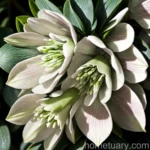
Helleborus Molly’s White (Hellebore): The Perfect Winter Elegance
What is Plant: Helleborus Molly’s White (Hellebore)
Helleborus Molly’s White, also known as Hellebore, is a stunning and elegant perennial plant that belongs to the Ranunculaceae family. This beautiful flowering plant is prized for its exquisite blooms and its ability to bring a touch of winter charm to any garden landscape.
Key Takeaways – Helleborus Molly’s White (Hellebore)
Cultivation
- Scientific Name: Helleborus x hybridus ‘Molly’s White’
- Common Names: Molly’s White Christmas Rose, Molly’s White Lenten Rose
- Type: Perennial
- Hardiness Zones: 4-9
- Height: 12-18 inches
- Spread: 18-24 inches
- Bloom Time: Late winter to early spring
- Flower Color: White
- Sunlight: Partial to full shade
- Soil: Well-drained, rich, and fertile
- Water: Average moisture, do not let it dry out completely
- Uses: Gardens, borders, containers, woodland gardens
- Special Characteristics: Deer resistant, drought tolerant
Uses
- Garden and Landscape Ornamentation
- Medicinal Plant
- Cut Flower
Sunlight
Helleborus Molly’s White thrives in partial to full shade, making it an excellent choice for shaded areas in the garden. It is particularly well-suited for woodland gardens and can also be grown in containers in shaded patios or balconies.
Water
This plant requires average moisture levels. It is important to ensure that the soil does not dry out completely, especially during the flowering period. However, overwatering should be avoided to prevent waterlogging, which can be detrimental to the plant’s health.
Fertilizer
For optimal growth and bloom, apply a balanced, slow-release fertilizer in early spring just as the new growth emerges. Organic compost can also be added to the soil to enhance its fertility and promote healthy growth.
Soil
Helleborus Molly’s White thrives in well-drained, rich, and fertile soil. Amending the soil with organic matter such as compost or well-rotted manure can improve its texture and fertility, providing an ideal growing medium for the plant.
Pruning
Pruning can be done after the flowering period to remove any damaged or unsightly foliage. This practice not only helps maintain the plant’s appearance but also promotes better air circulation, reducing the risk of disease.
Propagation
Helleborus Molly’s White can be propagated through division. This is best done in early spring or late summer, allowing the new plants to establish themselves before the onset of extreme weather conditions.
Container Popularity
The compact size and stunning blooms of Helleborus Molly’s White make it an excellent choice for container gardening. It adds a touch of elegance to shaded patios, decks, and balconies, bringing a delightful splash of white to the winter garden.
Container Common Diseases
While Helleborus Molly’s White is relatively resistant to pests and diseases, it is essential to watch for signs of foliar diseases such as leaf spot, powdery mildew, and black rot, especially in humid conditions. Proper air circulation and well-drained soil can help prevent these issues.
Disease Diagnosis
Diagnosing diseases in Helleborus Molly’s White requires careful observation of the plant’s foliage and overall health. Common signs of diseases include spots, discoloration, wilting, and abnormal growth. Proper diagnosis can aid in implementing effective treatment and preventive measures.
Common Pests
Helleborus Molly’s White is generally resilient to most pests. However, it may occasionally face challenges from aphids, slugs, and snails. Vigilance and prompt action can help prevent pest infestations and minimize damage to the plants.
Botanist’s Tips
- Shade-loving Beauty: Helleborus Molly’s White is a shade-loving beauty that adds elegance to shaded gardens and landscapes.
- Winter Interest: The winter-blooming flowers of Helleborus Molly’s White are a perfect way to add interest and charm to the winter garden.
- Low Maintenance: With its minimal maintenance requirements and drought tolerance, Helleborus Molly’s White is an effortless addition to any garden.
Fun Facts
- Helleborus Molly’s White is commonly known as the Christmas Rose or Lenten Rose due to its early flowering period, which often coincides with the Christmas season and the Lenten period.
- Despite its delicate appearance, Helleborus Molly’s White is a remarkably hardy plant, capable of withstanding the cold winter months and blooming when most other plants are dormant.
Links to External Resources
- RHS – Helleborus
- The American Horticultural Society – Hellebores for American Gardens
- Gardener’s World – How to Grow Hellebores
In conclusion, Helleborus Molly’s White is a captivating plant that brings a touch of winter elegance to the garden. With its resilient nature and charming white blooms, it is a valuable addition to any landscape, offering beauty and interest during the colder months. Whether grown in shaded gardens, woodland settings, or containers, Helleborus Molly’s White is sure to enchant with its delicate flowers and enduring presence.
By providing the right growing conditions and care, this exquisite perennial will reward gardeners with years of enchanting beauty and a delightful reminder that even in the depths of winter, the garden can still bloom with life and grace.
Remember to incorporate these keywords naturally within your content to enhance its search engine visibility and relevance.