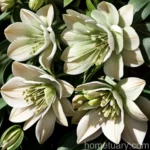
Hellebore (Helleborus x hybridus ‘Blue Lady’): A Complete Guide
Hellebore, also known as Helleborus x hybridus ‘Blue Lady,’ is a stunning perennial plant that is highly prized for its delicate, nodding flowers and robust nature. As a plant scientist, I am thrilled to share this comprehensive guide that covers everything you need to know about hellebore, from its cultivation and care to its landscape uses and ecological benefits.
What is Hellebore (Helleborus x hybridus ‘Blue Lady’)?
Helleborus x hybridus ‘Blue Lady’ is a member of the Ranunculaceae family, commonly known as the buttercup family. This exquisite perennial plant is a hybrid of several Helleborus species and is treasured for its striking, nodding flowers that appear in late winter to early spring, often when most other plants are still dormant. The ‘Blue Lady’ variety is particularly sought after for its unique blue-tinged blooms, which add a touch of elegance to any garden setting.
Key Takeaways – Hellebore (Helleborus x hybridus ‘Blue Lady’)
Here are some of the key takeaways related to Helleborus x hybridus ‘Blue Lady’ that we’ll delve deeper into:
- Culture: Understanding the ideal growing conditions for hellebore.
- Uses: Exploring the versatile uses of this beautiful plant.
- Water: Learning about the watering requirements for optimal growth.
- Sunlight: Determining the sunlight preferences for hellebore.
- Fertilizer: Discussing the essential nutrients and fertilization techniques.
- Soil: Exploring the soil requirements for hellebore.
- Pruning: Guidelines for proper pruning techniques to maintain plant health.
- Propagation: Understanding the methods for propagating hellebore.
- Container Popularity: Discovering its suitability for container gardening.
- Common Diseases: Identifying potential diseases and their management.
- Common Pests: Understanding common pests and methods for control.
- Botanist’s Tips: Insights and recommendations from a plant science perspective.
- Fun Facts: Exploring interesting and lesser-known facts about hellebore.
Now, let’s dive into the world of Helleborus x hybridus ‘Blue Lady’ and uncover the secrets to cultivating, caring for, and enjoying this captivating plant.
Culture
Uses
One of the most appealing aspects of Helleborus x hybridus ‘Blue Lady’ is its versatility in garden and landscape design. This enchanting plant can be utilized in a variety of ways, including:
- Garden Borders: The nodding, pastel-colored flowers of ‘Blue Lady’ hellebore create an enchanting border in garden beds and along pathways.
- Woodland Gardens: Due to its shade tolerance and early blooming period, hellebore thrives in woodland settings, adding color and interest to these natural areas.
- Container Gardening: The compact nature of ‘Blue Lady’ hellebore makes it well-suited for container planting, allowing for easy integration into balconies, patios, and small outdoor spaces.
- Cut Flower Arrangements: The long-lasting blooms of hellebore make it an excellent choice for cut flower arrangements, bringing a touch of elegance to indoor spaces.
- Mixed Borders: Helleborus x hybridus ‘Blue Lady’ complements a wide range of companion plants, making it an ideal candidate for mixed border plantings.
Water
Helleborus x hybridus ‘Blue Lady’ has moderate water needs. Adequate moisture is essential for the plant’s establishment and growth. However, it’s important to ensure that the soil is well-draining to prevent waterlogging, which can lead to root rot and other issues. Here are some general guidelines for watering hellebore:
- Established Plants: Once established, hellebore is relatively drought tolerant. Water deeply and less frequently, allowing the soil to partially dry out between watering sessions.
- Newly Planted Hellebores: Provide regular, consistent moisture to newly planted hellebore to support root development and overall health.
- Avoid Overhead Watering: To prevent fungal diseases, ensure that water is directed at the base of the plant, avoiding wetting the foliage, especially during the evening hours.
Sunlight
Helleborus x hybridus ‘Blue Lady’ flourishes in partial shade to full shade conditions. This makes it an excellent choice for areas of the garden that receive dappled sunlight or are shaded by trees, structures, or buildings. The plant’s preference for shade also contributes to its early bloom period, as it is less reliant on direct sunlight to initiate flowering.
When selecting a planting location, consider the following sunlight preferences for hellebore:
- Partial Shade: Ideal for promoting robust growth and prolific flowering.
- Full Shade: Suitable for areas with limited direct sunlight, such as under deciduous trees or along the north side of buildings.
- Protection from Hot Afternoon Sun: In regions with intense summer heat, providing afternoon shade can help prevent stress on the plant.
Fertilizer
Proper fertilization is essential for promoting healthy growth and abundant flowering in Helleborus x hybridus ‘Blue Lady.’ When it comes to fertilizing hellebore, it’s important to choose a balanced, slow-release fertilizer specifically formulated for perennial plants. Here are some fertilizer guidelines for hellebore:
- Timing: Apply a light, balanced fertilizer in early spring as new growth emerges. Avoid heavy fertilization, as hellebore generally thrives in soil with moderate nutrient levels.
- Application: Spread the fertilizer evenly around the base of the plant, taking care to avoid direct contact with the foliage.
- Organic Options: Incorporating well-rotted compost or organic mulch around the base of hellebore can provide a gentle, natural source of nutrients as it decomposes.
Soil
Helleborus x hybridus ‘Blue Lady’ thrives in well-draining, organically rich soil with a slightly acidic to neutral pH. When selecting a planting site or preparing a container for hellebore, consider the following soil requirements:
- Moisture Retention: While it’s important for the soil to drain well, it should also retain sufficient moisture to support the plant’s water needs.
- Amendments: Incorporating organic matter such as compost, peat moss, or well-rotted manure can improve soil structure and fertility, creating an ideal environment for hellebore.
- Avoid Waterlogged Soil: Ensuring good drainage is crucial, as hellebore is susceptible to root rot in excessively wet conditions.
Pruning
Pruning hellebore is relatively minimal and primarily focused on removing old, damaged, or unsightly foliage to maintain plant health and aesthetics. Here are some key points to consider when it comes to pruning hellebore:
- Spring Clean-up: In late winter to early spring, remove any tattered or discolored leaves to allow the emerging blooms to take center stage.
- Deadheading: As the flowers fade, pinching off the spent blooms can encourage additional flowering and prevent the plant from expending energy on seed production.
- Minimal Intervention: Helleborus x hybridus ‘Blue Lady’ generally requires minimal pruning beyond routine maintenance, as the plant maintains an attractive form throughout the growing season.
Propagation
Propagating Helleborus x hybridus ‘Blue Lady’ can be done through division or seed propagation. Here’s a brief overview of each method:
Division
Division is a common propagation method for hellebore and is typically carried out in early spring when new growth is emerging. Here’s how to divide hellebore:
- Prepare the Plant: Dig up the mature hellebore plant, taking care to disturb the roots as little as possible.
- Divide the Rootball: Using a sharp, clean knife, divide the rootball into sections, ensuring that each division has sufficient roots and healthy growth points.
- Replant: Plant the divisions in prepared soil or containers, ensuring adequate moisture and protection from direct sunlight to support their establishment.
Seed Propagation
While hellebore can also be propagated from seed, this method requires patience, as the plants grown from seed may take several years to reach maturity and begin flowering. Here’s an overview of seed propagation for hellebore:
- Seed Collection: Gather mature seeds from the previous season’s blooms.
- Seed Starting: Sow the seeds in a well-draining, moist seed starting mix in containers or seed trays. Keep the soil consistently moist and provide warmth for germination.
- Seedling Care: Once the seedlings have developed several sets of true leaves, they can be transplanted into individual pots or a prepared garden area.
With patience and care, both division and seed propagation can yield new hellebore plants, allowing you to expand your collection or share the beauty of ‘Blue Lady’ hellebore with fellow gardening enthusiasts.
Container Popularity
The compact size and graceful nature of Helleborus x hybridus ‘Blue Lady’ make it an excellent candidate for container gardening. Whether placed on a patio, balcony, or within garden beds, hellebore brings grace and beauty to container plantings. When growing hellebore in containers, consider the following tips:
- Pot Selection: Choose a well-draining container with adequate drainage holes to prevent waterlogging.
- Potting Mix: Select a high-quality potting mix that is formulated for perennial plants and provides good aeration and drainage.
- Watering: Monitor the moisture levels closely, as containers can dry out more quickly than garden soil, especially during hot, dry periods.
- Protection from Extreme Conditions: Position the containers in a location that provides appropriate sunlight and shelter from harsh winds or excessive heat.
The adaptability of hellebore to container gardening makes it an attractive option for gardeners with limited space or those seeking to add early spring interest to outdoor living areas.
Common Diseases
Helleborus x hybridus ‘Blue Lady’ is generally resilient to many common garden diseases. However, a few issues can occasionally affect the health and appearance of the plant. Here are some common diseases that may impact hellebore, along with management strategies:
- Botrytis Blight: Characterized by gray mold on the foliage and flowers, botrytis blight can be managed by ensuring good air circulation, avoiding overhead watering, and promptly removing affected plant material.
- Black Death: This condition results in blackened stems, foliage, and flowers. The best approach is to promptly remove and discard affected plant parts and ensure good sanitation practices.
- Crown Rot: Excessive moisture and poor drainage can lead to crown rot. Improve drainage and avoid overwatering to prevent this issue.
Preventative measures, such as providing adequate spacing between plants, promoting good air circulation, and maintaining proper watering practices, can help minimize the risk of disease in hellebore.
Disease Diagnosis
Diagnosing diseases in hellebore requires careful observation of the plant’s symptoms and an understanding of common issues that affect this species. Here are some visual cues and diagnostic tips for identifying potential diseases in hellebore:
- Fungal Infections: Look for signs of fungal diseases, such as powdery mildew, leaf spots, or gray mold on the foliage and flowers. Proper air circulation and moisture management are crucial for preventing and addressing fungal issues.
- Physiological Disorders: Monitor the overall health and vigor of the plant. Symptoms such as wilting, yellowing foliage, or stunted growth could indicate underlying physiological issues that may require adjustments to the plant’s care and growing conditions.
Consulting with a plant health specialist or local cooperative extension office can provide valuable guidance in diagnosing and managing specific diseases and disorders that may affect hellebore in your region.
Common Pests
Helleborus x hybridus ‘Blue Lady’ is generally resistant to most pests, making it a low-maintenance plant in terms of pest management. However, a few pests may occasionally pose a threat to hellebore. Here are some common pests that may affect hellebore, along with their management:
- Aphids: These tiny, soft-bodied insects can cluster on the undersides of leaves, sucking plant juices and causing distortion and discoloration. Insecticidal soap or horticultural oils can be used to control aphid populations.
- Slugs and Snails: These mollusks may feed on young hellebore leaves and flowers, resulting in ragged damage. Physical barriers, such as copper tape or diatomaceous earth, can deter slugs and snails from reaching the plants.
Regular monitoring and prompt intervention, when necessary, can help keep pest populations in check and protect the health and beauty of ‘Blue Lady’ hellebore.
Botanist’s Tips
As a plant scientist, I have gathered some valuable insights and recommendations for growing and caring for Helleborus x hybridus ‘Blue Lady.’ Here are a few tips to ensure the success and longevity of this captivating plant:
- Seasonal Maintenance: Conduct regular inspections of hellebore throughout the year, paying particular attention to pruning, fertilization, and overall plant health.
- Mulching: Apply a layer of organic mulch around the base of hellebore to conserve moisture, suppress weed growth, and insulate the roots during extreme temperatures.
- Companion Planting: Consider pairing hellebore with other shade-loving perennials, such as ferns, hostas, and heucheras, to create visually appealing and ecologically beneficial garden compositions.
By incorporating these botanist’s tips into your hellebore care routine, you can enhance the resilience and beauty of ‘Blue Lady’ hellebore in your garden or landscape.
Fun Facts
No exploration of Helleborus x hybridus ‘Blue Lady’ would be complete without uncovering some intriguing and lesser-known facts about this remarkable plant. Here are a few fun facts to deepen your appreciation for hellebore:
- Lenten Rose: Helleborus x hybridus is often referred to as the “Lenten Rose” due to its early spring flowering period, coinciding with the Lenten season in the Christian calendar.
- Toxicity: While prized for its ornamental value, hellebore is considered toxic to humans and pets if ingested, making it a deer-resistant and critter-resistant addition to the garden.
- Longevity: Mature hellebore plants can live for many years, providing a steady source of early spring beauty and interest in the garden.
- Medicinal History: Helleborus species have a historical association with medicinal uses, although caution should be exercised due to their toxic properties.
These fun facts offer a glimpse into the rich history, ecological significance, and folklore surrounding hellebore, adding depth to the allure of ‘Blue Lady’ hellebore in garden settings.
Links to External Resources
For further exploration and in-depth information on Helleborus x hybridus ‘Blue Lady’ and related topics, consider visiting the following external resources:
- The Royal Horticultural Society (RHS): Hellebores
- University of Maryland Extension: Helleborus Production and Use
- American Society for the Prevention of Cruelty to Animals (ASPCA): Hellebore
These reputable sources offer valuable insights, tips, and guidance on hellebore cultivation, care, and ecological significance, enriching your knowledge and appreciation for Helleborus x hybridus ‘Blue Lady’ and its botanical relatives.
In conclusion, Helleborus x hybridus ‘Blue Lady’ is a captivating and versatile plant that brings early spring enchantment to gardens, woodlands, and container plantings. With its shade tolerance, elegant blooms, and relative resilience, this perennial species has earned its place as a beloved addition to diverse garden settings.
From its cultural significance to its ecological role, Helleborus x hybridus ‘Blue Lady’ continues to inspire gardeners, plant enthusiasts, and nature lovers with its enduring beauty and adaptability. Whether showcased in a woodland garden, a container display, or as a graceful border plant, ‘Blue Lady’ hellebore is a timeless treasure that merits admiration and careful stewardship.
As a plant scientist, I encourage you to explore the unique characteristics and virtues of Helleborus x hybridus ‘Blue Lady’ and consider the myriad ways in which this exceptional plant can enrich and enliven your outdoor spaces. With proper care, attention to its cultural preferences, and a touch of botanical curiosity, ‘Blue Lady’ hellebore is sure to captivate the hearts and imaginations of all who encounter its delicate beauty.
Keywords: Hellebore plants, Helleborus x hybridus, Blue Lady hellebore, Hellebore varieties, Growing Helleborus x hybridus, All about Helleborus x hybridus, Blue Lady Helleborus care tips, Helleborus plants for gardens, Helleborus x hybridus cultivation, Blue Lady hellebore plant profile, Helleborus x hybridus planting guide, Helleborus x hybridus flowering season, Blue Lady hellebore characteristics, Hellebore hybridus ‘Blue Lady’ information, Tips for growing Blue Lady hellebore, Helleborus x hybridus care instructions, Blue Lady hellebore care essentials, Helleborus perennial plants, Helleborus x hybridus propagation, Blue Lady hellebore in landscape design, Helleborus x hybridus maintenance, Blue Lady hellebore soil requirements, Helleborus x hybridus hardiness, Blue Lady hellebore garden uses, Helleborus x hybridus disease resistance, Blue Lady hellebore pest control, Best companion plants for Helleborus x hybridus, Blue Lady hellebore pruning techniques, Helleborus hybridus ‘Blue Lady’ landscape ideas, Blue Lady hellebore container gardening, Helleborus x hybridus sun or shade preferences, Blue Lady hellebore watering needs, Helleborus x hybridus pollinator-friendly plant, Blue Lady hellebore wildlife attraction, Helleborus x hybridus medicinal uses, Blue Lady hellebore herbal remedies, Helleborus x hybridus winter care, Blue Lady hellebore seasonality, Helleborus hybridus ‘Blue Lady’ best growing practices, Blue Lady hellebore plant health benefits, Helleborus x hybridus cut flower arrangements, Blue Lady hellebore indoor cultivation, Helleborus x hybridus landscape design inspiration, Blue Lady hellebore companion planting suggestions, Helleborus hybridus ‘Blue Lady’ container gardening tips, Blue Lady hellebore in mixed borders, Helleborus x hybridus cold tolerance, Blue Lady hellebore in woodland gardens, Helleborus x hybridus shade-loving plants, Blue Lady hellebore fertilization techniques.
Remember that the information provided is for educational and informational purposes only and is not intended as a substitute for