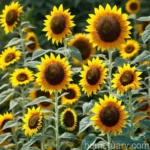
Helianthus nuttallii (Nuttall’s Sunflower)
Helianthus nuttallii, commonly known as Nuttall’s Sunflower, is a striking native plant species in North America. With its vibrant yellow flowers and ecological significance, Helianthus nuttallii has garnered attention not only for its beauty but also for its benefits in landscaping, wildlife support, and conservation efforts. In this comprehensive guide, we will explore the characteristics, growth habits, care guidelines, uses, folklore, and much more associated with Helianthus nuttallii.
What is Helianthus nuttallii?
Nuttall’s Sunflower, scientifically known as Helianthus nuttallii, is a species of sunflower within the Asteraceae family. The plant is characterized by its tall stature, reaching heights of 3-8 feet, adorned with bright yellow, daisy-like flowers. These showy blooms attract a myriad of pollinators, making it a valuable addition to natural landscapes and gardens.
Key Takeaways – Helianthus nuttallii (Nuttall’s Sunflower)
Before delving into the nuances of Nuttall’s Sunflower, let’s take a look at the key takeaways of this remarkable plant.
- Helianthus nuttallii Characteristics:
- Tall, robust stems
- Vibrant yellow, daisy-like flowers
- Drought-tolerant
-
Attractive to pollinators
-
Nuttall’s Sunflower Growth Habits:
- Perennial
- Fast-growing
-
Thrives in full sun
-
Helianthus nuttallii Care Guide:
- Well-draining soil
- Regular watering
-
Minimal pruning requirements
-
Nuttall’s Sunflower Uses:
- Landscaping
- Wildlife support
-
Medicinal properties
-
Helianthus nuttallii Folklore:
- Cultural significance
- Symbolism
Now, let’s explore these aspects in detail to gain a comprehensive understanding of Helianthus nuttallii.
Culture
Native Habitat
Helianthus nuttallii is native to North America, particularly thriving in prairies, along riverbanks, and in open woodlands. Its adaptability to various soil types and moisture conditions has enabled it to establish itself from the central United States to parts of Canada.
Ecological Benefits
Nuttall’s Sunflower plays a crucial role in the ecosystem by providing food and habitat for numerous wildlife species. Its nectar-rich flowers attract bees, butterflies, and other pollinators, contributing to the overall biodiversity of the region. Moreover, the seeds of Helianthus nuttallii are a valuable food source for birds and small mammals, supporting the local food web.
Uses
Landscaping
The stunning visual appeal of Nuttall’s Sunflower makes it an ideal choice for naturalistic landscaping and wildflower gardens. Its tall, upright growth habit and radiant flowers create a striking focal point in any garden or landscape setting. Additionally, Helianthus nuttallii can be incorporated into meadow plantings, where its robust nature adds a dynamic element to the overall composition.
Wildlife Support
Beyond its ornamental value, Helianthus nuttallii serves as a vital resource for wildlife. In addition to attracting pollinators, the seeds of Nuttall’s Sunflower are an important food source for birds during the fall and winter months. This makes it an excellent plant for supporting and attracting diverse bird species to gardens and natural areas.
Medicinal Properties
In some traditional medicine practices, various parts of Helianthus nuttallii are used for their potential medicinal properties. From poultices made from its leaves to herbal infusions using its flowers, Nuttall’s Sunflower has been historically utilized for a range of therapeutic applications.
Water
Watering Requirements
When establishing Helianthus nuttallii, regular watering is essential to support its initial root development and establishment. Once established, Nuttall’s Sunflower demonstrates good drought tolerance and can thrive with minimal supplemental watering, particularly in regions with average precipitation levels. However, during prolonged dry spells, providing occasional deep watering can ensure its continued vigor and flowering.
Water Conservation
Due to its ability to adapt to various moisture conditions, Nuttall’s Sunflower can be a valuable addition to water-wise landscaping efforts. Its capacity to thrive with minimal irrigation supports sustainable gardening and landscaping practices while still contributing to the beauty and ecological functionality of the landscape.
Sunlight
Sun Exposure Needs
Helianthus nuttallii thrives in full sun, requiring at least 6-8 hours of direct sunlight daily for optimal growth and flowering. When selecting a planting site, it is crucial to ensure that the location receives ample sunlight throughout the day to support the vigorous growth and profuse flowering characteristic of Nuttall’s Sunflower.
Drought Tolerance
The preference for full sun extends to Nuttall’s Sunflower’s ability to withstand drought conditions. Combined with its well-established root system, this attribute makes it an excellent choice for sunny, arid landscapes where water conservation and drought tolerance are essential considerations.
Fertilizer
As a native plant accustomed to thriving in various soil conditions, Helianthus nuttallii generally does not require heavy fertilization. However, in nutrient-poor soils or when the plant displays signs of nutrient deficiencies, applying a balanced, slow-release fertilizer in early spring can support its overall vigor and flowering performance without promoting excessive vegetative growth.
Soil
Soil Requirements
Nuttall’s Sunflower adapts well to a range of soil types, including loamy, sandy, and clay soils, as long as the soil is well-draining. It is essential to avoid waterlogged conditions, as Helianthus nuttallii is susceptible to root rot in poorly drained soils. Additionally, mildly acidic to slightly alkaline soil pH levels (6.0-7.5) are suitable for optimal growth and nutrient uptake.
Adaptive Capabilities
The adaptability of Helianthus nuttallii to varied soil types contributes to its resilience in diverse landscape settings. Whether in urban landscapes, rural gardens, or natural habitats, Nuttall’s Sunflower can thrive and contribute to the aesthetic and ecological functions of the area.
Pruning
Pruning Techniques
Minimal pruning is required for Helianthus nuttallii. Deadheading spent flowers can prolong the blooming period and prevent self-seeding, particularly in garden settings where containment is desired. Moreover, removing any damaged or diseased stems promotes overall plant health and aesthetics. Beyond these routine maintenance practices, Nuttall’s Sunflower generally requires little to no additional pruning.
Seasonal Care
During the fall and winter months, cutting back the stems to ground level can help rejuvenate the plant and prepare it for the upcoming growing season. This practice also aids in managing the plant’s size and prevents unruly growth, particularly in garden and landscape settings.
Propagation
Seed Collection
The seeds of Helianthus nuttallii can be collected in the fall once the flower heads have matured and the seeds have fully developed. Harvesting the seeds at this stage, when the heads turn brown and the seeds become dark in color, ensures viability and successful propagation of new plants.
Propagation Methods
Nuttall’s Sunflower can be propagated from seeds, which can be sown directly in the garden in the fall or spring. Additionally, division of established clumps can be carried out in early spring to create new plantings or enhance existing ones. The straightforward propagation methods make it accessible for both home gardeners and landscaping professionals.
Container Popularity
Container Gardening
While Nuttall’s Sunflower is traditionally grown in garden and landscape settings, its adaptability to container gardening has garnered attention from gardening enthusiasts and landscape designers. The use of large containers or planters allows for the incorporation of Helianthus nuttallii in urban and limited space environments, expanding its potential for beautifying diverse settings.
Attractive Features
The tall, upright growth habit and vibrant flowers of Nuttall’s Sunflower make it an eye-catching addition to container plantings, offering an impactful visual display in patios, balconies, and other outdoor spaces. Moreover, its ability to attract pollinators adds an ecological dimension to container gardens, supporting urban biodiversity.
Common Diseases
Disease Diagnosis
Helianthus nuttallii can be susceptible to certain fungal diseases, particularly in humid and poorly ventilated conditions. Common issues include powdery mildew and rust, which can affect the foliage and overall plant vigor. Regular monitoring for signs of disease, such as discolored or distorted leaves, can aid in early diagnosis and intervention.
Disease Management
To manage and prevent diseases, it is essential to provide adequate air circulation by spacing plants appropriately and avoiding overhead watering. Additionally, applying preventive fungicidal treatments in humid conditions can mitigate the risk of fungal infections. When detected early, timely pruning of affected plant parts can help limit the spread of diseases within the population of Helianthus nuttallii.
Common Pests
Pest Identification
While Nuttall’s Sunflower is relatively resistant to pest infestations, it can occasionally attract aphids, caterpillars, and other common garden pests. Identifying these pests early through regular inspection of the plant can enable prompt mitigation measures to prevent significant damage.
Pest Control
Natural predators or beneficial insects, such as ladybugs and lacewings, often assist in controlling minor pest populations on Helianthus nuttallii. In cases of heavier infestations, targeted applications of insecticidal soaps or botanical insecticides can effectively manage pest pressures without compromising the ecological balance of the garden or landscape.
Botanist’s Tips
Gardening Tips
- When planting Helianthus nuttallii in garden or landscape settings, consider its mature height to avoid shading or overcrowding other plantings.
- Incorporating Nuttall’s Sunflower in meadow plantings or naturalistic landscapes can enhance the overall biodiversity and aesthetic appeal of the area.
- Regular deadheading of spent flowers not only promotes prolonged blooming but also prevents self-seeding in garden settings where containment is desired.
Landscape Design Ideas
- Utilize the tall, commanding presence of Nuttall’s Sunflower as a focal point in perennial borders or wildflower gardens to introduce height and visual interest.
- Pairing Helianthus nuttallii with complementary native grasses and perennials can create dynamic plant combinations that reflect the natural beauty of the surrounding environment.
Fun Facts
- Helianthus nuttallii is named after the English botanist Thomas Nuttall, who extensively documented North American plant species during the 19th century.
- While the characteristic yellow flowers are the most common, Nuttall’s Sunflower can also display color variations, including shades of orange and red, further enriching its ornamental value.
- Some Native American tribes historically utilized various parts of Helianthus nuttallii for basket weaving and medicinal purposes, demonstrating its cultural and practical significance.
Links to External Resources
For further information about Helianthus nuttallii, its cultivation, ecological benefits, and cultural significance, explore the following resources:
– United States Department of Agriculture (USDA) Plant Database
– Lady Bird Johnson Wildflower Center – Helianthus nuttallii
In conclusion, Helianthus nuttallii, Nuttall’s Sunflower, embodies a fascinating blend of ornamental allure, ecological significance, and cultural relevance. Its adaptability, resilience, and multifaceted utility make it a plant of choice for diverse gardening, landscaping, and conservation pursuits. By understanding and appreciating the characteristics and benefits of Helianthus nuttallii, individuals can harness its potential to enhance natural spaces, support wildlife, and preserve the rich botanical heritage of North America.