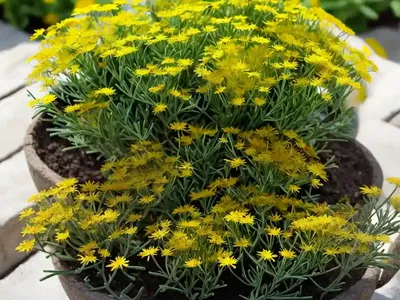
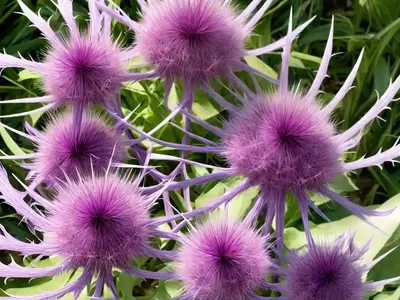
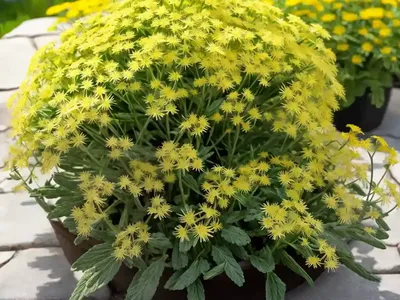
Hawk’s-beard (Crepis)
Plants have always been an integral part of our world. They contribute to the beauty of nature, provide us with essential resources, and play a crucial.
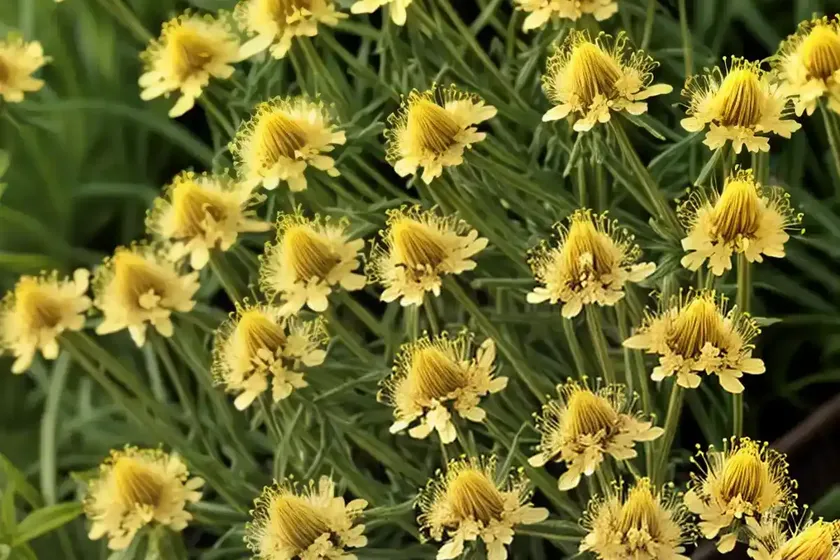
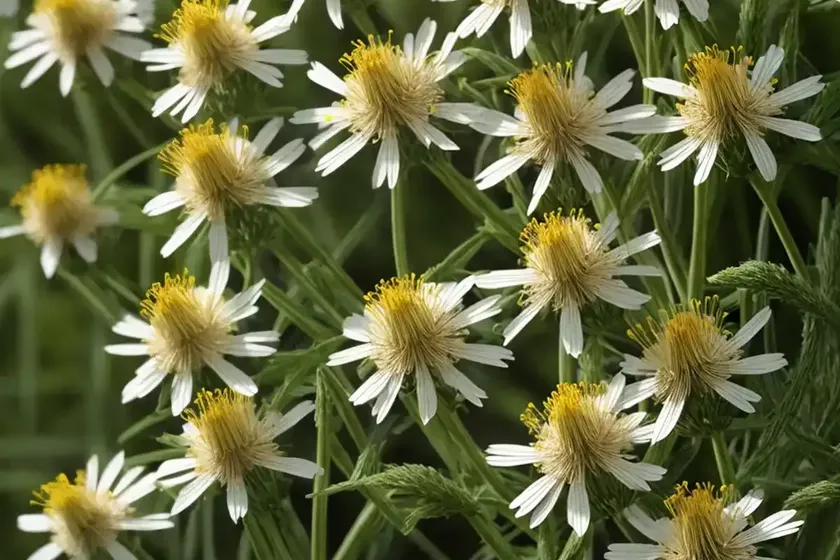
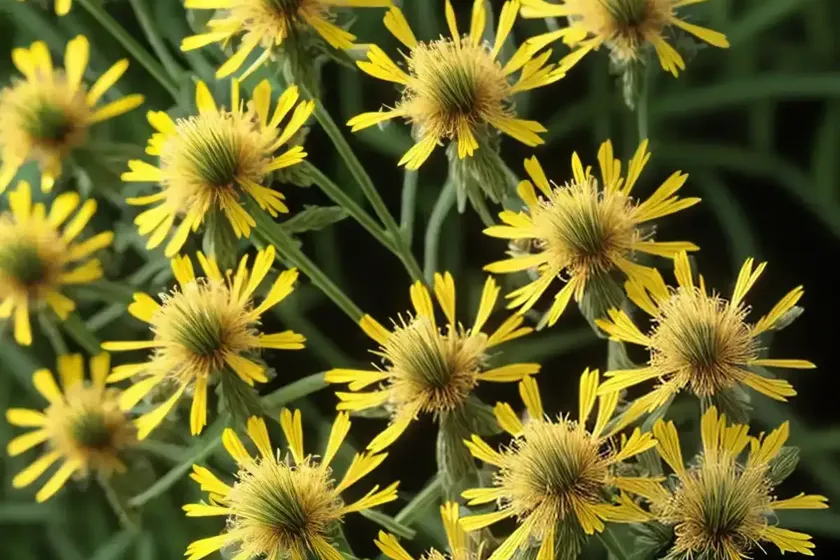
Plants have always been an integral part of our world. They contribute to the beauty of nature, provide us with essential resources, and play a crucial role in the planet’s ecosystem. One such fascinating plant is Hawk’s-beard, scientifically known as Crepis. In this comprehensive guide, we will delve into the various aspects of Hawk’s-beard (Crepis), including its culture, uses, care requirements, diseases, pests, and much more.
What is Hawk’s-beard (Crepis)?
Hawk’s-beard, a member of the genus Crepis, is a diverse group of flowering plants that belong to the Asteraceae family. These plants are known for their unique characteristics and have captured the interest of botanists, gardeners, and nature enthusiasts alike. With its vibrant blooms, distinctive foliage, and cultural significance, Hawk’s-beard has become a popular choice for gardens, landscapes, and even indoor spaces.
Key Takeaways – Hawk’s-beard (Crepis)
Before we delve into the specific details of Hawk’s-beard (Crepis), let’s highlight some key takeaways about this fascinating plant:
- Scientific Name: Crepis
- Common Name: Hawk’s-beard
- Genus: Crepis
- Family: Asteraceae
- Characteristics: Vibrant blooms, unique foliage, diverse species
- Cultural Significance: Traditional uses, symbolic meanings, folklore
- Popularity: Widely cultivated in gardens and landscapes
Now, let’s explore the various aspects of Hawk’s-beard (Crepis) in detail.
Culture of Hawk’s-beard (Crepis)
Understanding the cultural requirements of Hawk’s-beard is essential for its successful growth and development. From water and sunlight to soil and fertilizer, here are the vital cultural factors to consider when cultivating Hawk’s-beard:
Water
Hawk’s-beard plants generally thrive in well-draining soil and prefer moderate moisture levels. Overwatering can lead to root rot, so it’s crucial to allow the soil to dry out slightly between waterings. During the hot summer months, it’s important to monitor the soil moisture and adjust the watering frequency accordingly to prevent the plants from drying out.
Sunlight
As sun-loving plants, Hawk’s-beard species thrive in full sun to partial shade conditions. Providing them with at least 6-8 hours of sunlight per day can promote healthy growth and abundant flowering. In regions with intense heat, providing some afternoon shade can help protect the plants from excessive sun exposure.
Fertilizer
When it comes to fertilizing Hawk’s-beard plants, a balanced, all-purpose fertilizer can be applied in the early spring to support their growth and flowering. However, it’s crucial to follow the recommended application rates and avoid over-fertilizing, as excessive nutrients can lead to lush foliage at the expense of flowers.
Soil
Well-draining, loamy soil is ideal for Hawk’s-beard cultivation. It’s important to ensure that the soil provides good aeration and drainage while retaining sufficient moisture for the plants’ needs. Amending the soil with organic matter can improve its texture and fertility, creating an optimal growing environment for Hawk’s-beard.
Pruning of Hawk’s-beard (Crepis)
Pruning is an essential aspect of maintaining the health and appearance of Hawk’s-beard plants. Proper pruning practices can encourage bushier growth, enhance flowering, and remove any dead or damaged foliage. Here are some key considerations for pruning Hawk’s-beard:
- Deadheading: Removing spent flowers can promote continuous blooming and prevent the plants from allocating energy to seed production.
- Shape Maintenance: Light pruning to maintain a neat, compact shape can be done after the flowering period to tidy up the plants and encourage fresh growth.
- Seasonal Pruning: In colder climates, pruning Hawk’s-beard in the fall can help prepare the plants for winter dormancy and minimize the risk of disease or pest issues.
Propagation of Hawk’s-beard (Crepis)
Propagating Hawk’s-beard can be an exciting way to expand your plant collection or share its beauty with others. While different species within the Crepis genus may have specific propagation methods, some common techniques include:
- Seed Propagation: Collecting and sowing Hawk’s-beard seeds in a well-prepared seed-starting mix can yield new plants with characteristics similar to the parent plant.
- Division: Certain Hawk’s-beard species can be propagated through division, where established plants are carefully divided into smaller sections, each with roots attached, to create new plants.
- Cuttings: Taking stem cuttings from healthy Hawk’s-beard plants and rooting them in a moist, well-draining medium can be a successful method of propagation.
Hawk’s-beard (Crepis) in Containers
Hawk’s-beard can also thrive in containers, making them an excellent choice for small gardens, balconies, or indoor spaces. When growing Hawk’s-beard in containers, consider the following tips for success:
- Container Size: Choose a container that provides ample space for the plant’s root system to grow, allowing for proper drainage and airflow.
- Soil Mix: Use a well-draining potting mix that provides good aeration and moisture retention, and consider adding some organic matter to improve fertility.
- Watering: Monitor the soil moisture carefully, as containers can dry out more quickly than garden soil. Ensure that the pots have drainage holes to prevent waterlogging.
Popularity of Hawk’s-beard (Crepis)
The unique characteristics and versatile nature of Hawk’s-beard plants have contributed to their popularity among gardeners, landscapers, and plant enthusiasts. Whether used as colorful additions to flower beds, borders, or container gardens, Hawk’s-beard species have garnered attention for their striking blooms and ornamental value.
Common Diseases of Hawk’s-beard (Crepis)
Like all plants, Hawk’s-beard species are susceptible to certain diseases that can affect their health and appearance. Understanding the common diseases and their symptoms can help in timely intervention and effective management. Some of the prevalent diseases that may affect Hawk’s-beard include:
1. Powdery Mildew
Symptoms: Powdery white patches on the foliage, stunted growth, distorted leaves.
Management: Provide adequate air circulation, avoid overhead watering, and use fungicidal treatments if necessary.
2. Rust
Symptoms: Orange or yellowish pustules on the leaves, premature leaf drop, reduced vigor.
Management: Remove and dispose of infected plant material, and consider applying fungicidal treatments to prevent further spread.
3. Leaf Spot
Symptoms: Dark, water-soaked spots on the leaves, yellowing, and eventual defoliation.
Management: Improve air circulation, avoid overhead watering, and remove affected leaves to reduce disease spread.
Disease Diagnosis and Treatment
When observing symptoms of disease on Hawk’s-beard plants, it’s essential to accurately diagnose the issue and implement appropriate treatment measures. This may involve:
- Visual Inspection: Carefully examining the plants for any signs of disease, including leaf discoloration, abnormal growth, or unusual markings.
- Laboratory Analysis: In cases of severe or unidentified diseases, sending samples to a diagnostic laboratory can help identify the specific pathogen and guide targeted treatment strategies.
- Integrated Management: Combining cultural practices, such as proper sanitation and balanced nutrition, with targeted treatments, such as fungicides or biological control agents, can effectively manage Hawk’s-beard diseases.
Common Pests Affecting Hawk’s-beard (Crepis)
In addition to diseases, Hawk’s-beard plants can also be affected by various pests that feed on their foliage, flowers, or stems. Some of the common pests that may impact Hawk’s-beard include:
1. Aphids
Symptoms: Clusters of small, soft-bodied insects on the foliage, yellowing leaves, sticky honeydew residue.
Management: Use insecticidal soaps, neem oil, or horticultural oils to control aphid populations and encourage natural predators.
2. Caterpillars
Symptoms: Chewed or skeletonized leaves, frass (caterpillar waste) on the foliage, defoliation.
Management: Handpick caterpillars, use biological insecticides, or deploy pheromone traps to minimize caterpillar damage.
3. Slugs and Snails
Symptoms: Irregular holes in the leaves, silvery slime trails, damage to young seedlings or emerging foliage.
Management: Implement cultural controls, such as removing sheltering spots, and consider using barriers or bait traps to reduce slug and snail populations.
Botanist’s Tips for Hawk’s-beard (Crepis) Care
Based on their knowledge and expertise, botanists offer valuable insights and tips for caring for Hawk’s-beard plants. Here are some expert recommendations for successful Hawk’s-beard cultivation:
- Soil Preparation: Ensure that the soil is well-draining and nutrient-rich, with a slightly acidic to neutral pH for optimal growth.
- Mulching: Apply a layer of organic mulch around Hawk’s-beard plants to conserve soil moisture, suppress weeds, and enhance soil fertility.
- Companion Planting: Consider companion plants that complement the growth habits and cultural requirements of Hawk’s-beard, such as other sun-loving perennials or native wildflowers.
- Seasonal Maintenance: Regularly monitor the plants throughout the growing season for any signs of stress, disease, or pest issues, and address them promptly.
Fun Facts about Hawk’s-beard (Crepis)
Uncovering the fascinating aspects and trivia about Hawk’s-beard can deepen our appreciation for these remarkable plants. Here are some fun and intriguing facts about Hawk’s-beard:
- Cultural Significance: Hawk’s-beard plants have been associated with various folklore, symbolizing concepts such as resilience, adaptability, and renewal in different cultures.
- Herbal Uses: Some species within the Crepis genus have been used in traditional herbal medicine for their purported medicinal properties, serving as diuretics or remedies for digestive ailments.
- Pollinator Attraction: The vibrant blooms of Hawk’s-beard plants can attract diverse pollinators, including bees, butterflies, and other beneficial insects, supporting local ecosystems.
- Landscape Versatility: From cottage gardens to naturalistic landscapes, Hawk’s-beard species offer versatility in design, contributing color and texture to various outdoor settings.
These fun facts shed light on the multifaceted nature of Hawk’s-beard and its significance in horticulture, folklore, and ecology.
Links to External Resources
To further expand your knowledge and exploration of Hawk’s-beard (Crepis), here are some external resources that offer valuable information, insights, and visual inspiration:
- The Royal Horticultural Society (RHS) – A leading authority on gardening and horticulture, providing comprehensive plant profiles, cultivation advice, and gardening resources.
- Botanic Gardens Conservation International (BGCI) – A global network dedicated to plant conservation, offering extensive databases, educational materials, and conservation initiatives.
- Wildflower.org – The Lady Bird Johnson Wildflower Center, an excellent resource for native plant information, gardening tips, and ecological landscaping practices.
Exploring these external resources can enhance your understanding of Hawk’s-beard (Crepis) and its broader context in the world of plants and gardens.
In conclusion, Hawk’s-beard (Crepis) stands as a captivating plant genus, offering an array of species with unique characteristics and cultural significance. Whether cultivated for ornamental purposes, ecological value, or traditional uses, Hawk’s-beard continues to capture the interest and admiration of plant enthusiasts worldwide. By understanding its cultivation, care requirements, potential challenges, and broader significance, we can appreciate the beauty and value of Hawk’s-beard in our natural world.
Remember to share your insights, experiences, and discoveries with Hawk’s-beard, and stay curious about the diverse plant life that surrounds us.
Happy gardening and exploration!
Note: The information in this article is intended for educational and informational purposes only. For specific cultivation or medicinal guidance, consult with a qualified horticulturist or healthcare professional as needed.