Harebell (Campanula Rotundifolia)
The Harebell (Campanula rotundifolia) is a delicate and elegant perennial wildflower that belongs to the Bellflower family. Also known as bluebells, this.
Introduction
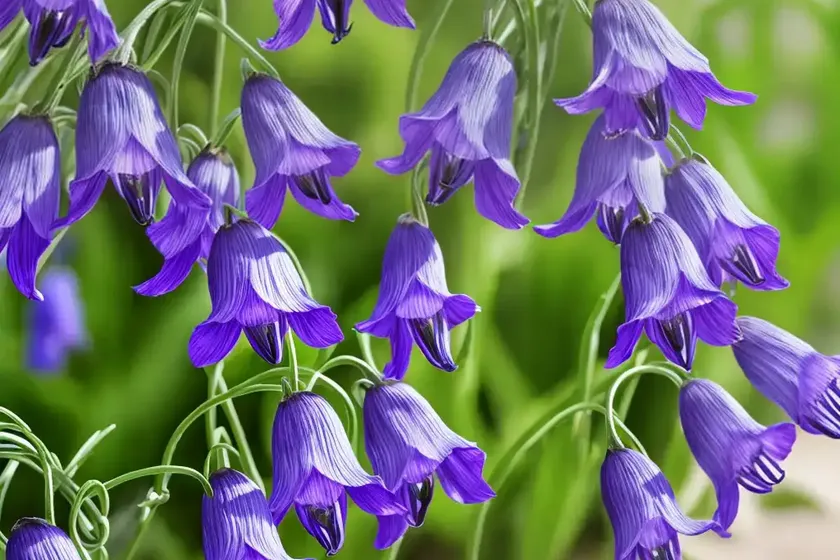
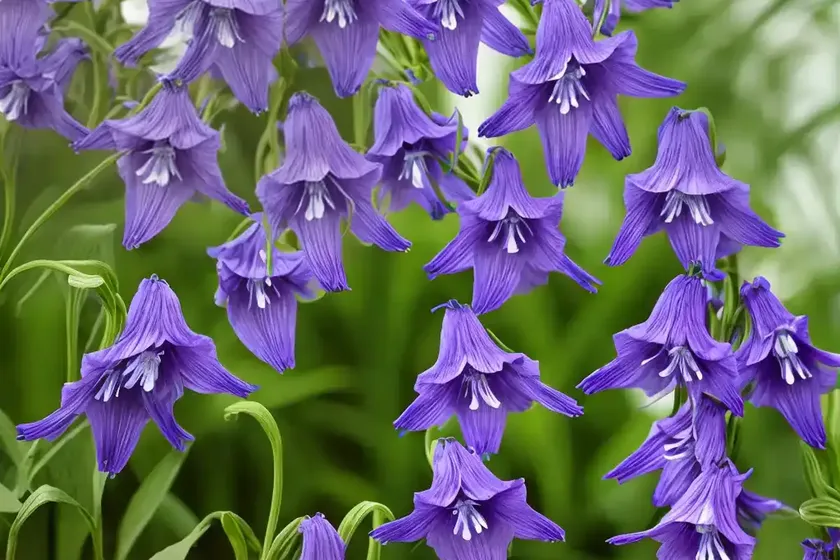
The Harebell (Campanula rotundifolia) is a delicate and elegant perennial wildflower that belongs to the Bellflower family. Also known as bluebells, this dainty plant is a popular choice for natural landscaping, cottage gardens, meadow flowers, and alpine gardens. With its fragile blooms and bell-shaped flowers, the Harebell adds a touch of floral beauty to various habitats, from grassy meadows to woodland areas. In this blog post, we will delve into the culture, uses, and care requirements of the Harebell, along with tips on propagation, common pests and diseases, and fun facts about this charming wildflower.
Key Takeaways – Harebell (Campanula rotundifolia)
Before we dive into the detailed aspects of the Harebell plant, let’s summarize some key takeaways about this beautiful wildflower:
- Common Name: Harebell, bluebells
- Scientific Name: Campanula rotundifolia
- Family: Campanulaceae
- Type: Perennial plant
- Flower Characteristics: Bell-shaped flowers, delicate petals
- Growing Conditions: Prefers well-drained soil, thrives in full sun to partial shade
- Uses: Ornamental plant, suitable for wildflower gardens, rock gardens, and natural landscaping
- Propagation: Can be propagated from seeds or division
- Popularity: Popular for its nectar-rich, insect-friendly flowers
- Common Pests: The plant may be susceptible to aphids, slugs, and snails
- Common Diseases: Susceptible to powdery mildew and rust
Now that we have a brief overview of the Harebell plant, let’s explore its culture, uses, and care requirements in detail.
Culture
Water
Harebells prefer well-drained soil and do not tolerate waterlogged conditions. To maintain optimal soil moisture, it is important to water the plant moderately. During the growing season, it is advisable to water the Harebell plant when the soil feels dry to the touch. However, it is crucial to avoid overwatering, as excessive moisture can lead to root rot and other fungal issues. During periods of extended drought, providing supplemental water can help the plant thrive.
Sunlight
In terms of sunlight requirements, the Harebell plant thrives in full sun to partial shade. In regions with hot summer climates, providing some afternoon shade can be beneficial to prevent the plant from wilting. In contrast, in cooler climates, the Harebell can flourish in full sun conditions. It is important to find a balance in the sunlight exposure, ensuring that the plant receives adequate light without being exposed to harsh, direct sunlight all day.
Fertilizer
Harebells are not heavy feeders and typically do not require frequent fertilization. However, a light application of balanced fertilizer in early spring can support healthy growth and abundant flowering. Using a slow-release fertilizer or a diluted organic fertilizer can provide the necessary nutrients without risking fertilizer burn. It is essential to follow the recommended application rates to prevent overfertilization, which can lead to excessive foliage growth at the expense of flowering.
Soil
The Harebell plant thrives in well-drained, slightly acidic to neutral soil. It is best suited to soils with good drainage, such as sandy loam or rocky, well-drained soils. When planting Harebells, amending the soil with organic matter or compost can improve soil structure and fertility. Additionally, maintaining a slightly acidic pH in the range of 6.0 to 6.5 can promote optimal nutrient uptake and overall plant health.
Pruning
Harebells generally do not require extensive pruning. As the flowers fade, deadheading can prolong the blooming period and encourage the plant to produce more flowers. Removing spent blooms not only enhances the plant’s appearance but also prevents the formation of seed pods, directing the energy towards new flower production.
Propagation
Division
The Harebell plant can be propagated through division, particularly in early spring when new growth begins. To propagate through division, carefully dig up an established clump of Harebells, ensuring that the root system remains intact. Then, using a sharp, clean knife or gardening tool, divide the clump into smaller sections, each containing healthy roots and shoots. Replant these divisions in prepared soil, water them well, and provide the appropriate growing conditions to promote successful establishment and growth.
Seeds
Another method of propagating Harebells is through seeds. The plant produces small, bell-shaped seed pods that contain numerous tiny seeds. To collect the seeds, allow the seed pods to mature and dry on the plant. Once the pods have dried, gently shake or tap them to release the seeds. Sowing the seeds in well-prepared soil in late spring or early summer can result in new Harebell plants. It is important to keep the soil consistently moist during the germination period and provide protection from excessive heat or cold.
Container Popularity
The delicate and graceful nature of the Harebell plant makes it a popular choice for container gardening. Its cascading growth habit and charming bell-shaped flowers add an enchanting touch to hanging baskets, rockery containers, and mixed container arrangements. When selecting a container for Harebells, opt for pots with adequate drainage holes to prevent waterlogging. Using a well-draining potting mix and positioning the container in a location with suitable sunlight exposure can help the Harebell thrive in a container garden.
Common Diseases
Disease Diagnosis
While the Harebell is relatively resistant to diseases, it can be susceptible to certain fungal issues. Two common diseases that may affect the Harebell plant are powdery mildew and rust.
Powdery Mildew:
Powdery mildew manifests as a white, powdery coating on the leaves and stems of the plant. It thrives in humid conditions and is often observed during periods of high humidity or insufficient air circulation. To prevent powdery mildew, it is important to ensure proper spacing between plants, promote good air circulation, and avoid overhead watering. Treating powdery mildew may involve the application of fungicidal sprays or the removal of heavily infected plant parts.
Rust:
Rust is characterized by the development of orange, reddish-brown, or yellowish pustules on the leaves, stems, or flowers of the Harebell plant. This fungal disease thrives in warm, humid environments and can spread rapidly under favorable conditions. To control rust, prompt removal and disposal of infected plant parts can help prevent the spread of the disease. Additionally, applying fungicidal treatments as a preventive measure during periods of high disease risk can help protect the Harebell from rust.
Common Pests
The Harebell plant is generally resistant to many common pests; however, it may be susceptible to infestation by aphids, slugs, and snails.
Aphids:
Aphids are small, soft-bodied insects that can cluster on the stems and undersides of the leaves, piercing the plant tissue and feeding on the sap. To manage aphid infestations, introducing natural predators, such as ladybugs or lacewings, can help control aphid populations. Additionally, spraying the plant with a gentle stream of water or applying insecticidal soap can help dislodge and eliminate aphids.
Slugs and Snails:
Slugs and snails are known for their voracious appetite and can cause damage to the leaves and flowers of the Harebell plant. To deter these pests, creating barriers, such as copper tape or diatomaceous earth, around the base of the plant can prevent slugs and snails from reaching the foliage. Additionally, handpicking these pests in the evening or using baits can help reduce their populations and protect the Harebell from damage.
Botanist’s Tips
Wildflower Identification
When identifying Harebells in the wild or in naturalized settings, several key characteristics can aid in accurate recognition:
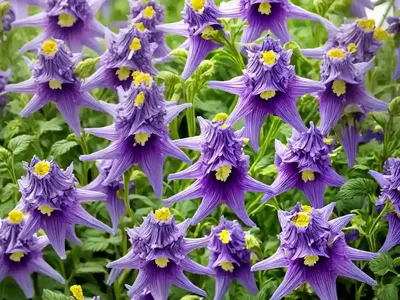
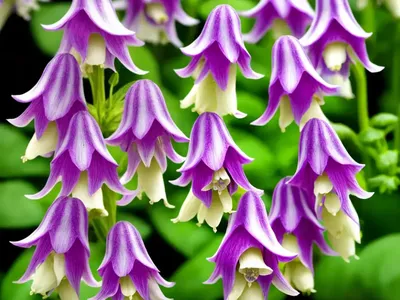
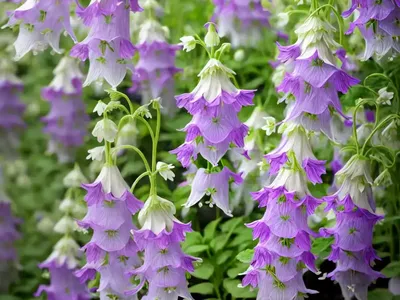
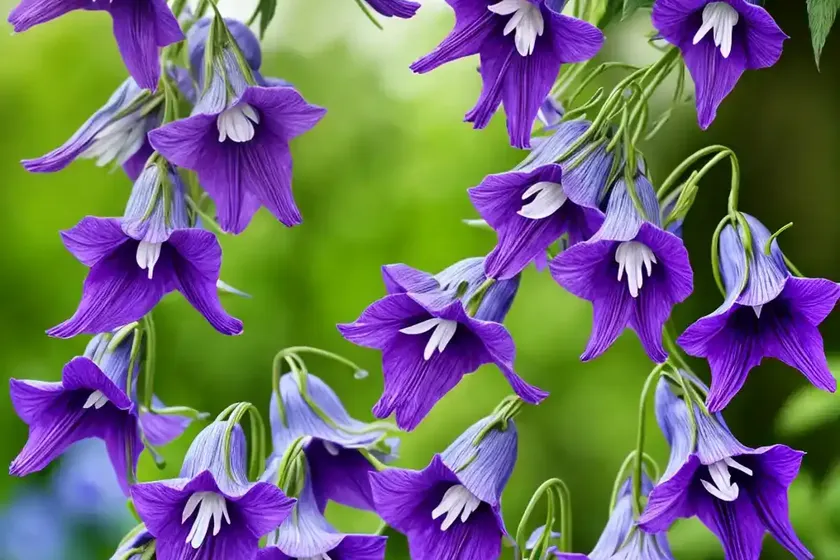
- Bell-shaped Flowers: Harebells bear delicate, bell-shaped flowers that hang from slender stems, giving the plant an elegant appearance.
- Leaf Shape: The leaves of the Harebell are generally rounded or heart-shaped with serrated edges and a smooth texture.
- Habitat: Harebells are commonly found in rocky, well-drained habitats such as grassy meadows, alpine slopes, or woodland edges.
- Flower Color: The typical color of Harebell flowers is a delicate, pale blue or violet, although white forms can also be found in some regions.
- Flowering Period: Harebells typically bloom from mid-summer to early fall, showcasing their charming blooms during the warmer months.
Nectar-Rich Flowers
The Harebell’s nectar-rich flowers make it an excellent choice for pollinator gardens and meadow habitats. Bees, butterflies, and other pollinators are attracted to the nectar and pollen of Harebell flowers, enhancing ecological diversity and supporting beneficial insect populations. By incorporating Harebells into garden designs, enthusiasts can contribute to the conservation of native pollinators and create vibrant, insect-friendly landscapes.
Fun Facts
Indigenous Wildflowers
Harebells are native to various regions across the Northern Hemisphere, including North America, Europe, and Asia. Their widespread distribution and adaptability have made them a symbol of resilience and natural beauty in diverse ecosystems. As indigenous wildflowers, Harebells play a vital role in supporting native wildlife, providing nectar and habitat for pollinators and beneficial insects.
Floral Symbolism
In folklore and traditional symbolism, Harebells are often associated with sentiments of devotion, gratitude, and good fortune. Their delicate, bell-shaped blooms have been celebrated in poetry, art, and cultural traditions, depicting them as symbols of gentleness and grace. Harebells have also been linked to themes of romantic gardens and evocative landscapes, inspiring a sense of natural elegance and timeless beauty.
Long Blooming Perennials
Harebells are known for their extended blooming period, with flowers often gracing the garden from midsummer well into the fall season. Their enduring floral display adds a touch of charm and color to the landscape, providing lasting beauty and visual interest. As long blooming perennials, Harebells contribute to the seasonal dynamics of wildflower meadows, cottage gardens, and naturalistic planting schemes.
Links to External Resources
- Plantwise – Harebell, Campanula rotundifolia
- The Wildlife Trusts – Harebell
- Royal Horticultural Society – Campanula rotundifolia
- NatureSpot – Campanula rotundifolia
- Gardeners’ World – Harebells
- USDA Plants Database – Campanula rotundifolia
In conclusion, the Harebell (Campanula rotundifolia) stands out as a captivating and graceful wildflower, valued for its ornamental appeal, ecological significance, and cultural symbolism. With its delicate petals, bell-shaped flowers, and adaptability to various growing conditions, the Harebell continues to enchant plant enthusiasts, botanists, and wildlife enthusiasts alike. By incorporating the culture, uses, and care tips for Harebells, gardeners can celebrate the timeless beauty and ecological value of these native wildflowers, creating enchanting landscapes and vibrant natural habitats.