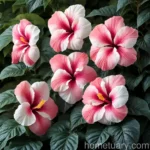
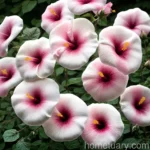
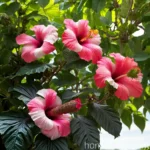
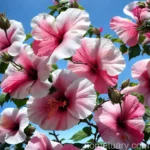
Hardy Hibiscus (Hibiscus ‘Sweet Caroline’)
What is Plant – Hardy Hibiscus (Hibiscus ‘Sweet Caroline’)
Hardy hibiscus, scientifically known as Hibiscus moscheutos ‘Sweet Caroline,’ is a stunning perennial plant that belongs to the Malvaceae family. Renowned for its large, colorful flowers, this plant adds a touch of tropical elegance to gardens and landscapes.
The ‘Sweet Caroline’ variety of hardy hibiscus is particularly popular due to its vigorous growth, low maintenance requirements, and beautiful blooms. This plant typically thrives in USDA Hardiness Zones 4 to 9, making it suitable for a wide range of climates.
Key Takeaways – Hardy Hibiscus (Hibiscus ‘Sweet Caroline’)
Culture
- Hardiness Zone: Suitable for USDA Hardiness Zones 4 to 9
- Growth Rate: Fast-growing
- Size: Can reach a mature height of 3-4 feet and a spread of 3-4 feet
- Lifespan: Perennial
- Pruning: Requires minimal pruning for maintenance and shaping
Uses
- Landscape: Ideal for creating a tropical or exotic garden ambiance
- Wildlife: Attracts butterflies, hummingbirds, and beneficial pollinators
- Cut Flowers: Large, showy blooms make for stunning cut flower arrangements
Water
- Watering Needs: Requires regular watering, especially during hot and dry periods
- Soil Moisture: Thrives in consistently moist, well-draining soil
- Established Plants: Once established, it exhibits good drought tolerance
Sunlight
- Light Requirements: Prefers full sun to partial shade
- Sun Exposure: Benefits from at least 6-8 hours of direct sunlight per day
- Shade Tolerance: Can tolerate some afternoon shade in hot climates
Fertilizer
- Fertilizing Schedule: Benefits from a balanced, slow-release fertilizer in spring
- Nutrient Requirements: Responsive to applications of organic-rich fertilizers
- Additional Care: Regular feeding helps promote healthy growth and prolific blooming
Soil
- Soil Type: Flourishes in rich, loamy soil with good drainage
- Soil pH: Ideally, the pH should be slightly acidic to neutral (pH 6.0-7.0)
- Soil Amendments: Incorporating organic matter enhances soil quality and fertility
Pruning
- Pruning Time: Conduct pruning in early spring to remove dead or weak growth
- Techniques: Trim back to promote bushier growth and enhance overall plant appearance
- Benefits: Pruning encourages the development of new flowering shoots and maintains plant vigor
Propagation
- Propagation Methods: Can be propagated through seeds, division, or cuttings
- Seed Propagation: Sow seeds indoors and transplant seedlings after the last frost
- Division: Divide mature plants in spring to create new specimens
Container
- Container Size: Requires a large container to accommodate its mature size
- Container Culture: Well-suited for patio or deck containers in suitable climates
- Maintenance: Regular watering and fertilizing are crucial for container-grown specimens
Popularity
- Landscape Appeal: Highly sought after for its bold, exotic floral display
- Garden Use: Adaptable to mixed perennial borders, cottage gardens, and tropical landscapes
- Cultivar Availability: Widely available in nurseries and garden centers
Common Diseases
- Disease Resistance: Generally resistant to major diseases and pests
- Occasional Issues: Susceptible to leaf spot, powdery mildew, and rust in humid conditions
- Preventive Care: Proper spacing and good airflow minimize disease incidence
Disease Diagnosis
- Symptoms: Look for leaf discoloration, powdery patches, or rust-colored spots
- Early Detection: Regularly inspect leaves and stems for signs of fungal or bacterial infection
- Treatment: Prompt treatment with fungicides or organic remedies can effectively control most diseases
Common Pests
- Pest Resilience: Usually not heavily targeted by common garden pests
- Potential Pests: Keep an eye out for aphids, Japanese beetles, and spider mites
- Integrated Pest Management: Employ natural predators and insecticidal soaps for pest control
Botanist’s Tips
- Winter Care: Mulch around the base in fall to protect from frost in colder zones
- Companion Planting: Pair with other sun-loving perennials and grasses for a dynamic garden display
- Watering Techniques: Use soaker hoses or drip irrigation to maintain even soil moisture
- Soil Enrichment: Regularly amend the soil with compost to promote healthy root development
- Mulching Benefits: Apply a 2-3 inch layer of mulch to conserve moisture and suppress weed growth
- Pruning Considerations: Aim to create an open, airy framework by removing old stems and promoting new growth
- Winterizing Containers: Move potted plants to a protected area or implement insulation during cold spells
- Pollinator Support: Encourage pollinator activity by providing a variety of nectar-rich plants nearby
Fun Facts
- The hardy hibiscus is sometimes referred to as the “dinner plate hibiscus” due to the striking size of its blossoms.
- Despite its tropical appearance, this hibiscus variety is well-adapted to temperate climates and can withstand cold winters.
- The vibrant flower colors range from pure white and soft pink to deep red and rich burgundy, offering an array of captivating options.
- In addition to its ornamental value, the hardy hibiscus has a long history of medicinal and culinary usage in various cultures.
- The sheer size and visual impact of the flowers make the hardy hibiscus a focal point in any garden setting, attracting admiration from all who encounter it.
Links to External Resources
For more in-depth information about hardy hibiscus (Hibiscus ‘Sweet Caroline’) and related topics, please explore the following resources:
- American Hibiscus Society – https://americanhibiscus.org/
- Gardening Know How – https://www.gardeningknowhow.com/ornamental/flowers/hibiscus/growing-hardy-hibiscus.htm
- University of Florida IFAS Extension – http://gardeningsolutions.ifas.ufl.edu/plants/ornamentals/hibiscus.html
- Missouri Botanical Garden – http://www.missouribotanicalgarden.org/PlantFinder/PlantFinderDetails.aspx?taxonid=273356
- Royal Horticultural Society – https://www.rhs.org.uk/Plants/51452/i-Hibiscus-i-Summerific-Sweet-Caroline/Details
By exploring these resources, you can delve deeper into the captivating world of hardy hibiscus cultivation, care, and appreciation.
As a plant scientist passionate about horticulture and the wondrous diversity of plant life, I am delighted to share valuable insights and practical guidance on the enchanting hardy hibiscus (Hibiscus ‘Sweet Caroline’). This exceptional perennial species embodies a harmonious blend of beauty, resilience, and horticultural significance, offering gardeners and nature enthusiasts an opportunity to cultivate a striking botanical masterpiece within their own outdoor sanctuaries.
Now, let’s embark on an enlightening journey to discover the captivating intricacies of the hardy hibiscus, exploring its cultural nuances, care requirements, propagation methods, and much more. As we unravel the distinctive attributes and endearing charm of this remarkable plant, you will gain a newfound appreciation for its role in horticulture and the spectrum of possibilities it presents for creating visually stunning, pollinator-attracting landscapes. So, without further ado, let’s immerse ourselves in the realm of hardy hibiscus and unlock the secrets to nurturing and celebrating its radiant allure.
Hardy Hibiscus Care: Cultivating Nature’s Splendor
The endeavor of cultivating hardy hibiscus encompasses a rewarding experience that harmonizes with the rhythmic cycles of nature, allowing enthusiasts to witness the remarkable transformation of a perennial plant from tender shoots to resplendent blossoms. To embark on this journey with confidence and expertise, it is imperative to understand the fundamental principles of hardy hibiscus care, from selecting an optimal planting site to providing essential nutrients and implementing prudent maintenance practices. Let us delve into the facets of hardy hibiscus cultivation, embracing the wisdom of botanical science and the artistry of horticultural stewardship.
Sweet Caroline Hibiscus: A Symphony of Color and Grace
The ‘Sweet Caroline’ variety of hardy hibiscus stands as a testament to nature’s artistry, adorning gardens with its striking floral display and enhancing outdoor spaces with its lush foliage. This hibiscus cultivar captivates the senses with its large, saucer-shaped blossoms, which exhibit a wide range of captivating colors, including radiant reds, sumptuous pinks, and pristine whites. The allure of ‘Sweet Caroline’ lies not only in its enchanting floral palette but also in its robust growth habits and adaptability to diverse environmental conditions.

The robust nature of ‘Sweet Caroline’ makes it a resilient and enduring presence in the garden, weathering the trials of seasonal changes and thriving in various soil types and moisture levels. As a perennial species, ‘Sweet Caroline’ returns year after year, enriching outdoor landscapes with its exuberant blooms and contributing to the ecological tapestry by attracting pollinators such as butterflies and hummingbirds.
Growing Hardy Hibiscus: Nurturing Resilience and Vigor
The process of growing hardy hibiscus begins with thoughtful consideration of the plant’s environmental requirements, ensuring that the chosen site offers the necessary conditions for optimal growth and flowering. Whether nestled within vibrant perennial borders or showcased as a stand-alone specimen, hardy hibiscus benefits from strategic placement and attentive care that aligns with its natural preferences for sunlight, soil, and moisture. Let us explore the essential elements of successful hardy hibiscus cultivation, starting with a closer look at its sunlight requirements.
Hibiscus Plant Sunlight Requirements: Embracing Radiant Exposure
The sunlight requirements of the hardy hibiscus (Hibiscus moscheutos ‘Sweet Caroline’) reflect its affinity for bright, sunny conditions that promote vigorous growth and prolific flowering. As a sun-loving perennial, ‘Sweet Caroline’ thrives in full sun to partial shade, basking in the invigorating embrace of direct sunlight for at least 6-8 hours per day. To ensure that the plant receives an adequate dose of sunshine, consider the following aspects when selecting a planting site:
- Orientation: Position the planting site where the hibiscus can receive ample sunlight during the peak hours of the day, preferably facing south or west to capture the sun’s warmth and luminosity.
- Shading Considerations: While hardy hibiscus flourishes in full sun, it accommodates some afternoon shade in regions with intense heat, where a brief respite from direct sunlight helps prevent stress and conserves soil moisture.
By meticulously accommodating these sunlight considerations, gardeners can create an ideal environment for the hardy hibiscus to prosper, granting it the radiant exposure it needs to manifest its resplendent floral showcase and robust vegetative growth.
Hibiscus Pruning Tips: Shaping Elegance and Vitality
Pruning constitutes an essential aspect of hardy hibiscus maintenance, offering an opportunity to cultivate a well-groomed and robust plant architecture while promoting a profusion of new flowering shoots. When engaging in the art of pruning hardy hibiscus, it is vital to approach this task with a blend of precision and sensitivity to the plant’s natural growth patterns and flowering rhythms.
Pruning Timeframe and Techniques
The optimal time for pruning hardy hibiscus (Hibiscus moscheutos ‘Sweet Caroline’) is early spring, before the advent of new growth and budding. By engaging in this practice at the appropriate juncture, gardeners can effectively eliminate weakened or dead stems, foster new growth, and refine the overall appearance of the plant.
How to Prune Hardy Hibiscus:
- Identify Dead or Weak Stems: Begin by inspecting the plant for any dead or weak stems, which often exhibit a lack of vigor and may hinder the development of healthy growth.
- Selective Pruning: Gradually trim back these compromised stems to near ground level, using clean, sharp pruning shears to minimize the risk of damage or infection.
- Stimulate Vigorous Growth: Upon completing the removal of dead and weak stems, engage in selective pruning to shape the plant and promote the emergence of bushier growth and prodigious flowering.
Hibiscus Plant Fertilizer: Nourishing Growth and Vitality
Fertilization plays a pivotal role in nurturing the health and vitality of hardy hibiscus ‘Sweet Caroline,’ providing essential nutrients that bolster its resilience, blooming capacity, and overall vigor. The judicious application of appropriate fertilizers contributes to the plant’s capacity to channel energy into robust growth, abundant flowering, and enhanced resistance to environmental stressors. To optimize the benefits of fertilizer for hardy hibiscus, it is crucial to consider the following facets of fertilization:
- Balanced Nutrient Supply: Select a balanced, slow-release fertilizer that furnishes an array of macro and micronutrients essential for fostering lush foliage and robust blooms.
- Fertilizer Schedule: Administer fertilizers in spring, as the plant emerges from dormancy, to fortify its growth and set the stage for a bountiful flowering season.
- Organic Enrichment: Consider supplementing the soil with organic matter, such as compost or well-decomposed manure, to infuse the root zone with long-lasting nourishment and foster a thriving soil ecosystem.
Adhering to a well-judged fertilization regimen enhances the hardy hibiscus’s capacity to flourish, manifesting its vibrant blooms in an opulent display of color and elegance.
Hibiscus Plant Diseases and Treatments: Cultivating Resilience and Vigilance
Despite its robust nature, the hardy hibiscus (Hibiscus moscheutos ‘Sweet Caroline’) is susceptible to certain diseases and pests, necessitating vigilance, preventative care, and prompt interventions to safeguard its health and vitality. By developing an understanding of common diseases that affect hibiscus plants and familiarizing ourselves with disease diagnosis and treatment strategies, we can uphold the enduring beauty and botanical splendor of this captivating perennial species.
Hibiscus Plant Diseases: Identifying Symptoms and Causes
The hallmark of effective disease management lies in the ability to detect symptoms early, pinpoint the underlying causes, and implement targeted interventions to curtail the spread of diseases. When tending to the health of hardy hibiscus plants, it is essential to be attentive to the following common diseases that may manifest in the garden:
-
Leaf Spot: Characterized by the appearance of dark spots or lesions on the foliage, leaf spot arises from fungal pathogens that thrive in moist, humid conditions and can impact the plant’s visual appeal and photosynthetic capacity.
-
Powdery Mildew: This fungal disease forms a powdery, white coating on the leaves and stems of the hibiscus, hindering its respiratory functions and weakening its overall vigor under prolonged infestation.
-
Rust: Rust manifests as orange to rusty-brown spots on the undersides of leaves, indicative of fungal infections that proliferate in damp, warm environments and compromise the plant’s aesthetic and metabolic functions.
By maintaining a keen eye for these symptomatic manifestations and addressing potential disease triggers, gardeners can effectively mitigate the impact of these maladies and bolster the resilience of hardy hibiscus against common fungal pathogens.
Disease Prevention and Treatment: Deploying Effective Strategies
When confronting the specter of hibiscus diseases, prevention stands as the cornerstone of holistic plant care, empowering us to fortify the plant’s defenses and minimize its susceptibility to common ailments. Implementing simple yet effective disease prevention measures can significantly reduce the incidence of pathogenic infections and sustain the health and vitality of hardy hibiscus ‘Sweet Caroline.’ Let us consider proactive strategies for disease prevention and targeted treatment interventions:
-
Air Circulation: Ensure that the planting site offers ample air circulation and spacing to counteract the build-up of humidity and inhibit the proliferation of fungal pathogens.
-
Water Management: Adopt conscientious watering practices, applying water to the base of the plant in the morning to allow foliage to dry and minimizing excess moisture that fuels disease development.
-
Fungicidal Treatment: Administer organic or synthetic fungicides as a preemptive measure or in response to early disease symptoms, following manufacturer’s instructions for optimal efficacy and safe application.
By embracing these preventive strategies and promptly addressing emerging disease issues, we can cultivate a resilient and vibrant hibiscus display that endures the challenges of the garden landscape.
Hibiscus Plant Pests Control: Nurturing Harmony and Vigilance
While hardy hibiscus generally remains resilient to major pest infestations, it is vital to remain attentive to potential pest incursions and deploy effective pest control measures to safeguard the plant’s well-being and aesthetic appeal. By integrating ecologically sound pest management practices, gardeners can foster a biodiverse and thriving garden environment while preserving the intrinsic beauty of hardy hibiscus ‘Sweet Caroline.’
Pest Identification and Monitoring: Enhancing Vigilance
The initial step in pest control entails vigilant monitoring and the accurate identification of potential pests that may target hardy hibiscus plants. By recognizing the behavioral patterns and symptoms associated with common hibiscus pests, we can proactively address infestations and curtail the impact of these adversaries on the plant’s vitality.
Common Pests Affecting Hibiscus:
-
Aphids: These small, sap-sucking insects congregate on the undersides of leaves, distorting foliage and secreting honeydew that fosters the growth of sooty mold, impeding the plant’s photosynthetic functions.
-
Japanese Beetles: Distinguished by their metallic green and coppery hues, Japanese beetles congregate on hibiscus flowers and foliage, inflicting damage by skeletonizing leaves and defoliating plants under heavy infestations.
-
Spider Mites: These minuscule arachnids feed on plant sap, manifesting as stippled or yellowed foliage and a fine webbing on the undersides of leaves, hampering the plant’s respiratory performance.
By closely monitoring the