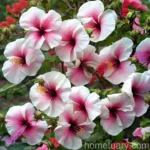
Hardy Hibiscus (Hibiscus ‘Draped Lady’): A Comprehensive Guide
In the world of ornamental plants, hibiscus stands out as one of the most captivating and diverse genera. The hardy hibiscus, specifically the ‘Draped Lady’ variety, is a stunning addition to any landscape. In this comprehensive guide, we will delve into the culture, uses, care, and maintenance of this beautiful plant. Whether you’re a novice gardener or a seasoned botanist, there’s something new for everyone to learn about the hardy hibiscus.
What is a Hardy Hibiscus (Hibiscus ‘Draped Lady’)?
The hardy hibiscus, known scientifically as Hibiscus ‘Draped Lady’, is a striking perennial plant that belongs to the Malvaceae family. It is a herbaceous plant that is cherished for its large, colorful flowers and attractive foliage. This variety is particularly renowned for its remarkable floral display and its ability to thrive in diverse climatic conditions. With its robust nature and captivating beauty, the ‘Draped Lady’ hibiscus has established itself as a popular choice for gardeners and landscapers alike.
Key Takeaways
Hardy Hibiscus (Hibiscus ‘Draped Lady’)
- The ‘Draped Lady’ variety of hardy hibiscus, scientifically known as Hibiscus ‘Draped Lady’, is a stunning perennial plant with large, colorful flowers.
- It is celebrated for its robust nature and ability to thrive in diverse climatic conditions.
- With proper care and maintenance, this hibiscus variety can be a captivating addition to any garden or landscape.
Now, let’s explore the various aspects of cultivating and caring for the hardy hibiscus, from its cultural requirements to common pests and diseases.
Culture
Cultivating the ‘Draped Lady’ hibiscus involves understanding its specific cultural needs, including water, sunlight, fertilizer, soil, and pruning requirements. By providing the right conditions, you can ensure that this plant thrives and produces an abundance of beautiful blooms.
Uses
The ‘Draped Lady’ hibiscus has several uses in landscaping and gardening:
- Ornamental Beauty: The stunning, vibrant flowers of the hardy hibiscus make it an excellent choice for adding visual interest to gardens, borders, and naturalistic landscapes.
- Pollinator Attraction: The flowers of the hibiscus are known to attract pollinators such as bees, butterflies, and hummingbirds, making it a valuable addition to wildlife-friendly gardens.
- Container Gardening: Due to its adaptability to container culture, the ‘Draped Lady’ hibiscus can be grown in large pots or containers, allowing it to grace patios, decks, and balconies with its colorful display.
Water
Proper watering is crucial for the health and vigor of the ‘Draped Lady’ hibiscus. Here are some important points to consider:
- Water Requirements: The hibiscus prefers consistently moist soil, especially during the growing season. While it can tolerate brief periods of drought, it performs best with regular watering.
- Irrigation: Ensure that the plant receives deep, thorough watering to promote healthy root development. Avoid overwatering, as this can lead to waterlogged soil and root rot.
Sunlight
Sunlight is a vital factor in the growth and flowering of the ‘Draped Lady’ hibiscus:
- Sun Exposure: This variety thrives in full sun to partial shade. Provide it with at least 6 to 8 hours of direct sunlight each day for optimal blooming and overall growth.
- Shade Tolerance: While it appreciates sunlight, it can also tolerate some shade, particularly in regions with intense summer heat.
Fertilizer
Proper fertilization can enhance the vigor and blooming of the hardy hibiscus:
- Fertilizer Type: Use a balanced, slow-release fertilizer formulated for flowering plants. Alternatively, you can use a fertilizer specifically designed for hibiscus.
- Fertilizer Schedule: Apply fertilizer in early spring as new growth emerges, and then feed the plant again in midsummer to support continuous flowering.
Soil
The right soil composition is essential for the ‘Draped Lady’ hibiscus to thrive:
- Soil Type: It prefers well-draining, organically-rich soil. A loamy or sandy soil with good fertility is ideal for this plant.
- pH Level: The hibiscus thrives in slightly acidic to neutral soil with a pH range of 6.0 to 7.0.
Pruning
Pruning plays a crucial role in shaping the ‘Draped Lady’ hibiscus and promoting prolific flowering:
- Pruning Timing: Prune the plant in late winter or early spring before new growth emerges. Remove any dead or damaged branches, as well as old, woody stems to encourage new growth.
- Pruning Technique: Use sharp, clean pruners to make precise cuts just above a node or a dormant bud. This helps maintain the plant’s overall shape and encourages branching.
Propagation
If you wish to propagate the ‘Draped Lady’ hibiscus, there are several methods you can utilize:
- Propagation from Cuttings: Take softwood or hardwood cuttings from healthy, vigorous stems and root them in a suitable growing medium.
- Division: Divide mature hibiscus plants to create new specimens. This method is best carried out in early spring before new growth begins.
Container Popularity
Due to its adaptability to container culture, the ‘Draped Lady’ hibiscus is popular for container gardening:
- Container Size: Choose a large container with adequate drainage holes to accommodate the robust root system of the hibiscus.
- Container Mix: Use a well-draining potting mix with added organic matter to ensure proper aeration and moisture retention.
Common Diseases
Despite its resilience, the ‘Draped Lady’ hibiscus may be susceptible to certain diseases:
-
Leaf Spot: A fungal disease that causes dark, water-soaked spots on the leaves. Ensure good air circulation and avoid overhead watering to prevent this disease.
-
Powdery Mildew: This fungal infection manifests as a powdery white coating on leaves and stems. Maintain proper spacing between plants and ensure good ventilation to reduce the risk of powdery mildew.
Disease Diagnosis
If you notice any signs of disease on your hibiscus, it’s essential to diagnose the issue accurately. Consider the following factors:
- Symptoms: Note any changes in leaf color, texture, or overall plant appearance.
- Environmental Conditions: Assess the prevailing temperature, humidity, and sunlight exposure to identify potential stress factors.
- Pest Presence: Some diseases are accompanied by specific pests, so check for any unusual insect activity in the vicinity of the affected plant.
Common Pests
Pests can occasionally pose a threat to the ‘Draped Lady’ hibiscus:
-
Aphids: These small, soft-bodied insects may cluster on the undersides of leaves, sucking sap from the plant. Use insecticidal soap or neem oil to control aphid infestations.
-
Whiteflies: These tiny, white insects often fly in a cloud when disturbed and can cause yellowing of leaves. Use yellow sticky traps and pesticide treatments to manage whitefly populations.
Botanist’s Tips
As a botanist, I offer the following tips for successfully growing and caring for the ‘Draped Lady’ hibiscus:
- Regular Monitoring: Keep a close eye on the plant for any signs of stress, disease, or pest infestations. Early detection can prevent problems from escalating.
- Adequate Nutrition: Provide the hibiscus with balanced fertilization and ensure that it receives essential nutrients for healthy growth and blooming.
Fun Facts
Here are some intriguing and delightful facts about the ‘Draped Lady’ hibiscus:
- The flowers of the ‘Draped Lady’ hibiscus often measure 6 to 8 inches in diameter, showcasing a mesmerizing array of colors and patterns.
- While the hibiscus is primarily renowned for its striking flowers, many varieties also feature ornamental foliage with interesting shapes and vibrant hues.
Links to External Resources
For further exploration of the ‘Draped Lady’ hibiscus and related topics, you may find the following resources invaluable:
- Royal Horticultural Society (RHS) – Hibiscus Care Guide
- University of Florida IFAS Extension – Growing Hibiscus in the Landscape
- American Society for the Prevention of Cruelty to Animals (ASPCA) – Toxic and Non-Toxic Plants: Hibiscus
As you embark on your journey of cultivating the ‘Draped Lady’ hibiscus, remember to embrace the rewarding experience of nurturing this captivating plant and witnessing its spectacular display of blooms. Whether you’re drawn to its vibrant colors, its attractive foliage, or its role in supporting local pollinators, the hardy hibiscus has much to offer to gardeners and nature enthusiasts alike. With a blend of care, curiosity, and appreciation for nature’s wonders, you can create a thriving haven for the ‘Draped Lady’ hibiscus in your own outdoor space.