Hardy Begonia (Begonia Grandis)
When it comes to adding color and vibrancy to your garden, few plants can match the beauty and versatility of the Hardy Begonia (Begonia grandis). This.
Introduction
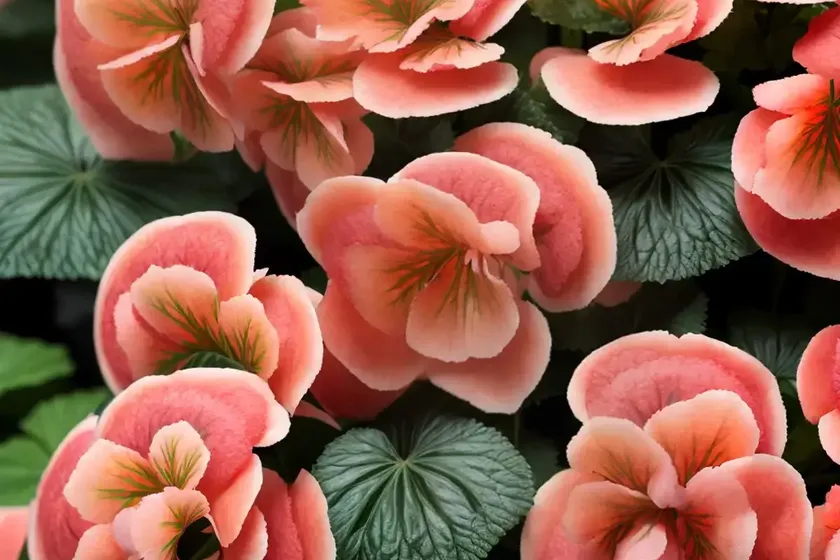
When it comes to adding color and vibrancy to your garden, few plants can match the beauty and versatility of the Hardy Begonia (Begonia grandis). This stunning plant, known for its exquisite foliage and delicate flowers, is a favorite among gardeners and plant enthusiasts. In this comprehensive guide, we will delve into all aspects of the Hardy Begonia, from its cultivation and care to its uses and unique characteristics. Whether you are a seasoned gardener or just starting out, this article will provide you with valuable insights into harnessing the full potential of this remarkable plant.
What is Hardy Begonia (Begonia grandis)?
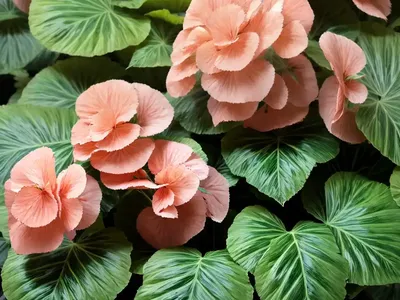
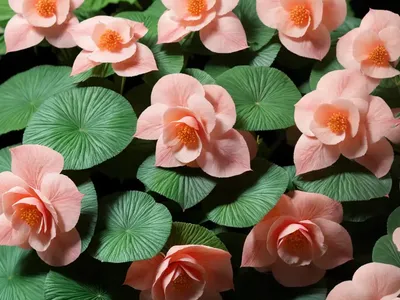
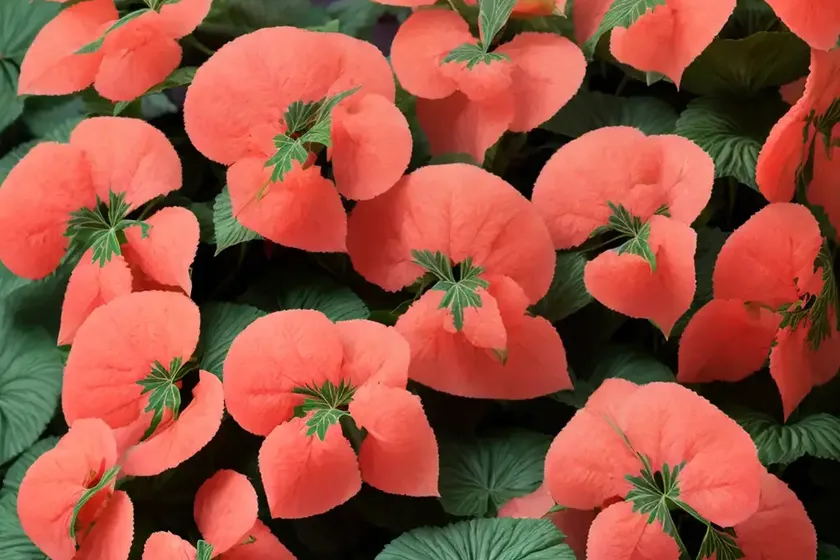
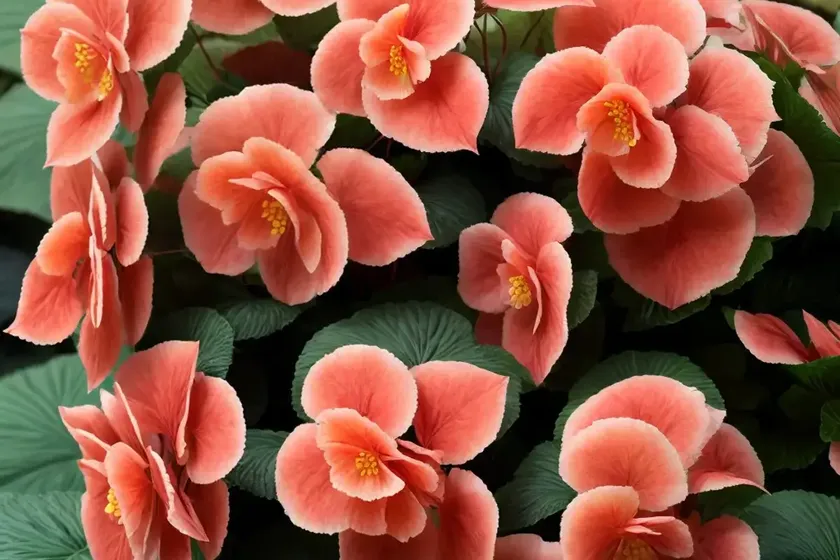
Begonia grandis, commonly referred to as Hardy Begonia, is a herbaceous perennial plant that belongs to the Begoniaceae family. Native to China and Japan, this species has captured the hearts of gardeners worldwide with its graceful appearance and adaptability to various growing conditions. Its distinct foliage and pendulous pink flowers make it a captivating addition to gardens, borders, and woodland settings. The hardy nature of this begonia allows it to thrive in diverse environments, making it an excellent choice for both novice and experienced gardeners.
Key Takeaways – Hardy Begonia (Begonia grandis)
Before we delve into the intricacies of cultivating and caring for the Hardy Begonia, let’s explore some key takeaways that capture the essence of this remarkable plant.
- Scientific Name: Begonia grandis
- Common Name: Hardy Begonia
- Plant Type: Herbaceous perennial
- Foliage: Distinctively shaped, asymmetrical, green leaves with red undersides
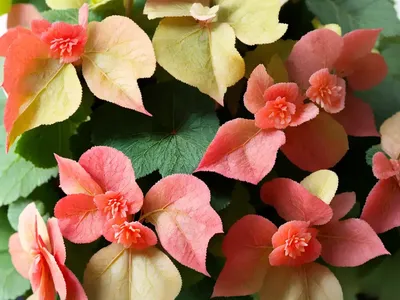
- Flowers: Delicate, pendulous pink flowers that bloom in late summer
- Uses: Suitable for gardens, borders, woodland settings, and container gardening
- Adaptability: Thrives in shaded and partially shaded areas
- Hardiness Zones: Typically suited to USDA Zones 6-9
- Unique Features: Attractive foliage patterns, drought-tolerant, and low maintenance
Now that we have a glimpse of the exceptional qualities of the Hardy Begonia, let’s delve into the specific aspects of its cultivation, care, and utilization in various settings.
Culture
Cultivating the Hardy Begonia entails understanding its cultural requirements, including water, sunlight, fertilizer, soil, and pruning. By providing the ideal conditions, you can ensure that the plant thrives and displays its enchanting attributes to the fullest.
Water
Proper watering is crucial for the overall health and vigor of the Hardy Begonia. While the plant does not appreciate soggy conditions, it thrives in consistently moist soil. When watering, it is essential to strike a balance to prevent the soil from drying out completely. In hotter climates, regular watering is necessary to maintain the moisture levels, particularly during the summer months.
- Water Needs: Moderate to high
- Preferred Moisture Levels: Keep soil consistently moist, but not waterlogged
- Watering Frequency: Water regularly, especially during periods of heat and drought
- Best Watering Practice: Water at the base to avoid wetting the foliage, which can lead to disease
Sunlight
The Hardy Begonia is renowned for its adaptability to shaded and partially shaded environments. While it can tolerate some sunlight, providing it with dappled shade or partial shade is optimal for promoting healthy growth and robust foliage. Avoid exposing the plant to direct, intense sunlight, as this can result in leaf scorch and diminished flowering.
- Sunlight Requirements: Partial to full shade
- Ideal Conditions: Dappled shade or partial shade
- Avoidance: Direct, intense sunlight
- Leaf Scorch: Protect the plant from excessive sun exposure to prevent leaf damage
Fertilizer
Proper fertilization is essential for enhancing the vitality and blooming potential of the Hardy Begonia. A balanced, organic fertilizer applied during the growing season can support its growth and ensure the development of lush foliage and vibrant flowers. Incorporating a layer of organic mulch around the base of the plant can also help to retain moisture and provide nutrients as it decomposes.
- Fertilization Schedule: Apply a balanced, organic fertilizer during the growing season
- Frequency: Fertilize every 4-6 weeks
- Mulching: Use organic mulch to enrich the soil and retain moisture
- Avoid Overfertilizing: Excessive fertilization can lead to weak growth and diminished flowering
Soil
The choice of soil is instrumental in providing a conducive environment for the Hardy Begonia to flourish. Well-draining, humus-rich soil with a slightly acidic to neutral pH is preferred. Amending the soil with organic matter, such as compost or peat moss, can improve its structure and fertility, promoting robust growth and blooming.
- Soil Type: Well-draining, humus-rich soil
- pH Level: Slightly acidic to neutral (pH 6.0-7.0)
- Amendments: Incorporate organic matter like compost or peat moss
- Soil Structure: Ensure good aeration and drainage to prevent waterlogging
Pruning
Pruning plays a role in maintaining the shape and vigor of the Hardy Begonia. While the plant does not require extensive pruning, removing spent flowers and thinning out overcrowded growth can encourage new blooms and maintain its overall health. Additionally, removing any damaged or diseased foliage can prevent the spread of diseases and promote the plant’s well-being.
- Pruning Approach: Remove spent flowers and trim overcrowded growth
- Timing: Prune as needed throughout the growing season
- Disease Management: Remove any diseased or damaged foliage promptly
- Encouraging Growth: Pruning can stimulate new growth and reinvigorate the plant
Propagation
The propagation of the Hardy Begonia presents an opportunity to expand your collection or share the plant with fellow gardening enthusiasts. Understanding the methods of propagation, including from seed and division, can empower you to propagate the plant successfully and enrich your garden or landscape with its graceful presence.
Division
Dividing mature clumps of Hardy Begonia can be an effective way to propagate the plant and create new specimens. This method is typically carried out in early spring before new growth emerges. By carefully separating the rhizomes and ensuring that each division has viable roots and shoots, you can establish new plants that will thrive in their new locations.
- Division Time: Early spring, before new growth appears
- Division Process: Carefully separate the rhizomes while preserving roots and shoots
- Planting Divisions: Transplant the divisions into prepared soil and provide proper care
- Establishment: New plants will acclimate and establish themselves over time
Seed Propagation
Growing Hardy Begonia from seed offers an exciting and rewarding experience for gardeners. Sowing seeds in a suitable growing medium, maintaining consistent moisture, and providing warmth can lead to successful germination and the emergence of young seedlings. Patience and attentive care are essential when propagating the plant from seeds, as it may take some time for the seedlings to reach a size suitable for transplanting.
- Seed Sowing: Start seeds in a suitable growing medium under controlled conditions
- Germination: Maintain consistent moisture and warmth for successful germination
- Young Seedlings: Care for the seedlings until they reach transplanting size
- Transplanting: Move the seedlings to their permanent locations following established guidelines
Container Popularity
The Hardy Begonia’s adaptability and ornamental appeal make it a popular choice for container gardening. Whether grown in pots, hanging baskets, or other types of containers, the plant brings a touch of elegance and charm to outdoor spaces, patios, and balconies. Its shade tolerance and manageable size further contribute to its desirability as a container plant.
Ideal Containers
When selecting containers for growing Hardy Begonia, choose options that provide ample space for the plant’s root system and promote good drainage. Terra cotta pots, wooden planters, or plastic containers with drainage holes are suitable choices. The size of the container should accommodate the plant’s growth while allowing for sufficient soil volume.
- Container Types: Terra cotta pots, wooden planters, plastic containers with drainage holes
- Size Considerations: Ensure the container size matches the plant’s growth potential
- Drainage: Good drainage is essential to prevent waterlogging
- Aesthetics: Select containers that complement the plant’s ornamental features
Container Soil
The choice of soil for container-grown Hardy Begonia should prioritize proper drainage and aeration. A well-balanced potting mix that retains moisture without becoming waterlogged is ideal. Adding perlite or coarse sand to the potting medium can enhance its drainage capabilities and create an optimal environment for the plant’s roots.
- Potting Mix: Well-balanced, well-draining potting mix
- Retention of Moisture: Ensure the mix retains moisture without becoming waterlogged
- Amendments: Incorporate perlite or coarse sand to promote good drainage
- Root Health: Provide a conducive environment for healthy root growth
Container Care
Caring for Hardy Begonia in containers encompasses regular watering, suitable placement, and occasional fertilization. Monitoring the moisture levels and addressing the plant’s needs in accordance with its growth patterns and environmental conditions can contribute to its vitality and ornamental value.
- Watering Frequency: Maintain consistent moisture levels, adjusting based on environmental factors
- Sunlight Requirements: Choose a suitable location providing partial to full shade
- Fertilization: Apply a balanced, water-soluble fertilizer at the recommended intervals
- Growth Observation: Monitor the plant’s growth and adjust care practices as needed
Common Diseases
While the Hardy Begonia is relatively resistant to many diseases, it is not impervious to certain common issues that can affect its health and appearance. Understanding the symptoms and management strategies for prevalent diseases can help in preserving the plant’s vigor and ensuring its longevity.
Disease Diagnosis
Being attentive to changes in the plant’s foliage, such as discoloration, wilting, or unusual spots, can serve as an early indication of potential disease issues. Prompt diagnosis and intervention are essential in addressing the underlying causes and minimizing the impact of diseases on the Hardy Begonia.
Common Diseases
- Powdery Mildew:
- Symptoms: White powdery patches on leaves and stems
-
Management: Improve air circulation, apply fungicidal sprays if necessary
-
Botrytis Blight:
- Symptoms: Grayish mold on flowers and foliage
-
Management: Remove affected parts, enhance air circulation, avoid overhead watering
-
Crown Rot:
- Symptoms: Soft, discolored crown and wilting foliage
- Management: Adjust watering practices, improve drainage, trim affected areas
Preventive Measures
Implementing preventive measures can significantly reduce the likelihood of diseases affecting the Hardy Begonia. These proactive strategies include maintaining proper hygiene, providing suitable growing conditions, and promptly addressing any issues that may compromise the plant’s health.
- Hygiene: Keep the growing area clean and free of decaying plant matter
- Proper Air Circulation: Enhance air movement to minimize humidity-related issues
- Optimal Watering: Avoid overwatering and minimize moisture on foliage
- Early Intervention: Address any signs of disease promptly to prevent spread
Common Pests
Though generally resilient, the Hardy Begonia may occasionally encounter pests that can disrupt its growth and aesthetic appeal. Recognizing the signs of pest infestation and employing effective pest management practices can mitigate potential damage and safeguard the plant’s well-being.
Pest Identification
Vigilance in observing the plant for signs of pest activity, such as leaf damage, stippling, or unusual deposits, can aid in timely pest identification. By familiarizing yourself with common pests that affect the Hardy Begonia, you can take proactive measures to prevent infestations and minimize their impact.
Common Pests
- Aphids:
- Appearance: Small, soft-bodied insects clustering on new growth
- Damage: Sucking sap and causing distortion of leaves
-
Management: Rinse off with water, apply horticultural oils or insecticidal soaps
-
Slugs and Snails:
- Evidence: Slimy trails and irregular holes in leaves
- Damage: Feeding on foliage and flowers, particularly in damp conditions
-
Management: Handpick, use barriers, apply iron phosphate-based baits
-
Spider Mites:
- Effects: Fine webbing on foliage, stippling, and discoloration
- Damage: Piercing-sucking mouthparts leading to weakened plants
- Management: Increase humidity, apply insecticidal sprays as needed
Pest Control
Implementing strategies for pest control can help in preventing infestations and managing pest populations effectively. By combining physical, cultural, and if necessary, chemical control measures, you can safeguard the Hardy Begonia from the potential ravages of pests.
- Physical Removal: Handpick larger pests and physically remove them from the plant
- Cultural Practices: Ensure proper sanitation and reduce pest-friendly conditions
- Biological Controls: Introduce natural predators to manage pest populations
- Chemical Applications: Use targeted insecticidal or miticidal treatments if pest levels warrant intervention
Botanist’s Tips
As a plant scientist with a passion for the Hardy Begonia, here are some expert tips to enhance your understanding and cultivation of this captivating plant.
Tip 1: Shady Sanctuary
Leverage the shade tolerance of the Hardy Begonia by incorporating it into shaded garden areas or woodland settings. Its elegant foliage and delicate flowers can bring a touch of enchantment to areas that receive limited sunlight.
Tip 2: Moisture Management
Maintain a careful balance in watering practices to keep the soil consistently moist without allowing it to become waterlogged. Pay attention to the plant’s response to watering and adjust as needed to meet its moisture requirements.
Tip 3: Disease Vigilance
Regularly inspect the foliage and overall condition of the plant to catch any signs of diseases at an early stage. Prompt action can prevent diseases from spreading and causing extensive damage.
Tip 4: Pest Monitoring
Stay observant and monitor the Hardy Begonia for any signs of pest activity. Early detection and intervention can prevent pests from establishing significant populations and damaging the plant.
Tip 5: Winter Care
In regions where winter temperatures drop significantly, provide adequate protection for the Hardy Begonia to ensure its survival. Consider mulching around the base of the plant and providing shelter to shield it from harsh winter conditions.
Fun Facts
Uncover some intriguing and delightful facts about the Hardy Begonia that showcase its distinctiveness and allure.
- Botanical Elegance: The asymmetrical leaf shape of the Hardy Begonia adds to its botanical allure, capturing the attention of admirers with its unique foliage.
- Woodland Wonder: With its preference for shaded environments, the Hardy Begonia excels in woodland gardens, imparting a sense of natural beauty and tranquility.
- Wildlife Habitat: The flowers of the Hardy Begonia attract various pollinators, contributing to the ecosystem and serving as a valuable nectar source.
Links to External Resources
For further exploration and in-depth information on the Hardy Begonia, consider these valuable external resources:
- American Begonia Society: Explore articles, resources, and community forums dedicated to begonias and their cultivation.
- Royal Horticultural Society (RHS): Delve into the RHS website for comprehensive plant profiles and expert gardening advice.
- University Cooperative Extension Services: Check the extension services of universities for region-specific guidance on growing Hardy Begonia.
- Botanical Gardens and Arboretums: Visit botanical gardens and arboretums to observe Hardy Begonia specimens and gain inspiration for garden design.
As we conclude this comprehensive guide, we trust that you have gained valuable insights into the cultivation, care, and utilization of the Hardy Begonia (Begonia grandis). Whether adorning your garden, enhancing shaded areas, or gracing your favorite containers, this extraordinary plant is sure to captivate and enchant with its elegance and resilience.
In your journey with the Hardy Begonia, may you discover the joy of nurturing and appreciating a plant that embodies beauty, adaptability, and timeless grace.
Happy gardening!
References:
1. “The American Begonia Society”, https://www.begonias.org/
2. “Royal Horticultural Society (RHS)”, https://www.rhs.org.uk/
3. “Cooperative Extension Services”, https://nifa.usda.gov/land-grant-colleges-and-universities/partner-search
4. “Botanical Gardens and Arboretums”, https://www.ahs.org/publications/the_american_gardener/