Hairy St. John’s-wort (Hypericum Hirsutum)
Hairy St. John’s-wort (Hypericum hirsutum) is a fascinating plant with a rich history of traditional uses and a range of practical applications in modern.
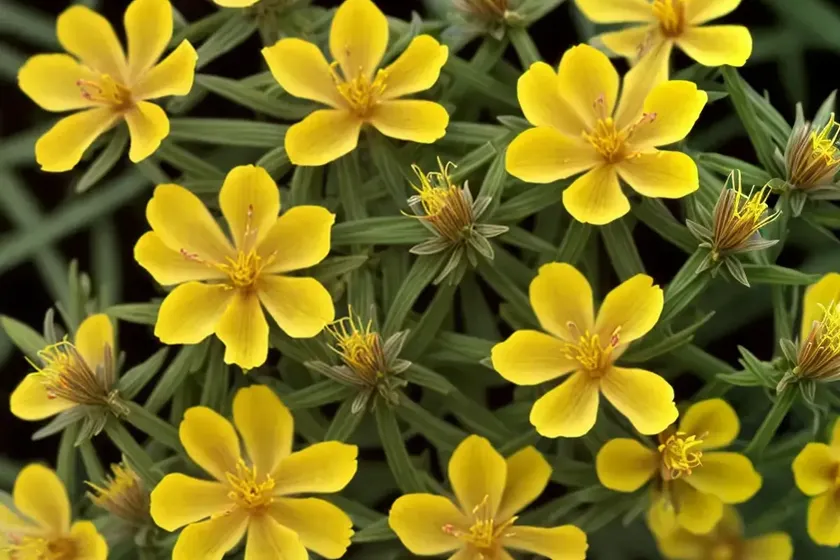
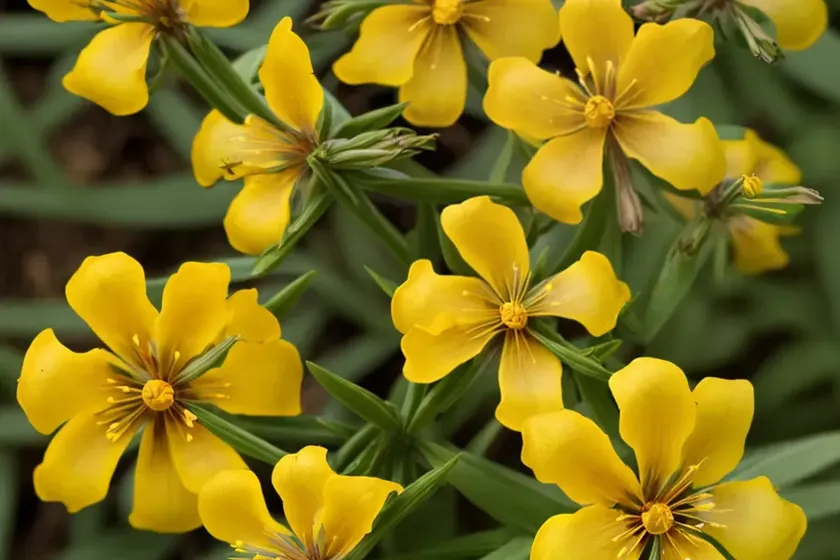
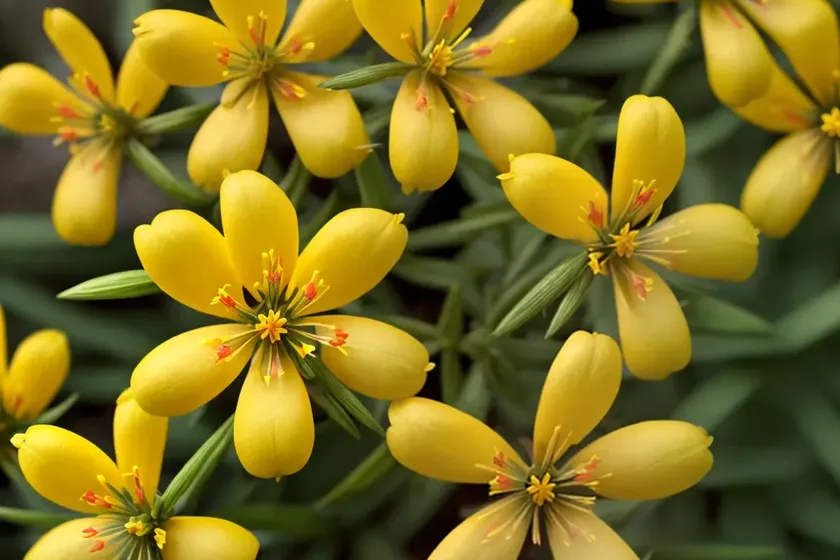
Hairy St. John’s-wort (Hypericum hirsutum) is a fascinating plant with a rich history of traditional uses and a range of practical applications in modern gardening and landscaping. In this comprehensive guide, we will explore the botanical characteristics, cultural significance, practical uses, and detailed care requirements of Hairy St. John’s-wort. Whether you’re interested in its folklore, medicinal properties, or simply want to grow it in your garden, this article will provide you with valuable insights and expert tips.
What is Hairy St. John’s-wort (Hypericum hirsutum)?
Hairy St. John’s-wort, scientifically known as Hypericum hirsutum, is a perennial flowering plant belonging to the Hypericaceae family. This herbaceous plant is native to Europe and Western Asia, where it thrives in diverse habitats ranging from open woodlands to meadows and riverbanks. It is characterized by its striking yellow flowers and has been historically valued for its medicinal properties and symbolic significance.
Hairy St. John’s-wort (Hypericum hirsutum) Key Takeaways:
- Scientific Name: Hypericum hirsutum
- Common Name: Hairy St. John’s-wort
- Family: Hypericaceae
- Native Habitat: Europe, Western Asia
- Uses: Medicinal, landscaping, folklore
- Characteristics: Yellow flowers, perennial
- Cultural Significance: Symbolism, traditional medicine
- Growth Habit: Herbaceous perennial
Now that we have an overview of Hairy St. John’s-wort, let’s delve into its cultural significance, practical uses, and detailed care requirements.
Cultural Significance and Traditional Uses
Hairy St. John’s-wort holds a significant place in traditional folklore and herbal medicine. From its symbolic representation to its practical applications as a medicinal herb, this plant has a rich cultural history.
Symbolism and Folklore:
Hairy St. John’s-wort has been associated with various cultural beliefs and traditions. In some cultures, it was believed to possess protective qualities and was often used in rituals to ward off evil spirits. Its bright yellow flowers were also seen as a symbol of optimism and positivity.
Medicinal Uses:
The plant has a long history of use in traditional medicine. Its aerial parts, especially the flowers and leaves, have been used to prepare herbal remedies for a range of ailments. From treating mild depression to providing relief from nerve pain, the medicinal properties of Hairy St. John’s-wort have been well-documented in traditional medicine practices.
Cultivation and Care Guide
If you’re considering adding Hairy St. John’s-wort to your garden or landscape, understanding its specific growth requirements and care guidelines is crucial. Let’s explore the essential factors for successfully cultivating and maintaining this intriguing plant.
Water:
Hairy St. John’s-wort thrives in moist, well-drained soil. While it demonstrates a good tolerance for dry conditions, regular watering is essential, especially during periods of drought. Aim to keep the soil evenly moist, but not waterlogged, to support healthy growth and prolific flowering.
Sunlight:
This plant typically flourishes in full sun to partial shade. Select a location in your garden or landscape that receives at least 6 hours of direct sunlight each day for optimal growth and flowering.
Fertilizer:
When it comes to fertilization, a balanced, all-purpose fertilizer can be applied in the spring to support robust growth and blooming. Be mindful of following the dosage recommendations for your specific fertilizer to prevent overfeeding.
Soil:
Hairy St. John’s-wort prefers well-draining, loamy soil with a slightly acidic to neutral pH. Amending the soil with organic matter can enhance its texture and fertility, creating an ideal growing environment for this plant.
Pruning:
Regular deadheading and light pruning can promote continuous blooming and prevent the plant from becoming overly leggy. Consider trimming back any dead or damaged foliage to maintain a tidy and healthy appearance.
Propagation:
The propagation of Hairy St. John’s-wort can be accomplished through both seeds and vegetative means. While seeds can be sown in the early spring, division of mature plants can also be a reliable method for propagating new specimens.
Container Cultivation:
Hairy St. John’s-wort can be successfully grown in containers, making it a versatile choice for balcony gardens, patios, and other urban settings. Ensure that the container has adequate drainage and select a well-draining potting mix for optimal results.
Popularity and Common Diseases
The popularity of Hairy St. John’s-wort stems from its charming appearance, practical uses, and low-maintenance nature. Whether used as a border plant, a focal point in a perennial garden, or as part of a naturalistic planting scheme, it adds a delightful touch to any landscape. Despite its resilience, it is important to be aware of potential diseases and pests that may affect this plant.
Common Diseases:
While Hairy St. John’s-wort generally exhibits good disease resistance, it can occasionally be susceptible to fungal diseases such as powdery mildew and rust. Ensuring proper air circulation and avoiding overhead watering can help mitigate the risk of these issues.
Disease Diagnosis:
If you notice discoloration, deformities, or unusual growth patterns on your Hairy St. John’s-wort plant, it is crucial to promptly assess the symptoms and, if necessary, seek the guidance of a plant health professional to accurately diagnose any potential diseases.
Common Pests and Botanist’s Tips
In addition to being mindful of diseases, understanding the common pests that might affect Hairy St. John’s-wort is essential for maintaining its health and vigor. Here are a few key points to consider when it comes to pest management for this plant:
Common Pests:
-
Aphids: These tiny insects can congregate on the undersides of leaves, causing damage to the plant by sucking sap and secreting honeydew. Regular inspection and targeted treatments can effectively control aphid populations.
-
Leaf Beetles: Certain species of leaf-feeding beetles may feed on the foliage of Hairy St. John’s-wort, potentially causing visible damage. Handpicking and deploying natural predators can help manage these pests.
-
Spider Mites: These minute pests can infest the plant, leading to stippling and discoloration of the leaves. Keeping the plant adequately watered and periodically spraying it with a strong jet of water can deter spider mite infestations.
Botanist’s Tips:
-
Regularly monitor the foliage for any signs of pests or diseases, taking proactive measures to address any issues.
-
Avoid over-fertilization, as excessive nitrogen levels can make the plant more susceptible to certain pests and diseases.
-
Implement a diverse planting scheme to attract beneficial insects and natural predators that can help keep pest populations in check.
Fun Facts and Botanical Insights
Uncover some captivating fun facts and detailed insights about Hairy St. John’s-wort that showcase the unique appeal and ecological importance of this plant.
Fun Facts:
-
Botanical Name Origins: The genus name “Hypericum” is derived from the Greek words “hyper” (above) and “eikon” (picture), alluding to the plant’s use in traditional practices of hanging over religious icons for protection.
-
Medicinal History: Throughout history, Hairy St. John’s-wort has been employed for a range of medicinal purposes, earning it the reputation of a versatile healing herb.
-
Pollinator Attraction: The vibrant yellow flowers of Hairy St. John’s-wort are particularly attractive to bees and other pollinators, making it a valuable addition to pollinator-friendly gardens.
Botanical Insights:
-
Taxonomic Classification: Hypericum hirsutum belongs to the genus Hypericum, which encompasses over 400 species distributed across the globe, displaying diverse growth habits and ecological adaptations.
-
Natural Habitat: In the wild, Hairy St. John’s-wort can be found in a range of habitats, from forest edges to grasslands, where it plays a role in supporting biodiversity and ecological balance.
-
Landscape Applications: Its compact growth habit, vibrant flowers, and adaptability to various growing conditions make Hairy St. John’s-wort an ideal choice for adding visual interest and ecological value to garden landscapes.
Links to External Resources
For further exploration of Hairy St. John’s-wort, its botanical characteristics, ecological role, and practical uses, consider delving into these valuable external resources:
- Royal Horticultural Society – Hypericum hirsutum
- USDA Plants Database – Hypericum hirsutum
- Missouri Botanical Garden – Hairy St. John’s-wort
- Botanical.com – St. John’s-wort
By exploring these resources, you can gain deeper insights into the botanical intricacies, ecological significance, and practical applications of Hairy St. John’s-wort, enriching your understanding and appreciation of this remarkable plant.
In conclusion, Hairy St. John’s-wort (Hypericum hirsutum) stands as a captivating plant with a diverse array of cultural, medicinal, and horticultural attributes. Whether you’re drawn to its symbolism, intrigued by its traditional uses, or eager to cultivate it in your garden, this comprehensive guide offers a wealth of knowledge and practical recommendations to support your exploration and cultivation of this remarkable botanical specimen.
Containing a harmonious blend of history, practical insights, and ecological significance, Hairy St. John’s-wort continues to enthrall enthusiasts, horticulturists, and researchers, embodying the enduring appeal and importance of botanical diversity in our natural world.
Remember, as you embark on your journey with Hairy St. John’s-wort, approach it with a deep sense of curiosity, respect for its cultural heritage, and an appreciation of its ecological contributions. Embracing the multifaceted nature of this plant, you can truly appreciate the remarkable depth and significance of Hypericum hirsutum, the captivating Hairy St. John’s-wort.