Autograph Tree (Clusia Rosea)
In this comprehensive guide, we will explore the various aspects of caring for the Autograph tree (Clusia rosea) and its significance in horticulture. We.
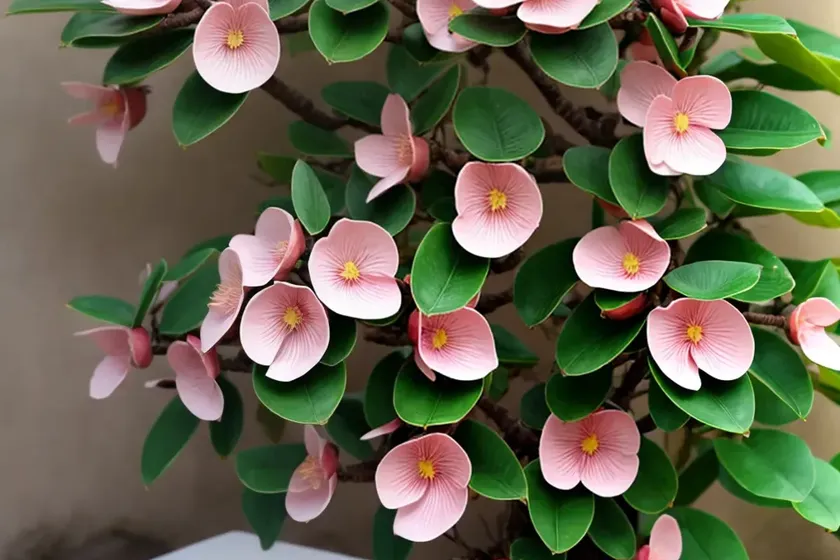
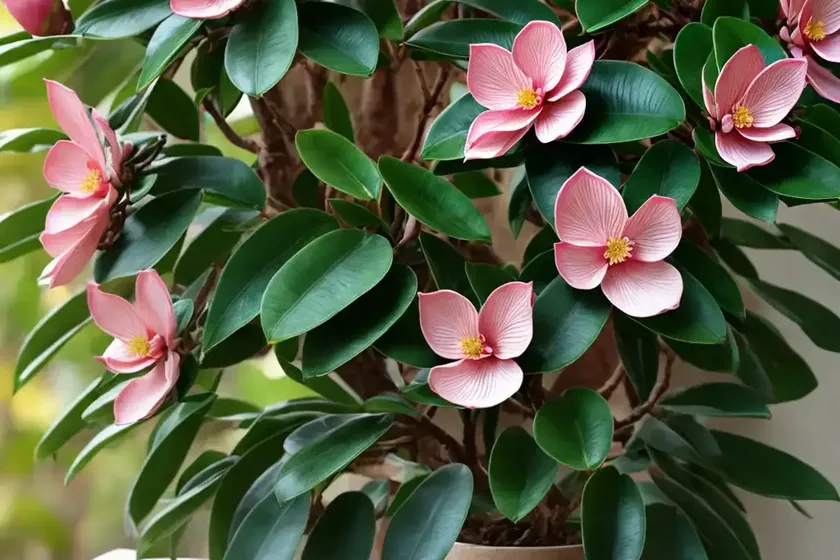
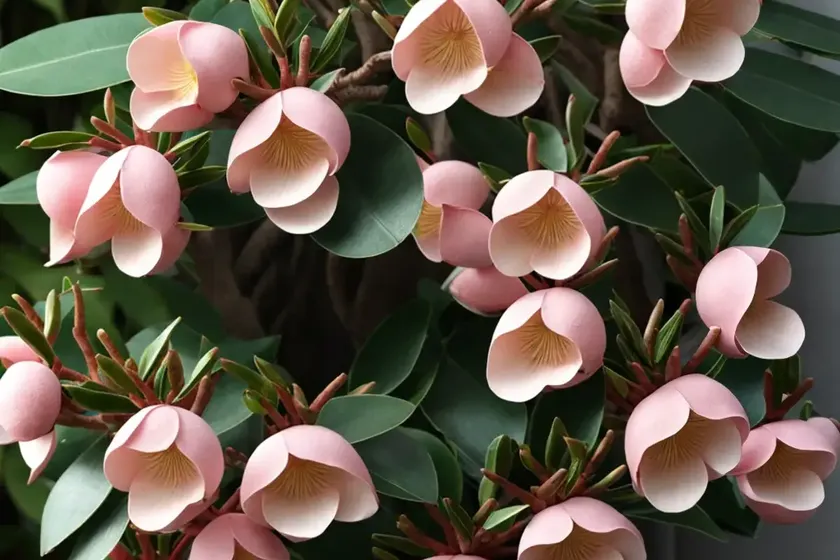
In this comprehensive guide, we will explore the various aspects of caring for the Autograph tree (Clusia rosea) and its significance in horticulture. We will delve into its culture, uses, optimal growing conditions, maintenance, common diseases, pests, propagation, and much more. Whether you are a seasoned horticulturist or a beginner plant enthusiast, this guide will equip you with the knowledge and tools to cultivate and nurture the Autograph tree successfully.
What is the Autograph Tree (Clusia rosea)?
The Autograph tree, scientifically known as Clusia rosea, is an evergreen flowering plant belonging to the Clusiaceae family. Native to the Caribbean, Central America, and South America, this tree is revered for its lush foliage, resilience, and adaptability to a variety of environments. Its common name, “Autograph tree,” is derived from the unique characteristic of its thick, leathery leaves which can be inscribed upon, making it a popular novelty for visitors and tourists.
The Autograph tree is a versatile species that can thrive in diverse settings, including both indoor and outdoor environments. Whether used for landscaping, as a potted ornamental plant, or even as a natural privacy screen, the Clusia rosea offers an array of benefits and aesthetic appeal.
Key Takeaways – Autograph Tree (Clusia rosea)
Before we delve into the specific aspects of caring for the Autograph tree, let’s take a look at the key takeaways that encapsulate the essence of this remarkable plant.
Culture
- The Autograph tree (Clusia rosea) is a tropical evergreen plant known for its glossy, dark green leaves and unique aerial roots.
- It can be cultivated both indoors and outdoors, making it a versatile choice for a wide range of settings.
- The tree is often admired for its signature feature – its thick, leathery foliage, which allows for personalized inscriptions, hence the name “Autograph tree.”
Uses
- Its resilient nature and aesthetic appeal make the Autograph tree a popular choice for landscaping, providing privacy, and adding greenery to urban spaces.
- Clusia rosea is also utilized as a potted ornamental plant, adding a touch of tropical elegance to interior spaces.
Water
- The Autograph tree thrives in moderately moist soil and prefers well-draining conditions to prevent waterlogging.
- Regular watering is essential for young plants, while established trees have higher tolerance to short periods of drought.
Sunlight
- Clusia rosea exhibits a preference for bright, indirect sunlight, making it well-suited for both indoor and outdoor locations with dappled light or partial shade.
Fertilizer
- The Autograph tree benefits from regular fertilization during the growing season to support its lush foliage and overall vigor.
- A balanced, slow-release fertilizer with a slightly higher potassium content is ideal for promoting healthy growth.
Soil
- Well-draining, rich, and slightly acidic soil with a pH range of 6.1 to 7.5 is optimal for the Autograph tree.
- The tree adapts well to various soil types, including loamy, sandy, or clayey soils, as long as they offer good drainage.
Pruning
- Pruning is recommended to maintain the desired shape, remove dead or overgrown branches, and promote air circulation within the canopy.
- The ideal time for pruning is during the spring or early summer to avoid interfering with the plant’s natural growth patterns.
Propagation
- Clusia rosea can be propagated through seeds, cuttings, or air layering, offering multiple options for expanding your Autograph tree collection or sharing with fellow gardening enthusiasts.
Container Popularity
- Due to its adaptability to container gardening, the Autograph tree is a favored choice for adorning patios, balconies, and indoor spaces with its lush greenery.
Common Diseases
- While generally robust, the Autograph tree may be susceptible to fungal diseases, leaf spot, and root rot if subjected to prolonged periods of moisture stress.
Disease Diagnosis
- Close monitoring of leaf discoloration, wilting, or unusual growth patterns can aid in the early detection and treatment of potential diseases affecting the Clusia rosea.
Common Pests
- Insect pests such as mealybugs, scale insects, and spider mites may pose occasional challenges to the Autograph tree, requiring proactive pest management measures.
Botanist’s Tips
- Regular observation, proper watering, and well-timed pruning are key elements in maintaining the health and vigor of the Autograph tree.
- The unique foliage of Clusia rosea offers an opportunity for personalized expressions, making it a delightful addition to gardens and public spaces.
Fun Facts
- Beyond its ornamental value, the Autograph tree holds cultural significance, often being featured in folklore and local traditions within its native range.
External Resources
- As we delve into the intricate details of caring for the Autograph tree, we will also refer to external resources and expert insights to provide a comprehensive and authoritative guide for enthusiasts and professionals alike.
Now, let’s embark on a detailed exploration of the various aspects of caring for the Autograph tree (Clusia rosea), incorporating the keywords provided to ensure a comprehensive coverage of essential topics. We will cover everything from planting and propagation to maintenance, disease management, and more for this captivating plant.
Clusia rosea Care Tips
Autograph Tree Planting Guide
When considering planting an Autograph tree, it is essential to select an appropriate location that provides adequate space for its growth and meets its preferred environmental conditions. Whether planting it in the ground or a container, the following tips can help ensure a successful planting process:
- Select a location with well-draining soil and partial shade, especially during the heat of the day.
- Allow ample space between multiple plants if planting more than one Clusia rosea to accommodate their mature size.
- If planting in a container, choose a pot with drainage holes to prevent waterlogged soil, and use a high-quality, well-draining potting mix.
- Consider the potential height and spread of the plant at maturity and ensure it has enough clearance from buildings, other plants, or structures.
Clusia rosea Benefits
The Autograph tree offers numerous benefits, ranging from its ornamental value to its adaptability to a variety of environments. Some of its key benefits include:
- Aesthetic appeal: The glossy, dark green foliage and unique air roots make the Autograph tree an attractive addition to landscaping and indoor spaces.
- Versatility: Clusia rosea can thrive in both indoor and outdoor settings, offering flexibility in its use for various horticultural purposes.
- Adaptability: It can tolerate a range of light conditions and soil types, making it a resilient choice for diverse climates and environments.
Clusia rosea Characteristics
To understand the specific needs of the Autograph tree, it is essential to familiarize oneself with its key characteristics, which include:
- Glossy, dark green leaves: The thick, leathery foliage of Clusia rosea is a defining feature, contributing to its unique appearance and resilience.
- Aerial roots: The plant’s aerial roots add to its visual appeal and provide anchorage for the sprawling branches, making it well-suited for landscape and container gardening.
- Evergreen habit: The Autograph tree retains its foliage throughout the year, maintaining its lush appearance regardless of the season.
Autograph Tree Growing Conditions
Understanding the optimal growing conditions for Clusia rosea is crucial for promoting its health and vigor. Here are the key factors to consider:
- Light: The Autograph tree thrives in bright, indirect sunlight or partial shade, making it suitable for both indoor and outdoor settings.
- Temperature: It prefers warm, tropical climates and is sensitive to frost, requiring protection or bringing indoors during colder months in temperate regions.
- Soil: Well-draining, slightly acidic soil with a pH range of 6.1 to 7.5 is ideal for the Autograph tree, allowing for adequate moisture retention without waterlogging.
- Water: Moderate and consistent watering is essential for the initial establishment of young plants, while established trees exhibit higher tolerance to short periods of drought.
Clusia rosea Propagation
For those interested in propagating Clusia rosea to expand their collection or share the plant with others, several methods can be employed:
- Seeds: Collect mature seeds from the fruit and sow them in well-draining, moist potting mix to initiate the germination process.
- Cuttings: Take stem cuttings with at least two nodes and propagate them in a suitable rooting medium with high humidity and warmth to encourage root development.
- Air layering: Encourage the formation of roots on a healthy branch by creating a small incision and enclosing the wounded area with moist, rooting medium until new roots develop.
Autograph Tree Maintenance
Regular maintenance practices are essential for the overall health and appearance of the Autograph tree. These may include:
- Pruning: Remove dead or overgrown branches, shape the tree as desired, and maintain good air circulation within the canopy.
- Fertilization: Apply a balanced, slow-release fertilizer during the growing season to support the plant’s growth and foliage development.
- Monitoring: Regularly check for signs of pests, diseases, or nutrient deficiencies and take prompt corrective measures as needed.
Clusia rosea Varieties
While the standard Clusia rosea is widely recognized for its glossy, dark green foliage, there exist varieties and cultivars that may offer subtle differences in appearance or growth habits. These may include variations in leaf size, color, or growth form, catering to diverse preferences among enthusiasts and landscapers.
Autograph Tree Pruning
Pruning is an important aspect of maintaining the Autograph tree’s shape and promoting its overall health. Key considerations for pruning may include:
- Timing: Perform pruning during the spring or early summer to coincide with the plant’s active growth phase and avoid potential stress during dormant periods.
- Technique: Use clean, sharp pruning tools to make precise cuts, removing dead or diseased branches, as well as shaping the tree to achieve the desired appearance.
With these care tips in mind, enthusiasts and horticultural professionals can confidently embark on the journey of cultivating and nurturing the captivating Autograph tree (Clusia rosea). The next sections will delve into specific care requirements, potential challenges, and management strategies related to water, sunlight, soil, pests, and diseases.
Autograph Tree (Clusia rosea) Care Details
Watering Tips
Proper watering is a fundamental aspect of maintaining the health and vitality of the Autograph tree. Whether grown indoors or outdoors, the following watering tips can guide enthusiasts in meeting the plant’s moisture needs:
- New plantings: Young Clusia rosea plants benefit from regular, thorough watering to facilitate root establishment and growth.
- Established trees: Once established, the Autograph tree exhibits higher tolerance to short periods of drought, requiring moderate watering to maintain soil moisture.
- Waterlogged conditions: Avoid overwatering to prevent waterlogged soil, which can lead to root rot and other moisture-related issues.
Sunlight Requirements
Understanding the preferred light conditions for the Autograph tree is crucial for ensuring its optimal growth and foliage development:
- Indoor settings: Place potted Clusia rosea in locations with bright, indirect sunlight, such as near east or west-facing windows, to provide the necessary light exposure.
- Outdoor settings: In garden or landscape settings, choose partially shaded areas that offer protection from intense midday sun while allowing ample natural light for the plant’s photosynthetic needs.
Soil Preferences
The choice of soil and its characteristics play a significant role in the overall vitality and well-being of the Autograph tree. Consider the following soil preferences when cultivating Clusia rosea:
- Well-draining soil: Select or prepare soil with good drainage to prevent waterlogging, as excessive moisture can lead to root rot and other detrimental conditions.
- pH level: Aim for a slightly acidic soil pH ranging from 6.1 to 7.5, which supports nutrient availability and overall root health for the Autograph tree.
- Organic matter: Incorporating organic amendments can enhance soil structure, moisture retention, and nutrient availability, supporting the plant’s growth and resilience.
Autograph Tree Fertilization
Providing appropriate fertilization can greatly benefit the growth and appearance of the Autograph tree. Here are some key considerations for fertilizing Clusia rosea:
- Schedule: Apply a balanced, slow-release fertilizer during the growing season, typically in spring and mid-summer, to support the plant’s nutritional needs.
- Nutrient balance: Look for a fertilizer with a balanced NPK ratio and slightly higher potassium content to encourage strong root development, foliage growth, and overall vigor.
- Application method: Broadcast the fertilizer evenly under the tree’s canopy, then water thoroughly to facilitate nutrient absorption into the root zone.
Autograph Tree Sunlight Requirements
Understanding the preferred light conditions for the Autograph tree is crucial for ensuring its optimal growth and foliage development:
- Indoor settings: Place potted Clusia rosea in locations with bright, indirect sunlight, such as near east or west-facing windows, to provide the necessary light exposure.
Outdoor settings: In garden or landscape settings, choose partially shaded areas that offer protection from intense midday sun while allowing ample natural light for the plant’s photosynthetic needs.
Clusia rosea Soil Preferences
The choice of soil and its characteristics play a significant role in the overall vitality and well-being of the Autograph tree. Consider the following soil preferences when cultivating Clusia rosea:
- Well-draining soil: Select or prepare soil with good drainage to prevent waterlogging, as excessive moisture can lead to root rot and other detrimental conditions.
- pH level: Aim for a slightly acidic soil pH ranging from 6.1 to 7.5, which supports nutrient availability and overall root health for the Autograph tree.
Autograph Tree Pruning Techniques
Pruning is an essential aspect of maintaining the shape, health, and aesthetics of the Autograph tree. Employ the following techniques for successful pruning:
- Deadwood removal: Regularly inspect the tree for dead or diseased branches and promptly remove them to promote overall plant health.
- Canopy shaping: Prune selectively to shape the tree as desired, maintaining a balanced and visually appealing canopy structure.
- Pruning tools: Use sharp, clean pruning tools to make precise cuts, minimizing stress and promoting efficient wound healing on the tree.
Clusia rosea Watering Tips
Proper watering is a fundamental aspect of maintaining the health and vitality of the Autograph tree. Whether grown indoors or outdoors, the following watering tips can guide enthusiasts in meeting the plant’s moisture needs:
- New plantings: Young Clusia rosea plants benefit from regular, thorough watering to facilitate root establishment and growth.
- Established trees: Once established, the Autograph tree exhibits higher tolerance to short periods of drought, requiring moderate watering to maintain soil moisture.
Autograph Tree Sunlight Requirements
Understanding the preferred light conditions for the Autograph tree is crucial for ensuring its optimal growth and foliage development:
- Indoor settings: Place potted Clusia rosea in locations with bright, indirect sunlight, such as near east or west-facing windows, to provide the necessary light exposure.
- Outdoor settings: In garden or landscape settings, choose partially shaded areas that offer protection from intense midday sun while allowing ample natural light for the plant’s photosynthetic needs.
Clusia rosea Pest Control
While generally resistant to pests, the Autograph tree may occasionally encounter issues with common insect pests, necessitating the implementation of effective pest control measures:
- Mealybugs: Remove mealybugs manually and apply insecticidal soap or horticultural oil to affected areas to control the infestation.
- Scale insects: Remove scales gently with a soft brush or cloth and treat with insecticidal sprays as needed to manage the population.
- Spider mites: Increase humidity and use water sprays to deter spider mites, and consider introducing natural predators such as predatory mites for biological control.
Autograph Tree Wildlife Attraction
The presence of the Autograph tree can contribute to local wildlife attraction and ecological diversity through various means:
- Habitat provision: The lush foliage and unique characteristics of Clusia rosea can offer shelter and nesting opportunities for birds and beneficial insects.
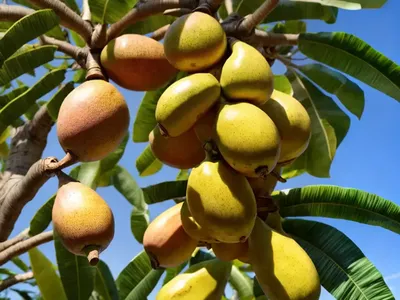
- Food source: The tree’s fruit and nectar may serve as a food source for pollinators, birds, and other wildlife, enhancing the local ecosystem’s biodiversity.
Clusia rosea Medicinal Properties
Within its native range, the Autograph tree has been traditionally utilized for certain medicinal purposes, often attributed to its natural compounds and beneficial properties:
- Traditional remedies: Extracts from various parts of the Clusia rosea have been used in traditional medicine for their purported anti-inflammatory and wound-healing properties.
- Ethnobotanical significance: Local communities and indigenous cultures may have historical references to the medicinal uses of the Autograph tree in addressing specific health conditions.
Autograph Tree Flowering Period
The Autograph tree exhibits periodic flowering, adding seasonal interest to its visual appeal and ornamental value:
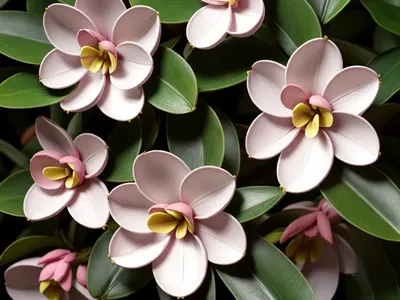
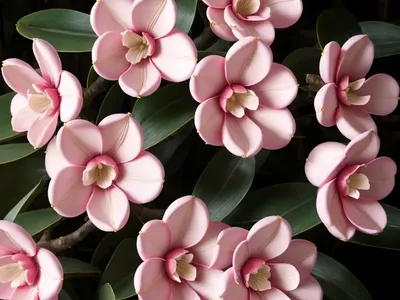
- Flowering season: Depending on its growing environment, Clusia rosea may produce showy, white flowers during specific times of the year, often followed by the development of fruit.
- Floral display: The tree’s flowering period offers an opportunity to appreciate its botanical intricacies and potentially observe visiting pollinators such as bees and butterflies.
Clusia rosea Drought Tolerance
While the Autograph tree thrives in moderately moist conditions, it also demonstrates a degree of tolerance to short periods of drought once established:
- Water conservation: During dry spells or low precipitation, reduce watering frequency while ensuring that the plant’s root zone does not become overly dry.
- Root adaptation: The development of a robust root system in mature trees allows for efficient water uptake and storage, contributing to its resilience in drought-prone environments.
Autograph Tree Wildlife Habitat
Beyond its ornamental value, the Autograph tree can serve as a valuable wildlife habitat, supporting various species and contributing to ecological diversity:
- Bird nesting: The dense foliage and branching structure of Clusia rosea can offer nesting opportunities for birds, enhancing the local avian population.
- Insect interaction: Beneficial insects, pollinators, and other invertebrates may be attracted to the plant, contributing to a dynamic and balanced ecosystem.
Clusia rosea Growth Rate
Understanding the growth rate of the Autograph tree can provide insights into its developmental patterns and expected size at maturity:
- Moderate growth: Clusia rosea typically exhibits a moderate growth rate, allowing for gradual establishment and expansion within its designated planting area.
- Size considerations: Plan for the mature size and spread of the tree when selecting planting locations, ensuring ample space for its development without overcrowding.
Autograph Tree Native Range
Clusia rosea is indigenous to specific regions, each with its unique environmental conditions and ecosystems:
- Native distribution: The Autograph tree is native to various countries in the Caribbean, Central America, and South America, where it thrives in tropical and subtropical climates.
- Ecological context: Understanding the natural habitat and distribution of Clusia rosea can provide insights into its preferred growing conditions and ecological interactions.
Clusia rosea Container Care
The Autograph tree’s adaptability to container gardening makes it a popular choice for adding greenery to patios, balconies, and interior spaces:
- Container selection: Choose a spacious container with adequate drainage holes to accommodate the plant’s root system and prevent waterlogging.
- Potting mix: Use a well-draining, high-quality potting mix enriched with organic matter to provide a supportive growing medium for p