Hairy-fruited Wickerware Cactus (Erythrorhipsalis Pilocarpa)
Hairy-fruited Wickerware Cactus, scientifically known as Erythrorhipsalis Pilocarpa, is a unique and fascinating plant that belongs to the cactus family. With its distinctive hairy fruits and resilient nature, this plant has attracted plant enthusiasts and botanists alike. In this comprehensive guide, we will delve into the various aspects of caring for Hairy-fruited Wickerware Cactus, including its cultural requirements, uses, propagation, and common pests and diseases. Whether you are a seasoned plant enthusiast or a beginner looking to delve into the world of indoor gardening, this guide will equip you with the knowledge to ensure the thriving growth of this beautiful cactus species.
What is Hairy-fruited Wickerware Cactus?
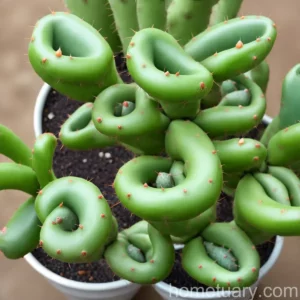
Hairy-fruited Wickerware Cactus (Erythrorhipsalis Pilocarpa) is a member of the cactus family characterized by its unique hairy fruits and slender stems. Originating from tropical regions of Central and South America, this cactus species has adapted to thrive in diverse environments, making it an ideal choice for indoor cultivation. Its distinctive appearance and low-maintenance nature have made it a popular choice among plant enthusiasts looking to add a touch of greenery to their homes.
Key Takeaways
Hairy-fruited Wickerware Cactus (Erythrorhipsalis Pilocarpa)
- Care requirements: As a tropical cactus species, Hairy-fruited Wickerware Cactus requires specific cultural conditions to thrive, including adequate sunlight, well-draining soil, and careful watering.
- Unique features: The hairy fruits of Erythrorhipsalis Pilocarpa set it apart from other cactus species, adding an intriguing aesthetic element to its overall appearance.
- Propagation: This cactus species can be propagated through stem cuttings, providing an opportunity for plant enthusiasts to expand their collection and share this unique plant with others.
- Low maintenance: With minimal pruning requirements and a tolerance for occasional neglect, Hairy-fruited Wickerware Cactus serves as an excellent choice for individuals seeking an easy-care indoor plant.
Culture
Water
Proper watering is essential for the health of Hairy-fruited Wickerware Cactus. It is important to strike a balance between providing adequate moisture and preventing waterlogged conditions, which can lead to root rot. During the growing season, typically spring and summer, water the plant when the top inch of soil feels dry to the touch. In contrast, reduce watering frequency in the dormant winter months, allowing the soil to dry out more thoroughly between waterings. Additionally, using a pot with drainage holes and a well-draining cactus mix can help prevent water accumulation around the roots.
Sunlight
Erythrorhipsalis Pilocarpa thrives in bright, indirect light. Place the plant near a south-facing window or provide it with filtered sunlight from an east or west-facing exposure. While it appreciates ample light, especially during the growing season, it is crucial to shield the plant from direct sun exposure, as this can lead to sunburn and damage the delicate stems and foliage.
Fertilizer
During the active growing period in spring and summer, apply a balanced, water-soluble fertilizer specifically formulated for cacti and succulents. Dilute the fertilizer to half or a quarter of the recommended strength to avoid overfeeding the plant. Refrain from fertilizing during the fall and winter when the plant is dormant. Overfertilization can result in excessive foliage growth at the expense of the plant’s overall health and resilience.
Soil
Providing well-draining soil is paramount for the health of Hairy-fruited Wickerware Cactus. A commercial cactus or succulent potting mix is an excellent choice, as it is designed to promote drainage and prevent waterlogged conditions. Alternatively, you can create a custom mix by combining regular potting soil with coarse sand and perlite to improve aeration and drainage.
Pruning
Hairy-fruited Wickerware Cactus typically requires minimal pruning, mainly to remove any dead or decaying stems or to maintain the plant’s shape and size. Use clean, sharp pruning shears to make precise cuts, ensuring that the wounds heal quickly and reduce the risk of disease or pest infestation. Additionally, removing any discolored or damaged growth can improve the overall appearance of the plant and promote healthy regrowth.
Uses
Beyond its ornamental value, Hairy-fruited Wickerware Cactus serves several practical and aesthetic purposes:
- Indoor decoration: Its slender stems and unique hairy fruits make it an ideal addition to indoor spaces, adding visual interest and a touch of greenery.
- Terrarium planting: Due to its compact size and attractive appearance, Erythrorhipsalis Pilocarpa is well-suited for terrarium or miniature garden arrangements, creating a captivating focal point in a confined space.
- Gift-giving: With its distinctive aesthetic and low maintenance requirements, this cactus serves as a thoughtful and enduring gift for plant enthusiasts or individuals passionate about indoor gardening.
Propagation
Stem Cuttings
Propagating Hairy-fruited Wickerware Cactus through stem cuttings is a straightforward and effective method for expanding your plant collection or sharing this unique species with fellow plant enthusiasts. Follow these steps to propagate Erythrorhipsalis Pilocarpa using stem cuttings:
- Select a healthy, mature stem for propagation, ensuring that it possesses at least two nodes where new roots can develop.
- Using clean, sharp scissors or pruning shears, carefully cut a 3- to 6-inch section from the stem, ensuring that the cut is clean and free from damage.
- Allow the cutting to air dry for a day to form a callus over the cut surface, which helps prevent rot and promotes successful root development.
- Prepare a small pot or container with well-draining cactus mix, and insert the bottom end of the cutting into the soil, ensuring that at least one node is buried beneath the surface.
- Water the cutting lightly and place it in a warm, bright location with indirect sunlight. Ensure that the soil remains slightly moist but not waterlogged during the rooting process.
Once the cutting has developed a healthy root system, typically within several weeks, it can be transplanted into a larger container to accommodate its continued growth.
Container Popularity
Hairy-fruited Wickerware Cactus is popular among indoor plant enthusiasts for several reasons:
- Low maintenance: Its minimal care requirements, including low water and nutrient needs, make it an appealing choice for individuals seeking a resilient and easy-to-care-for plant.
- Unique aesthetics: The distinctive hairy fruits of Erythrorhipsalis Pilocarpa add an intriguing visual element to indoor spaces, making it a conversation piece and a point of interest among plant enthusiasts and visitors alike.
- Adaptability: With its tolerance for diverse environmental conditions and minimal space requirements, this cactus is well-suited for apartment living, offices, and other confined indoor settings.
Container Common Diseases
Disease Diagnosis
While Hairy-fruited Wickerware Cactus is generally resistant to disease, it can occasionally succumb to certain infections and environmental stressors. Common diseases that may affect this cactus species include:
- Root rot: Caused by overwatering or poor soil drainage, root rot can lead to wilting, browning of the stems, and a foul odor emanating from the soil. To diagnose root rot, carefully inspect the plant’s roots for discoloration, mushiness, or a foul smell, indicating decay and disease.
- Powdery mildew: Characterized by a white, powdery growth on the stems and foliage, powdery mildew can arise from overly humid conditions or inadequate air circulation. Diagnose powdery mildew by observing the presence of white, powdery patches on the plant’s surfaces and stems, necessitating prompt intervention to prevent further spread.
Common Pests
Botanist’s Tips
Fun Facts
Links to External Resources
Wickerware Cactus: https://www.succulentsandsunshine.com/types-of-cacti/erythrorhipsalis-pilocarpa/
By following these comprehensive guidelines, plant enthusiasts can cultivate and care for Hairy-fruited Wickerware Cactus (Erythrorhipsalis Pilocarpa) with confidence, ensuring the health and vitality of this unique and visually striking plant. From providing the right cultural conditions to diagnosing and addressing potential issues, this guide equips you with the knowledge and insights necessary to foster the thriving growth of this fascinating cactus species. Whether you are a seasoned plant enthusiast or a newcomer to the world of indoor gardening, the rewarding experience of nurturing Hairy-fruited Wickerware Cactus will undoubtedly enrich your indoor space with its captivating presence.