Groundsel (Senecio Vulgaris)
In the vast kingdom of plants, there are numerous species that often go unnoticed. One such plant is Groundsel (Senecio Vulgaris). Despite its unassuming.
In the vast kingdom of plants, there are numerous species that often go unnoticed. One such plant is Groundsel (Senecio Vulgaris). Despite its unassuming presence, this plant possesses various characteristics, uses, and benefits that are worth exploring.
What is Groundsel (Senecio Vulgaris)?
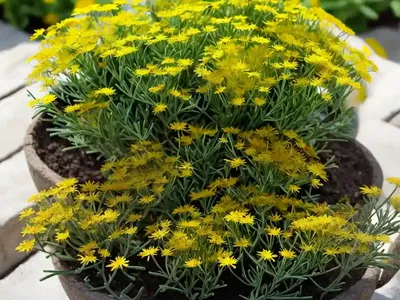
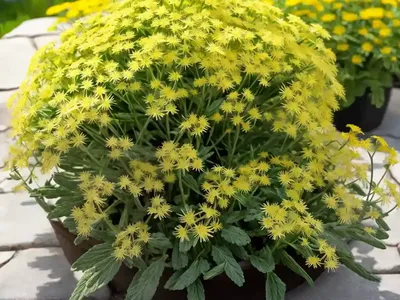
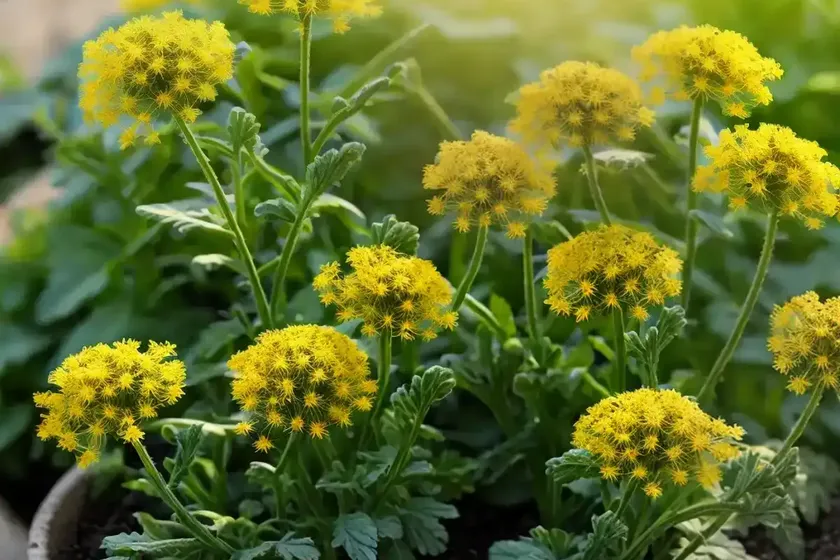
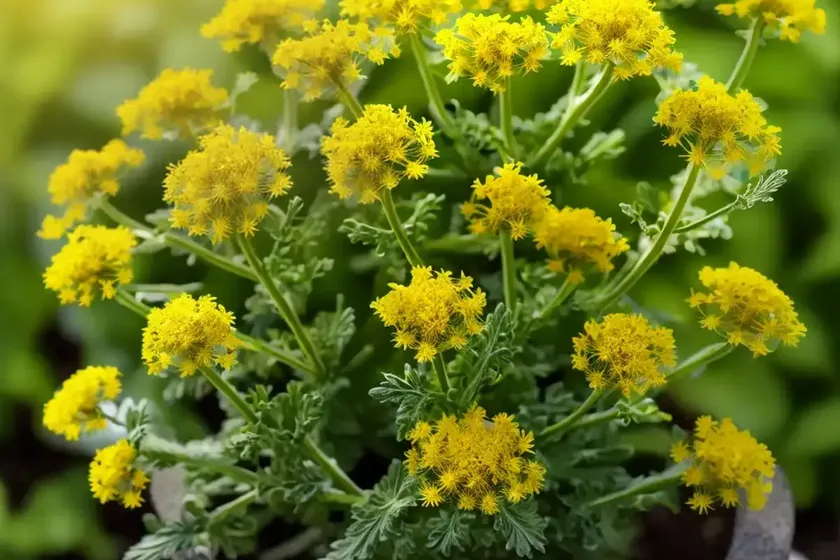
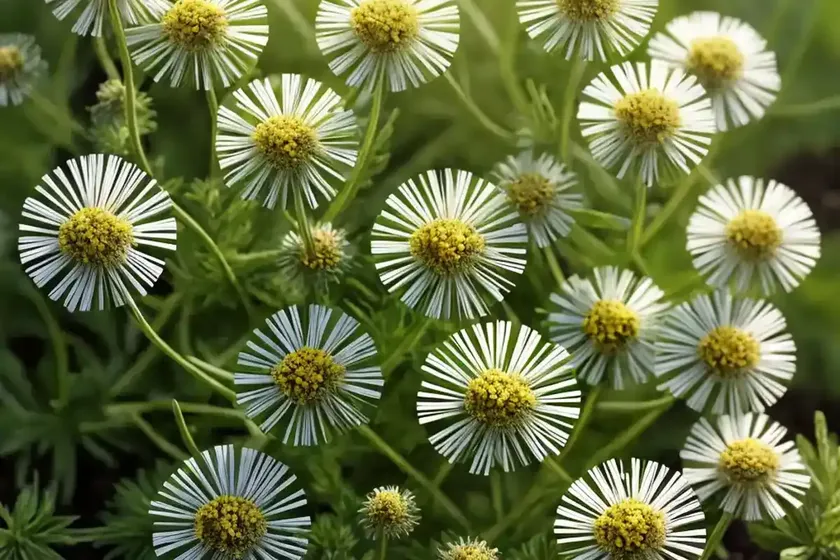
Groundsel, scientifically known as Senecio Vulgaris, is a common weed found in various parts of the world. It belongs to the Asteraceae family and is characterized by its small, yellow flowers and lobed leaves. The plant typically grows in disturbed areas, waste grounds, and cultivated fields.
Groundsel is an annual or biennial herbaceous plant that can reach a height of around 30-60 centimeters. It has a branching stem and produces clusters of small, daisy-like flowers. The leaves of Groundsel are deeply lobed and have a somewhat succulent texture.
Key Takeaways – Groundsel (Senecio Vulgaris)
Before delving deeper into the nuances of this plant, it is essential to highlight the key takeaways of Groundsel (Senecio Vulgaris). Understanding these aspects will provide a comprehensive overview of its characteristics and potential uses.
- Scientific Name: Senecio Vulgaris
- Common Name: Groundsel
- Family: Asteraceae
- Habitat: Disturbed areas, waste grounds, cultivated fields
- Characteristics: Small yellow flowers, lobed leaves, annual or biennial, branching stem
- Uses: Medicinal, ornamental, ecological
Now, let’s explore the various aspects of Groundsel, including its culture, uses, care requirements, and ecological significance.
Culture
Understanding the cultural requirements of a plant is crucial for its successful growth and development. Groundsel has specific needs in terms of water, sunlight, soil, and more, which are vital for its overall well-being.
Water
Groundsel is relatively adaptable when it comes to water requirements. It can tolerate both dry and moist conditions, making it well-suited to a variety of environments. However, consistent moisture levels are generally favorable for its growth, particularly during the germination and early growth stages.
- Ensure adequate moisture during the germination phase.
- Once established, moderate watering is usually sufficient.
- Avoid waterlogging, as it can lead to root rot and other issues.
Sunlight
As a plant commonly found in disturbed areas, Groundsel is accustomed to various light conditions. It can thrive in full sun to partial shade, making it versatile in terms of its light requirements.
- Ideally, provide it with partial shade in hot, sunny climates.
- In cooler regions, full sun exposure may be suitable.
Soil
Groundsel is not overly demanding when it comes to soil quality. It can grow in a wide range of soil types, from sandy to loamy. Additionally, it is often found in nutrient-rich soils, particularly in areas with agricultural activity.
- Well-draining soil is preferable to prevent water retention.
- It can tolerate slightly acidic to slightly alkaline soil conditions.
Uses
The uses of Groundsel extend beyond its role as a common weed. This unassuming plant has various applications, ranging from medicinal to ecological purposes.
Medicinal Uses
In traditional medicine and herbal remedies, Groundsel has been utilized for its potential healing properties. While its use requires caution due to its toxicity (discussed later), certain traditional practices have incorporated Groundsel for its purported medicinal benefits.
- Expectorant: Groundsel has been used to treat respiratory conditions, acting as an expectorant to promote the clearance of mucus from the lungs.
- Diuretic: Some traditional remedies use Groundsel as a diuretic, promoting the production of urine to aid in detoxification.
Ecological Significance
Despite being viewed as a common weed, Groundsel plays a role in the ecosystem and can offer various ecological benefits.
- Wildlife Habitat: The flowers of Groundsel can attract pollinators, contributing to the biodiversity of a given area.
- Soil Improvement: As a part of natural vegetation, Groundsel can play a role in stabilizing soil and contributing to its overall health.
Care Tips
Caring for Groundsel involves understanding its specific needs and providing the necessary attention to promote its growth while managing any potential issues.
Fertilizer
Given its adaptability to different soil conditions, Groundsel often does not require additional fertilization. However, in poor soil or when growing Groundsel in containers, a balanced, all-purpose fertilizer can be applied sparingly to support its growth.
- Use a balanced fertilizer with equal proportions of nitrogen, phosphorus, and potassium.
- Apply fertilizer during the growing season, following the recommended dilution and frequency.
Pruning
Pruning is generally not a significant aspect of Groundsel care, especially in naturalized settings where it can thrive without intervention. However, in certain cultivated environments or gardens, deadheading spent flowers can help promote prolonged blooming and a tidier appearance.
- Remove spent flowers as they fade to encourage continuous blooming.
- Trim back any damaged or diseased growth to maintain plant health.
Propagation
Groundsel can readily propagate through its seeds, making it prolific in many areas. Understanding its propagation techniques and managing its spread is essential for those looking to grow it intentionally.
- Seed Collection: Collect mature seeds from existing plants by allowing the seed heads to dry and collecting the seeds before they disperse.
- Seed sowing: Sow the collected seeds in prepared soil in the desired location, providing light but firm soil contact.
Container
For those interested in growing Groundsel in containers, specific considerations should be made to ensure its success in a confined environment.
- Container Size: Choose a container with sufficient depth to accommodate the root system, as Groundsel can develop a deep taproot.
- Soil: Use a well-draining potting mix to ensure proper moisture management.
Common Diseases and Pests
Like many plants, Groundsel is susceptible to certain diseases and pests, which can impact its health and vigor.
Disease Diagnosis
Groundsel may encounter fungal diseases, including powdery mildew and various leaf spot diseases. These conditions often manifest as visible lesions on the leaves and can lead to defoliation and reduced plant vigor.
- Monitor the plant for any signs of leaf discoloration, spots, or abnormal growth.
- Proper airflow and good sanitation practices can help mitigate the risk of fungal diseases.
Common Pests
Groundsel can attract certain insect pests, particularly aphids and caterpillars. These pests can cause damage to the foliage, affecting the overall aesthetic and health of the plant.
- Regular inspection of the plant can help identify any pest infestations early.
- Insecticidal soaps or natural predators can be utilized to manage pest populations.
Botanist’s Tips
As a botanist or plant enthusiast, there are various tips and insights to consider when exploring the world of Groundsel.
- Identification: Familiarize yourself with the distinct characteristics of Groundsel, such as its lobed leaves and small yellow flowers, to aid in its identification.
- Ecological Awareness: Recognize the ecological role of Groundsel and its significance as a component of natural vegetation.
- Toxicity Awareness: Be mindful of the potential toxicity of Groundsel and exercise caution when handling or utilizing it.
Fun Facts
Uncovering intriguing and lesser-known facts about Groundsel adds a layer of appreciation for this often underestimated plant.
- Ethnobotanical Significance: Groundsel has a history of being used in traditional medicine and herbal remedies in various cultures.
- Adaptability: Despite its modest appearance, Groundsel has adapted to a wide range of environments, demonstrating its resilience as a species.
Links to External Resources
To further explore the world of Groundsel (Senecio Vulgaris), refer to the following external resources for in-depth information and insights:
- The Plant List – Senecio Vulgaris
- Plants for a Future – Senecio Vulgaris
- Flora of North America – Senecio Vulgaris
- Royal Horticultural Society – Groundsel
In conclusion, as we unravel the secrets of Groundsel (Senecio Vulgaris), it becomes evident that this unassuming plant holds a wealth of characteristics and potential uses. Its adaptability, ecological significance, and modest beauty contribute to its intrinsic value within the plant kingdom. Whether viewed as a common weed or appreciated for its resilience, Groundsel offers a captivating story waiting to be explored.
With its medicinal properties, ecological importance, and unique adaptations, Groundsel serves as a testament to the resilience and versatility of plant species, reminding us of the wonder and complexity found within even the most modest of plants.