Greater Musk-Mallow (Malva Alcea)
Plants are an essential part of the natural world, providing food, oxygen, and beauty to our environment. In this guide, we will delve into the fascinating.
Introduction
Plants are an essential part of the natural world, providing food, oxygen, and beauty to our environment. In this guide, we will delve into the fascinating world of the Greater Musk-Mallow, scientifically known as Malva alcea, exploring its characteristics, benefits, cultivation, gardening tips, medicinal uses, and much more.
What is Greater Musk-Mallow (Malva alcea)?
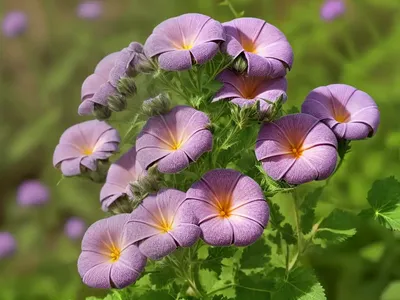
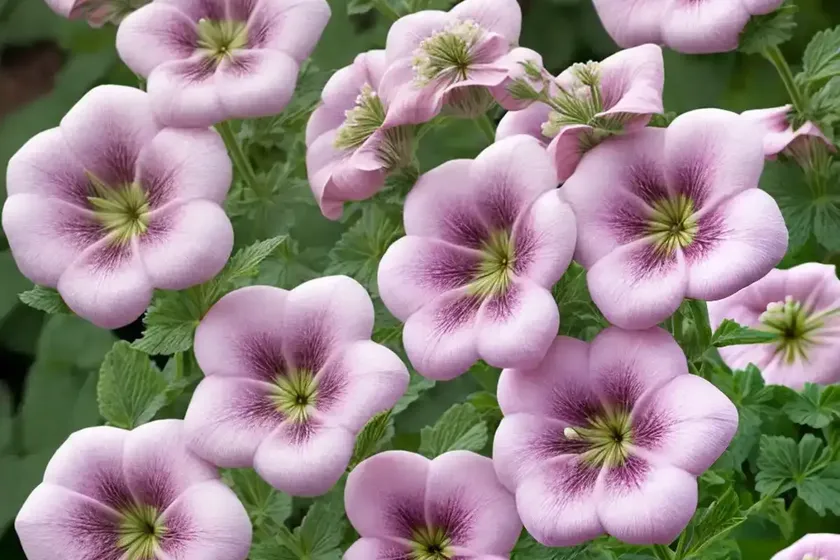
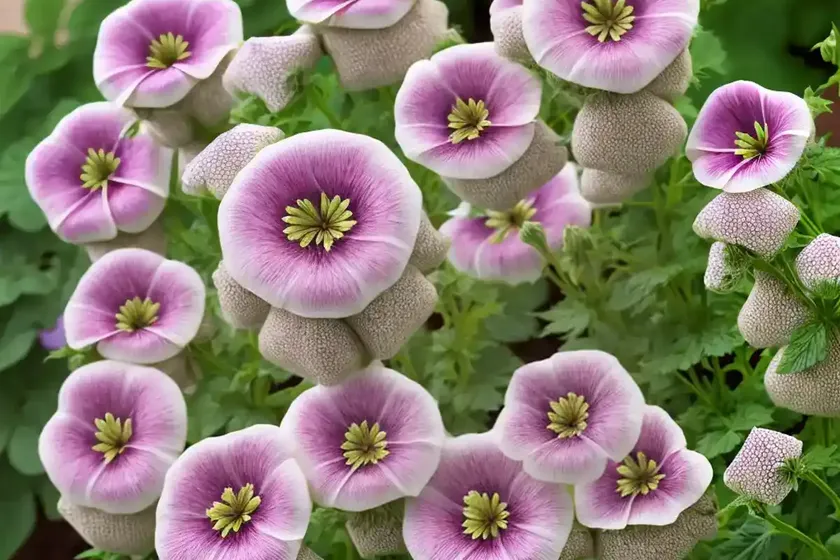
Malva alcea, commonly known as Greater Musk-Mallow, is a herbaceous perennial plant belonging to the Malvaceae family. This stunning flowering plant is native to the Mediterranean region and is known for its attractive clusters of pink to purple flowers.
Malva alcea Characteristics
- Plant Size: The Greater Musk-Mallow can reach a height of 3 to 5 feet (0.9 to 1.5 meters) at maturity.
- Foliage: The plant features lobed, palmate leaves with a soft texture, and a gentle, musk-like fragrance.
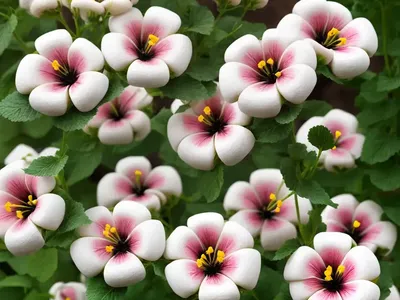
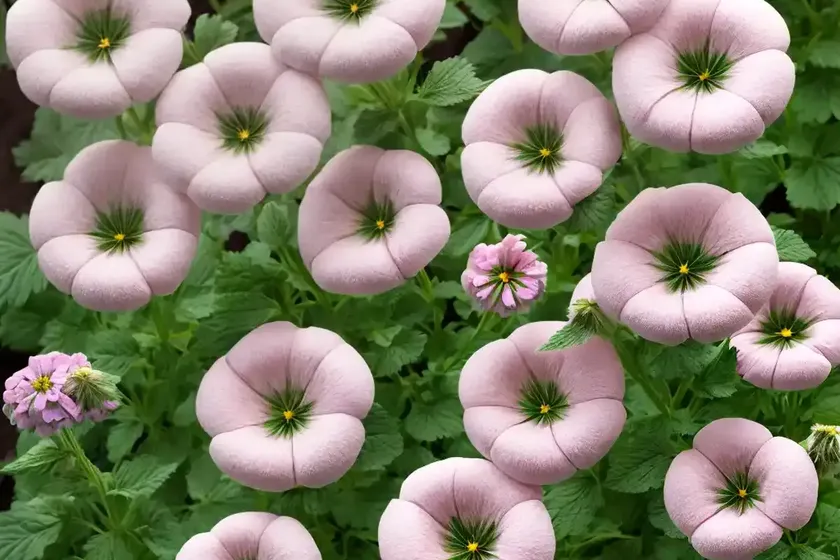
- Flowers: Its flowers are cup-shaped, with a diameter of around 2 inches (5 cm), and are typically bright pink to purple in color.
- Habitat: It thrives in sunny to partially shaded locations and well-drained soil.
- Flowering Period: The blooming season usually occurs from early summer to early autumn.
Key Takeaways – Greater Musk-Mallow (Malva alcea)
Let’s uncover the various aspects of this stunning plant, its care requirements, uses, and much more:
Culture
Cultivating the Greater Musk-Mallow requires an understanding of its specific cultural needs to promote healthy growth and abundant flowering.
Uses
The Greater Musk-Mallow is not only an aesthetically pleasing addition to gardens and landscapes but also offers several practical uses.
Water
Understanding the water requirements of the Greater Musk-Mallow is crucial for maintaining optimal health and vigor.
Sunlight
Proper exposure to sunlight is essential for the Greater Musk-Mallow’s growth and blooming.
Fertilizer
The right nutrients are vital for the Greater Musk-Mallow’s overall health and flowering potential.
Soil
Choosing the right soil and ensuring proper soil conditions are essential for the successful cultivation of the Greater Musk-Mallow.
Pruning
Pruning is an important aspect of caring for the Greater Musk-Mallow, contributing to its overall appearance and vigor.
Propagation
Learning about propagation methods is crucial for expanding your Greater Musk-Mallow collection and sharing its beauty with others.
Container Popularity
The Greater Musk-Mallow’s adaptability to container gardening makes it a popular choice for various settings.
Container Common Diseases
Knowing the potential diseases affecting container-grown Greater Musk-Mallow plants is important for proactive management.
Disease Diagnosis
Recognizing signs of diseases early on is instrumental in preserving the health of the Greater Musk-Mallow.
Common Pests
Understanding the pests that may affect the Greater Musk-Mallow is vital for maintaining its well-being.
Botanist’s Tips
Insightful tips from experienced botanists can enhance your journey of growing Greater Musk-Mallow and your overall gardening endeavors.
Fun Facts
Exploring interesting and lesser-known facts about the Greater Musk-Mallow adds depth to your appreciation for this remarkable plant.
Links to External Resources
Additional external resources can provide valuable supplementary information and insights into the world of Greater Musk-Mallow cultivation and care.
Now, let’s delve deeper into each of these key takeaways to gain a comprehensive understanding of the Greater Musk-Mallow and its requirements.
Culture
Uses
The Greater Musk-Mallow (Malva alcea) offers a multitude of uses, making it a valuable addition to any garden or landscape. From its ornamental beauty to its potential medicinal properties, here are some key uses to consider:
- Ornamental: With its striking pink to purple flowers and attractive foliage, the Greater Musk-Mallow adds a touch of elegance to garden beds, borders, and wildflower meadows.
- Wildlife Attraction: The nectar-rich flowers of the Greater Musk-Mallow attract pollinators such as butterflies, bees, and hummingbirds, contributing to the overall biodiversity of the area.
- Medicinal: In traditional medicine, various parts of the plant, including the leaves and roots, have been used for their potential medicinal properties. From soothing teas to herbal remedies, the Greater Musk-Mallow has been historically valued for its therapeutic attributes.
Water
Proper watering is essential for the health and vitality of the Greater Musk-Mallow. While the plant is relatively drought-tolerant once established, consistent moisture is beneficial, especially during the active growing season and flowering period.
- Watering Needs: Aim to provide the Greater Musk-Mallow with approximately 1 inch (2.5 cm) of water per week, either through rainfall or supplemental irrigation. During hot, dry spells, increase watering frequency as needed to prevent the soil from drying out completely.
- Soil Moisture: Ensure that the soil remains consistently moist but well-drained to prevent waterlogging, which can lead to root rot and other moisture-related issues.
- Mulching: Applying a layer of organic mulch around the base of the plant helps retain soil moisture, suppresses weed growth, and insulates the roots during temperature fluctuations.
Sunlight
The Greater Musk-Mallow thrives in sunny to partially shaded locations, making it a versatile addition to various garden settings.
- Sun Exposure: Aim to plant the Greater Musk-Mallow in an area that receives at least 6 to 8 hours of direct sunlight per day for optimal growth and flowering.
- Partial Shade: While the plant prefers full sun, it can also tolerate partial shade, especially in regions with intense summer heat. In such cases, providing some afternoon shade can benefit the plant’s overall health and vigor.
Fertilizer
Supplemental fertilization can support the Greater Musk-Mallow’s growth and flowering potential, especially in nutrient-poor soils or container-grown specimens.
- Timing: Apply a balanced, slow-release fertilizer in early spring as new growth begins, following the manufacturer’s recommended application rates.
- Nutrient Requirements: Look for a fertilizer with a balanced NPK ratio (nitrogen, phosphorus, and potassium) to provide essential macro and micronutrients. A formulation such as 10-10-10 or 20-20-20 can support the plant’s overall nutritional needs.
- Application Method: Sprinkle the fertilizer evenly around the base of the plant, avoiding direct contact with the stems or foliage. Water thoroughly after application to help the nutrients penetrate the soil.
Soil
Choosing the right soil and ensuring proper soil conditions are crucial for the successful cultivation of the Greater Musk-Mallow.
- Soil Type: The Greater Musk-Mallow thrives in well-drained, loamy soil with a slightly acidic to neutral pH range (6.0 to 7.0). If your native soil is heavy or clay-based, consider amending it with organic matter such as compost or well-rotted manure to improve drainage and fertility.
- Soil Preparation: Prior to planting, prepare the soil by loosening it to a depth of 12 to 18 inches (30 to 45 cm) and removing any debris, rocks, or weeds. Incorporate organic matter to enrich the soil and create a favorable environment for root establishment.
- Container Gardening: For container cultivation, choose a high-quality potting mix with excellent drainage properties and aeration. Select a container with adequate drainage holes to prevent waterlogging and root suffocation.
Pruning
Pruning is an essential aspect of caring for the Greater Musk-Mallow, helping maintain its appearance, control its size, and encourage robust flowering.
- Deadheading: Remove spent flowers regularly to promote continuous blooming and prevent the plant from allocating energy to seed production.
- Cutting Back: In late autumn or early spring, cut back the stems to within a few inches of the ground to encourage fresh growth and a more compact, bushy habit.
- Thinning: If the plant becomes overly dense or crowded, selectively thin out older stems and weak growth to improve air circulation and light penetration.
Propagation
Learning about propagation methods is crucial for expanding your Greater Musk-Mallow collection and sharing its beauty with others.
- Seed Propagation: Greater Musk-Mallow plants can be propagated from seeds, which can be collected from mature seed pods in late summer or early autumn. Sow the seeds in prepared seed trays or directly in the garden bed, covering them lightly with soil and keeping them consistently moist until germination occurs.
- Division: Mature Greater Musk-Mallow clumps can be divided in early spring before new growth emerges. Carefully lift the entire plant, gently tease apart the root mass, and replant the divisions in suitable locations.
Container Popularity
The adaptability of the Greater Musk-Mallow to container gardening makes it a popular choice for various settings, including patios, balconies, and urban gardens.
- Container Selection: Choose a container that is at least 12 inches (30 cm) in diameter and features adequate drainage holes to prevent waterlogging. Select a high-quality potting mix designed for container cultivation to provide optimal growing conditions.
- Placement: Position the container in a sunny location, ensuring that the Greater Musk-Mallow receives sufficient sunlight for healthy growth and abundant flowering.
Container Common Diseases
Container-grown Greater Musk-Mallow plants are susceptible to certain diseases, and understanding these potential issues is crucial for proactive management.
- Damping Off: This fungal disease can occur in excessively moist and poorly ventilated conditions, causing young seedlings to collapse at the soil line. To prevent damping off, ensure proper soil drainage, adequate air circulation, and avoid overwatering.
- Root Rot: Overwatering and waterlogged soil can lead to root rot, compromising the plant’s overall health and vigor. Allow the soil to dry out slightly between waterings and provide well-drained growing medium to minimize the risk of root diseases.
Disease Diagnosis
Recognizing signs of diseases early on is instrumental in preserving the health of the Greater Musk-Mallow.
- Visual Symptoms: Look for wilting, yellowing, or browning of the foliage, stunted growth, or unusual spots or lesions on the leaves. Additionally, inspect the soil and roots for signs of decay, discoloration, or foul odors, which may indicate underlying disease issues.
- Prompt Action: If you suspect that your Greater Musk-Mallow is affected by a disease, promptly remove and dispose of any affected plant material, improve growing conditions, and consider applying appropriate organic fungicides or disease control measures as recommended by gardening experts.
Common Pests
Understanding the pests that may affect the Greater Musk-Mallow is vital for maintaining its well-being.
- Aphids: These small, sap-sucking insects can congregate on the undersides of leaves, causing distortion, yellowing, and stunted growth. Use a strong blast of water or apply insecticidal soap to control aphid infestations and prevent damage to the plant.
- Spider Mites: These tiny arachnids can cause stippling, webbing, and overall decline of the plant. Regularly inspect the undersides of leaves for mite activity and use miticides or predatory insects to manage infestations effectively.
Botanist’s Tips
Insightful tips from experienced botanists can enhance your journey of growing Greater Musk-Mallow and your overall gardening endeavors.
- Soil Test: Conduct a soil test before planting Greater Musk-Mallow to assess nutrient levels, pH, and soil composition. This information can guide you in making informed decisions regarding soil amendment and fertilization.
- Mulching Benefits: Applying a layer of organic mulch around the base of the Greater Musk-Mallow offers multiple benefits, including moisture retention, weed suppression, and insulation against temperature extremes.
Fun Facts
Exploring interesting and lesser-known facts about the Greater Musk-Mallow adds depth to your appreciation for this remarkable plant.
Here are some fascinating fun facts about the Greater Musk-Mallow (Malva alcea):
- Wildlife Habitat: The Greater Musk-Mallow provides valuable habitat and forage for a variety of wildlife, including pollinators, in its native Mediterranean region and beyond.
- Historical Uses: Over the centuries, various parts of the plant have been used for culinary, medicinal, and practical purposes, reflecting its widespread cultural significance.
- Cultural Symbolism: In some cultures, the Greater Musk-Mallow has held symbolic meanings, representing themes of love, beauty, and resilience in folklore and traditions.
Links to External Resources
For additional information and insights into the world of Greater Musk-Mallow cultivation and care, you may find the following external resources valuable:
- Royal Horticultural Society (RHS) – Malva Alcea
- Missouri Botanical Garden – Malva Alcea
- University of Maryland Extension – Growing Perennials
- American Horticultural Society – Container Gardening
- The Spruce – Common Garden Pests and Problems
By exploring a diverse array of resources, you can gain a comprehensive understanding of the Greater Musk-Mallow and discover valuable tips and techniques for successful cultivation and care.
Conclusion
The Greater Musk-Mallow (Malva alcea) stands as a captivating and versatile plant, offering beauty, practical uses, and ecological benefits. By embracing its cultural significance, understanding its specific requirements, and implementing thoughtful care practices, you can witness the full potential of this remarkable herbaceous perennial.
Whether you’re a seasoned gardener or a new enthusiast, the journey of growing and appreciating the Greater Musk-Mallow is a rewarding endeavor, enriched by its rich history, ornamental charm, and potential contributions to ecological harmony. With dedicated attention and a touch of botanical wisdom, the Greater Musk-Mallow can flourish, delighting you and those who encounter its timeless grace.
In this comprehensive guide, we have explored various aspects of the Greater Musk-Mallow (Malva alcea), encompassing its cultural significance, care requirements, uses, and intriguing attributes. From its captivating appearance to its potential medicinal properties, the Greater Musk-Mallow has much to offer, making it a cherished addition to gardens, landscapes, and natural habitats.
For further reading on Greater Musk-Mallow and related topics, feel free to explore the provided external links for additional insights and guidance.
If you have any further questions or need assistance with your plant cultivation endeavors, please do not hesitate to reach out. Happy gardening!
References
- “Malva Alcea.” Royal Horticultural Society (RHS), https://www.rhs.org.uk/Plants/13970/Malva-alcea/Details
- “Malva Alcea.” Missouri Botanical Garden, https://www.missouribotanicalgarden.org/PlantFinder/PlantFinderDetails.aspx?taxonid=277166
- “Growing Perennials.” University of Maryland Extension, https://extension.umd.edu/hgic/topics/growing-perennials
- “Container Gardening.” American Horticultural Society, https://ahsgardening.org/gardening-resources/gardening-secrets/
- “Common Garden Pests and Problems.” The Spruce, https://www.thespruce.com/common-garden-pests-and-problems-4153616