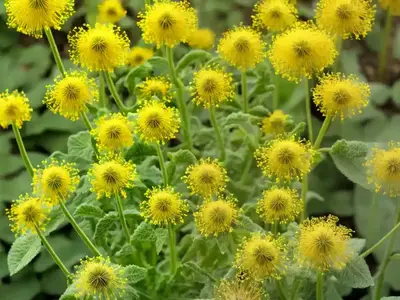
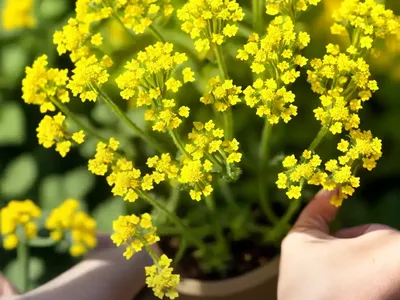
Greater Bittercress (Cardamine Flexuosa)
Plants are an integral part of our daily lives. They can be a source of food, medicine, and beauty. In this comprehensive guide, we will explore the.
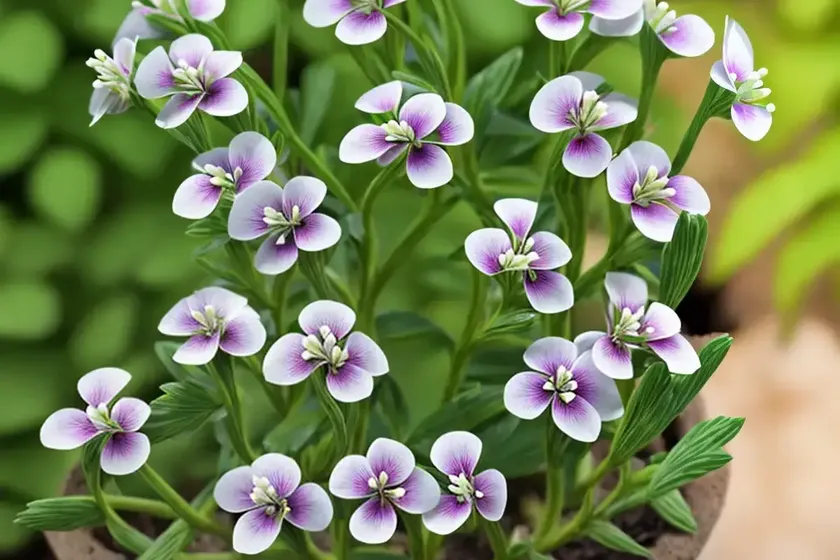
Plants are an integral part of our daily lives. They can be a source of food, medicine, and beauty. In this comprehensive guide, we will explore the Greater Bittercress (Cardamine flexuosa), a fascinating plant with a rich history and a wide range of uses. From its culture and habitat to its propagation and common pests, we will delve deep into the world of this unique plant.
Plant Name: Greater Bittercress (Cardamine flexuosa)
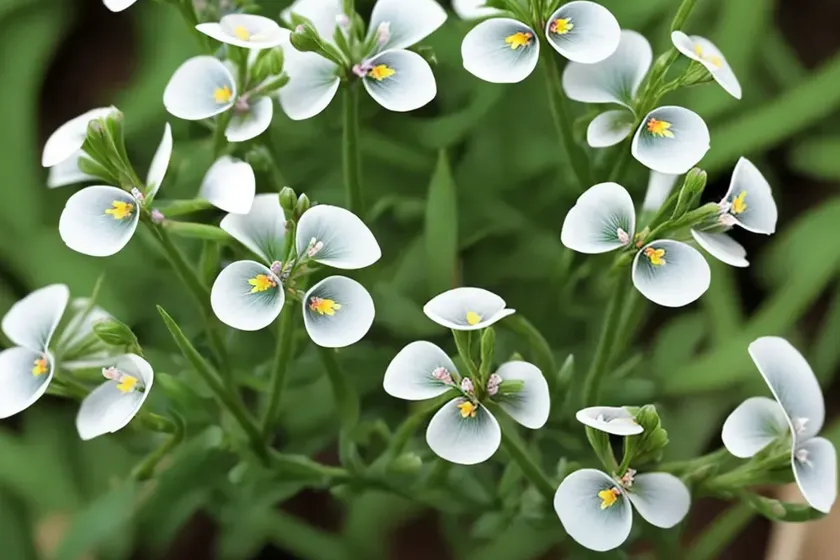
Greater Bittercress, scientifically known as Cardamine flexuosa, is a herbaceous perennial plant that belongs to the Brassicaceae family. This plant is native to Europe and Asia, and it is known for its delicate white flowers and pungent leaves. In this guide, we will explore the characteristics of Cardamine flexuosa, its cultivation, care requirements, and its various uses.
Key Takeaways – Greater Bittercress (Cardamine flexuosa)
Before we dive into the details, here are the key takeaways about Greater Bittercress (Cardamine flexuosa):
- Scientific Name: Cardamine flexuosa
- Family: Brassicaceae
- Native Range: Europe and Asia
- Common Names: Greater Bittercress, Wavy Bittercress
- Characteristics: Delicate white flowers, pungent leaves
- Uses: Culinary, medicinal, ornamental
- Growth Habit: Herbaceous perennial
- Habitat: Woodlands, stream banks, wet meadows
Now, let’s explore the various aspects of growing and caring for Greater Bittercress.
Culture
When it comes to cultivating Greater Bittercress, understanding its cultural requirements is essential for ensuring its healthy growth. This section will cover the plant’s water, sunlight, fertilizer, and soil needs, as well as tips for pruning and propagation.
Water
Greater Bittercress thrives in moist, well-draining soil. When watering this plant, it is important to maintain consistent soil moisture without allowing the soil to become waterlogged. During dry periods, regular watering is essential to support the plant’s growth and prevent moisture stress.
Sunlight
In terms of sunlight requirements, Greater Bittercress prefers partial shade to full shade. While it can tolerate some direct sunlight, especially in cooler climates, providing dappled shade or filtered light is ideal for this plant. In warmer regions, protecting the plant from intense midday sun can help prevent wilting and sun damage.
Fertilizer
When it comes to fertilizer, Greater Bittercress benefits from a balanced, slow-release fertilizer applied in the spring. A general-purpose fertilizer with equal N-P-K (nitrogen, phosphorus, potassium) ratio can provide the necessary nutrients for healthy growth and flowering.
Soil
Greater Bittercress thrives in rich, moist soil with a slightly acidic to neutral pH. The soil should be well-draining to prevent waterlogging, which can lead to root rot. Amending the soil with organic matter, such as compost or well-rotted manure, can improve its texture and fertility, creating an ideal growing environment for the plant.
Pruning
Pruning Greater Bittercress is primarily focused on removing spent flowers and yellowing foliage to maintain its aesthetic appeal and encourage continuous blooming. Deadheading the plant can also prevent self-seeding and promote a tidy appearance. Additionally, removing any damaged or diseased leaves can contribute to the plant’s overall health.
Propagation
Greater Bittercress can be propagated through both seeds and division. Collecting seeds from mature plants and sowing them in a prepared seedbed can yield new seedlings. Additionally, dividing mature clumps of Greater Bittercress in the early spring can be an effective way to propagate the plant and rejuvenate its growth.
Uses
The versatile Greater Bittercress has a range of uses, including culinary, medicinal, and ornamental applications. Understanding the plant’s diverse uses can provide valuable insights into its cultural significance and potential benefits.
Culinary Uses
In culinary traditions, Greater Bittercress has been used as a flavorful addition to salads and garnishes. The plant’s tender young leaves have a distinct peppery taste, adding a unique flavor dimension to various dishes. When harvesting Greater Bittercress for culinary purposes, it is important to gather the leaves from a clean, pesticide-free environment.
Medicinal Properties
Historically, Greater Bittercress has been recognized for its potential medicinal properties. The plant has been used in traditional herbal medicine for its purported diuretic and detoxifying effects. As with any medicinal plant, it is crucial to consult with a healthcare professional before using Greater Bittercress for therapeutic purposes.
Ornamental Value
With its delicate white flowers and attractive foliage, Greater Bittercress has ornamental value in garden landscapes. The plant’s graceful appearance and ability to thrive in shaded areas make it a desirable choice for woodland gardens, borders, and naturalized settings.
Common Diseases
Like all plants, Greater Bittercress is susceptible to certain diseases and pests. Understanding the common diseases that affect this plant is crucial for implementing effective preventive measures and treatments.
Disease Diagnosis
Some common diseases that can affect Greater Bittercress include:
- Powdery Mildew: A fungal disease that appears as a powdery white coating on the leaves, stems, and flowers. It thrives in humid conditions and can weaken the plant over time.
- Downy Mildew: Another fungal disease that presents as yellow or brown spots on the upper surface of the leaves and a fuzzy gray or purple growth on the undersides. It thrives in cool, moist conditions.
Common Pests
In addition to diseases, Greater Bittercress can also be susceptible to certain pests. Vigilance and early detection are key to managing pest infestations effectively.
Botanist’s Tips
As a botanist specializing in Greater Bittercress, I have gathered a few valuable tips for growing and caring for this plant:
- Provide consistent moisture: Regular watering and maintaining soil moisture are essential for the health of Greater Bittercress, especially during dry periods.
- Monitor for pests and diseases: Keep an eye on the plant for signs of pests and diseases, and take prompt action to address any issues.
- Harvest leaves selectively: When harvesting the leaves for culinary use, selectively pick the youngest and tenderest leaves while leaving some to support the plant’s growth.
Fun Facts
Here are some fun and interesting facts about Greater Bittercress:
- In folklore, Greater Bittercress has been associated with purification and protection due to its bitter taste and aromatic properties.
- The plant’s botanical name, Cardamine flexuosa, reflects its characteristic wavy or flexuous stems and foliage.
- Greater Bittercress is an important food source for various insect species and can support biodiversity in natural habitats.
Links to External Resources
If you’d like to further explore Greater Bittercress and its various aspects, the following external resources can provide valuable insights:
- Royal Horticultural Society – Cardamine flexuosa
- Missouri Botanical Garden – Cardamine flexuosa
- Gardening Know How – Greater Bittercress Information
In conclusion, Greater Bittercress (Cardamine flexuosa) is a fascinating plant with a rich history, diverse uses, and cultural significance. By understanding its cultural requirements, uses, and potential challenges, enthusiasts and horticulturalists can appreciate and cultivate this unique plant effectively. Whether it’s adding a flavorful twist to a culinary dish or brightening a shaded garden corner with its delicate blooms, Greater Bittercress has much to offer in the world of plants.