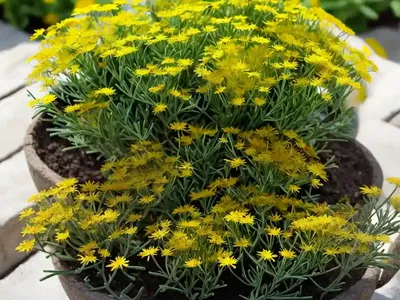
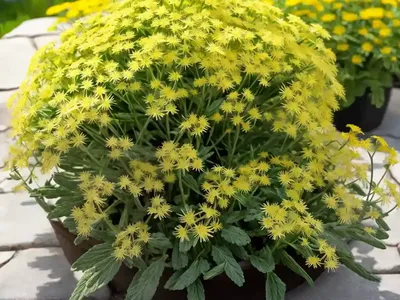
Great Leopard’s-bane (Doronicum Pardalianches)
Plants are living organisms belonging to the kingdom Plantae, encompassing a wide range of species including trees, shrubs, herbs, grasses, ferns, and.
What is Plant?
Plants are living organisms belonging to the kingdom Plantae, encompassing a wide range of species including trees, shrubs, herbs, grasses, ferns, and mosses. They are vital for the existence of life on Earth, providing food, shelter, and oxygen. Plants also contribute to the ecological balance and play a crucial role in various ecosystems.
In this comprehensive guide, we will delve into the intricate details of the Great Leopard’s-Bane (Doronicum pardalianches), an intriguing plant species with a rich cultural history and a multitude of uses. From its cultivation and care to its ecological significance, we will explore every aspect of this distinctive plant.
Great Leopard’s-Bane (Doronicum Pardalianches)
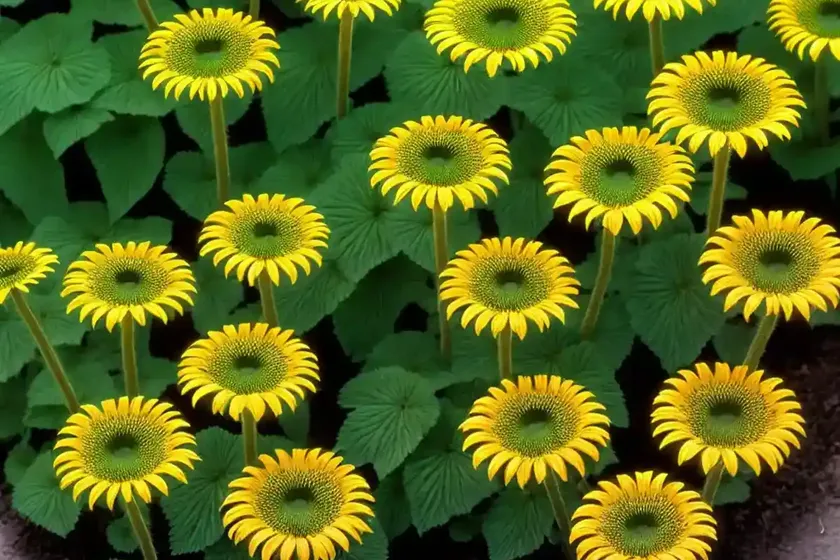
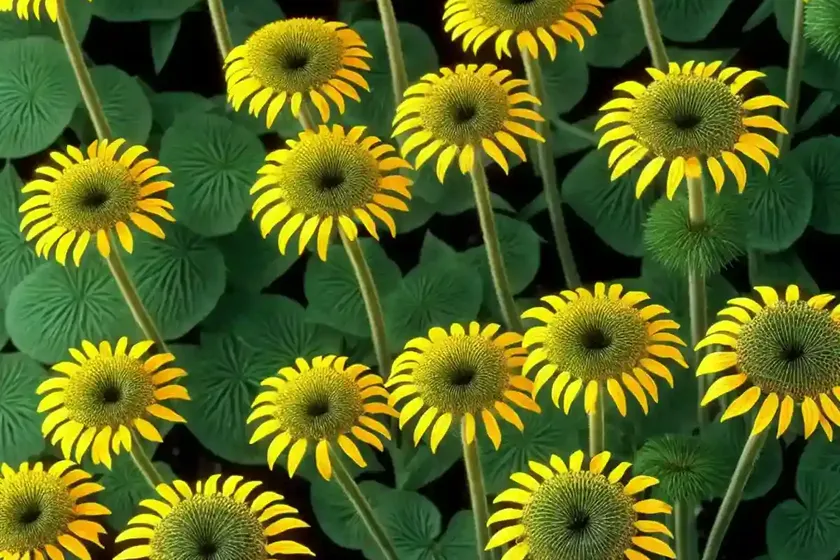
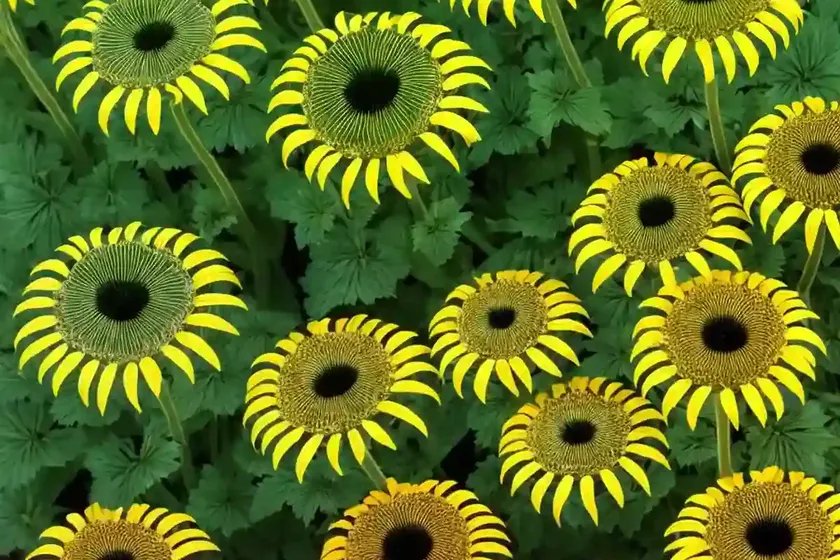
Great Leopard’s-Bane (Doronicum pardalianches), also known as Leopard’s-bane, is a perennial herbaceous plant belonging to the Asteraceae family. It is native to Europe and Asia and is recognized for its bright, daisy-like yellow flowers that bloom in spring. The plant typically reaches a height of 30 to 60 cm and thrives in woodland environments and moist, shady areas.
Key Takeaways
Before delving into the intricacies of cultivating and caring for Great Leopard’s-Bane, let’s highlight key takeaways about this remarkable plant.
- Scientific Name: Doronicum pardalianches
- Common Names: Great Leopard’s-Bane, Leopard’s-bane
- Species: Asteraceae
- Native Habitat: Europe and Asia
- Characteristics: Daisy-like yellow flowers, perennial, prefers moist and shady environments
Now, let’s explore the various aspects of Great Leopard’s-Bane in detail.
Culture
Understanding the cultural significance of Great Leopard’s-Bane is essential in appreciating its historical uses and impact on human society.
Uses
Great Leopard’s-Bane holds cultural and historical significance due to its traditional uses in herbal medicine and folklore. Its medicinal properties have been utilized for various ailments, while its bright flowers have also found a place in flower arrangements and landscaping.
Care
Caring for Great Leopard’s-Bane involves providing the appropriate conditions for its growth and ensuring its well-being through proper maintenance.
Water
Great Leopard’s-Bane thrives in moist environments, making adequate watering essential for its growth and blooming. It is important to maintain consistently moist soil, especially during dry periods, to support the plant’s health.
Sunlight
As a woodland plant, Great Leopard’s-Bane prefers partial to full shade. It thrives in environments with dappled sunlight and shaded areas, making it an ideal choice for gardens with limited direct sunlight.
Fertilizer
When cultivating Great Leopard’s-Bane, a general-purpose balanced fertilizer can be applied during the growing season to provide essential nutrients and support healthy growth. However, it is crucial to avoid over-fertilization, which can lead to excessive foliage at the expense of flowers.
Soil
The plant prefers rich, well-draining soil with high organic matter content. A slightly acidic to neutral soil pH is optimal for its growth, ensuring proper nutrient uptake and root development.
Pruning
Pruning Great Leopard’s-Bane involves removing spent flowers and dead foliage to promote continuous blooming and maintain a tidy appearance. It is essential to conduct pruning after the plant has finished blooming to encourage new growth.
Propagation
The propagation of Great Leopard’s-Bane can be achieved through division or seeds. Division is commonly preferred, as it allows the rapid establishment of new plants with characteristics similar to the parent plant.
Container Popularity
Great Leopard’s-Bane is well-suited for cultivation in containers, making it an ideal choice for gardeners with limited space or those seeking to create woodland-themed displays. Its compact size and preference for shady environments make it an excellent container plant.
Common Diseases
While Great Leopard’s-Bane is relatively resistant to diseases, some common issues may affect its health and vitality.
Disease Diagnosis
Common diseases that may affect Great Leopard’s-Bane include powdery mildew and leaf spot diseases. Identifying these issues early and implementing appropriate measures is essential to prevent their spread and minimize their impact on the plant.
Common Pests
Pests can occasionally pose a threat to the health of Great Leopard’s-Bane, requiring vigilant monitoring and prompt intervention.
Pest Control
Common pests that may affect Great Leopard’s-Bane include aphids and slugs. Implementing integrated pest management techniques and maintaining a healthy growing environment can help mitigate pest infestations.
Botanist’s Tips
As a plant scientist, I would like to offer some valuable tips for cultivating and caring for Great Leopard’s-Bane based on my expertise and observations.
Fun Facts
To showcase the unique and intriguing aspects of Great Leopard’s-Bane, here are some fun facts about the plant:
- The genus name “Doronicum” is derived from the ancient King of Pontus, Mithridates VI, who was an expert in herbal medicine, and is associated with the plant’s historical medicinal uses.
- Great Leopard’s-Bane is known for its attractive foliage, characterized by heart-shaped basal leaves and sturdy stems.
- In traditional folklore, Great Leopard’s-Bane was believed to possess protective qualities and was often incorporated into rituals and ceremonies for its purported magical properties.
Links to External Resources
To further enrich your knowledge and understanding of Great Leopard’s-Bane, I have curated a selection of valuable external resources:
- Royal Horticultural Society – Doronicum Pardalianches
- The Plant List – Doronicum Pardalianches
- Missouri Botanical Garden – Doronicum Pardalianches
In conclusion, Great Leopard’s-Bane (Doronicum pardalianches) stands as a captivating and culturally rich plant with a diverse array of uses and an enduring presence in horticulture and herbal medicine. By appreciating its ecological significance and understanding its cultivation and care, we can fully embrace the charm and value of this remarkable plant. Whether you are intrigued by its historical uses, fascinated by its vibrant blooms, or seeking to incorporate it into your garden, Great Leopard’s-Bane undoubtedly leaves a lasting impression in the world of botany and horticulture.