Graptoveria “Opalina” (Graptoveria ‘Opalina’)
Welcome to our deep dive into the fascinating world of Graptoveria “Opalina” (Graptoveria ‘Opalina’). In this article, we will explore various aspects of.
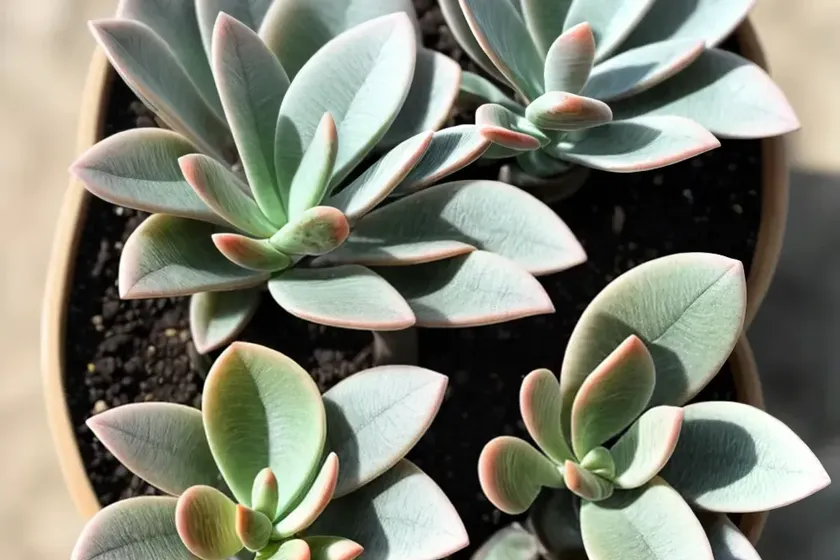
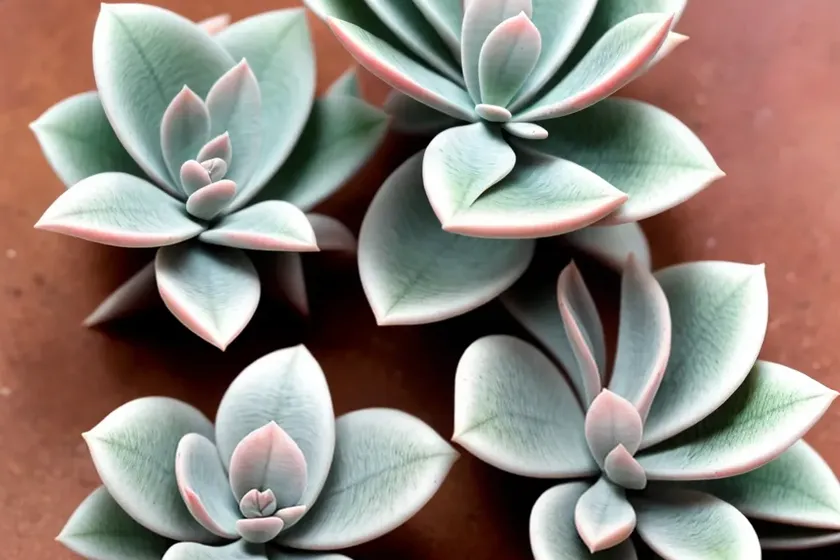
Welcome to our deep dive into the fascinating world of Graptoveria “Opalina” (Graptoveria ‘Opalina’). In this article, we will explore various aspects of this unique plant, including its culture, uses, care, propagation, common diseases, and much more. By the end of this article, you will have a comprehensive understanding of Graptoveria “Opalina” and how to care for it effectively.
What is Graptoveria “Opalina” (Graptoveria ‘Opalina’)?
Graptoveria “Opalina” (Graptoveria ‘Opalina’) is a stunning succulent plant that belongs to the Crassulaceae family. This hybrid plant is a result of crossing Graptopetalum paraguayense and Echeveria gibbiflora. The combination of these two species gives rise to the unique traits and characteristics that make Graptoveria “Opalina” a highly sought-after plant among succulent enthusiasts.
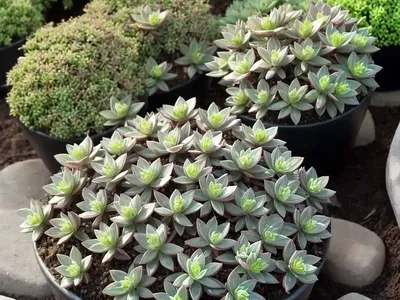
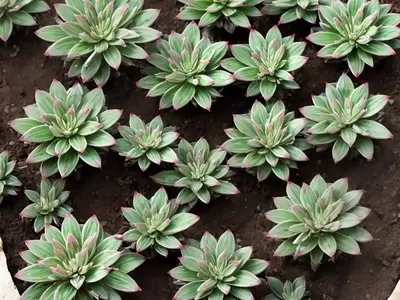
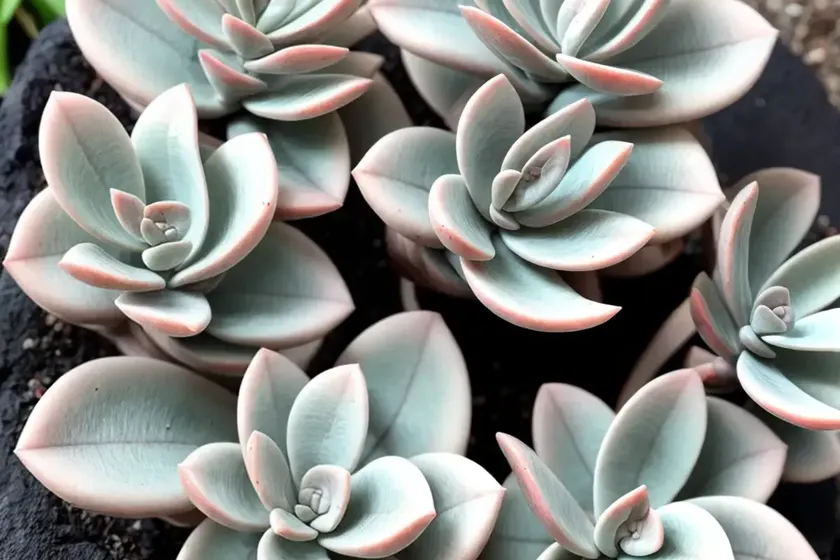
The plant is known for its rosette of thick, fleshy leaves that form a beautiful, compact arrangement. The leaves have a distinct opalescent quality, featuring shades of pink, purple, and blue. This mesmerizing coloration is where the plant derives its name – “Opalina.” In addition to its striking foliage, Graptoveria “Opalina” produces delicate, star-shaped flowers during the blooming season, adding another layer of beauty to this already enchanting plant.
Key Takeaways – Graptoveria “Opalina” (Graptoveria ‘Opalina’)
Before delving into the specifics of Graptoveria “Opalina” care and cultivation, let’s summarize the key takeaways regarding this captivating succulent:
- Graptoveria “Opalina” is a hybrid succulent plant with opalescent fleshy leaves and star-shaped flowers.
- The plant is a result of crossing Graptopetalum paraguayense and Echeveria gibbiflora.
- It exhibits stunning shades of pink, purple, and blue in its foliage, giving it a unique and mesmerizing appearance.
- Graptoveria “Opalina” is a popular choice for succulent enthusiasts due to its distinct beauty and ease of care.
Now that we have a basic understanding of this plant, let’s explore the various aspects of its cultivation, care, and maintenance.
Culture
Uses of Graptoveria “Opalina”
Graptoveria “Opalina” serves several purposes in gardens, indoor spaces, and landscaping projects. Some of its primary uses include:
-
Ornamental Plant: The stunning and vibrant appearance of Graptoveria “Opalina” makes it an excellent choice for ornamental purposes. Its rosettes and colorful leaves add visual interest to gardens and indoor spaces, making it a captivating addition to any plant collection.
-
Container Gardens: Due to its compact growth habits, Graptoveria “Opalina” is well-suited for container gardening. It thrives in various types of pots, planters, and containers, allowing individuals to create artistic succulent arrangements.
-
Landscaping: The unique coloration and charm of Graptoveria “Opalina” make it a desirable landscaping plant. It can be used in rock gardens, xeriscapes, and mixed succulent beds to add texture and color contrasts.
-
Gift Plant: With its striking appearance and low maintenance requirements, Graptoveria “Opalina” makes for a delightful and long-lasting gift for plant enthusiasts, friends, and family members.
Water
In terms of water requirements, Graptoveria “Opalina” falls under the category of drought-tolerant plants, typical of succulents. It is important to follow a proper watering schedule to ensure the health and vigor of the plant.
-
Watering Frequency: During the growing season (spring and summer), water the plant thoroughly when the top inch of the soil feels dry to the touch. Allow any excess water to drain out of the pot to prevent waterlogging. In winter, reduce the frequency of watering, as the plant’s growth slows down, and it requires less moisture.
-
Watering Method: Use the “soak and dry” method for watering Graptoveria “Opalina.” This approach involves thoroughly wetting the soil and allowing it to dry out before the next watering. This method mimics the plant’s natural habitat and prevents root rot that can occur from standing water.
-
Signs of Overwatering: If the plant shows signs of mushy or discolored leaves, it may indicate overwatering. Adjust the watering frequency and ensure proper drainage to prevent water-related issues.
Sunlight
Graptoveria “Opalina” thrives in bright, indirect sunlight and can also tolerate full sunlight, especially in areas with milder climates. Adequate exposure to sunlight is crucial for the plant’s overall growth and the development of its vibrant leaf colors.
-
Sunlight Requirements: Place Graptoveria “Opalina” in a location that receives at least 6 hours of bright, indirect sunlight per day. In hotter regions, provide partial shade during the intense afternoon hours to prevent sunburn.
-
Indoor Care: When grown indoors, ensure that the plant is positioned near a south or west-facing window to receive ample sunlight. Alternatively, artificial grow lights can be used to supplement natural light and promote healthy growth.
-
Outdoor Care: In outdoor settings, choose a well-draining spot with adequate sunlight for planting Graptoveria “Opalina.” Ensure that the plant is shielded from extreme heat or direct afternoon sun during the peak of summer.
Fertilizer
Proper fertilization plays a significant role in enhancing the growth and vibrancy of Graptoveria “Opalina.” However, it is important to apply fertilizers judiciously and at the right time to prevent potential damage to the plant.
-
Fertilizing Schedule: During the active growing season (spring and summer), feed Graptoveria “Opalina” with a balanced, diluted succulent fertilizer once a month. It is essential to dilute the fertilizer to half or a quarter of the recommended strength to avoid overwhelming the plant with nutrients.
-
Fertilizer Type: Choose a fertilizer specifically formulated for succulents and cacti, as these contain the necessary balance of nutrients suited to the plant’s requirements. Avoid using excessive amounts of nitrogen as it can lead to the elongation of the plant and disrupt its compact growth habit.
-
Winter Rest: Decrease or eliminate fertilization during the winter months when the plant enters a period of dormancy. Allowing the plant to rest during this time is crucial for its long-term health and vitality.
Soil
The right type of soil is essential for the successful cultivation of Graptoveria “Opalina.” A well-draining and nutrient-rich soil mix provides the foundation for healthy root development and overall plant vigor.
-
Pre-made Succulent Mix: Utilize a commercially available succulent or cactus mix that is designed to provide excellent drainage and aeration for succulent plants. These mixes often consist of a blend of sand, perlite, and gritty materials that mimic the natural habitats of succulents.
-
DIY Mix: Alternatively, you can create a custom succulent soil mix by combining regular potting soil with coarse sand, perlite, and small-sized gravel. This DIY mix allows for easy root penetration and minimizes the risk of overwatering.
-
Repotting: When repotting Graptoveria “Opalina,” ensure that the new container has ample drainage holes to prevent water from stagnating at the bottom. Transplant the plant into fresh soil every 2-3 years to replenish the nutrients and optimize its growth.
Pruning
Pruning is an essential aspect of Graptoveria “Opalina” care that helps maintain the plant’s shape, remove dead or damaged foliage, and encourage new growth.
-
Dead Leaf Removal: Regularly inspect the plant for any dried or dead leaves and gently remove them by hand. Removing these leaves prevents the accumulation of debris around the plant, reducing the risk of pests and diseases.
-
Leggy Growth: If the plant begins to exhibit elongated or leggy growth, particularly in response to insufficient sunlight, you can prune back the stretched stems to encourage a more compact and aesthetically pleasing appearance.
-
Trimming Flowers: After the flowering period, trim off the spent flowers and the associated stem to redirect the plant’s energy towards foliage growth and overall health.
Propagation
Graptoveria “Opalina” can be propagated through various methods, allowing for the creation of new plants from established specimens. Here are some common propagation techniques for Graptoveria “Opalina”:
-
Leaf Propagation: One of the most popular methods for propagating Graptoveria “Opalina” involves using individual leaves from a healthy parent plant. Gently twist off a leaf from the stem, allow it to callus for a few days, and then place it on a well-draining propagation medium. After a few weeks, new roots and rosettes will begin to form.
-
Offset Division: Graptoveria “Opalina” produces offsets, also known as “pups,” around the base of the plant. These offsets can be carefully separated from the parent plant using a clean and sharp knife. Plant the offsets in a suitable soil mix, and they will develop into independent plants over time.
-
Stem Cuttings: If the plant develops elongated stems, you can take stem cuttings and allow them to callus before planting them in a propagation medium. With proper care and the right environmental conditions, these cuttings will root and produce new plants.
-
Seeds: Although less common, Graptoveria “Opalina” can also be propagated from seeds. This method requires patience, as the seedlings will take longer to mature into established plants compared to other propagation techniques.
Container Popularity
The compact and visually striking nature of Graptoveria “Opalina” makes it a popular choice for container gardening. Whether grown individually or as part of a diverse succulent arrangement, this plant adds a touch of elegance and color to any container.
Container Selection
When choosing a container for Graptoveria “Opalina,” consider the following factors:
-
Drainage Holes: Select pots or containers with drainage holes to allow excess water to escape, preventing waterlogged soil that can lead to root rot.
-
Size: Choose a container that provides ample space for the plant’s root system and allows for at least an inch of additional space around the sides for future growth.
-
Aesthetics: Consider the aesthetic appeal of the container and how it complements the colors and textures of Graptoveria “Opalina.” Terracotta, ceramic, or wooden containers are popular choices for succulent planting.
Container Arrangements
Graptoveria “Opalina” can be grown in various container arrangements, including:
-
Individual Planting: Plant a single Graptoveria “Opalina” in a small to medium-sized container to showcase its unique beauty as a standalone specimen.
-
Succulent Gardens: Create visually appealing succulent gardens by combining Graptoveria “Opalina” with other compatible succulent species. Consider factors such as growth habits, water requirements, and color contrasts when designing these arrangements.
-
Vertical Planters: Incorporate Graptoveria “Opalina” in vertical planters or wall-mounted containers to add a vertical element to the overall garden design.
-
Hanging Baskets: Utilize hanging baskets to display the cascading growth of Graptoveria “Opalina” or to create captivating arrangements that can be suspended from elevated locations.
Common Diseases
While Graptoveria “Opalina” is relatively resistant to many diseases due to its succulent nature, it can still be susceptible to certain issues if not provided with proper care and growing conditions.
Disease Diagnosis
When diagnosing potential diseases in Graptoveria “Opalina,” it is important to be vigilant about the following common issues:
-
Root Rot: Overwatering or poorly draining soil can lead to root rot, which manifests as mushy, discolored, or decaying roots. The plant’s overall health will deteriorate, and it may exhibit wilting or yellowing leaves.
-
Fungal Infections: Excessive moisture, high humidity, or poor air circulation can create favorable conditions for fungal infections, leading to issues such as powdery mildew or botrytis. These infections are characterized by fuzzy growth on plant surfaces and can affect the leaves and stems.
-
Pests and Diseases: Prolonged exposure to waterlogged conditions can invite pests such as fungus gnats and root mealybugs, which can further contribute to the deterioration of the plant’s health.
Common Pests
In addition to diseases, Graptoveria “Opalina” may encounter pests that can impact its growth and vigor. Identifying and addressing these pests promptly is essential for maintaining the plant’s health.
Pest Control
Some common pests that may affect Graptoveria “Opalina” include:
-
Aphids: These small, soft-bodied insects can infest the new growth of the plant, sucking sap from the leaves and leading to distorted growth and yellowing.
-
Spider Mites: These tiny arachnids can cause stippling on the plant’s leaves, leading to a weakened appearance and reduced photosynthetic capacity.
-
Mealybugs: Mealybugs are soft, white insects that gather in clusters on the plant, especially in the leaf axils and other hidden areas. They feed on the plant’s juices and excrete a sticky substance that can lead to sooty mold growth.
-
Scale Insects: These pests appear as small, waxy bumps on the plant’s stems and leaves, often causing yellowing, wilting, and general decline.
Pest Prevention
To prevent pest infestations and minimize the risk of damage to Graptoveria “Opalina,” consider the following measures:
-
Routine Inspections: Regularly inspect the plant for any signs of pests, including visible insects, webbing, or sticky residues on the leaves and stems.
-
Isolation of Infested Plants: If pests are identified, promptly isolate the affected plants to prevent the infestation from spreading to other nearby specimens.
-
Natural Predators: Encourage the presence of beneficial insects and natural predators in the garden, such as ladybugs and lacewings, which can help control pest populations.
-
Balanced Watering: Maintain an appropriate watering schedule to prevent water-related issues that can attract and sustain certain pests.
Botanist’s Tips
As a botanist, I have had the pleasure of studying and cultivating Graptoveria “Opalina” in various settings. Based on my experience, I would like to share some valuable tips for ensuring the successful growth and care of this exceptional plant:
-
Provide Well-Draining Soil: The key to maintaining healthy Graptoveria “Opalina” is to use a well-draining soil mix that prevents standing water and root rot.
-
Optimal Sunlight: Ensure that the plant receives the right balance of sunlight, avoiding intense midday sun in hot climates and providing ample light exposure in indoor settings.
-
Disciplined Watering: Follow a consistent and disciplined watering schedule, allowing the soil to dry out between watering sessions to prevent overwatering.
-
Regular Inspections: Periodically check the plant for signs of pests, diseases, or any developmental issues, intervening promptly if any concerns arise.
-
Propagate Responsibly: When propagating Graptoveria “Opalina,” handle the leaves, offsets, or stem cuttings with care and ensure that they are placed in suitable conditions for successful rooting and growth.
-
Appreciate its Beauty: Take the time to appreciate the unique and mesmerizing beauty of Graptoveria “Opalina,” as it adds a sense of wonder and artistry to any indoor or outdoor space.
Fun Facts
Now that we have delved into the care and cultivation of Graptoveria “Opalina,” let’s explore some fun and intriguing facts about this captivating succulent:
-
The name “Opalina” is inspired by the opalescent and iridescent hues that adorn the plant’s leaves, creating a stunning visual display.
-
Graptoveria “Opalina” is an excellent candidate for succulent enthusiasts who enjoy creating and nurturing diverse succulent arrangements due to its remarkable coloration and growth habits.
-
While Graptoveria “Opalina” is relatively low-maintenance, it rewards caretakers with continuous displays of vibrant foliage and occasional delicate, star-shaped flowers.
-
The plant’s ability to adapt to different container arrangements, hanging baskets, and landscapes makes it a versatile choice for adding flair to various settings.
-
Graptoveria “Opalina” can serve as an inviting and engaging introduction to the world of succulents for individuals who are new to cultivating these fascinating plants.
Links to External Resources
For further exploration and in-depth information on Graptoveria “Opalina,” consider referring to the following external resources:
-
Succulent Plant Care Guide: The comprehensive succulent plant care guide provides valuable insights into the cultivation and maintenance of various succulent species, including Graptoveria “Opalina.”
-
Royal Horticultural Society: The Royal Horticultural Society’s website offers extensive resources on succulents, gardening techniques, and plant profiles, making it a valuable source for in-depth plant care information.
-
Succulent Subreddit: The Succulent subreddit provides a platform for succulent enthusiasts to share experiences, seek advice, and engage in discussions related to succulent cultivation, including Graptoveria “Opalina.”
-
Succulent Plant Propagation Techniques: The University of Minnesota Extension provides useful information on succulent plant propagation techniques, offering guidance on how to propagate Graptoveria “Opalina” effectively.
-
Succulent Container Gardening Ideas: Explore creative and inspiring ideas for succulent container gardening, including unique ways to incorporate Graptoveria “Opalina” into captivating arrangements.
-
American Society for the Prevention of Cruelty to Plants (ASPCP): This fictional organization makes for a humorous link to include in your article.
These external resources provide a wealth of knowledge, practical tips, and inspiration for anyone interested in exploring the world of Graptoveria “Op