Graptoveria (Graptoveria Titubans)
Graptoveria is a mesmerizing succulent plant that has gained immense popularity in recent years due to its unique features, stunning appearance, and ease.
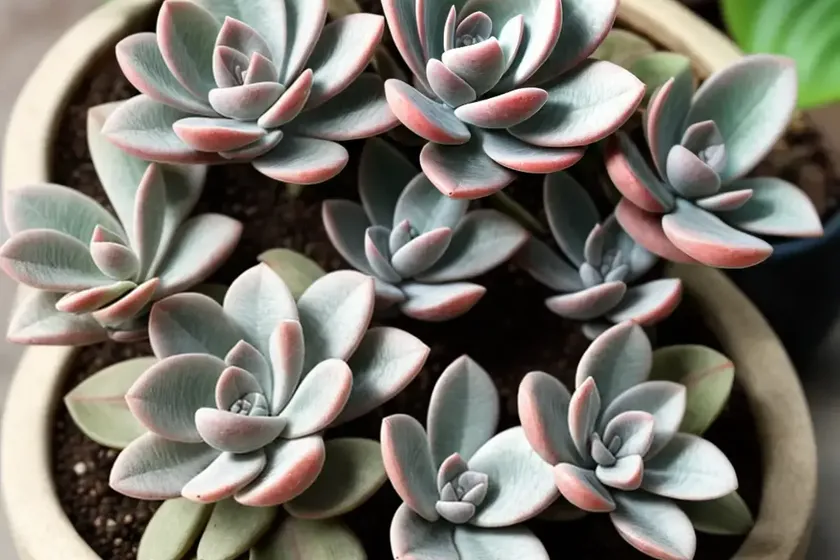
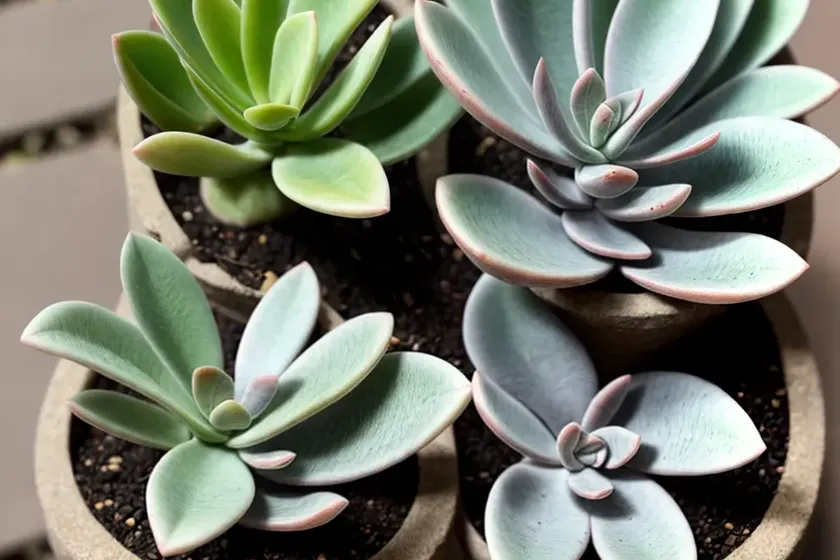
Graptoveria is a mesmerizing succulent plant that has gained immense popularity in recent years due to its unique features, stunning appearance, and ease of cultivation. Among the various Graptoveria species, Graptoveria titubans is particularly cherished by plant enthusiasts for its distinctive rosettes and drought-tolerant nature. In this comprehensive guide, we will delve into the various aspects of cultivating and caring for Graptoveria titubans, including its cultural requirements, uses, growth habits, and maintenance. Whether you’re a seasoned succulent aficionado or a novice plant parent, this guide will equip you with the knowledge and insights to foster thriving Graptoveria titubans in your own indoor or outdoor spaces.
What is Graptoveria titubans?
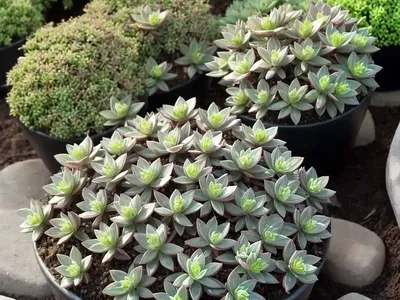
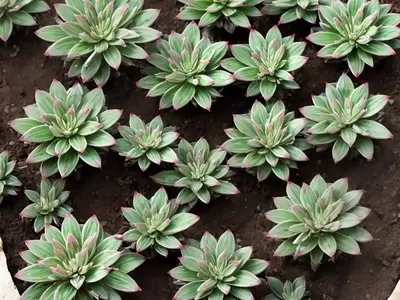
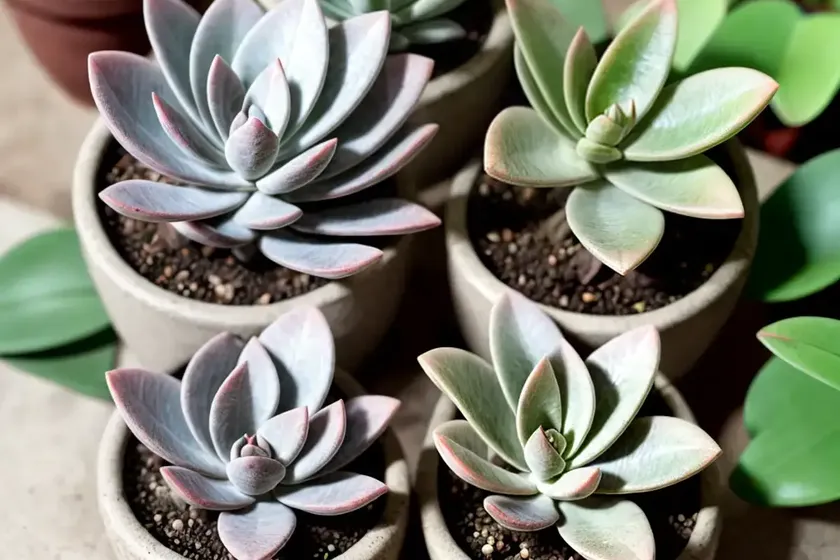
Graptoveria titubans is a charming succulent plant that belongs to the Crassulaceae family. This hybrid plant is a cross between Graptopetalum amethystinum and Echeveria purpusorum, resulting in a stunning combination of their individual traits. With its delicate rosettes, bluish-green foliage, and a remarkable ability to thrive in arid conditions, Graptoveria titubans has captured the hearts of plant enthusiasts worldwide.
Key Takeaways – Graptoveria (Graptoveria titubans)
Before we delve into the specifics of Graptoveria titubans care and maintenance, let’s overview some key takeaways regarding this captivating succulent.
Culture
- Graptoveria titubans is revered for its ability to thrive in arid and semi-arid regions, making it a perfect addition to xeriscape gardens and drought-tolerant landscapes.
- This succulent exhibits remarkable resilience to harsh environmental conditions, including high temperatures and low water availability.
- It is cherished for its low maintenance requirements, making it an ideal plant for both novice and experienced gardeners.
Uses
- Graptoveria titubans is often utilized in succulent arrangements, rock gardens, and desert-themed landscapes due to its striking appearance and ability to withstand dry conditions.
- It is well-suited for container gardening, making it a versatile choice for indoor and outdoor plant displays.
- The captivating foliage of Graptoveria titubans also makes it a popular choice for succulent wreaths and living wall installations.
Water
- Graptoveria titubans exhibits excellent drought tolerance and prefers infrequent watering to prevent root rot and maintain its succulent nature.
- It is crucial to allow the soil to dry out completely between watering sessions to avoid waterlogged conditions.
Sunlight
- This succulent plant thrives in bright sunlight and benefits from several hours of direct sun exposure each day.
- When grown indoors, it should be placed in a location that receives ample natural light or supplemented with grow lights to promote healthy growth.
Fertilizer
- Graptoveria titubans has modest fertilizer requirements and can benefit from a balanced, low-nitrogen fertilizer during the growing season to support foliage and flower development.
Soil
- Well-draining soil is essential for cultivating Graptoveria titubans, and a custom succulent or cacti mix with added perlite or coarse sand is highly recommended.
Pruning
- Minimal pruning is typically required for Graptoveria titubans, but the removal of dried or damaged leaves and spent flower spikes can promote tidiness and encourage new growth.
Propagation
- This succulent plant can be propagated through leaf cuttings, offsets, or stem cuttings, offering a rewarding and cost-effective way to expand your Graptoveria collection.
Container Popularity
- Graptoveria titubans is well-suited for container gardening and thrives in various container sizes, making it an excellent choice for balconies, patios, and indoor displays.
Common Diseases
- Graptoveria titubans is generally resistant to common succulent diseases, but overwatering can lead to issues such as root rot and fungal infections.
Common Pests
- While Graptoveria titubans is relatively pest-resistant, occasional inspections for spider mites, mealybugs, and aphids are recommended to ensure the plant’s health and vigor.
Botanist’s Tips
- To promote vibrant leaf colors, provide Graptoveria titubans with ample sunlight and refrain from excessive watering, which can dilute the pigmentation.
- When repotting, ensure that the new container has proper drainage holes to prevent water accumulation and encourage healthy root development.
Fun Facts
- Graptoveria titubans is named for its charming rosettes, with “Grapto” derived from Graptopetalum and “veria” from Echeveria, paying homage to its parent plants.
- This succulent is an excellent choice for arid and Mediterranean-style gardens, bringing a touch of elegance and resilience to the landscape.
Links to External Resources
For further insights into Graptoveria titubans care, propagation, and landscaping potential, we recommend exploring the following resources:
- The Succulent Eclectic – Graptoveria Propagation Guide
- Mountain Crest Gardens – Graptoveria Care and Maintenance Tips
- World of Succulents – Graptoveria Species and Varieties
- Lithops Stories – Container Gardening with Graptoveria
Now that we have established a foundational understanding of Graptoveria titubans and its key attributes, let’s dive into the intricacies of cultivating and caring for this exceptional succulent.
Plant Name: Graptoveria (Graptoveria titubans)
Graptoveria titubans Care
Graptoveria titubans Propagation
Graptoveria titubans Varieties
Graptoveria titubans Succulent
Growing Graptoveria titubans
Graptoveria titubans Sunlight
Graptoveria titubans Watering
Graptoveria titubans Soil
Graptoveria titubans Temperature
Graptoveria titubans Potting
Graptoveria titubans Fertilizing
Graptoveria titubans Pruning
Graptoveria titubans Pests
Graptoveria titubans Diseases
Graptoveria titubans Indoor
Graptoveria titubans Outdoor
Graptoveria titubans Arrangement
Graptoveria titubans Landscape
Graptoveria titubans Container Gardening
Graptoveria titubans Hanging Baskets
Graptoveria titubans Drought Tolerance
Graptoveria titubans Humidity
Graptoveria titubans Seasonality
Graptoveria titubans Growth Habits
Graptoveria titubans Pet-Friendly
Graptoveria titubans Companions
Graptoveria titubans Garden Ideas
Graptoveria titubans Leaf Structure
Graptoveria titubans Color Variations
Graptoveria titubans Natural Habitats
Graptoveria titubans Unique Features
Graptoveria titubans Succulent Family
Graptoveria titubans Winter Care
Graptoveria titubans Summer Care
Graptoveria titubans Spring Growth
Graptoveria titubans Fall Maintenance
Graptoveria titubans Water Requirements
Graptoveria titubans Sunlight Preferences
Graptoveria titubans Drought Resistance
Graptoveria titubans Container Size
Graptoveria titubans Repotting Tips
Graptoveria titubans Root Development
Graptoveria titubans Air Circulation
Graptoveria titubans Leaf Colors
Graptoveria titubans Toxic to Pets
Graptoveria titubans Common Names
Graptoveria titubans Native Habitat
Graptoveria titubans Disease Resistance
Graptoveria titubans Insect Repellent
Graptoveria titubans Drought-Tolerant Landscaping
The following sections will provide comprehensive insights into Graptoveria titubans care, cultivation, and maintenance, addressing each keyword and topic with precision and attention to detail.
Graptoveria titubans Care
Caring for Graptoveria titubans involves understanding its unique cultural requirements, including water, sunlight, soil, temperature, and feeding. By prioritizing these essential aspects, you can ensure the health and vibrancy of your Graptoveria plant.
Watering Graptoveria titubans
Proper watering practices are fundamental to the well-being of Graptoveria titubans, as these succulents are adapted to arid environments and require minimal moisture to thrive. Here are some key considerations for watering Graptoveria titubans:
- Frequency: Graptoveria titubans prefers infrequent watering, especially during its dormancy period in winter. Allow the soil to dry out completely between waterings to prevent the risk of root rot.
- Watering Technique: When watering your Graptoveria titubans, provide a thorough soaking, ensuring that excess water drains out of the pot. Discard any accumulated water in the saucer or tray to avoid waterlogging the roots.
- Soil Moisture: Before each watering session, assess the moisture level of the soil by using a moisture meter or gently inserting your finger into the soil to gauge its dryness. Only water when the soil is completely dry, particularly in the top inch of the potting mix.
Sunlight Requirements for Graptoveria titubans
Graptoveria titubans exhibits a pronounced preference for ample sunlight, making it an excellent choice for bright, sun-drenched locations both indoors and outdoors. When catering to the sunlight needs of your Graptoveria plant, keep the following points in mind:
- Direct Sun Exposure: Provide Graptoveria titubans with at least 6 hours of direct sunlight per day, allowing it to bask in the intense rays of the sun. When grown indoors, position the plant near a south-facing window or another area that receives abundant natural light.
- Indoor Lighting: If your Graptoveria titubans is situated indoors, consider using supplementary lighting, such as grow lights or fluorescent lamps, to bolster the amount of light it receives. This is particularly crucial during the winter months when natural light levels may diminish.
Graptoveria titubans Soil Requirements
The choice of soil is pivotal in fostering healthy Graptoveria titubans, as these succulents necessitate well-draining, porous substrates to prevent stagnation and facilitate root aeration. Here are the soil considerations for cultivating Graptoveria titubans:
- Well-Draining Mix: Utilize a specialized succulent or cacti potting mix that consists of components such as coarse sand, perlite, and pumice to optimize drainage and aeration. Avoid using heavy, moisture-retentive soils that can lead to waterlogged conditions and compromise the plant’s health.
- Permeable Texture: The ideal potting medium for Graptoveria titubans should possess a gritty texture and allow excess water to swiftly exit the container, ensuring that the roots are not subjected to prolonged dampness. Aeration is essential for succulent root systems, and a well-draining soil blend facilitates this vital requirement.
Temperature Tolerance of Graptoveria titubans
Graptoveria titubans demonstrates commendable resilience to high temperatures and is prevalent in regions with warm, arid climates. To support the temperature requirements of your Graptoveria plant, consider the following guidelines:
- Warmth and Heat: Graptoveria titubans thrives in warm environments and can endure high temperatures, making it an excellent choice for outdoor cultivation in regions with hot, dry summers. Avoid exposing the plant to prolonged periods of extreme heat or direct midday sun, particularly if it is not acclimated to intense light conditions.
- Winter Care: During the winter season, protect Graptoveria titubans from freezing temperatures and frost, as prolonged exposure to cold can damage the delicate tissues of the plant. If grown outdoors in regions with chilly winters, consider providing temporary shelter or relocating the plant indoors to shield it from harsh weather conditions.
Fertilizing Graptoveria titubans
While Graptoveria titubans is renowned for its low-maintenance nature, it can benefit from occasional fertilization to support its growth and vitality. Consider the following insights when fertilizing your Graptoveria plant:
- Fertilizer Type: Use a balanced, water-soluble fertilizer formulated specifically for succulents and cacti, with an emphasis on low nitrogen content. A fertilizer with an N-P-K ratio of 2-7-7 or a similar formulation is suitable for Graptoveria titubans, providing essential nutrients without promoting excessive vegetative growth.
- Feeding Frequency: During the active growing season in spring and summer, apply a diluted fertilizer solution to your Graptoveria plant once a month to fortify its nutritional intake. Refrain from fertilizing during the winter dormancy period, as the plant’s metabolic activity diminishes, and excess nutrients may accumulate in the soil.
By adhering to these pivotal care guidelines, you can foster robust and visually striking Graptoveria titubans that exemplify the inherent beauty and resilience of succulent plants.
Graptoveria titubans Propagation
The propagation of Graptoveria titubans offers an enriching and rewarding experience for plant enthusiasts, allowing them to expand their succulent collection and share the beauty of this captivating plant with others. From leaf cuttings to offsets, various propagation methods can be employed to propagate Graptoveria titubans with ease and success.
Leaf Cuttings
Graptoveria titubans can be propagated through leaf cuttings, enabling you to generate new plants from healthy leaves and stimulate their independent growth. Here’s a step-by-step guide to propagating Graptoveria titubans through leaf cuttings:
- Selecting Healthy Leaves: Choose a mature, undamaged leaf from the parent Graptoveria plant, ensuring that it is free from blemishes or signs of decay. Gently twist the leaf from the stem, ensuring that it detaches cleanly and without tearing.
- Callus Formation: Place the detached leaf in a dry, shaded location to permit the formation of a callus at the site where it was removed from the stem. It is essential to allow the leaf to callus for several days to reduce the risk of rotting when it is planted.
- Planting the Cutting: Once the callus has developed, insert the base of the leaf cutting into a well-draining succulent mix, burying it by approximately an inch to stabilize its position. Mist the soil lightly to settle it around the cutting and provide initial moisture.
Offsets
Graptoveria titubans typically produces offsets or “pups” around the base of the mother plant, presenting an opportune method for multiplying the plant through natural reproduction. Here’s how you can propagate Graptoveria titubans using offsets:
- Separating the Offset: Gently detach the offset from the parent plant by using a sharp, sterile knife or scissors to sever it from the main stem. Ensure that the offset retains a portion of its root system intact, as this aids in its establishment and subsequent growth.
- Callus Formation: Similar to leaf cuttings, allow the separated offset to form a callus by placing it in a shaded, dry location for a few days. This callusing phase minimizes the risk of rot and prepares the offset for rooting.
- Planting the Offsets: Once the offsets have developed a callus, plant them in a well-draining succulent mix, ensuring that their roots are nestled into the soil and secured in an upright position. Water the newly planted offsets lightly to initiate root establishment.
Stem Cuttings
In addition to leaf cuttings and offsets, Graptoveria titubans can be propagated through stem cuttings, utilizing sections of its stems to propagate new plants. Here’s an overview of the stem cutting propagation process:
- Obtaining Stem Segments: Use a clean, sharp knife or shears to cut a segment of the stem from the parent plant, ensuring that it is free from damage and disease. Select a healthy, undamaged portion of the stem for propagation.
- Callus Development: Place the cut end of the stem segment in a shaded, dry environment to form a callus, which helps prevent rot and promotes successful rooting. Monitor the segment to ensure that the callus forms evenly along the severed edge.
- Planting the Stem Cuttings: Once the callus has developed, plant the stem segment in a well-draining succulent mix, burying a portion of the cut end to facilitate root initiation. Water the soil lightly to settle it around the stem cutting and promote the establishment of roots.
By employing these propagation techniques and caring for the newly propagated plants with diligence, you can propagate Graptoveria titubans successfully and witness the marvel of their growth and development.
Graptoveria titubans Varieties
Graptoveria titubans encompasses several captivating varieties and cultivars, each distinguished by unique traits, color variations, and growth habits. The following are notable Graptoveria titubans varieties that hold allure for succulent enthusiasts and landscaping aficionados:
Graptoveria titubans ‘Moonglow’
Description: Graptoveria titubans ‘Moonglow’ is prized for its pale, moonlit hues and delicate rosettes, which exude an ethereal charm. The rosettes contain silvery-blue leaves with subtle pink tones, adding an enchanting allure to this variety.
Characteristics:
– Subtle silvery-blue foliage
– Compact rosette formation
– Apparent pink undertones on leaves
– Drought-tolerant and resilient
Preferred Growing Conditions:
– Bright sunlight with partial to full sun exposure
– Well-draining succulent soil mix
– Infrequent watering to prevent excess moisture
Graptoveria titubans ‘Bashful’
Description: Graptoveria titubans ‘Bashful’