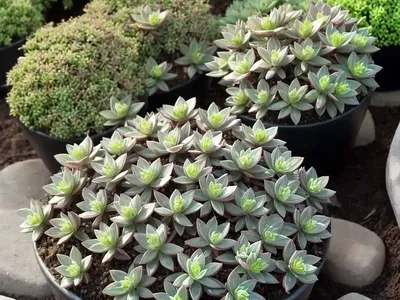
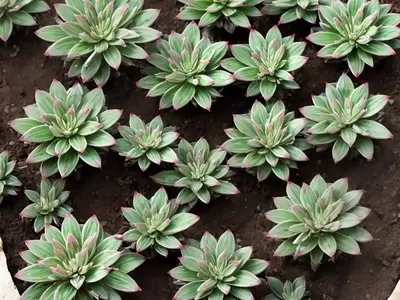
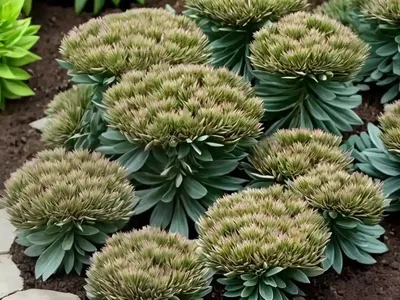
Graptosedum Darley Sunshine (Graptosedum ‘Darley Sunshine’)
Graptosedum Darley Sunshine, scientifically known as Graptosedum ‘Darley Sunshine’, is a stunning succulent plant that has gained popularity among plant.
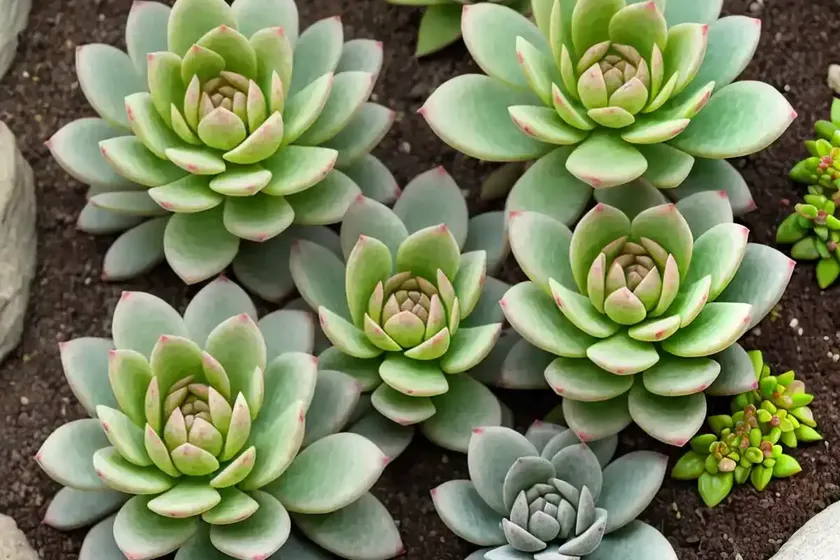
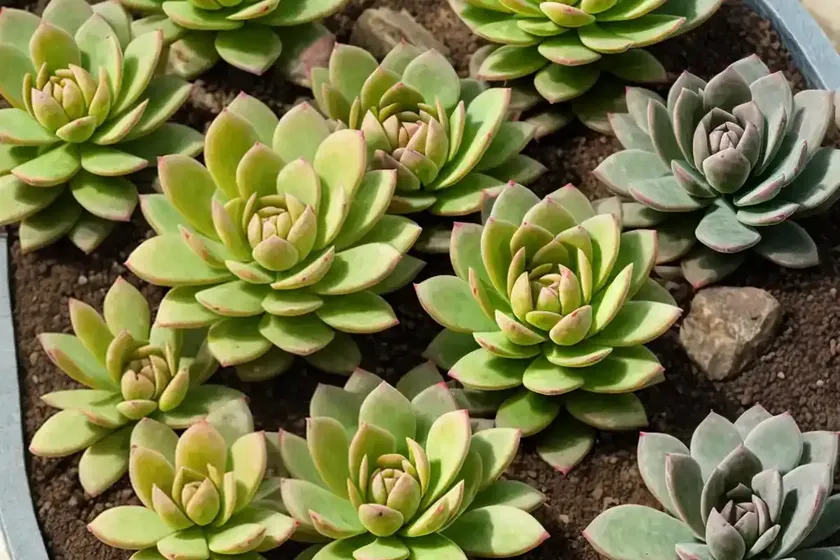
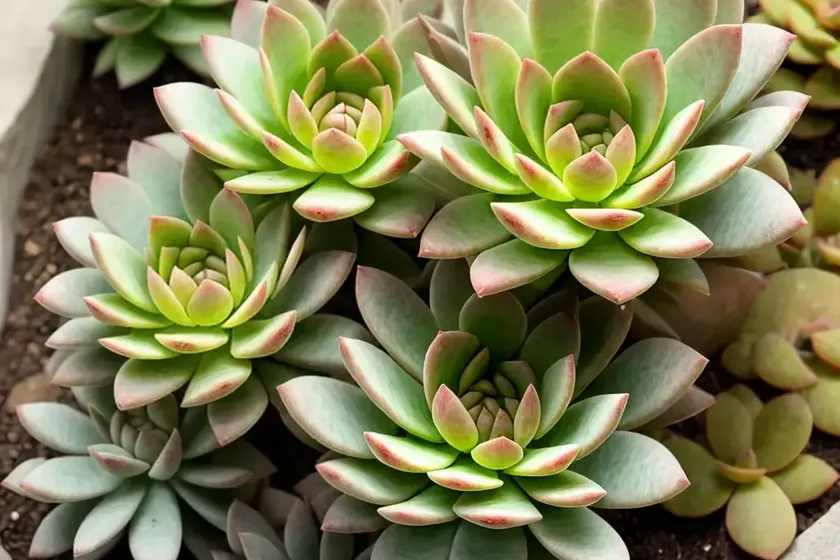
Graptosedum Darley Sunshine, scientifically known as Graptosedum ‘Darley Sunshine’, is a stunning succulent plant that has gained popularity among plant enthusiasts for its beautiful appearance and ease of care. In this comprehensive guide, we will explore the various aspects of Graptosedum Darley Sunshine, including its culture, uses, care requirements, common diseases, and much more. Whether you are a seasoned gardener or a novice plant owner, this article will provide valuable insights into nurturing and appreciating this botanical wonder.
What is Graptosedum Darley Sunshine?
Graptosedum Darley Sunshine is a charming hybrid succulent that belongs to the Crassulaceae family. It is a cross between Graptopetalum paraguayense and Sedum adolphi, resulting in a plant with a delightful combination of characteristics inherited from its parent species. The plant is revered for its compact rosettes of fleshy leaves, which exhibit a captivating blend of colors ranging from vibrant lime green to golden yellow, particularly when exposed to sufficient sunlight.
The name “Darley Sunshine” aptly captures the essence of this succulent, as it reflects the radiant and cheerful disposition of the plant. With its striking foliage and low-maintenance nature, Graptosedum Darley Sunshine has become a sought-after addition to both indoor and outdoor settings, showcasing its adaptability to various growing conditions.
Key Takeaways – Graptosedum Darley Sunshine
Before delving into the specific aspects of caring for Graptosedum Darley Sunshine, let’s summarize the key takeaways associated with this captivating succulent:
-
Culture: Graptosedum Darley Sunshine exhibits a versatile culture, thriving in both containers and garden beds. Its vibrant foliage adds an ornamental touch to any setting, making it a favorite among landscape designers.
-
Uses: This succulent is prized for its aesthetic appeal, making it a popular choice for succulent arrangements, rock gardens, and xeriscapes. It can also be showcased as a stand-alone specimen to accentuate its beauty.
-
Water: Graptosedum Darley Sunshine has moderate water needs and prefers well-draining soil to prevent moisture-related issues such as root rot. Proper watering practices are crucial for maintaining the health and vibrancy of the plant.
-
Sunlight: Adequate sunlight is essential for Graptosedum Darley Sunshine to manifest its characteristic coloration and to support optimal growth. Providing the right amount of sunlight is key to nurturing its vibrant foliage.
-
Fertilizer: While Graptosedum Darley Sunshine is relatively low-maintenance, occasional fertilization during the growing season can bolster its overall health and appearance. Selecting a suitable fertilizer is pivotal for fostering robust growth.
-
Soil: Well-draining and nutrient-rich soil is fundamental for ensuring the well-being of Graptosedum Darley Sunshine. Understanding the ideal soil composition is imperative for cultivating thriving plants.
-
Pruning: Minimal pruning may be required to maintain the plant’s shape and remove any damaged or withered foliage. Pruning practices should be conducted with care to minimize stress on the plant.
-
Propagation: Graptosedum Darley Sunshine can be propagated through various methods, such as leaf cuttings and offsets, offering plant enthusiasts the opportunity to expand their collection.
-
Container Popularity: Due to its compact size and attractive appearance, Graptosedum Darley Sunshine is frequently cultivated in containers, adding charm to indoor and outdoor spaces.
-
Common Diseases: Vigilance against common succulent diseases is crucial to safeguarding the health of Graptosedum Darley Sunshine. Recognizing the symptoms and implementing appropriate remedies is vital for disease management.
With these key takeaways in mind, let’s explore the detailed care requirements, growth habits, and unique characteristics of Graptosedum Darley Sunshine to cultivate a deeper understanding of this captivating succulent.
Culture of Graptosedum Darley Sunshine
Cultivating Graptosedum Darley Sunshine offers a fulfilling experience, as the plant seamlessly adapts to diverse growing conditions and presents an array of possibilities for incorporating it into your personal botanical oasis. Whether you are an avid gardener, a succulent enthusiast, or a newcomer to the world of plants, understanding the cultural preferences of Graptosedum Darley Sunshine is essential for fostering its well-being and vitality.
Uses
Graptosedum Darley Sunshine delivers immense versatility in its uses, contributing to its widespread appeal among gardeners and landscape enthusiasts. The plant’s charming rosettes and vivid coloration make it an excellent choice for various applications, ranging from ornamental arrangements to landscaping endeavors.
Ornamental Arrangements
The vibrant and compact nature of Graptosedum Darley Sunshine makes it a prized addition to succulent arrangements and compositions. Its striking coloration and alluring form create visually captivating displays, accentuating the appeal of terrariums, succulent gardens, and indoor plant collections.
Rock Gardens and Xeriscapes
Incorporating Graptosedum Darley Sunshine into rock gardens and xeriscapes introduces a touch of elegance and resilience to these landscapes. The plant’s ability to thrive in arid conditions and its compatibility with rocky terrains make it a valuable asset in drought-tolerant garden designs.
Stand-Alone Specimen
Displaying Graptosedum Darley Sunshine as a stand-alone specimen allows its inherent beauty to take center stage. Whether showcased in a decorative pot or planted in a prominent location in the garden, the plant’s captivating foliage serves as a focal point, captivating the attention of admirers.
Water
The water needs of Graptosedum Darley Sunshine encompass a balanced approach that aligns with its succulent nature, necessitating attention to the principles of proper watering to maintain optimal health and vitality. Understanding the plant’s water requirements is crucial for preventing issues related to overwatering or underwatering, both of which can detrimentally impact its well-being.
Watering Guidelines
Graptosedum Darley Sunshine benefits from a watering regimen that allows the soil to partially dry out between waterings. As a succulent, it has the capacity to store water in its fleshy leaves, making it resilient to brief periods of drought. Overly moist conditions can lead to root rot and other moisture-related ailments, emphasizing the importance of moderation in watering practices.
Soil Moisture Assessment
Before initiating a watering session, it is beneficial to assess the moisture level of the soil to determine the necessity of watering. This can be accomplished by inserting a finger into the soil to gauge its dryness. Additionally, utilizing a specialized moisture meter can provide precise insights into the soil’s moisture content, aiding in informed decision-making regarding watering frequency.
Seasonal Adjustments
Adjusting the watering frequency in accordance with the seasonal variations and environmental conditions is essential for accommodating the fluctuating water needs of Graptosedum Darley Sunshine. During the active growth period in spring and summer, the plant may require more frequent watering, while reducing the frequency during the dormant phase in fall and winter can help prevent excess moisture accumulation.
Sunlight
Unveiling the captivating hues and growth habits of Graptosedum Darley Sunshine is contingent on the provision of adequate sunlight, which serves as the primary catalyst for promoting the plant’s vitality and vibrancy. Understanding the sunlight requirements of the plant is paramount for harnessing its full potential and ensuring a flourishing growth trajectory.
Sunlight Exposure
Graptosedum Darley Sunshine thrives in bright, indirect light or partial sunlight conditions, making it well-suited for placement in locations that receive ample natural light without direct, scorching exposure. By positioning the plant in an environment characterized by filtered sunlight or partial shade, its distinct leaf coloration and robust growth can be effectively nurtured.
Indoor Lighting
When cultivating Graptosedum Darley Sunshine indoors, it is imperative to identify suitable locations that offer the requisite lighting conditions for the plant’s well-being. Placing it near a south-facing window, where it can receive bright, indirect light throughout the day, is conducive to sustaining its vibrant appearance and promoting healthy growth.
Outdoor Cultivation
For outdoor cultivation, selecting a site that balances the provision of sunlight and shade is pivotal for accommodating the sunlight preferences of Graptosedum Darley Sunshine. Sourcing a location with partial sun exposure, particularly during the morning or late afternoon, can facilitate an optimal environment for the plant to flourish.
Fertilizer
Supplementing Graptosedum Darley Sunshine with judicious fertilization can augment its nutritional intake and support robust growth, enriching its overall health and appearance. Integrating appropriate fertilizer applications into the plant care regimen is instrumental for harnessing its inherent potential and optimizing its thriving capabilities.
Fertilizer Selection
When selecting a fertilizer for Graptosedum Darley Sunshine, prioritizing a balanced, water-soluble formula formulated for succulents or cacti is advisable. These specialized fertilizers are tailored to meet the specific nutritional requirements of succulent plants, delivering essential nutrients while averting the risk of over-fertilization.
Feeding Frequency
During the active growing season in spring and summer, administering a diluted succulent fertilizer solution once every 4-6 weeks can replenish the vital nutrients that contribute to the health and vigor of Graptosedum Darley Sunshine. Scaling back on fertilizer applications during the dormant phase in fall and winter aligns with the plant’s reduced metabolic activities.
Application Method
Applying the fertilizer solution to the soil surface around the base of the plant ensures that the roots can readily access the nutrients, facilitating efficient uptake and utilization. Avoiding direct contact between the fertilizer and the plant’s foliage minimizes the risk of potential adverse reactions and safeguards against foliar damage.
Soil
The soil composition in which Graptosedum Darley Sunshine is cultivated plays a pivotal role in shaping the plant’s growth, resilience, and overall well-being. Tailoring the soil to meet the specific preferences of the succulent is essential for creating an environment conducive to its flourishing and longevity.
Well-Draining Nature
Graptosedum Darley Sunshine thrives in well-draining soil that prevents water from accumulating around the roots, mitigating the risk of moisture-related issues such as root rot. Utilizing a specialized succulent or cacti mix, or amending standard potting soil with perlite or coarse sand, promotes the permeability of the soil and fosters optimal root health.
Nutrient Content
Incorporating a nutrient-rich component, such as organic matter or a succulent-specific soil blend, can supply the essential nutrients required for sustaining the robust growth and vitality of Graptosedum Darley Sunshine. Balancing the soil’s nutrient content aligns with the plant’s metabolic needs and promotes a flourishing growth trajectory.
pH Considerations
Monitoring the pH level of the soil to ensure it falls within the slightly acidic to neutral range (pH 6.0–7.0) is conducive to fostering an environment that is harmonious with the physiological requirements of Graptosedum Darley Sunshine. Maintaining an optimal pH level supports effective nutrient uptake and assimilation, contributing to the plant’s overall health.
Pruning
Pruning practices for Graptosedum Darley Sunshine are relatively minimal, primarily focusing on the removal of spent or damaged foliage to uphold the plant’s aesthetic appeal and preserve its vigor. Embracing prudent pruning techniques is vital for promoting a tidy growth habit and averting potential issues associated with neglected foliage.
Removal of Wilted Leaves
Regularly inspecting Graptosedum Darley Sunshine for wilted or desiccated leaves and promptly removing them contributes to maintaining the plant’s visual charm and preventing potential sources of disease or pest infestation. Gently detaching compromised leaves using sanitized pruning shears minimizes stress on the plant and encourages regenerative growth.
Shaping and Rejuvenation
Performing selective pruning to shape the overall appearance of Graptosedum Darley Sunshine or to rejuvenate compactness can refine its visual allure and promote a tidy, well-groomed aspect. Trimming overgrown or leggy stems with precision allows the plant to maintain a balanced and appealing form, enhancing its ornamental value.
Pruning Frequency
Engaging in periodic pruning as needed, rather than adhering to a rigid schedule, presents a tailored approach that addresses the specific growth patterns and requirements of Graptosedum Darley Sunshine. Observing the plant regularly and attending to any pruning requirements as they arise ensures that its aesthetic and structural integrity are upheld.
Propagation
The ability to propagate Graptosedum Darley Sunshine through various methods offers an exciting opportunity for plant enthusiasts to expand their collection and share the botanical wonder of this charismatic succulent. Exploring the propagation techniques compatible with the plant’s growth habits unlocks avenues for cultivating new specimens and enhancing its presence in diverse settings.
Leaf Cuttings
Propagating Graptosedum Darley Sunshine through leaf cuttings involves carefully detaching healthy leaves from the parent plant and allowing them to callus before initiating root development. Placing the prepared leaf cuttings on a well-draining propagation medium and providing the appropriate environmental conditions can stimulate the emergence of new roots and, eventually, young plants.
Offsets
Identifying and separating offsets, or “pups,” that develop at the base of mature Graptosedum Darley Sunshine plants presents an effortless and effective propagation method. The offsets can be gently detached and transplanted into individual containers or planting locations, affording them the opportunity to establish independent growth and flourish as distinct entities.
Division
When the parent plant exhibits a cluster of rosettes, division presents a viable means of propagation that involves carefully separating the rosettes and transplanting them into suitable growing environments. Ensuring that each division possesses a portion of the root system and acclimating them to nurturing conditions promotes successful establishment and proliferation.
Common Diseases of Graptosedum Darley Sunshine
As with any plant, Graptosedum Darley Sunshine is susceptible to certain diseases that can compromise its health and vitality if not promptly addressed. Understanding the common diseases that can afflict the plant, along with their associated symptoms and management strategies, is crucial for safeguarding its well-being and preserving its innate allure.
Disease Diagnosis
Vigilance in detecting and diagnosing potential diseases afflicting Graptosedum Darley Sunshine is pivotal for implementing targeted remedial measures and preventing the escalation of the issues. Familiarizing oneself with the symptoms and characteristics of common succulent diseases equips plant owners with the knowledge needed to intervene effectively.
Root Rot
Symptoms: Root rot is often signaled by wilting, yellowing, or disintegration of the plant’s lower leaves, along with softening and browning of the root system. Foul odor and dark, mushy roots are indicative of advanced stages of root rot.
Management: Repotting the afflicted plant into fresh, well-draining soil and addressing any underlying issues related to overwatering or poor soil drainage is essential for reversing the progression of root rot. Trimming away affected roots and providing optimal growing conditions facilitate recovery.
Powdery Mildew
Symptoms: Powdery mildew manifests as a powdery, white substance on the leaves of Graptosedum Darley Sunshine, often accompanied by leaf distortion and gradual yellowing. Prolonged infestation can impede the plant’s photosynthetic capabilities.
Management: Implementing appropriate fungicidal treatments and enhancing air circulation around the plant reduces the incidence of powdery mildew. Consistent monitoring and proactive intervention prevent the proliferation of the fungal infection.
Leaf Spot
Symptoms: Leaf spot is characterized by the formation of dark or discolored lesions on the foliage of Graptosedum Darley Sunshine, indicating the presence of fungal or bacterial pathogens. The affected areas may exhibit necrosis and eventual deterioration.
Management: Pruning and discarding afflicted leaves, coupled with the application of suitable fungicidal or bactericidal treatments, are effective in addressing leaf spot. Minimizing moisture on the foliage and optimizing growing conditions supports the plant in combating the disease.
Common Pests
Graptosedum Darley Sunshine may also fall victim to insect pests that can compromise its overall health and appearance if left unchecked. Identifying the common pests that pose a threat to the plant, as well as adopting proactive measures for pest control, is essential for preserving its vitality and aesthetic appeal.
Spider Mites
Identification: Spider mites are minuscule arachnids that infest the foliage of Graptosedum Darley Sunshine, causing stippling, webbing, and eventual desiccation of the leaves. Their diminutive size and prolific reproductive capabilities make them challenging to eradicate.
Control: Raising the humidity around the plant, employing predatory mites, and applying horticultural oils or insecticidal soaps can effectively combat spider mite infestations. Regular monitoring and swift intervention prevent the pests from establishing extensive colonies.
Mealybugs
Identification: Mealybugs are small, soft-bodied insects characterized by their white, cottony appearance. They tend to congregate on the succulent’s stems and crevices, siphoning sap and inducing weakening and deformities.
Control: Isolating and manually removing mealybugs, along with utilizing natural predators and conducting targeted applications of horticultural oils or neem oil, assists in managing mealybug populations. Consistent inspection and treatment limit the impact of the pests.
Aphids
Identification: Aphids are tiny, pear-shaped insects that feed on the sap of Graptosedum Darley Sunshine, causing distortion and stunted growth. Their rapid reproduction and ability to transmit viral diseases pose a significant threat to the plant.
Control: Employing strong jets of water to dislodge aphids, availing beneficial insects, and deploying insecticidal treatments help mitigate aphid infestations. Vigilance in detecting and addressing early infestations curtails the proliferation of the pests.
Botanist’s Tips for Graptosedum Darley Sunshine
Equipped with a profound understanding of the cultural preferences, care requirements, and potential challenges associated with Graptosedum Darley Sunshine, implementing proactive strategies and incorporating nuanced techniques ensures that the plant can thrive and exude its radiant charm. As a botanist specializing in succulent plants, I would like to impart the following tips to support the successful cultivation and enjoyment of Graptosedum Darley Sunshine:
-
Environmental Adaptation: Acclimating the plant gradually to new environmental conditions, such as increased sunlight or altered humidity levels, aids in preventing shock and promoting seamless transition.
-
Optimized Drainage: Prioritizing proper drainage in both soil and containers prevents waterlogged conditions, enhancing the plant’s resilience against issues stemming from excess moisture accumulation.
-
Pest Surveillance: Implementing routine inspections for signs of pest activity and promptly addressing any infestations thwart the detrimental impact of pests and avert their proliferation.
-
Seasonal Adjustments: Tailoring the care regimen to align with the seasonal fluctuations in light, temperature, and moisture requirements cultivates a supportive environment for Graptosedum Darley Sunshine.
-
Patience with Propagation: Embracing patience and attentiveness during the propagation process allows for the successful development of new plants and contributes to the expansion of the succulent collection.
-
Adequate Airflow: Ensuring adequate air circulation around the plant reduces the risk of fungal issues and promotes the overall health and vigor of Graptosedum Darley Sunshine.
With these insights in mind, the care and cultivation of Graptosedum Darley Sunshine can be approached with confidence and enthusiasm, facilitating a rewarding journey of nurturing this captivating succulent.
Fun Facts about Graptosedum Darley Sunshine
As we celebrate the unparalleled allure and distinctive attributes of Graptosedum Darley Sunshine, uncovering some intriguing and illuminating fun facts about the