Graptopetalum Petandrum (Graptopetalum Pentandrum Subsp. Superbum)
Graptopetalum Petandrum, also known as Graptopetalum Pentandrum Subsp. Superbum, is a stunning succulent plant that belongs to the Crassulaceae family..
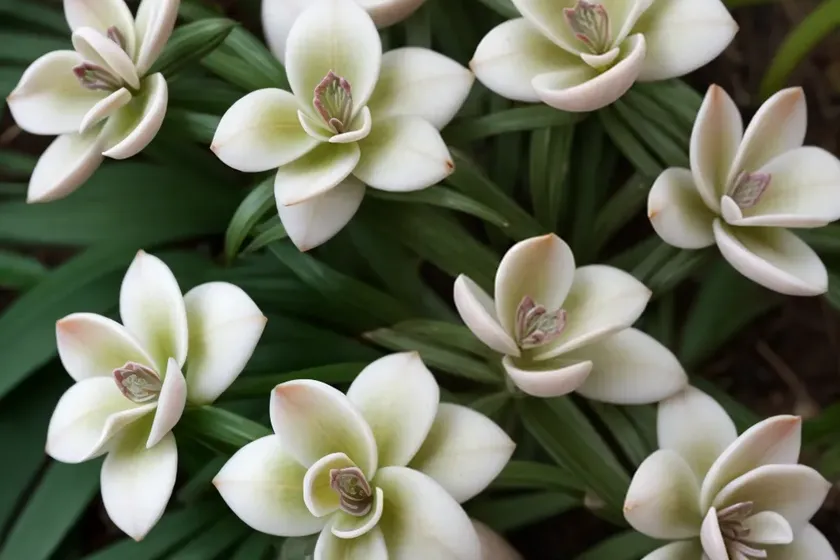
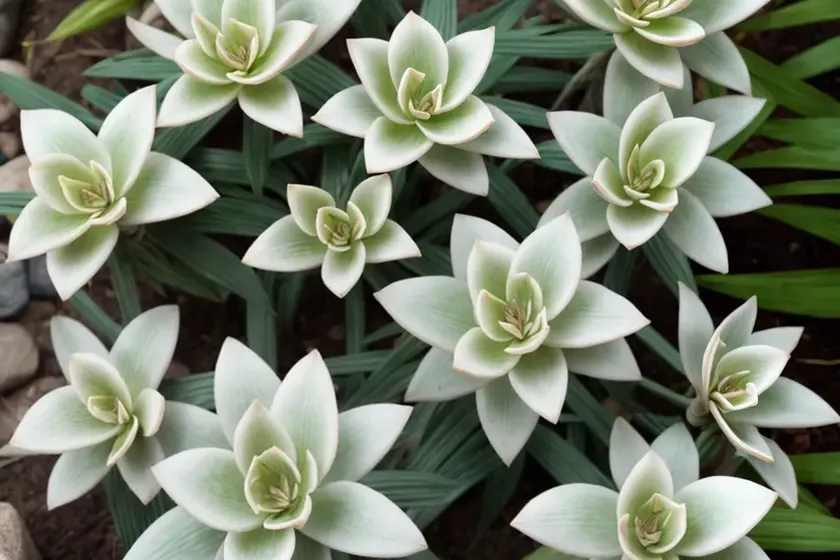
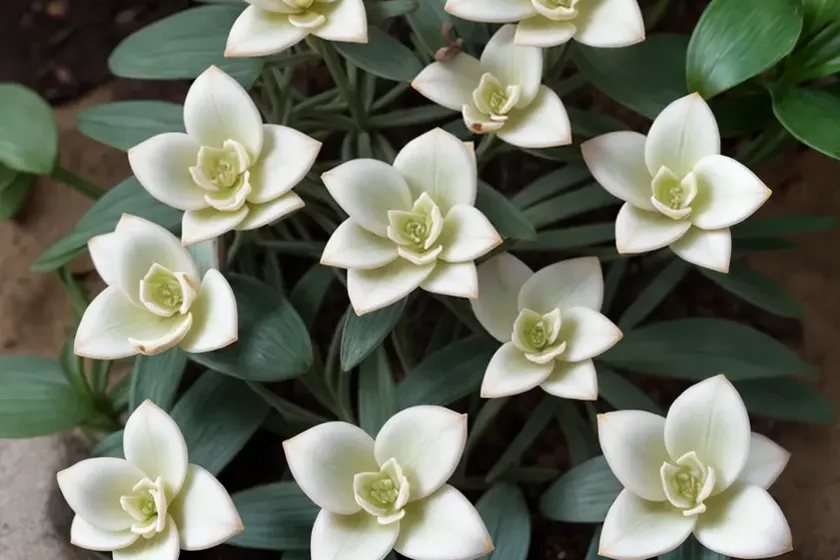
Graptopetalum Petandrum, also known as Graptopetalum Pentandrum Subsp. Superbum, is a stunning succulent plant that belongs to the Crassulaceae family. With its rosettes of thick, fleshy leaves and delicate blooms, this plant has gained popularity among indoor and outdoor gardeners alike. In this comprehensive guide, we will delve into the culture, uses, care requirements, and interesting facts about this captivating plant.
What is Graptopetalum Petandrum?
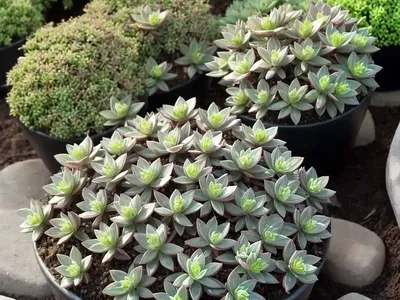
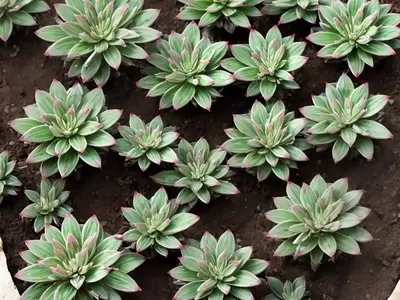
Graptopetalum Petandrum is a species of succulent that is native to Mexico. It is characterized by its rosettes of overlapping, fleshy leaves that form attractive clusters. The leaves are often arranged in a spiral pattern, creating a visually appealing display. The plant’s ability to store water in its leaves allows it to thrive in arid conditions, making it an excellent choice for water-wise gardening.
Key Takeaways – Graptopetalum Petandrum (Graptopetalum Pentandrum Subsp. Superbum)
Before we dive into the details of caring for Graptopetalum Petandrum, let’s take a look at the key takeaways that we will explore in this guide:
- Culture: Understanding the natural habitat and growth habits of Graptopetalum Petandrum.
- Uses: Exploring the decorative and functional uses of this succulent plant.
- Water: Learning about the watering needs and best practices for maintaining healthy growth.
- Sunlight: Understanding the sunlight requirements for optimal growth and coloration.
- Fertilizer: Identifying the appropriate fertilization approach to support the plant’s vitality.
- Soil: Selecting the right soil type and potting mix to ensure proper drainage and nutrition.
- Pruning: Discussing the pruning requirements and techniques for Graptopetalum Petandrum.
- Propagation: Exploring methods for propagating new plants from existing specimens.
- Container: Selecting suitable containers and addressing container gardening considerations.
- Popularity: Recognizing the growing appeal and popularity of Graptopetalum Petandrum.
- Common Diseases: Identifying potential diseases and implementing preventative measures.
- Disease Diagnosis: Understanding the symptoms and treatments for common plant diseases.
- Common Pests: Recognizing pests that may affect Graptopetalum Petandrum and implementing pest control strategies.
- Botanist’s Tips: Leveraging expert insights and tips for successful cultivation.
- Fun Facts: Discovering interesting and unique aspects of Graptopetalum Petandrum.
- Links to External Resources: Providing access to additional information and resources for further exploration.
Now that we have outlined the key areas of focus, let’s delve into the world of Graptopetalum Petandrum and uncover the secrets to cultivating this captivating succulent.
Culture of Graptopetalum Petandrum
Understanding the natural environment in which Graptopetalum Petandrum thrives is essential for providing the optimal conditions for its cultivation. This section will delve into the plant’s native habitat and its growth habits.
Native Habitat
Graptopetalum Petandrum is native to Mexico, where it can be found in arid and rocky areas. In its natural habitat, the plant often grows in crevices, taking advantage of minimal soil and scarce water. This adaptation to harsh conditions makes it well-suited for xeriscaping and drought-tolerant landscapes.
Growth Habit
The growth habit of Graptopetalum Petandrum is characterized by its rosette-forming nature. The fleshy leaves emerge from a central point, creating an intricate and visually appealing pattern. As the plant matures, it develops offsets, known as “pups,” which can be separated and propagated to produce new plants.
Understanding the cultural requirements of Graptopetalum Petandrum is crucial for providing the best possible care and ensuring the plant’s health and vitality. Let’s explore the various aspects of caring for this striking succulent.
Uses of Graptopetalum Petandrum
Graptopetalum Petandrum offers both decorative and functional uses, making it a versatile addition to indoor and outdoor spaces. Understanding its potential applications can help enthusiasts make the most of this captivating plant.
Decorative Use
The striking appearance of Graptopetalum Petandrum makes it a popular choice for ornamental purposes. Its rosettes, which come in various shades of green, pink, and purple, add visual interest to rock gardens, succulent arrangements, and container displays. The plant’s unique growth habit and leaf coloration make it an eye-catching addition to a wide range of landscape designs.
Functional Use
In addition to its ornamental value, Graptopetalum Petandrum is often utilized in practices such as xeriscaping, which focuses on creating water-efficient landscapes. The plant’s ability to thrive in arid conditions and its low maintenance requirements make it an ideal choice for environmentally conscious gardening.
By understanding the uses of Graptopetalum Petandrum, enthusiasts can explore creative ways to incorporate this distinctive succulent into their living spaces and outdoor gardens. Next, we will delve into the specific care requirements that are essential for maintaining the health and vibrancy of this plant.
Watering Graptopetalum Petandrum
Proper watering is crucial for the health and vigor of Graptopetalum Petandrum. Understanding the plant’s water requirements and mastering the best watering practices is key to preventing issues such as overwatering or dehydration.
Watering Needs
Being a succulent, Graptopetalum Petandrum has adapted to store water in its leaves, allowing it to withstand periods of drought. While the plant can tolerate dry conditions, it is important to provide adequate moisture when it is actively growing. During the growing season, which typically occurs in spring and summer, watering should be done when the top inch of the soil is dry.
Watering Best Practices
When watering Graptopetalum Petandrum, it is important to apply water directly to the soil around the plant, avoiding wetting the leaves. Overly wet conditions or water sitting on the foliage can increase the risk of root rot and fungal diseases. It is also advisable to use pots with drainage holes to allow excess water to escape, preventing waterlogged soil.
Understanding the nuances of watering is essential for maintaining the health and vitality of Graptopetalum Petandrum. By adopting appropriate watering practices, enthusiasts can ensure that their plants thrive and flourish. Let’s move on to the next crucial aspect of care—sunlight requirements.
Sunlight Requirements for Graptopetalum Petandrum
Sunlight plays a pivotal role in the growth and coloration of Graptopetalum Petandrum. By understanding the plant’s sunlight needs and providing the appropriate exposure, enthusiasts can promote optimal growth and vibrant leaf hues.
Sunlight Needs
Graptopetalum Petandrum thrives in bright, indirect sunlight. When grown indoors, it benefits from exposure to a south-facing window or a location that receives ample natural light. In outdoor settings, it can flourish in partial shade, especially in regions with intense afternoon sun.
Sunlight Best Practices
When transitioning Graptopetalum Petandrum to a new environment, it is important to acclimate the plant gradually to prevent sunburn. Sudden exposure to intense sunlight, especially after being kept in low-light conditions, can cause sun damage to the leaves. Observing the plant’s response to sunlight and adjusting its placement accordingly can help maintain its health and appearance.
By providing the appropriate amount of sunlight, enthusiasts can ensure that their Graptopetalum Petandrum displays vibrant colors and maintains robust growth. Now, let’s turn our attention to another essential aspect of plant care: fertilization.
Fertilizing Graptopetalum Petandrum
While succulents are known for their ability to thrive in nutrient-poor soils, providing occasional fertilization can support the health and vigor of Graptopetalum Petandrum. Understanding the plant’s fertilizer needs and employing appropriate feeding practices can contribute to lush growth and vibrant foliage.
Fertilizer Requirements
Graptopetalum Petandrum benefits from a balanced fertilizer formulated for succulents and cacti. During the growing season, which typically spans from spring to early fall, a diluted, water-soluble fertilizer can be applied to the soil once a month. It is important to follow the recommended dosage and avoid over-fertilizing, as this can lead to excessive vegetative growth.
Fertilization Best Practices
When applying fertilizer to Graptopetalum Petandrum, it is advisable to moisten the soil beforehand to prevent potential root damage. Additionally, fertilization should be suspended during the plant’s dormant period in winter to align with its natural growth cycle.
By providing the necessary nutrients through balanced fertilization, enthusiasts can support the overall health and vitality of Graptopetalum Petandrum. Next, we will explore the importance of selecting the right soil and potting mix for this succulent.
Soil Requirements for Graptopetalum Petandrum
Choosing the appropriate soil type and potting mix is essential for promoting healthy root development and preventing issues such as waterlogging. By understanding the soil preferences of Graptopetalum Petandrum, enthusiasts can create an optimal growing environment for this captivating succulent.
Soil Type
Graptopetalum Petandrum thrives in well-draining soil that mimics the rocky, mineral-rich conditions of its natural habitat. A combination of succulent potting mix and coarse sand or perlite can create an ideal medium for the plant to establish itself and grow vigorously.
Potting Mix Considerations
When selecting a potting mix for Graptopetalum Petandrum, it is important to choose a blend that provides good aeration and drainage. Avoiding heavy, water-retentive soils is crucial, as they can lead to root rot and other moisture-related issues.
By prioritizing well-draining soil and potting mix for Graptopetalum Petandrum, enthusiasts can create an environment that encourages robust growth and minimizes the risk of water-related stress. The next aspect of care that we will explore is pruning.
Pruning Graptopetalum Petandrum
Pruning is an important aspect of caring for Graptopetalum Petandrum, as it helps maintain the plant’s shape, remove damaged foliage, and propagate new plants. Understanding the pruning requirements and techniques is essential for keeping this succulent in optimal condition.
Pruning for Maintenance
Regular removal of dead or decaying leaves can prevent the onset of fungal infections and enhance the overall appearance of Graptopetalum Petandrum. Using clean, sharp scissors or pruning shears, damaged or dried-out foliage can be selectively trimmed to maintain the plant’s aesthetic appeal.
Propagation by Pruning
Pruning also presents an opportunity for propagating new plants from offsets, which are the smaller rosettes that develop around the base of the main plant. These offsets can be carefully removed and left to dry before being placed in a suitable potting mix to root and establish themselves as individual plants.
By incorporating regular pruning into the care routine for Graptopetalum Petandrum, enthusiasts can ensure that the plant remains healthy, attractive, and able to produce new generations of succulents. Let’s now explore the various methods for propagating this captivating plant.
Propagating Graptopetalum Petandrum
Propagating Graptopetalum Petandrum is an exciting and rewarding process that allows enthusiasts to expand their collection of these captivating succulents. By leveraging various propagation methods, it is possible to create new plants from existing specimens and share their beauty with others.
Offset Division
One of the most common methods of propagating Graptopetalum Petandrum is by dividing the offsets, or “pups,” that develop around the base of the parent plant. These offsets can be carefully separated from the main rosette and planted in a well-draining potting mix to establish new plants.
Leaf Propagation
Another method of propagating Graptopetalum Petandrum is through leaf cuttings. By carefully removing a healthy leaf from the plant and allowing it to callus for a few days, it can be placed on top of a suitable potting mix to root and develop into a new rosette.
Stem Cutting
Stem cuttings can also be used to propagate Graptopetalum Petandrum. By snipping a section of the stem and allowing the cut end to dry, the cutting can be placed in a potting mix and encouraged to root and produce new growth.
By exploring the various propagation methods for Graptopetalum Petandrum, enthusiasts can expand their collection and share the beauty of this succulent with others. The next aspect of care that we will explore is the selection of suitable containers.
Container Considerations for Growing Graptopetalum Petandrum
Selecting the right containers and addressing the specific requirements of container gardening are crucial for cultivating Graptopetalum Petandrum successfully. By understanding the needs of this succulent in a container environment, enthusiasts can create an optimal growing space for their plants.
Container Selection
When choosing containers for Graptopetalum Petandrum, it is essential to prioritize those with drainage holes to prevent water from accumulating at the bottom. Additionally, selecting containers made of porous materials, such as terracotta or unglazed ceramic, can promote airflow around the roots and prevent moisture-related issues.
Container Gardening Considerations
In container gardening, it is important to use a well-draining potting mix specifically formulated for succulents and cacti. Ensuring that the soil is balanced in aeration and moisture retention can help create a healthy and conducive environment for Graptopetalum Petandrum to thrive.
By addressing the specific requirements of container gardening, enthusiasts can provide an optimal growing environment for Graptopetalum Petandrum and enjoy the beauty of this captivating succulent in various indoor and outdoor settings. Let’s now explore the growing popularity of this plant.
Popularity of Graptopetalum Petandrum
Graptopetalum Petandrum has gained popularity among plant enthusiasts and succulent collectors due to its striking appearance, low maintenance requirements, and versatility in various garden settings. The unique features of this succulent have contributed to its growing appeal among indoor and outdoor gardeners.
Indoor and Outdoor Appeal
The adaptable nature of Graptopetalum Petandrum makes it well-suited for both indoor and outdoor environments. As an indoor plant, it can thrive in bright, indirect light, making it an ideal choice for windowsills, desks, and other well-lit spaces. In outdoor settings, it can be utilized in rock gardens, succulent arrangements, and container displays, adding visual interest to the landscape.
Low Maintenance Requirements
One of the factors contributing to the popularity of Graptopetalum Petandrum is its low maintenance requirements. The plant’s ability to withstand periods of drought and its resilience in various environmental conditions make it an attractive choice for gardeners seeking low-effort, high-impact plants.
Versatile Display Options
The aesthetic appeal of Graptopetalum Petandrum, combined with its versatility in container gardening, landscape design, and succulent arrangements, has contributed to its popularity among enthusiasts who appreciate its decorative and functional uses.
By recognizing the growing popularity of Graptopetalum Petandrum, enthusiasts can appreciate the widespread appeal and diverse applications of this captivating succulent. Now, let’s explore the potential diseases that may affect this plant and understand how to diagnose and address them effectively.
Common Diseases of Graptopetalum Petandrum
While Graptopetalum Petandrum is known for its resilience, it is susceptible to certain diseases and issues that can affect its health and appearance. Understanding the common diseases and implementing prompt treatments are crucial for maintaining the vitality of this striking succulent.
Root Rot
Excessive moisture in the soil can lead to root rot, a condition caused by fungal pathogens that attack the plant’s roots. Symptoms of root rot include wilting, yellowing leaves, and a general decline in the plant’s overall health. To address root rot, it is important to reduce watering, improve soil drainage, and if necessary, repot the affected plant in fresh, well-draining soil.
Powdery Mildew
Powdery mildew can affect the leaves of Graptopetalum Petandrum, manifesting as a white, powdery substance on the foliage. This fungal disease thrives in humid conditions and can impact the plant’s ability to photosynthesize effectively. Addressing powdery mildew involves improving air circulation around the plant, avoiding overhead watering, and applying appropriate fungicidal treatments if necessary.
Pest Infestations
While not a disease in the traditional sense, pest infestations from insects such as aphids, mealybugs, and spider mites can adversely affect the health of Graptopetalum Petandrum. Regular inspection of the plant for signs of pest activity, such as stippled or discolored leaves, can help identify and address infestations promptly.
By recognizing potential diseases and addressing them through preventative measures and timely treatments, enthusiasts can safeguard the health and appearance of Graptopetalum Petandrum. Let’s now delve into the diagnostic process for identifying and addressing common plant diseases.
Diagnosing Diseases in Graptopetalum Petandrum
Accurately diagnosing and addressing diseases in Graptopetalum Petandrum is essential for preserving the plant’s health and vitality. By understanding the symptoms of common plant diseases and employing effective diagnostic techniques, enthusiasts can implement appropriate treatments to support their succulents.
Symptom Observation
Observing the overall appearance of Graptopetalum Petandrum can provide valuable insights into its health. Symptoms such as wilting, discoloration, spots, or unusual growth patterns can indicate underlying issues that require attention.
Root Examination
For diseases such as root rot, carefully examining the plant’s root system can reveal signs of rot, decay, or damage. Healthy roots are firm and white, while compromised roots may appear brown, mushy, or discolored.
Leaf Inspection
Inspecting the leaves for abnormalities such as powdery residues, spots, or discoloration can help identify issues such as powdery mildew or pest infestations, prompting targeted interventions to address these specific concerns.
By mastering the diagnostic process for common plant diseases, enthusiasts can detect and address issues promptly, thereby promoting the health and resilience of their Graptopetalum Petandrum plants. The next aspect of care that we will explore is the identification and management of common pests.
Common Pests Affecting Graptopetalum Petandrum
While Graptopetalum Petandrum is generally resilient, it can fall victim to various pests that can diminish its health and appearance if left unaddressed. Identifying common pests and implementing appropriate pest control measures are essential for protecting this captivating succulent.
Aphids
Aphids are small, soft-bodied insects that can cluster on the leaves and stems of Graptopetalum Petandrum, sucking sap from the plant and causing distortion and discoloration. Controlling aphids involves using a forceful spray of water to dislodge the insects, employing natural predators such as ladybugs, or applying horticultural oil as a targeted treatment.
Mealybugs
Mealybugs are another common pest that may affect Graptopetalum Petandrum, often appearing as fuzzy, cotton-like masses on the leaves and stems. Removing mealybugs by gently wiping the affected areas with a cotton swab dipped in rubbing alcohol can help contain infestations and prevent their spread.
Spider Mites
Spider mites are tiny arachnids that can inflict damage