Goldfish Plant (Columnea)
Plants have always been an integral part of our lives, adding a touch of nature’s beauty to our surroundings. Their diverse array of colors, shapes, and.
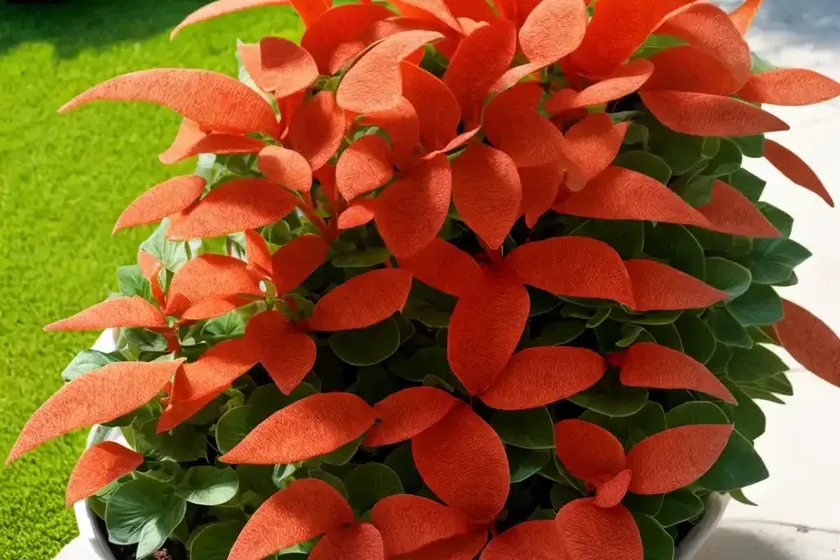
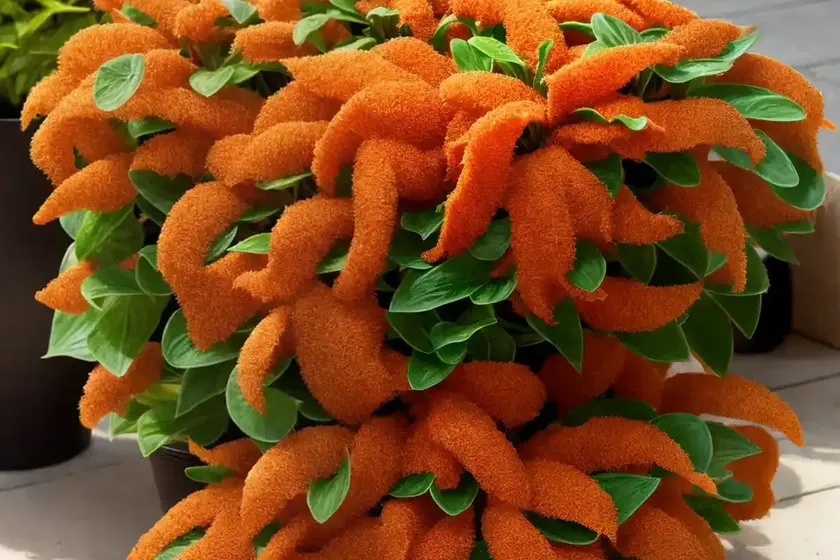
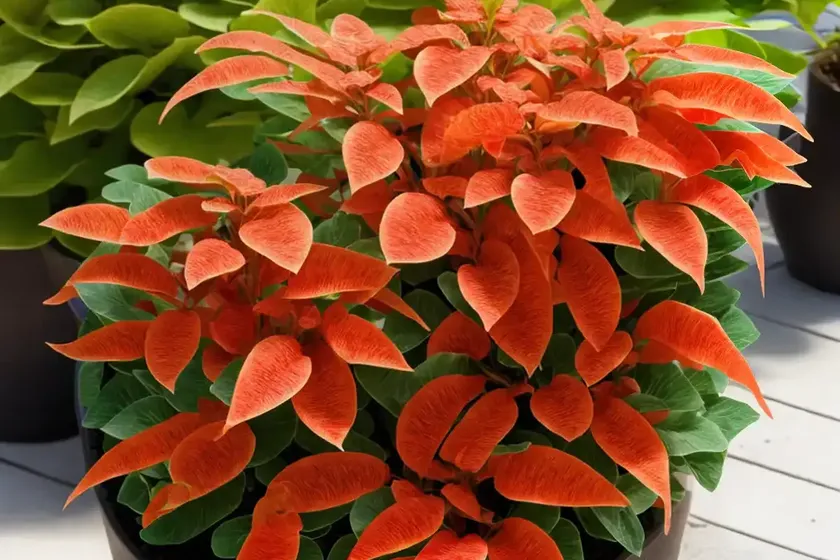
Plants have always been an integral part of our lives, adding a touch of nature’s beauty to our surroundings. Their diverse array of colors, shapes, and sizes never fail to captivate us, and among these captivating plants is the Goldfish Plant (Columnea). In this comprehensive guide, we will explore the key aspects of Goldfish Plant care and cultivation, including its culture, uses, care requirements, and interesting facts. Whether you are a beginner or an experienced plant enthusiast, there is something for everyone to learn about this unique and beautiful plant.
What is the Goldfish Plant (Columnea)?
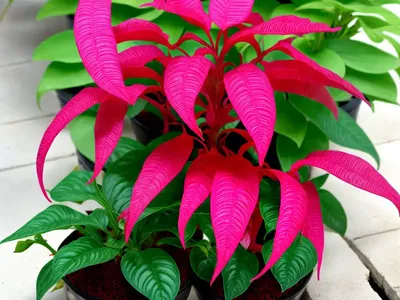
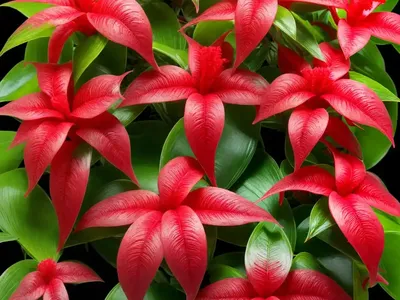
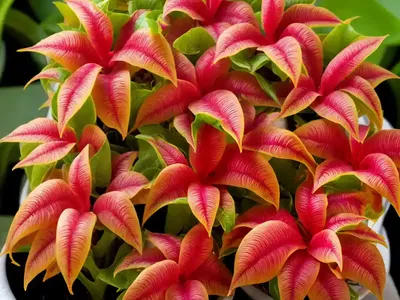
The Goldfish Plant, scientifically known as Columnea, is a genus of flowering plants in the family Gesneriaceae. This tropical plant is native to the rainforests of Central and South America, where it thrives in the warm and humid environment of its natural habitat. The name “Goldfish Plant” is derived from the striking resemblance of its flowers to the vibrant and colorful appearance of a goldfish.
The genus Columnea comprises approximately 200 species, some of which are cultivated as ornamental houseplants due to their attractive foliage and distinctive flowers. These plants are known for their trailing or pendent growth habit, making them excellent choices for hanging baskets and indoor gardens.
Key Takeaways – Goldfish Plant (Columnea)
Before delving into the specifics of Goldfish Plant care and cultivation, let’s take a look at the key takeaways regarding this unique plant:
- Plant Name: Goldfish Plant (Columnea)
- Family: Gesneriaceae
- Native Habitat: Central and South America
- Common Uses: Ornamental houseplant, hanging basket plant
- Distinctive Feature: Resemblance of flowers to a goldfish
- Growth Habit: Trailing or pendent
- Suitable for: Indoor gardening, tropical gardens
Now that we have an overview of the Goldfish Plant, let’s explore its culture and the essential factors for its care and maintenance.
Culture
Understanding the cultural requirements of the Goldfish Plant is crucial for fostering its growth and ensuring its overall well-being. From its preferred water and sunlight conditions to soil and fertilizer considerations, a comprehensive understanding of its culture is essential.
Water
Proper watering is essential for the health and vitality of the Goldfish Plant. As a tropical plant, it thrives in a consistently moist environment, but it is crucial to avoid waterlogging or allowing the soil to become excessively soggy.
- Watering Frequency: Water the plant when the top inch of the soil feels dry to the touch. Ensure that excess water can drain freely from the pot to prevent waterlogging.
- Water Quality: Use room-temperature water to avoid shocking the plant with extreme temperature differences. Rainwater or filtered water is beneficial, as it prevents the accumulation of mineral deposits in the soil.
Sunlight
The Goldfish Plant has specific requirements when it comes to sunlight exposure. While it thrives in bright, indirect light, it is essential to protect it from intense direct sunlight, especially during the peak hours of the day.
- Light Requirements: Place the plant in a location with bright, indirect light. Avoid exposing it to prolonged periods of direct sunlight, as this can lead to sunburn and damage the foliage.
- Growing Indoors: If grown indoors, consider placing the plant near a window where it can receive ample natural light without being exposed to harsh rays.
Fertilizer
Proper fertilization supports the healthy growth and blooming of the Goldfish Plant. Choosing the right type of fertilizer and applying it at the appropriate intervals contributes to the plant’s overall vigor.
- Fertilizer Type: Use a balanced, water-soluble fertilizer formulated for flowering houseplants. Look for a fertilizer with a N-P-K ratio of 10-15-10 or similar proportions to provide essential nutrients.
- Fertilizing Schedule: Apply fertilizer every 4-6 weeks during the growing season, typically from spring to early fall. Reduce fertilization frequency during the plant’s dormant period in winter.
Soil
The choice of soil is critical for the Goldfish Plant, as it influences moisture retention, aeration, and nutrient availability. A well-draining, moisture-retentive soil mix is essential for supporting the plant’s growth.
- Soil Mix: Use a high-quality, well-draining potting mix that contains a combination of peat moss, perlite, and organic matter. This ensures proper aeration and moisture retention without becoming waterlogged.
- Acidic pH: The Goldfish Plant prefers slightly acidic soil with a pH in the range of 5.5 to 6.5. Regularly check and adjust the soil pH if necessary to maintain the ideal growing conditions.
Pruning
Pruning plays a significant role in shaping the Goldfish Plant, promoting bushier growth, and removing any dead or leggy foliage. It also encourages the plant to produce new stems and enhances its overall appearance.
- Pruning Technique: Use clean, sharp scissors or pruning shears to remove overgrown or straggly stems. Prune back the plant after the flowering period to maintain its shape and encourage new growth.
- Deadheading: Remove spent flowers to encourage the continuous production of blooms and prevent the plant from expending energy on seed production.
Propagation
The propagation of the Goldfish Plant allows enthusiasts to expand their collection and share the beauty of this captivating plant with others. Several propagation methods, such as stem cuttings and leaf cuttings, can be employed to create new plants.
- Stem Cuttings: Take 4-6 inch stem cuttings from the parent plant and remove the lower leaves. Plant the cuttings in a well-draining potting mix and keep them consistently moist until they develop roots.
- Leaf Cuttings: Select healthy leaves from the parent plant and place them in a propagation tray or container filled with a moist, well-aerated substrate. Roots will develop from the leaf nodes, eventually giving rise to new plantlets.
Container Popularity
The Goldfish Plant is a popular choice for container gardening, particularly for its trailing growth habit and vibrant, eye-catching flowers. Its suitability for hanging baskets and decorative containers adds a delightful touch to indoor and outdoor spaces.
- Hanging Baskets: Plant the Goldfish Plant in hanging baskets or containers with sufficient drainage holes. The trailing nature of the plant allows it to cascade gracefully, adding visual interest to its surroundings.
- Decorative Containers: Choose decorative pots or containers that complement the colorful foliage and flowers of the Goldfish Plant. Opt for containers that allow excess water to drain effectively to prevent waterlogging.
Common Diseases
Like all plants, the Goldfish Plant is susceptible to certain diseases and health issues that can affect its overall vitality. Recognizing the signs of common diseases and implementing appropriate measures is crucial for preventing and managing these ailments.
Disease Diagnosis
Several common diseases can affect the Goldfish Plant, including fungal infections, bacterial diseases, and viral ailments. The timely identification of these issues is essential for implementing targeted treatments.
- Signs of Disease: Look for symptoms such as discolored or wilting foliage, mold or mildew growth on the leaves, and visible lesions or spots. These can indicate fungal or bacterial infections that require immediate attention.
Common Pests
Pests can pose a threat to the health of the Goldfish Plant, feeding on its foliage, sap, or roots and causing damage to the overall plant structure. Regular monitoring and proactive pest management are essential for preserving the plant’s health.
Pest Identification
Several common pests can infest the Goldfish Plant, including aphids, spider mites, mealybugs, and scale insects. Identifying these pests and their characteristic signs is crucial for implementing effective control measures.
- Aphids: Look for clusters of small, soft-bodied insects on the leaves and stems. These pests can cause leaf curling, yellowing, and the secretion of sticky honeydew.
- Spider Mites: Keep an eye out for fine webbing on the foliage, as well as stippling or discoloration of the leaves caused by these tiny arachnids.
- Mealybugs: Check for white, cottony masses on the stems and leaf nodes, indicating the presence of mealybugs. These pests can weaken the plant and stunt its growth.
Botanist’s Tips
Incorporating the insights and recommendations of botanists can help plant enthusiasts enhance the care and cultivation of the Goldfish Plant. Botanist-approved tips offer valuable guidance for optimizing the plant’s growing conditions and promoting its well-being.
Fun Facts
Learning about the unique characteristics and fascinating aspects of the Goldfish Plant adds an extra layer of appreciation for this captivating species. Fun facts provide insights into the plant’s exceptional qualities and cultural significance.
- The flowers of the Goldfish Plant are tubular and vibrant in color, resembling the shape and appearance of a goldfish, hence the plant’s common name.
- The plants are valued not only for their beautiful flowers but also for their attractive foliage, featuring glossy, deep green leaves with contrasting patterns or variegation.
Links to External Resources
For further exploration and in-depth understanding of the Goldfish Plant, here are some relevant external resources and references:
- Columnea: The Goldfish Plant
- Houseplant Care: Goldfish Plant (Columnea)
- Columnea, The Goldfish Plant
- Columnea Species Collection
- Goldfish Plant Care Guide
- Propagating Columnea Plants
- Pests and Diseases of Houseplants
- Fertilizing Indoor Plants
- Understanding Soil pH
- Pruning Houseplants
- Houseplant Containers and Drainage
In conclusion, the Goldfish Plant (Columnea) is a remarkable plant with captivating features and specific care requirements. By paying attention to its culture, watering, sunlight, soil, and pruning needs, enthusiasts can provide an optimal environment for its growth. Whether grown in hanging baskets or decorative containers, the Goldfish Plant adds a vibrant and charming touch to any indoor or outdoor space. With proper care and attention, this unique plant can thrive and continue to delight plant enthusiasts with its beautiful flowers and foliage.