Goldenrod (Solidago)
Goldenrod, scientifically known as Solidago, is a genus of flowering plants in the aster family, Asteraceae. With over 100 species distributed across North.
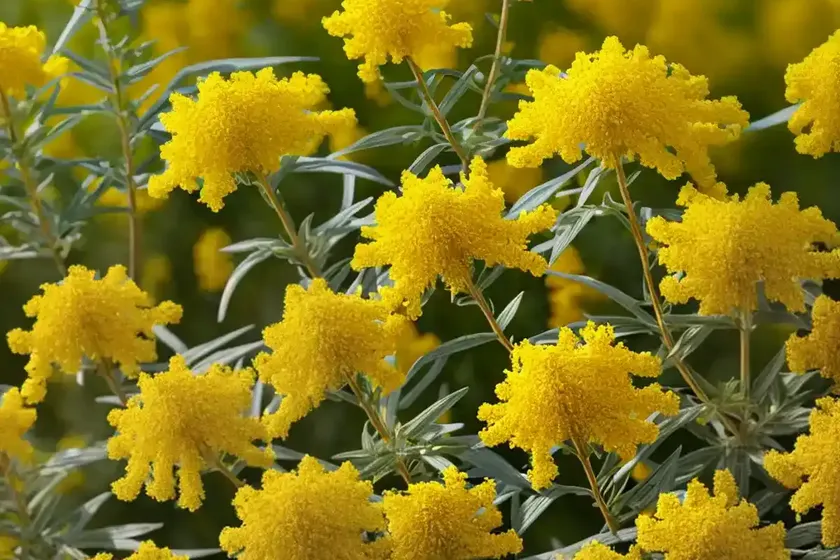
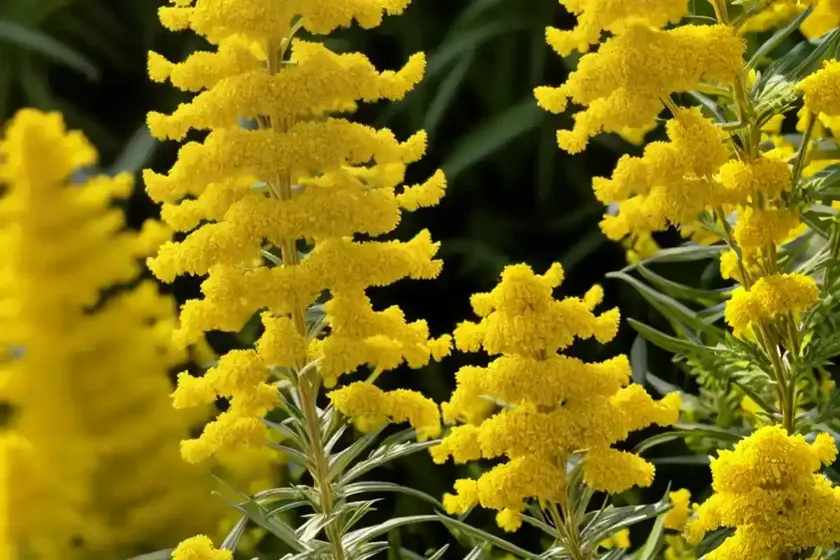
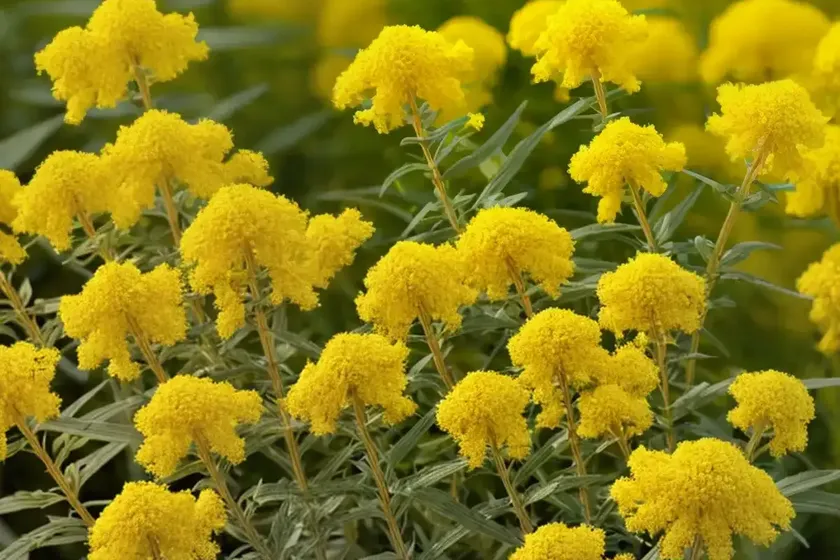
Goldenrod, scientifically known as Solidago, is a genus of flowering plants in the aster family, Asteraceae. With over 100 species distributed across North America, Mexico, and Europe, Goldenrod is known for its vibrant yellow flowers and its diverse cultural, ecological, and medicinal significance. In this comprehensive guide, we will delve into the various aspects of Goldenrod, including its culture, uses, care, propagation, common diseases, and more.
What is Goldenrod (Solidago)?
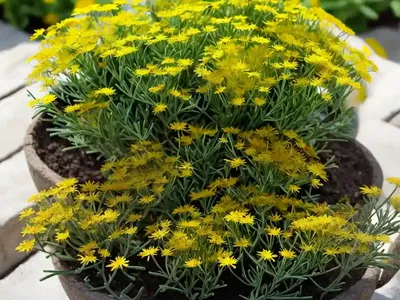
Goldenrod is a perennial plant characterized by its dense clusters of bright yellow flowers that bloom in late summer and early fall. It is commonly found in fields, meadows, and along roadsides, where it adds a splash of color to the landscape. The plant is known for attracting a wide variety of pollinators, including bees, butterflies, and other beneficial insects.
Key Takeaways – Goldenrod (Solidago)
Before delving deeper into the various aspects of Goldenrod (Solidago), let’s outline some key takeaways to give a broad overview of this fascinating plant.
- Scientific Name: Solidago
- Common Name: Goldenrod
- Family: Asteraceae
- Habitat: Fields, meadows, roadsides
- Flowering Time: Late summer to early fall
- Color: Bright yellow
- Special Feature: Attracts pollinators
- Cultural Significance: Medicinal uses, ecological importance
- Varieties: Over 100 species
- Growing Areas: North America, Mexico, Europe
With these key takeaways in mind, let’s explore the various facets of Goldenrod, from its cultural significance to its care and maintenance requirements.
Culture
Goldenrod is a versatile and resilient plant that can thrive in a variety of environmental conditions. Understanding its cultural requirements is essential for successfully growing and maintaining these beautiful perennials.
Uses
Goldenrod holds cultural, ecological, and medicinal significance, making it a valuable plant in various settings.
- Cultural Uses: Goldenrod has been traditionally used in herbal remedies, dyes, and as a symbol of late summer and early fall. Its bright yellow blooms are often incorporated into floral arrangements and landscape designs.
- Medicinal Uses: In herbal medicine, Goldenrod has been used to alleviate conditions such as urinary tract infections, allergies, and inflammation. It is also believed to have diuretic properties and is used to support kidney function.
- Ecological Importance: As a native plant, Goldenrod plays a crucial role in supporting local ecosystems by providing nectar and pollen for pollinators, as well as habitat for wildlife.
Water
Goldenrod plants generally prefer well-drained soil and moderate moisture levels. While they can tolerate some drought, consistent watering is essential, especially during periods of prolonged heat or dryness.
- Watering Frequency: Water the plants deeply once a week, ensuring the soil is moist but not waterlogged.
- Established Plants: Once established, Goldenrod is relatively drought-tolerant and can withstand short periods of dryness.
Sunlight
Goldenrod thrives in full sun to partial shade, making it adaptable to a range of light conditions.
- Full Sun: The plant will produce the most prolific blooms when it receives at least 6 to 8 hours of direct sunlight each day.
- Partial Shade: While it can tolerate some shade, reduced sunlight may lead to fewer blooms and leggy growth.
Fertilizer
Goldenrod generally does not require heavy fertilization and can thrive in nutrient-poor soils. However, a light application of balanced fertilizer in the early spring can promote healthy growth and abundant flowering.
- Fertilizer Type: Use a balanced, all-purpose fertilizer with an NPK ratio of 10-10-10 or similar.
- Application Rate: Apply the fertilizer according to the manufacturer’s instructions, ensuring that it is well-watered in afterward to prevent root burn.
Soil
Goldenrod is adaptable to a range of soil types but prefers well-drained, loamy soil with a slightly acidic to neutral pH.
- Soil Composition: Loamy soil with good drainage is ideal, but Goldenrod can tolerate various soil textures, including sandy and clay soils.
- Soil pH: Aim for a pH range of 6.0 to 7.0, though Goldenrod can tolerate slightly acidic to slightly alkaline conditions.
Pruning
Pruning helps maintain the form and vigor of Goldenrod plants, and it can also encourage a second round of blooms later in the season.
- Pruning Time: After the first flush of blooms has faded, trim back the spent flower stalks to encourage new growth and potential reblooming.
- Cutting Back: In late fall or early spring, cut the stems back to the base to promote vigorous growth and prevent self-seeding.
Propagation
Goldenrod can be propagated through several methods, including division, seed sowing, and stem cuttings.
Division
Dividing established clumps of Goldenrod is a reliable method for propagation and rejuvenating older plants.
- Division Time: Spring or early fall is the best time to divide the plants when they are actively growing.
- Process: Dig up the plant and carefully separate the clumps, ensuring that each division has a healthy root system and several shoots.
Seed Sowing
Growing Goldenrod from seeds allows for the propagation of specific varieties and cultivars.
- Seed Collection: Harvest the seed heads when they have fully formed but before they start to disperse.
- Scarification: Some Goldenrod seeds may benefit from scarification to break their hard seed coat and improve germination rates.
- Sowing Depth: Plant the seeds at a depth of 1/8 to 1/4 inch in well-prepared soil and keep them consistently moist until germination occurs.
Stem Cuttings
Taking stem cuttings from healthy, actively growing plants is another viable method for propagating Goldenrod.
- Cutting Preparation: Select healthy, non-flowering stems and take 4- to 6-inch cuttings, ensuring they have several sets of leaves.
- Rooting Hormone: Dip the cut ends in a rooting hormone to promote root development.
- Planting and Care: Plant the cuttings in a well-draining medium, keep them consistently moist, and provide gentle bottom heat to encourage rooting.
Container Popularity
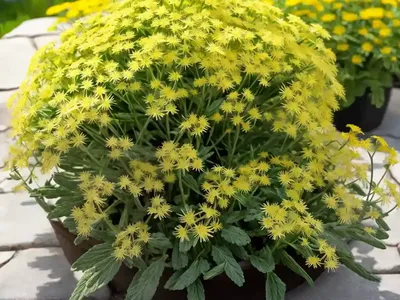
Goldenrod’s adaptability and striking appearance make it a popular choice for container gardening, allowing for versatile and vibrant displays on patios, balconies, and outdoor living spaces.
Container
- Container Size: Choose a container that provides ample room for the plant’s root system, ensuring good drainage.
- Soil Mix: Use a well-draining potting mix with a slightly acidic to neutral pH.
- Watering: Containers may require more frequent watering, especially during hot and dry periods.
- Fertilization: Apply a balanced, slow-release fertilizer to support healthy growth and flowering.
Common Diseases
While Goldenrod is generally resilient, it can be susceptible to certain diseases, especially in conditions of poor air circulation and high humidity.
Disease Diagnosis
- Rust: This fungal disease appears as orange to rusty brown spots on the leaves and stems. It can weaken the plant and reduce its vigor over time.
- Powdery Mildew: A white, powdery coating on the leaves and flowers indicates the presence of powdery mildew, a common fungal infection.
- Preventive Measures: Ensure good air circulation, avoid overhead watering, and promptly remove and destroy any infected plant material to prevent the spread of diseases.
Common Pests
Goldenrod is relatively resistant to pests, but certain insects may still pose a threat to its health and vigor.
- Aphids: These small, soft-bodied insects can cluster on the stems and leaves, sucking sap from the plant and weakening its overall health.
- Spider Mites: Infestations of spider mites may become apparent through the presence of fine webbing and stippled, discolored foliage.
- Natural Predators: Encourage beneficial insects, such as ladybugs and lacewings, to naturally regulate pest populations.
Botanist’s Tips
As a plant scientist, I have some key tips to help you successfully grow and care for Goldenrod in your garden or landscape.
- Native Habitat: Understanding the native habitat and growing conditions of Goldenrod species can inform successful cultivation practices.
- Companion Planting: Pair Goldenrod with other native, pollinator-friendly plants to create diverse and ecologically supportive landscapes.
- Pest Monitoring: Regularly inspect your plants for signs of pests and diseases, intervening early if any issues arise.
Fun Facts
To further appreciate the beauty and significance of Goldenrod, here are some fun facts about this remarkable plant:
- State Flower: Goldenrod is the state flower of Kentucky and Nebraska in the United States.
- Pollinator Magnet: It is a valuable source of nectar for bees, butterflies, and other pollinators, supporting diverse and healthy ecosystems.
- Late Bloomer: Goldenrod’s late-season blooms provide vital food sources for pollinators as other flowers begin to wane.
Links to External Resources
For further information on Goldenrod, Solidago canadensis, and related topics, please explore the following resources:
- Solidago: A Comprehensive Guide
- Medicinal Uses of Goldenrod
- Conservation and Management of Goldenrod Species
In conclusion, Goldenrod (Solidago) is a captivating and versatile plant with cultural, ecological, and medicinal significance. By understanding its cultural requirements, propagation methods, and potential challenges, you can cultivate and enjoy this vibrant plant in your own garden or landscape. Whether you appreciate it for its ecological role or its striking beauty, Goldenrod is a plant worthy of admiration and appreciation in diverse settings.