Golden-Spined Cactus (Pilosocereus Lanuginosus)
The world of botany is full of fascinating and diverse plant species. Among these intriguing plants is the Golden-Spined Cactus (Pilosocereus lanuginosus)..
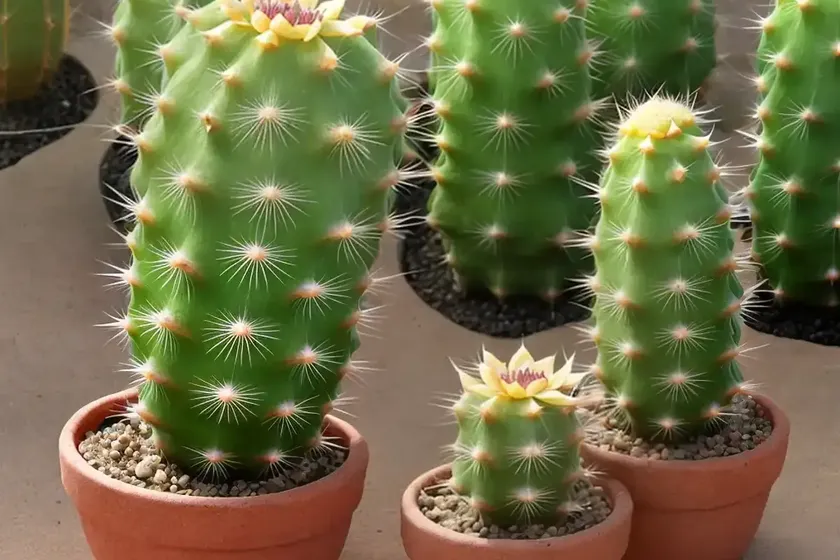
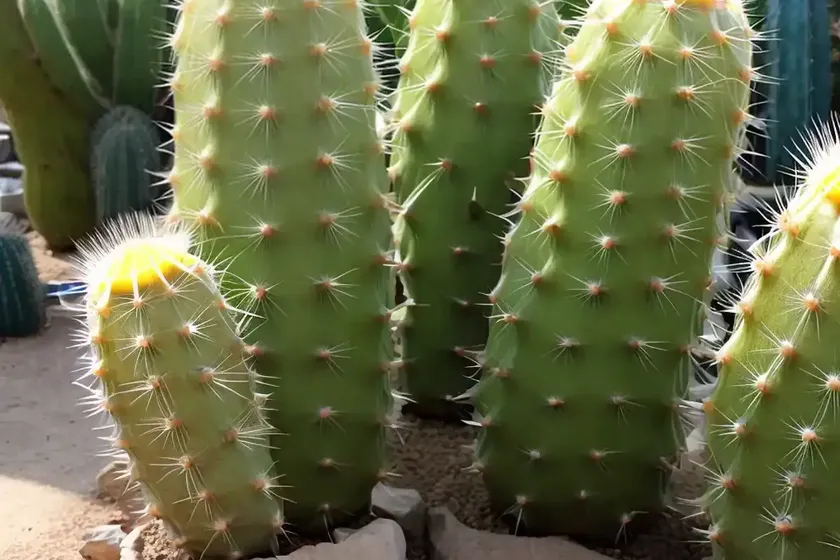
The world of botany is full of fascinating and diverse plant species. Among these intriguing plants is the Golden-Spined Cactus (Pilosocereus lanuginosus). This striking cactus, known for its unique characteristics, has garnered attention from plant enthusiasts, gardeners, and scientists alike. In this comprehensive guide, we will delve into the various aspects of this extraordinary plant, covering its culture, uses, care requirements, and much more.
What is the Golden-Spined Cactus (Pilosocereus lanuginosus)?
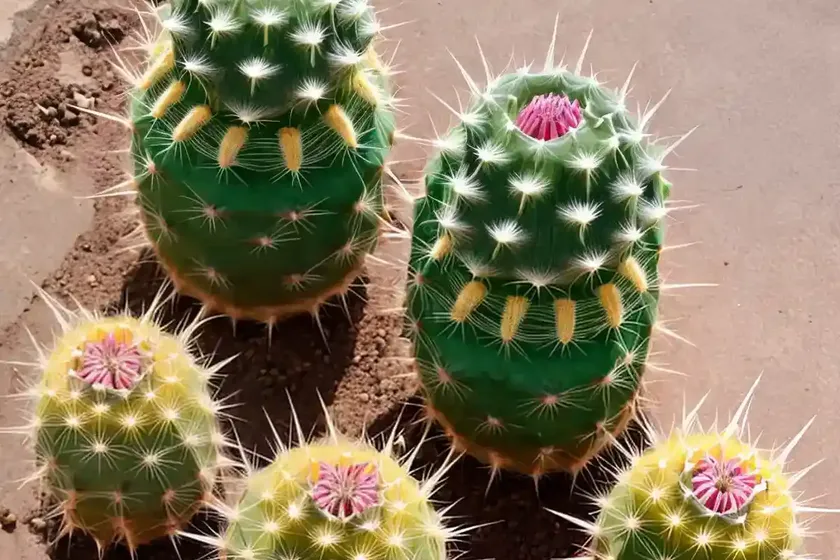
The Golden-Spined Cactus, scientifically named Pilosocereus lanuginosus, is a species of cactus belonging to the Cactaceae family. This cactus is native to certain regions of South America, where it thrives in arid and semi-arid environments. The species is known for its striking appearance, characterized by golden or yellowish spines that adorn its cylindrical stem.
The scientific name Pilosocereus lanuginosus encapsulates some of the unique features of this cactus. “Pilosocereus” is derived from the Latin words “pilosus,” meaning hairy, and “cereus,” referring to a wax candle, which alludes to the candle-like appearance of the plant’s stem. “Lanuginosus” is Latin for woolly, a nod to the fuzzy or woolly texture often present on the cactus.
Key Takeaways – Golden-Spined Cactus (Pilosocereus lanuginosus)
Before we delve into the specifics of caring for the Golden-Spined Cactus, let’s highlight some key takeaways about this remarkable plant:
- Scientific Name: Pilosocereus lanuginosus
- Family: Cactaceae
- Common Names: Golden-Spined Cactus, Woolly Torch Cactus
- Native Habitat: South America
- Distinctive Feature: Golden or yellowish spines
- Cultural Significance: Utilized in traditional medicine and rituals
- Growth Pattern: Slow-growing, columnar cactus
- Challenges: Susceptible to certain pests and diseases
Now that we’ve introduced the Golden-Spined Cactus, let’s explore its various aspects in detail.
Culture
The cultural significance of the Golden-Spined Cactus extends beyond its ornamental value. In regions where this cactus grows naturally, it has been an integral part of traditional medicine and local rituals for generations. Understanding and respecting the cultural significance of this plant is an essential aspect of appreciating and preserving its heritage.
Uses
The uses of the Golden-Spined Cactus are multifaceted. Beyond its aesthetic appeal in landscaping and gardens, it has been utilized for various purposes, including traditional medicine and spiritual practices. The unique characteristics and properties of the cactus have contributed to its diverse applications.
Water
Proper watering is crucial for the health and vitality of the Golden-Spined Cactus. Understanding its water requirements and implementing appropriate watering practices is essential for cultivating thriving specimens of this species. We will explore the specific watering needs of the Golden-Spined Cactus and provide guidance on maintaining optimal soil moisture levels.
Sunlight
As a desert-dwelling plant, the Golden-Spined Cactus has specific sunlight requirements. Providing adequate sunlight is essential for its growth and well-being. We will discuss the ideal sunlight conditions for this cactus and offer insights into optimizing its exposure to sunlight.
Fertilizer
While the Golden-Spined Cactus can thrive in nutrient-poor soil, occasional fertilization can support its growth and resilience. We will delve into the fertilization needs of this cactus, including the types of fertilizers to use and the application methods for best results.
Soil
The soil composition profoundly influences the growth and overall health of the Golden-Spined Cactus. Understanding the preferred soil type and structure for this species is crucial for successful cultivation. We will provide detailed recommendations for the optimal soil conditions to ensure the well-being of this cactus.
Pruning
Though minimal, occasional pruning may be necessary for the Golden-Spined Cactus to maintain its shape and health. We will discuss the best practices for pruning this cactus, including the tools and techniques required to carry out the process effectively.
Propagation
Propagation methods are essential for multiplying the Golden-Spined Cactus and expanding its presence in gardens and collections. We will explore the various propagation techniques suitable for this cactus, empowering enthusiasts to propagate it successfully.
Container Cultivation
The Golden-Spined Cactus can thrive in containers, making it a popular choice for indoor and outdoor cultivation. We will provide insights into container gardening for this species, including suitable pot sizes, soil mixes, and container placement recommendations.
Popularity
The unique allure of the Golden-Spined Cactus has contributed to its popularity among plant enthusiasts and collectors. We will delve into the factors driving the appeal of this cactus and its significance in horticulture and botanical appreciation.
Common Diseases
Despite its resilience, the Golden-Spined Cactus is susceptible to certain diseases. Recognizing and addressing these diseases is essential for safeguarding the health of the plant. We will discuss common diseases affecting this cactus and provide guidance on preventive measures and treatments.
Disease Diagnosis
Effectively diagnosing diseases in the Golden-Spined Cactus is crucial for implementing timely interventions. We will explore the symptoms of common cactus diseases, enabling enthusiasts to identify and address potential health issues affecting this species.
Common Pests
Pest infestations can pose a threat to the well-being of the Golden-Spined Cactus. Understanding the pests that may target this species and adopting proactive pest management strategies are essential for preserving the plant’s health. We will detail the common pests that affect this cactus and recommend effective pest control measures.
Botanist’s Tips
Drawing on insights from botanists and cactus experts, we will share valuable tips and recommendations for cultivating and caring for the Golden-Spined Cactus. These expert insights will provide a deeper understanding of the plant’s needs and behaviors, enriching the experience of growing and appreciating this species.
Fun Facts
Explore intriguing and captivating facts about the Golden-Spined Cactus, shedding light on its unique characteristics, ecological significance, and cultural relevance. These fun facts will offer a glimpse into the captivating world of this extraordinary cactus.
Links to External Resources
Access additional information and resources related to the Golden-Spined Cactus, including scientific studies, conservation efforts, and gardening techniques. These external resources will complement the comprehensive insights provided in this guide, offering further avenues for exploration and learning.
Conclusion
The Golden-Spined Cactus (Pilosocereus lanuginosus) stands as a remarkable exemplar of the captivating world of cacti. Its distinctive features, cultural significance, and ornamental appeal have positioned it as a coveted addition to botanical collections and landscapes. This comprehensive guide aims to provide a holistic understanding of the Golden-Spined Cactus, empowering enthusiasts to cultivate and appreciate this unique species with confidence and insight. Whether you’re a seasoned plant aficionado or a budding cactus enthusiast, delving into the world of the Golden-Spined Cactus offers a captivating journey of discovery and appreciation.
References
1. https://www.britannica.com/plant/Pilosocereus
2. https://cactusandsucculentsociety.org/cactus-and-succulent-care
3. https://www.rhs.org.uk/plants/18538/Pilosocereus-lanuginosus/Details