Blue Torch Cactus (Pilosocereus Pachycladus)
Plants have always fascinated mankind with their sheer diversity and unique adaptations to different environments. The Blue Torch Cactus (Pilosocereus.
Introduction
Plants have always fascinated mankind with their sheer diversity and unique adaptations to different environments. The Blue Torch Cactus (Pilosocereus pachycladus) is one such intriguing plant that captivates with its striking appearance and resilience. In this comprehensive guide, we will delve into every aspect of this remarkable species – from its cultural significance and traditional uses to its specific requirements for water, sunlight, soil, and care maintenance.
What is the Blue Torch Cactus?
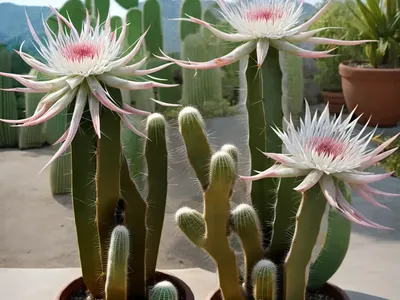
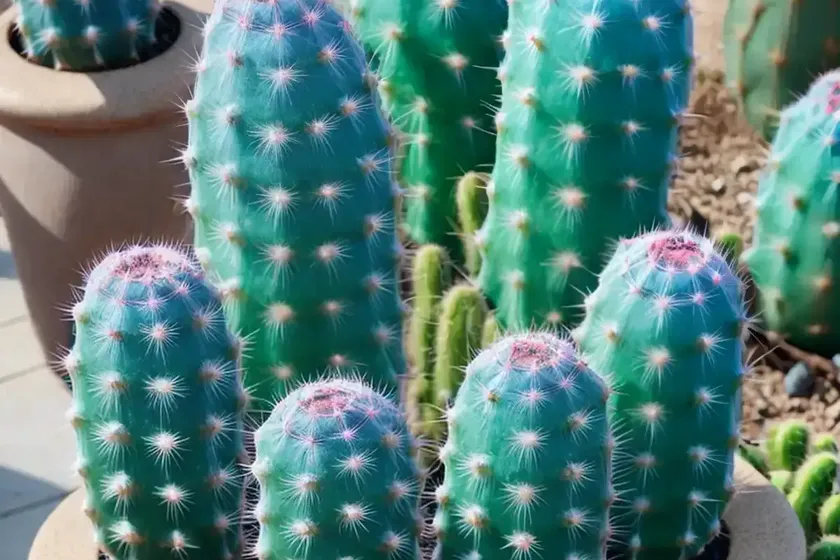
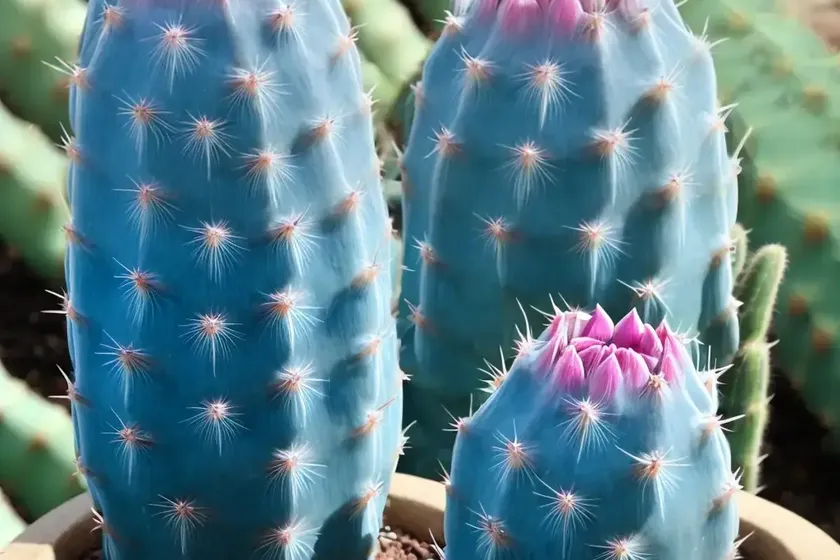
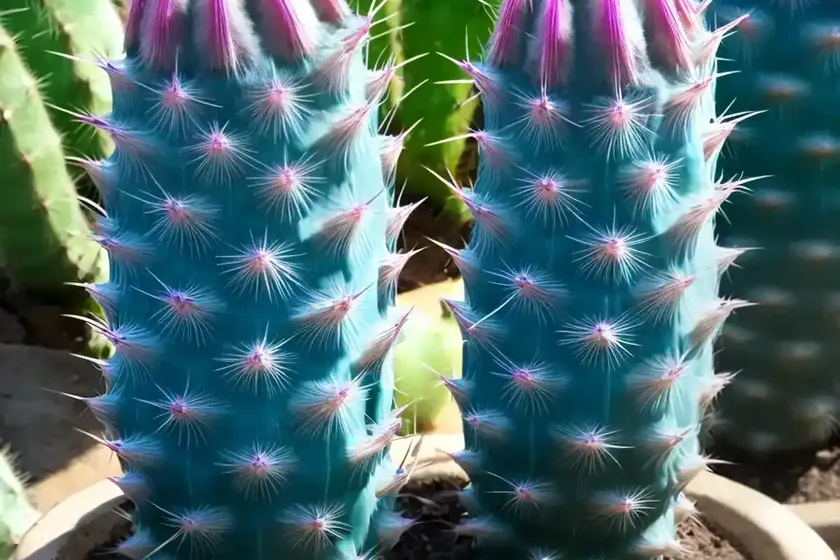
The Blue Torch Cactus, scientifically known as Pilosocereus pachycladus, is a species of cactus native to the rocky hillsides and mountains of Brazil. As a member of the Cactaceae family, it is characterized by its striking blue-green stems, which grow upright and can reach heights of up to 6 meters in its natural habitat. The plant’s cylindrical columns are adorned with clusters of sharp spines and small hairs, giving it a unique and visually appealing appearance.
Key Takeaways – Blue Torch Cactus (Pilosocereus pachycladus)
- Scientific Name: Pilosocereus pachycladus
- Common Name: Blue Torch Cactus
- Family: Cactaceae
- Native Habitat: Brazil
- Stem Color: Blue-green
- Maximum Height: Up to 6 meters
Culture of Blue Torch Cactus
Understanding the cultural significance and traditional uses of the Blue Torch Cactus provides valuable insights into its importance to various communities and ecosystems. Furthermore, it offers a deeper appreciation for this unique plant species.
Uses
The Blue Torch Cactus holds cultural and traditional significance in Brazil, where it is revered for its ornamental value and symbolic representation of resilience in the face of harsh environmental conditions. Additionally, certain indigenous communities have utilized different parts of the cactus for various purposes, including traditional medicine and food.
Growing Blue Torch Cactus
To successfully cultivate the Blue Torch Cactus, it is essential to understand and fulfill its specific requirements for water, sunlight, soil, and care maintenance. By doing so, it is possible to create an environment where this remarkable plant can thrive.
Water
The Blue Torch Cactus has adapted to arid environments and therefore has low water requirements. It prefers well-draining soil and should be watered sparingly, especially during the winter months. Overwatering can lead to root rot, so it’s crucial to allow the soil to dry out between watering sessions.
Sunlight
In its natural habitat, the Blue Torch Cactus is accustomed to bright, direct sunlight. When cultivated as a houseplant, it should be placed in a location that receives ample sunlight, such as a south-facing window. Providing sufficient sunlight is crucial for the cactus to thrive and maintain its iconic blue-green coloration.
Soil
The ideal soil for Blue Torch Cactus is a well-draining mix specifically formulated for cacti and succulents. These types of soils prevent water from accumulating around the roots, reducing the risk of root rot. Additionally, a slightly acidic to neutral pH level is recommended for optimal growth.
Fertilizer
During the growing season in spring and summer, the Blue Torch Cactus can benefit from a balanced, diluted fertilizer specifically designed for cacti and succulents. It is important to follow the manufacturer’s instructions and apply the fertilizer sparingly to avoid overfeeding the plant.
Pruning
Pruning requirements for the Blue Torch Cactus are minimal, primarily consisting of removing any dead or damaged stems. This should be done with caution, considering the sharp spines and hairs present on the plant. Wearing thick gloves is advisable when handling the cactus to avoid injury.
Propagation
Blue Torch Cactus can be propagated through stem cuttings. After allowing the cut end to callus, the cutting can be planted in a well-draining cactus mix to produce a new plant. It is important to keep the soil lightly moist during the rooting process.
Container
When grown as a potted plant, the Blue Torch Cactus requires a container with drainage holes to prevent water from accumulating at the bottom. The pot should be slightly larger than the root ball to allow for future growth and provide stability for the tall, columnar stems.
Popularity of Blue Torch Cactus
The Blue Torch Cactus has gained popularity amongst plant enthusiasts and collectors due to its unique appearance and relatively low maintenance requirements. Its striking blue-green stems and impressive stature make it an attractive addition to gardens, xeriscapes, and indoor plant collections.
Common Diseases and Pests
Although the Blue Torch Cactus is known for its resilience, it can still be susceptible to certain diseases and pests, especially when its care requirements are not adequately met.
Common Diseases
- Root Rot: Overwatering can lead to root rot in the Blue Torch Cactus, causing the plant to wilt and decline. To prevent this, it is crucial to ensure proper soil drainage and avoid excessive watering.
- Fungal Infections: Prolonged periods of high humidity or waterlogged soil can create conditions favorable for fungal infections in the cactus. Keeping the plant in a well-ventilated location and allowing the soil to dry out between waterings can help prevent fungal issues.
Common Pests
- Mealybugs: These small, white, cottony insects can infest the Blue Torch Cactus, especially in indoor settings. They typically cluster in the crevices of the plant and along the stems, sapping its vitality. Mealybug infestations can be addressed using natural predators, insecticidal soaps, or diluted alcohol for spot treatment.
Botanist’s Tips for Blue Torch Cactus Care
To ensure the successful cultivation of the Blue Torch Cactus, the following tips and recommendations from botanists can be invaluable:
- Provide Adequate Sunlight: Placing the cactus in a location with ample sunlight is crucial for maintaining its health and vibrant coloration.
- Use Well-Draining Soil: Utilize a specialized cactus and succulent mix that promotes excellent drainage to prevent waterlogging.
- Monitor Watering Closely: Avoid overwatering by allowing the soil to dry out between watering sessions. Adjust the frequency of watering based on environmental conditions.
- Protect from Frost: Since the Blue Torch Cactus is not frost-tolerant, it should be provided with protection or brought indoors during cold weather.
Fun Facts about Blue Torch Cactus
In addition to its remarkable appearance and cultural significance, the Blue Torch Cactus is associated with several intriguing and noteworthy facts:
- The name “Blue Torch Cactus” is derived from the striking blue-green color of its stems and their resemblance to torches.
- Certain species of birds have been observed nesting among the stems of Pilosocereus cacti, highlighting their ecological importance as habitat providers.
- The spines and hairs of the Blue Torch Cactus serve as a protective mechanism against herbivores and help reduce water loss through transpiration.
Links to External Resources
For further information on the Blue Torch Cactus and related topics, the following external resources can be valuable references:
- The Cactus and Succulent Society of America
- Royal Horticultural Society (RHS) – Cacti and Succulents
- Cactus Conservation Institute
Conclusion
The Blue Torch Cactus (Pilosocereus pachycladus) stands out as an exceptional plant species with its unique visual appeal, cultural significance, and adaptable nature. By understanding its specific requirements for water, sunlight, soil, and care maintenance, enthusiasts and horticulturists can create an environment where this remarkable cactus can thrive. Its resilience and striking appearance make it an attractive addition to gardens, collections, and landscapes, contributing to the rich tapestry of plant diversity.
In conclusion, the Blue Torch Cactus serves as a captivating example of nature’s ingenuity and the beauty of plant life in diverse ecosystems.
Keywords:
1. Pilosocereus pachycladus care
2. Blue torch cactus information
3. Growing Pilosocereus pachycladus
4. Blue torch cactus care tips
5. Pilosocereus pachycladus planting guide
6. Blue torch cactus characteristics
7. How to propagate Pilosocereus pachycladus
8. Pilosocereus pachycladus varieties
9. Blue torch cactus watering needs
10. Pilosocereus pachycladus sunlight requirements
11. Best soil for Blue torch cactus
12. Pilosocereus pachycladus pests and diseases
13. Blue torch cactus growth habits
14. Pilosocereus pachycladus pruning techniques
15. Blue torch cactus potting recommendations
16. Pilosocereus pachycladus fertilization
17. Blue torch cactus outdoor cultivation
18. Pilosocereus pachycladus indoor care
19. Blue torch cactus root system
20. Pilosocereus pachycladus blooming season
21. Blue torch cactus temperature tolerance
22. Pilosocereus pachycladus common names
23. Blue torch cactus landscape uses
24. Pilosocereus pachycladus habitat
25. Blue torch cactus native range
26. Pilosocereus pachycladus growth rate
27. Blue torch cactus container gardening
28. Pilosocereus pachycladus water conservation
29. Blue torch cactus winter protection
30. Pilosocereus pachycladus medicinal uses
31. Blue torch cactus companion plants
32. Pilosocereus pachycladus benefits
33. Blue torch cactus soil drainage
34. Pilosocereus pachycladus decorative features
35. Blue torch cactus container size
36. Pilosocereus pachycladus propagation methods
37. Blue torch cactus natural habitat
38. Pilosocereus pachycladus seed collection
39. Blue torch cactus potting soil type
40. Pilosocereus pachycladus drought tolerance
41. Blue torch cactus arid climate suitability
42. Pilosocereus pachycladus root rot prevention
43. Blue torch cactus sunlight exposure
44. Pilosocereus pachycladus landscape design ideas
45. Blue torch cactus aesthetic appeal
46. Pilosocereus pachycladus growth stages
47. Blue torch cactus xeriscape gardening
48. Pilosocereus pachycladus species information
49. Blue torch cactus pollination methods
50. Pilosocereus pachycladus thorns and spines