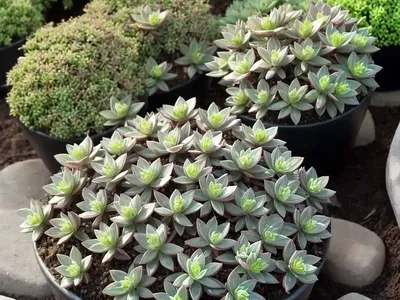
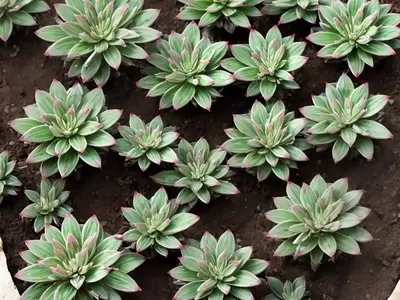
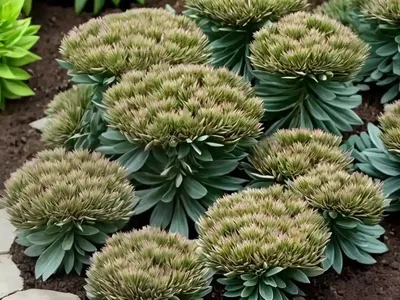
Golden Sedum (Sedum Adolphi)
Golden sedum, scientifically known as Sedum adolphi, is a delightful and low-maintenance succulent that has gained popularity among plant enthusiasts. With.
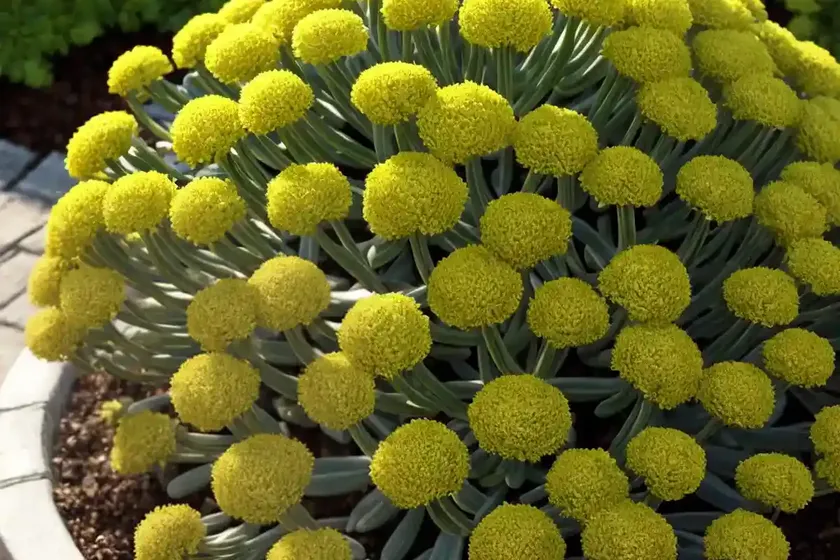
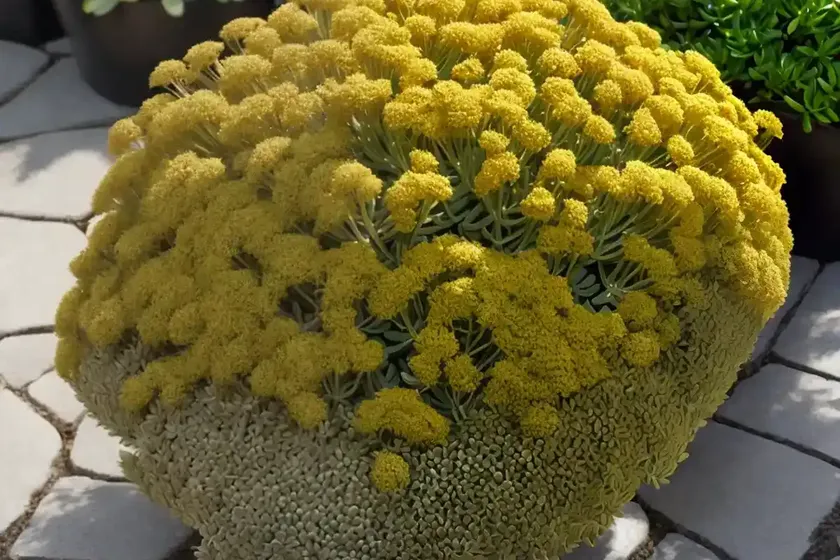
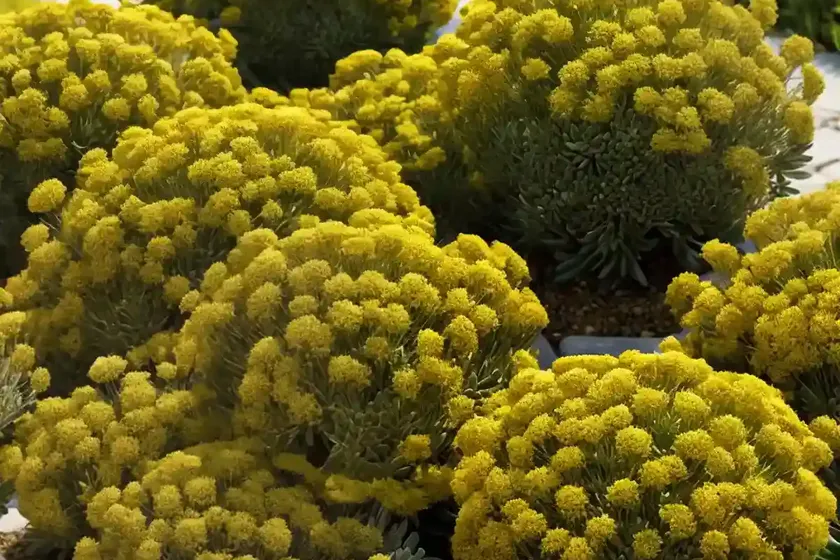
Golden sedum, scientifically known as Sedum adolphi, is a delightful and low-maintenance succulent that has gained popularity among plant enthusiasts. With its bright yellow-green foliage, sedum adolphi can add a touch of warmth and vibrancy to any garden or indoor space. In this comprehensive guide, we will explore the various aspects of caring for and growing golden sedum, including its culture, uses, maintenance requirements, and common diseases and pests. Let’s dive into the enchanting world of golden sedum and uncover the secrets to successfully nurturing this captivating succulent.
What is Golden Sedum (Sedum adolphi)?
Golden sedum, or Sedum adolphi, belongs to the family Crassulaceae and is native to Mexico. This succulent is characterized by its striking golden-yellow, fleshy leaves that form attractive rosettes, creating a visually appealing and eye-catching display. The leaves are more yellow in color when exposed to direct sunlight, making it a preferred choice for bright and sunny locations. Additionally, golden sedum produces small, star-shaped, yellow flowers during its blooming season, adding to its ornamental value.
Key Takeaways – Golden Sedum (Sedum adolphi)
Before delving into the details of caring for golden sedum, let’s take a quick look at the key takeaways associated with this charming succulent. Whether you are a beginner or seasoned gardener, understanding these crucial points will set the stage for successfully cultivating and enjoying the beauty of golden sedum in your surroundings.
Culture
- Golden sedum is a drought-tolerant succulent that thrives in arid and dry conditions.
- It is well-suited to both indoor and outdoor environments, making it a versatile choice for various cultivation settings.
- This succulent is ideal for xeriscaping and rock gardens, bringing texture and color to these landscapes.
Uses
- Golden sedum is a popular choice for ground cover due to its spreading habit and low-growing nature.
- It can be grown in containers, hanging baskets, and mixed succulent arrangements to create visually appealing compositions.
- The succulent is well-suited to Mediterranean and desert-themed gardens, contributing to a harmonious and cohesive aesthetic.
Water
- Golden sedum requires infrequent watering, allowing the soil to dry out between watering sessions to prevent overwatering.
- It is essential to avoid waterlogging, as excessive moisture can lead to root rot and other water-related issues.
Sunlight
- Golden sedum thrives in full sunlight, exhibiting its best coloration and growth when provided with ample sunshine.
- When grown indoors, it should be placed in a location with bright, indirect light to promote healthy growth and prevent etiolation.
Fertilizer
- This succulent has minimal fertilizer requirements and can thrive without frequent feeding.
- When applying fertilizer, it is advisable to use a balanced, diluted fertilizer during the growing season to support healthy and robust growth.
Soil
- Well-draining soil is essential for golden sedum, as it prevents water accumulation around the roots and ensures optimal growth conditions.
- It is recommended to use a specialized succulent or cactus potting mix, which provides the ideal balance of aeration and moisture retention.
Pruning
- Minimal pruning is required for golden sedum, primarily for maintenance and shaping purposes.
- Trimming back leggy or overgrown stems can help promote a more compact and tidy growth habit.
Propagation
- Golden sedum can be propagated through stem cuttings or leaf cuttings, offering an easy and accessible method for multiplying your plant collection.
Container Popularity
- The compact size and low maintenance requirements of golden sedum make it a popular choice for container gardening, both indoors and outdoors.
- Its resilience and adaptability make it suitable for various container sizes and types, adding versatility to container arrangements.
Common Diseases
- Golden sedum is relatively resistant to diseases, particularly when provided with proper growing conditions and care.
- However, overwatering and poor air circulation can lead to fungal diseases such as powdery mildew, which should be promptly addressed to prevent widespread infestations.
Common Pests
- The succulent is generally resilient against common plant pests, although occasional infestations of aphids or mealybugs may occur and should be managed using appropriate control methods.
Now that we have outlined the key takeaways of golden sedum, let’s delve deeper into each aspect to gain a comprehensive understanding of how to care for and nurture this captivating succulent.
Culture of Golden Sedum (Sedum adolphi)
Cultivating golden sedum entails understanding its specific culture requirements, which encompass its preferred growing conditions, adaptability to different environments, and overall resilience as a low-maintenance succulent. By adhering to these cultural considerations, you can ensure the optimal health and vigor of your golden sedum plants, allowing them to thrive and flourish in your chosen setting.
Growing Conditions
Golden sedum thrives in warm and dry climates, making it an excellent choice for regions with hot summers and mild winters. Its natural habitat in Mexico provides a valuable insight into its culture requirements, as it has evolved to withstand arid conditions and periods of drought. When recreating these conditions in cultivation, the following considerations should be taken into account:
-
Temperature: Golden sedum prefers moderate to warm temperatures and is hardy in USDA hardiness zones 9-11. It is essential to protect the plants from frost and cold temperatures, as prolonged exposure can lead to damage and reduced vitality.
-
Watering: While the succulent is drought-tolerant, it still requires occasional watering to sustain its growth and prevent dehydration. However, it is crucial to exercise restraint when watering, as excessive moisture can be detrimental to the plant’s health.
-
Soil: Well-draining soil is a non-negotiable requirement for golden sedum. A sandy, gritty, or cactus mix is ideal, as it allows excess water to drain away quickly, preventing waterlogged conditions that can lead to root rot.
-
Sunlight: Ample sunlight is crucial for promoting the characteristic golden coloration of the leaves. When grown outdoors, it thrives in full sun to partial shade, depending on local climate conditions and sun exposure.
-
Air Circulation: Good air circulation is essential for preventing fungal diseases and maintaining overall plant health. When growing golden sedum indoors, ensure proper ventilation and air movement in the vicinity of the plants.
Adaptability
One of the remarkable characteristics of golden sedum is its adaptability to various cultivation settings and environments. Whether grown indoors as a houseplant or incorporated into outdoor landscapes, this succulent exhibits remarkable resilience and vigor, provided that its basic cultural requirements are met. Its adaptability is showcased in the following contexts:
-
Indoor Environments: When grown indoors, golden sedum excels in settings with bright, indirect light or direct sunlight exposure. It can thrive as a potted plant, adding a touch of natural elegance to interior spaces.
-
Outdoor Landscapes: As an outdoor plant, golden sedum is well-suited to rock gardens, xeriscapes, and mixed succulent plantings. Its low-growing and spreading habit makes it an excellent choice for ground cover and erosion control in sunny garden beds.
Low Maintenance
One of the most appealing aspects of golden sedum is its low maintenance nature, making it an excellent choice for busy individuals or those new to gardening and plant care. By adhering to the basic principles of succulent care and providing the necessary growing conditions, golden sedum can thrive with minimal intervention, allowing you to enjoy its beauty without extensive upkeep.
With its adaptable nature and low maintenance requirements, golden sedum stands out as a versatile and resilient plant that can enhance a wide range of indoor and outdoor settings. Whether you are aiming to create a vibrant succulent garden or add a touch of greenery to your living space, this charming succulent offers a myriad of opportunities for cultivation and enjoyment.
Uses of Golden Sedum (Sedum adolphi)
Golden sedum, with its captivating appearance and versatile nature, offers a range of uses and applications in gardening, landscaping, and interior decor. Understanding the various ways in which this succulent can be utilized allows you to make informed decisions regarding its placement and integration into your desired environment. Let’s explore the diverse uses of golden sedum and discover its potential in different contexts.
Ground Cover
One of the primary uses of golden sedum is as a ground cover plant. Its low-growing and spreading habit makes it well-suited for filling in gaps in garden beds, cascading over rock walls, or creating a lush green carpet in sunny areas. The striking contrast of its golden foliage against the backdrop of soil or rocks adds visual interest and texture to the landscape, enhancing the overall appeal of the outdoor space.
Container Gardening
Golden sedum is a popular choice for container gardening, both indoors and outdoors. Its compact size and ability to thrive in confined spaces make it an excellent candidate for potted arrangements, succulent gardens, and mixed planters. Whether displayed solo in a decorative pot or combined with other succulents and cacti to create an eye-catching composition, golden sedum adds a touch of elegance and charm to any container garden.
Rock Gardens and Xeriscapes
In rock gardens and xeriscapes, golden sedum plays a valuable role in contributing to the aesthetic and functional aspects of these landscapes. Its ability to withstand dry conditions and thrive in rocky or sandy soils makes it an essential component of these specialized garden types. When nestled among boulders, gravel, or other succulents, golden sedum introduces visual appeal and a sense of vibrancy, enriching the overall design of the garden.
Erosion Control
Due to its spreading nature and tolerance for arid conditions, golden sedum is an effective plant for erosion control in areas prone to soil movement and instability. When planted on slopes, embankments, or other vulnerable locations, it forms a dense mat of foliage that helps stabilize the soil and prevent erosion, making it a valuable asset in landscaping and conservation efforts.
Mixed Succulent Arrangements
Golden sedum can be incorporated into mixed succulent arrangements to create visually captivating and diverse compositions. When combined with varying shapes, textures, and colors of succulents, it adds depth and contrast to the arrangement, enhancing its overall visual appeal. Whether in a terrarium, succulent wreath, or living wall, golden sedum contributes to the dynamic and captivating display of mixed succulents.
Indoor Decor
As an indoor plant, golden sedum brings a touch of nature and tranquility to interior spaces. Its compact size, low maintenance requirements, and attractive foliage make it an ideal choice for adorning windowsills, desks, and shelves. Whether displayed as a standalone specimen or part of a succulent arrangement, it infuses indoor settings with a sense of natural beauty and relaxation.
Drought-Tolerant Landscapes
In regions facing water scarcity and dry climate conditions, golden sedum serves as a valuable addition to drought-tolerant landscapes. Its ability to thrive with minimal water and its low water consumption make it a sustainable choice for water-wise gardening. By incorporating golden sedum into landscape designs that prioritize water conservation, you can create visually stunning and environmentally conscious outdoor spaces.
The diverse uses of golden sedum underscore its versatility and adaptability in a wide range of contexts, from functional landscaping applications to decorative and ornamental uses. Whether employed as a practical ground cover or showcased as a vibrant centerpiece, golden sedum offers a multitude of possibilities for enhancing outdoor and indoor environments with its unique charm and beauty.
Watering requirements for “Golden Sedum (Sedum adolphi)”
Watering is a critical aspect of golden sedum care, as it directly impacts the plant’s health, growth, and overall well-being. Understanding the specific watering needs of golden sedum is essential for providing optimal growing conditions and preventing moisture-related issues such as root rot and dehydration. By adhering to appropriate watering practices, you can ensure the long-term vitality and vigor of your golden sedum plants.
Frequency of Watering
Golden sedum is considered a drought-tolerant succulent, meaning that it can withstand periods of limited water availability and thrives in arid conditions. As a result, it is crucial to adjust your watering frequency to align with the plant’s natural adaptation to dry environments. The following guidelines can help you determine the appropriate watering schedule for your golden sedum:
-
During the Growing Season: In spring and summer, when the plant is actively growing, you can water it approximately once every 1-2 weeks, depending on environmental factors such as temperature, sunlight exposure, and soil moisture levels. It is important to allow the soil to dry out between watering sessions to prevent soil saturation, which can lead to root rot.
-
In Winter: As golden sedum enters a period of reduced growth in the winter months, its water requirements diminish accordingly. During this dormant phase, water sparingly, allowing the soil to dry out almost completely between watering intervals. The goal is to strike a balance between providing sufficient moisture to prevent desiccation and avoiding excessive wetness that can harm the plant.
Watering Technique
When watering golden sedum, it is essential to apply water directly to the soil around the plant’s base, rather than overhead or on the foliage. This targeted approach ensures that the roots receive the necessary moisture without subjecting the leaves to prolonged wetness, which can increase the risk of fungal diseases.
Signs of Overwatering and Underwatering
To gauge the watering needs of your golden sedum accurately, it is crucial to observe the plant for signs of overwatering or underwatering. Understanding these indicators allows you to make timely adjustments to your watering routine and address any issues that may arise. The following signs can help you identify whether your golden sedum is receiving the appropriate amount of water:
-
Overwatering: Symptoms of overwatering include wilting, yellowing or browning of the leaves, and soft, mushy stems. The soil may become waterlogged, leading to a foul odor and increased susceptibility to root rot and fungal diseases.
-
Underwatering: When the plant is underwatered, the leaves may become wrinkled, shriveled, or dry. Additionally, the foliage may lose its vibrant coloration and appear dull or faded. In severe cases, prolonged underwatering can cause leaf drop and stunted growth.
By remaining attentive to the watering needs of your golden sedum and adjusting your watering regimen accordingly, you can promote healthy growth and thriving conditions for this captivating succulent.
Sunlight Requirements for “Golden Sedum (Sedum adolphi)”
Sunlight is a crucial factor in the growth and well-being of golden sedum, playing a pivotal role in promoting the plant’s characteristic golden coloration, robust growth, and overall vitality. Understanding the sunlight requirements of golden sedum is essential for providing the ideal light conditions necessary for its optimal development and visual appeal. By tailoring its exposure to the appropriate sunlight levels, you can ensure that your golden sedum thrives and showcases its stunning foliage to full advantage.
Full Sun Exposure
Golden sedum exhibits its best coloration and growth when provided with ample sunlight, particularly in the form of direct, unobstructed exposure to the sun. In regions with mild to hot climates, the succulent benefits from full sun conditions, where it can bask in the sun’s rays and harness the energy necessary for photosynthesis and physiological processes. When grown outdoors, consider the following guidelines for providing the ideal sunlight exposure for your golden sedum:
-
Outdoor Placement: Select a location that receives full sun for the majority of the day, ensuring that your golden sedum is bathed in sunlight to promote optimal growth and color development. South-facing or west-facing areas typically offer the best sun exposure for succulents, allowing them to thrive under bright and warm conditions.
-
Indoor Lighting: When cultivating golden sedum indoors, position the plants in a spot with bright, indirect light or partial direct sunlight. A south-facing window is usually the best choice for providing sufficient light levels for indoor-grown succulents, allowing them to receive the equivalent of full sun exposure through the window.
Sunlight Intensity
The intensity of sunlight can vary depending on factors such as geographical location, climate, and time of year. Understanding the nuances of sunlight intensity can help you gauge the optimal conditions for your golden sedum and make informed decisions regarding its placement and care. Consider the following aspects related to sunlight intensity:
-
Summer Sun: During the summer months, when the sun’s intensity is at its peak, it is essential to ensure that your golden sedum receives adequate protection from excessive heat and potential sunburn. Providing some shade during the hottest part of the day can prevent the succulent from becoming overheated and experiencing stress.
-
Winter Sun: In winter, when the sunlight is less intense and the days are shorter, your golden sedum may require additional exposure to compensate for the reduced light levels. Monitor the plant’s growth and coloration to assess whether it is receiving sufficient sunlight during this period.
Adjusting Sunlight Exposure
It is important to observe how your golden sedum responds to its current sunlight exposure and make adjustments as needed to optimize its growing conditions. By paying close attention to the plant’s appearance and behavior, you can ensure that it receives the appropriate amount of sunlight for its specific requirements. Consider the following strategies for adjusting sunlight exposure:
-
Monitoring Leaf Color: The coloration of the leaves serves as a reliable indicator of the succulent’s sunlight needs. If the leaves appear pale or greenish, it may indicate that the plant is not receiving enough sun. Conversely, if the leaves develop a vibrant golden hue, it suggests that the sunlight levels are sufficient.
-
Rotating the Plant: When growing golden sedum indoors, periodically rotate the plant to ensure that all sides receive uniform sunlight exposure. This practice prevents the development of uneven growth or leaning tendencies, promoting balanced and symmetrical habits.
By meeting the sunlight requirements of your golden sedum and providing the necessary light levels for its optimal growth, you can enjoy a display of vibrant, golden foliage that enhances the visual appeal of your garden or indoor space.
Fertilization Requirements for “Golden Sedum (Sedum adolphi)”
Fertilization is an important aspect of golden sedum care, as it provides essential nutrients that support the succulent’s growth, vigor, and overall health. Understanding the specific fertilization requirements of golden sedum allows you to supply the plant with the necessary elements for robust development and vibrant coloration. By applying fertilizer judiciously and in accordance with the plant’s needs, you can ensure that your golden sedum thrives and flourishes in its chosen environment.
Nutrient Needs
Golden sedum, like other succulents, has modest nutrient requirements and thrives without heavy feeding. However, providing a balanced and diluted fertilizer during the growing season can bolster its growth and ensure that it possesses the necessary nutrients for achieving optimal aesthetic and physiological attributes. Consider the following nutrients that are important for golden sedum’s well-being:
-
Nitrogen (N): Nitrogen supports leaf and stem growth, promoting the lush development of the succulent’s foliage. An adequate supply of nitrogen helps maintain vibrant and healthy leaves, contributing to the overall visual appeal of the plant.
-
Phosphorus (P): Phosphorus is essential for root development and flowering, enabling the plant to establish a strong and resilient root system. Additionally, it supports the production of flowers, contributing to the ornamental value of the succulent.
-
Potassium (K): Pot