Glebionis Segetum (Glebionis Segetum)
The world of plants is truly magnificent, and the Glebionis segetum (Glebionis segetum) is no exception. Also known as the corn marigold or corn daisy.
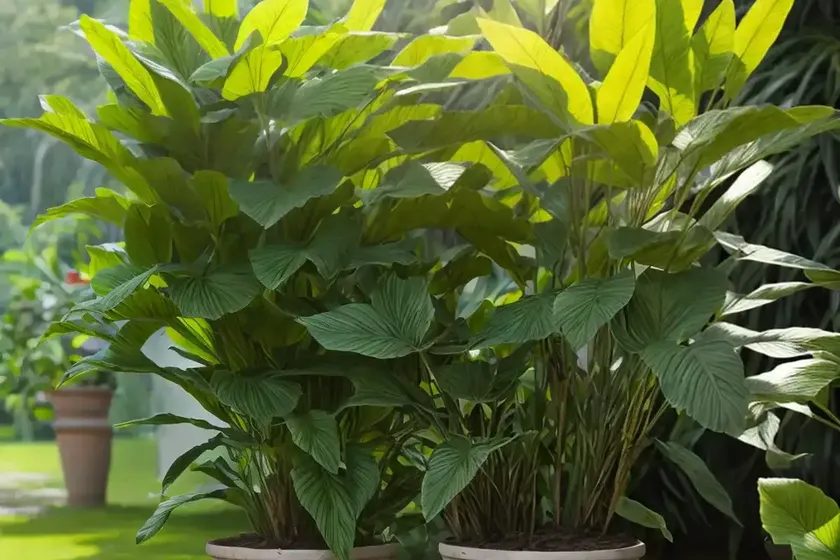
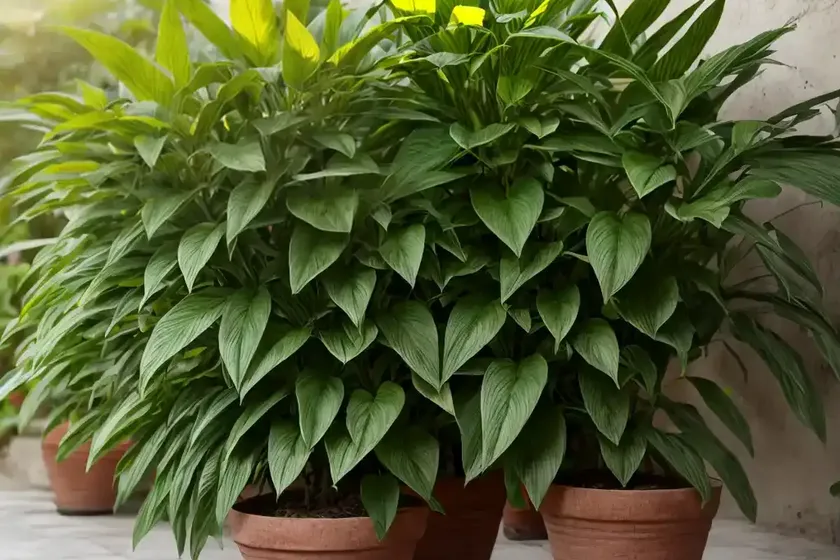
The world of plants is truly magnificent, and the Glebionis segetum (Glebionis segetum) is no exception. Also known as the corn marigold or corn daisy, this plant is rich in history, symbolism, and ecological significance. In this comprehensive guide, we will explore important aspects related to Glebionis segetum, including its cultivation, uses, folklore, and much more. Let’s dive into the world of this captivating plant.
What is Glebionis Segetum (Glebionis segetum)?
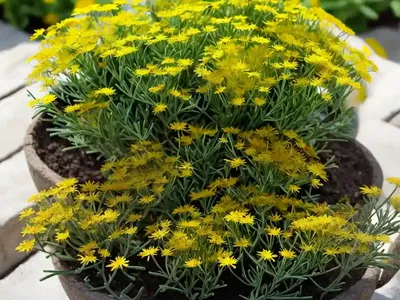
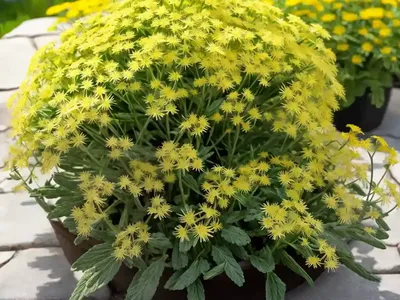
Glebionis segetum, commonly known as corn marigold or corn daisy, is a flowering plant belonging to the Asteraceae family. It is native to Europe and Asia. This plant is blessed with bright yellow flowers and has a long history of cultivation and traditional uses.
Key Takeaways
Here are some key takeaways about Glebionis segetum:
- Family: Asteraceae
- Common Names: Corn marigold, corn daisy
- Native Range: Europe, Asia
- Flower Color: Bright yellow
- Ecological Significance: Important for pollinators
- Traditional Uses: Medicinal and folklore significance
With a basic understanding of what Glebionis segetum is, let’s move on to explore its culture and cultivation.
Culture
Cultivating Glebionis segetum requires a keen understanding of its specific needs, including water, sunlight, fertilizer, soil, and pruning. Let’s delve into each of these aspects to ensure the successful growth of this fascinating plant.
Water
Glebionis segetum thrives in well-drained soil and requires moderate watering. It is important to avoid overwatering, as this can lead to root rot. A good practice is to water the plant when the top layer of soil feels dry to the touch.
Sunlight
This plant loves sunlight and should be placed in an area that receives full sun. Providing ample sunlight is crucial for the healthy growth and abundant flowering of Glebionis segetum.
Fertilizer
Applying a balanced fertilizer during the growing season can enhance the growth and flowering of Glebionis segetum. A general-purpose fertilizer can be applied according to the manufacturer’s instructions.
Soil
Glebionis segetum thrives in well-drained, fertile soil. Adding organic matter to the soil can improve its texture and fertility, providing an ideal growing environment for the plant.
Pruning
Pruning can help maintain the shape of the plant and promote healthy growth. Deadheading the spent flowers can also encourage the production of new blooms.
With a good understanding of the cultural requirements of Glebionis segetum, let’s explore its propagation, uses, and other interesting aspects.
Propagation
Propagating Glebionis segetum can be achieved through various methods, including seed propagation and division. Here are some common methods for propagating this plant:
- Seed Propagation: Glebionis segetum can be propagated from seeds. Sow the seeds in well-prepared soil, and keep them moist until germination occurs.
- Division: Clumps of Glebionis segetum can be divided to create new plants. This can be done during the plant’s active growth period.
Uses
Glebionis segetum has a rich history of traditional uses, including medicinal and culinary applications. Let’s explore some of the primary uses of this fascinating plant.
Medicinal Uses
In traditional medicine, Glebionis segetum has been used for various medicinal purposes. It is believed to possess certain beneficial properties that have made it a part of traditional remedies.
Culinary Uses
While not as widely recognized for culinary purposes, some cultures have incorporated Glebionis segetum into traditional dishes. It’s important to note that proper identification and preparation are crucial before consuming any plant for culinary purposes.
Popularity in Containers
Glebionis segetum can thrive in containers, making it a popular choice for container gardening. Its bright yellow flowers can add a cheerful touch to any patio or garden space.
Common Diseases
Like all plants, Glebionis segetum is susceptible to certain diseases. Being aware of these potential diseases can help in their prevention and management.
Disease Diagnosis
Some common diseases that may affect Glebionis segetum include powdery mildew, root rot, and leaf spot diseases. Proper diagnosis and timely intervention can help in addressing these issues effectively.
Common Pests
Pests can pose a threat to the health of Glebionis segetum. Here are some common pests that may affect this plant:
- Aphids: These small, sap-sucking insects can cause damage to the plant by feeding on its sap.
- Spider Mites: These tiny pests can infest the plant and cause discoloration and damage to the leaves.
- Caterpillars: Certain caterpillar species may feed on the foliage of Glebionis segetum, causing visible damage.
Botanist’s Tips
It’s important to regularly inspect the plant for signs of pest infestation and take appropriate measures to address the issue. Natural predators, insecticidal soaps, and other eco-friendly pest control methods can be employed to manage pest problems.
Fun Facts
To further enrich our understanding of Glebionis segetum, here are some fascinating fun facts about this plant:
- The bright yellow flowers of Glebionis segetum can attract a wide variety of pollinators, including bees and butterflies.
- In folklore, the presence of corn marigold was believed to bring good luck and prosperity. It was often associated with positive symbolism in traditional beliefs.
Links to External Resources
For further exploration of Glebionis segetum and related topics, here are some valuable external resources:
- Royal Botanic Gardens, Kew
- Missouri Botanical Garden
- The American Phytopathological Society
- The Wildlife Trusts
By delving into the culture, uses, folklore, and ecological significance of Glebionis segetum, we can truly appreciate the marvels of this captivating plant. Whether in a garden bed or a container, the bright and cheerful presence of corn marigold adds a touch of natural beauty to any environment. As we continue to explore the wonders of the plant kingdom, it’s important to embrace the rich history and significance of each plant we encounter.