Giant Chalk Dudleya (Dudleya Brittonii)
Plants are incredible organisms that add beauty and tranquility to our surroundings. From towering trees to tiny succulents, the diversity of plants is.
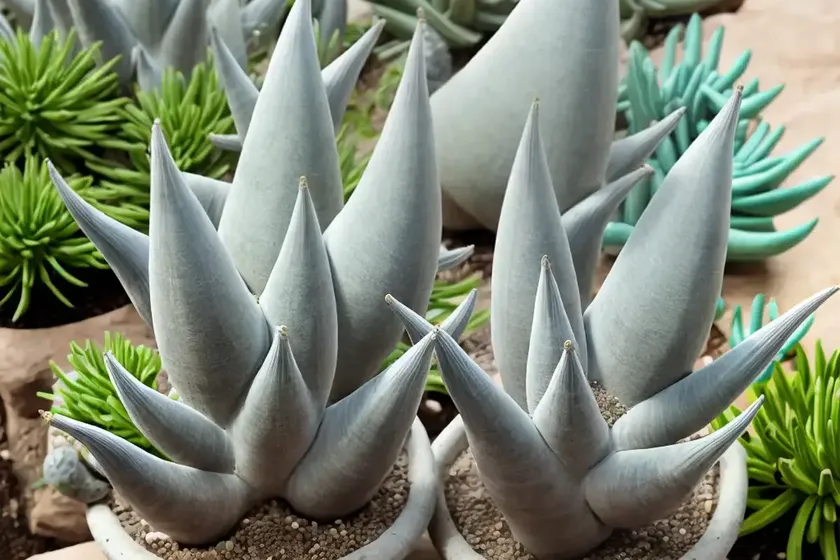
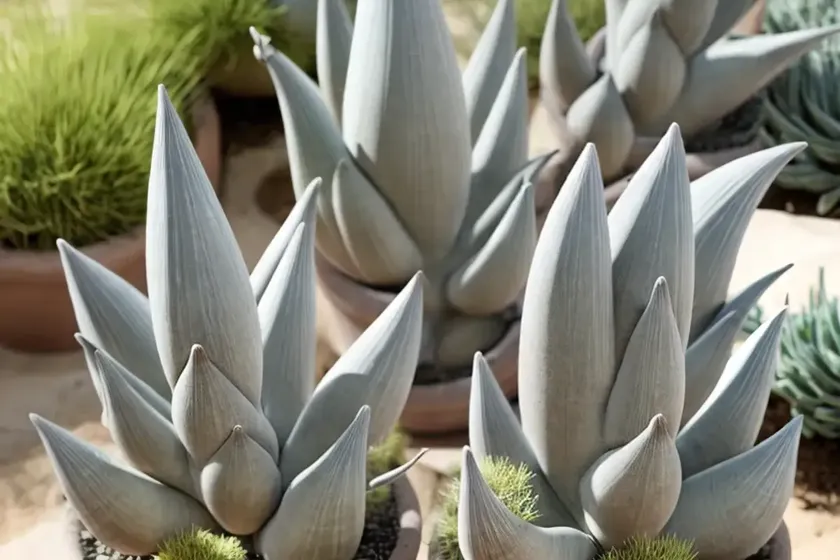
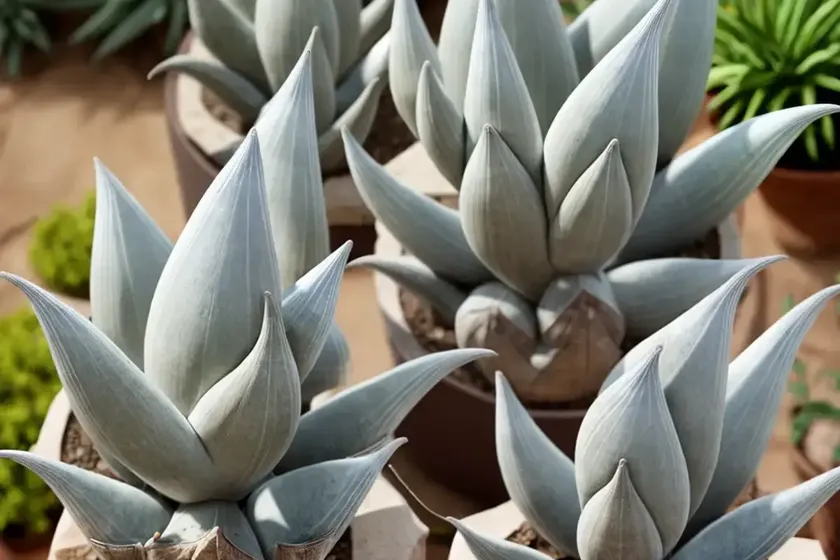
Plants are incredible organisms that add beauty and tranquility to our surroundings. From towering trees to tiny succulents, the diversity of plants is astounding. One such unique and remarkable plant is the Giant Chalk Dudleya (Dudleya brittonii). In this comprehensive care guide, we will delve into all aspects of nurturing and appreciating this stunning succulent.
What is Plant: Giant Chalk Dudleya (Dudleya brittonii)?
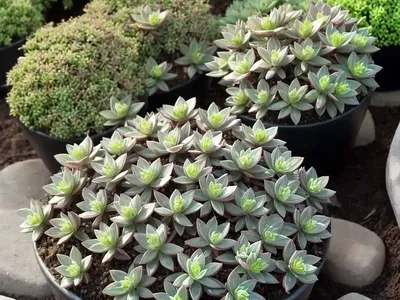
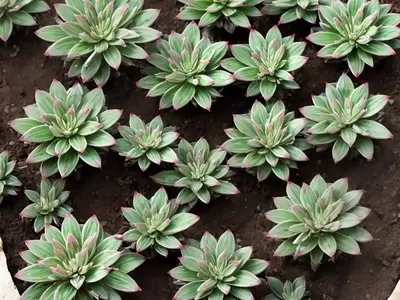
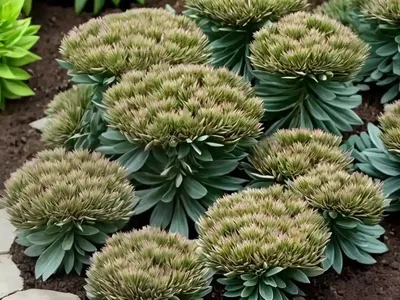
The Giant Chalk Dudleya (Dudleya brittonii) is a striking succulent that belongs to the family Crassulaceae and is native to the coastal bluffs of northern Baja California. This plant is well-known for its rosette of chalky, pale green leaves and its impressive bloom of bright yellow flowers. Its unique appearance and relatively low maintenance requirements make it a popular choice among succulent enthusiasts and gardeners alike.
Key Takeaways – Giant Chalk Dudleya (Dudleya brittonii)
Before delving into the specifics of caring for the Giant Chalk Dudleya, let’s highlight some key takeaways:
- Plant Name: Giant Chalk Dudleya (Dudleya brittonii)
- Family: Crassulaceae
- Native to: Coastal bluffs of northern Baja California
- Distinctive Features: Chalky, pale green leaves and bright yellow flowers
- Popularity: Popular among succulent enthusiasts and gardeners for its unique appearance
Now, let’s explore the various aspects of nurturing this remarkable succulent.
Culture
Cultivating the Giant Chalk Dudleya involves understanding its cultural requirements, including aspects such as water, sunlight, soil, and fertilizer needs.
Uses
The uses of the Giant Chalk Dudleya extend beyond its ornamental value. This succulent has been traditionally utilized for various purposes, including:
- Ornamental Planting: Its striking appearance makes it an excellent choice for ornamental planting in gardens and landscapes.
- Erosion Control: Due to its ability to withstand coastal conditions, it is often used for erosion control along coastal areas.
- Habitat Restoration: In its native habitat, efforts have been made to use Dudleya brittonii in habitat restoration projects to preserve the natural ecosystem.
Water
Watering Requirements
Dudleya brittonii is adapted to arid conditions and is highly susceptible to root rot if overwatered. The key to successful watering is to mimic its natural habitat, providing periods of drought between thorough watering.
- Frequency: Water deeply but infrequently, allowing the soil to dry out completely between waterings.
- Watering Technique: Use a soak and dry method, ensuring that excess water drains freely from the pot.
- Seasonal Adjustments: Reduce watering during the cooler months to prevent excess moisture retention in the soil.
Sunlight
Sun Exposure
Proper sunlight exposure is essential for the healthy growth of the Giant Chalk Dudleya.
- Optimal Conditions: Place the succulent in a location that receives full sunlight, especially during the morning hours when the light is less intense.
- Protection from Heat: In regions with extremely hot temperatures, provide some protection from the harsh afternoon sun to prevent sunburn on the leaves.
Fertilizer
Fertilization Tips
While Dudleya brittonii is not heavy feeder, providing it with some nutrients can support its overall health and vigor.
- Fertilizer Type: Use a balanced, low-nitrogen liquid fertilizer diluted to half strength.
- Application Frequency: Fertilize the plant sparingly during the growing season, typically once every 2-3 months.
- Avoid Excess: Do not over-fertilize, as this can lead to excessive vegetative growth and compromise the plant’s natural form.
Soil
Soil Requirements
The right soil composition is crucial for the success of Dudleya brittonii.
- Well-draining Soil: Plant the succulent in a well-draining mix, such as a combination of coarse sand, perlite, and a minimal amount of organic matter.
- Avoid Water Retention: Prevent waterlogging by ensuring that the soil does not hold excess moisture for prolonged periods.
- Soil pH: Aim for a slightly acidic to neutral pH range, typically between 6.0 to 7.0.
Pruning
Pruning is essential for maintaining the appearance and health of the Giant Chalk Dudleya.
- Leaf Removal: Periodically remove any dead or damaged leaves from the plant to maintain its visual appeal and prevent the spread of diseases.
- Bloom Stalks: After the flowering period, trim the spent bloom stalks to encourage a tidy appearance and conserve the plant’s energy.
Propagation
Propagating Dudleya brittonii can be an engaging and rewarding process for plant enthusiasts.
Propagation Methods
- Offsets: Remove and root the offsets that form around the base of mature plants.
- Leaf Cuttings: Take leaf cuttings and allow them to callus before planting them in a suitable propagation medium.
- Seeds: Propagate from seeds, but note that this method requires patience and time for the seedlings to mature.
Container Popularity
The Giant Chalk Dudleya is highly favored for container planting due to its compact size and ornamental value.
Container Gardening Tips
- Container Type: Choose a container with adequate drainage holes to prevent waterlogging.
- Well-Draining Soil: Use a well-draining potting mix specifically formulated for succulents and cacti.
- Container Size: Select a container that provides ample room for the plant’s root system to spread out while still maintaining a proportionate appearance.
Common Diseases
Understanding and identifying common diseases is essential for maintaining the health of Dudleya brittonii.
Disease Diagnosis
- Root Rot: Overwatering or poorly-draining soil can lead to root rot, presenting as dark, mushy roots and a wilting appearance.
- Powdery Mildew: This fungal disease appears as powdery white spots on the leaves and can be addressed with appropriate fungicidal treatments.
- Leaf Spot: Fungal or bacterial leaf spots may occur, appearing as discolored areas on the leaves. Remove affected leaves and adjust watering practices to prevent further spread.
Common Pests
While the Giant Chalk Dudleya is relatively resistant to pests, occasional infestations may occur.
Pest Control
- Aphids and Mealybugs: These common succulent pests can be managed through the application of insecticidal soap or neem oil.
- Spider Mites: Regularly inspect the undersides of the leaves for signs of spider mite activity, and address infestations promptly through spraying with water or applying horticultural oil.
Botanist’s Tips
For those passionate about preserving and appreciating the natural world, here are some additional tips for cultivating and nurturing Dudleya brittonii.
- Habitat Awareness: Consider the conservation status of Dudleya brittonii and support efforts to protect its natural habitat.
- Species Diversity: Explore the various Dudleya species, and consider incorporating different varieties into your gardening projects to promote species diversity.
- Educational Outreach: Share your knowledge and enthusiasm for succulents with others to foster a deeper appreciation for these remarkable plants.
Fun Facts
Let’s uncover some fascinating and lesser-known facts about the Giant Chalk Dudleya:
- Monocarpic Nature: Dudleya brittonii is monocarpic, meaning that it flowers, sets seed, and then slowly dies, but not before producing offsets to continue its legacy.
- Coastal Adaptation: This succulent’s natural habitat along the coastal bluffs showcases its remarkable ability to thrive in challenging and dynamic environments.
- Botanical Interest: Dudleya brittonii has garnered attention from botanists and plant enthusiasts for its unique morphology and ecological significance.
Links to External Resources
For further exploration and enrichment, consider exploring the following external resources:
- Dudleya brittonii: A Closer Look at a Unique Species
- Succulent Propagation Techniques for Beginners
- Conservation and Habitat Preservation Efforts for Dudleya Species
In conclusion, the Giant Chalk Dudleya (Dudleya brittonii) is an exceptional plant that offers both ornamental beauty and ecological significance. By understanding and implementing proper care techniques, enthusiasts and gardeners can cultivate and appreciate the splendor of this remarkable succulent. Whether in a garden setting or within a carefully curated container, the unique attributes of Dudleya brittonii make it a captivating addition to any plant collection.
Remember to always respect and support the conservation of native plant species and their habitats, allowing future generations to experience the wonder of these remarkable plants.