Ghost Plant (Graptopetalum Paraguayense)
Plants play a crucial role in our ecosystem, providing oxygen, food, and beauty to the world around us. One such fascinating plant is the Ghost Plant.
Introduction
Plants play a crucial role in our ecosystem, providing oxygen, food, and beauty to the world around us. One such fascinating plant is the Ghost Plant, scientifically known as Graptopetalum paraguayense. This unique succulent has gained popularity in recent years due to its stunning appearance and low-maintenance nature. In this comprehensive guide, we will delve into the various aspects of caring for the Ghost Plant, including its culture, uses, propagation, common diseases, and much more.
What is the Ghost Plant (Graptopetalum paraguayense)?
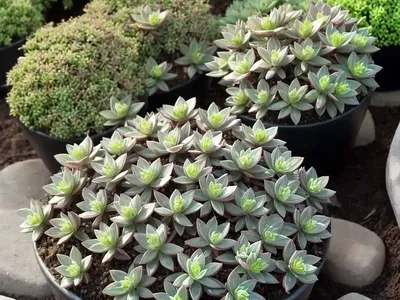
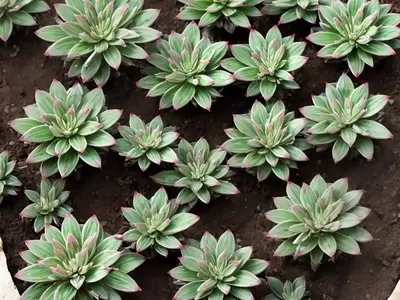
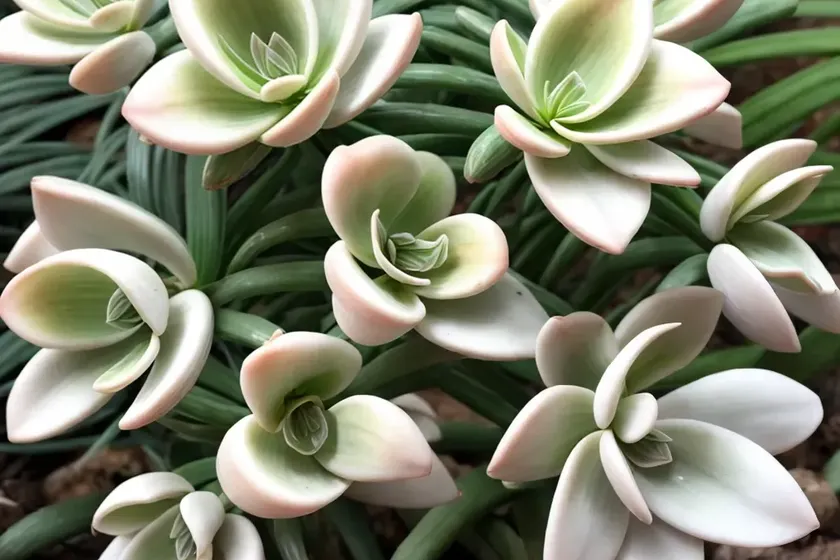
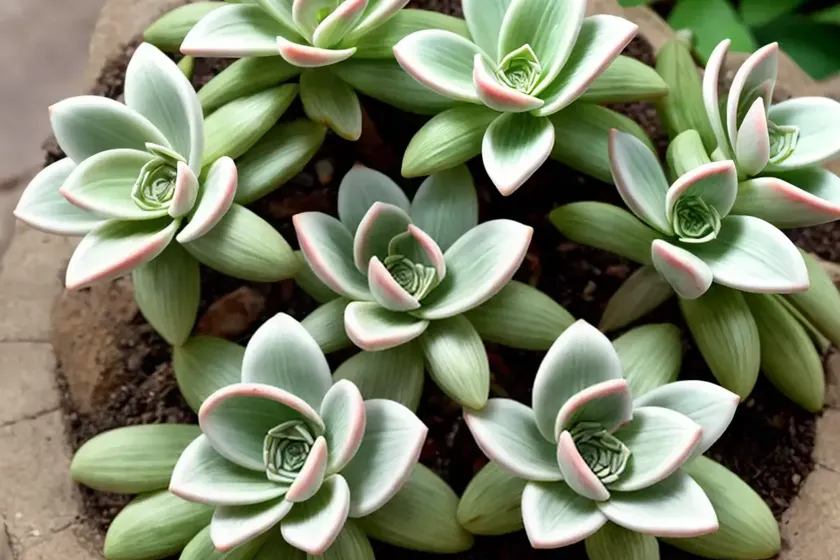
The Ghost Plant, or Graptopetalum paraguayense, is a species of succulent plant in the Crassulaceae family. It is native to Mexico and is known for its rosettes of thick, fleshy leaves that give it a ghostly appearance, hence its name. The unique foliage of the Ghost Plant ranges in color from pale silvery-grey to bluish-green, with hints of pink or purple under stress conditions. This striking coloration makes it a popular choice for both indoor and outdoor gardening.
Key Takeaways – Ghost Plant (Graptopetalum paraguayense)
Culture
- The Ghost Plant is well-suited to a variety of climates and is known for its adaptability.
- It is a drought-tolerant plant, making it ideal for arid environments.
Uses
- The Ghost Plant is commonly used in rock gardens, xeriscaping, and as a groundcover due to its low water requirements and trailing growth habit.
Water
- Ghost Plants have low water needs and are susceptible to root rot if overwatered. Therefore, it’s crucial to allow the soil to dry out between waterings.
Sunlight
- These succulents thrive in bright, indirect sunlight and can also tolerate partial shade.
Fertilizer
- Ghost Plants have minimal fertilizer requirements and can thrive in nutrient-poor soils. A balanced, water-soluble fertilizer diluted to half-strength can be applied during the growing season.
Soil
- Well-draining soil is essential for the Ghost Plant. A mixture of cactus potting mix and perlite or sand is suitable for promoting optimal growth.
Pruning
- Occasional pruning is necessary to remove dead leaves and encourage a compact, bushy growth habit.
Propagation
- The Ghost Plant can be propagated from leaf or stem cuttings, allowing for easy expansion of your succulent collection.
Container Popularity
- Its trailing nature makes the Ghost Plant a popular choice for hanging baskets and container gardens.
Common Diseases
- Overwatering can lead to root rot, while inadequate air circulation may cause fungal diseases.
Disease Diagnosis
- Symptoms of disease in Ghost Plants include wilting, discoloration, or the presence of mold on the leaves or stem.
Common Pests
- Mealybugs and aphids are common pests that may affect Ghost Plants. Regular inspection and treatment with horticultural oil can help prevent infestations.
Botanist’s Tips
- Avoid overcrowding when planting Ghost Plants to promote good air circulation and prevent the onset of diseases.
Fun Facts
- Ghost Plants are known to exhibit stress colors, with their foliage taking on shades of red or purple under certain conditions.
Now that we have addressed the key takeaways, let’s delve deeper into the care and maintenance of the Ghost Plant.
Ghost Plant Care
Graptopetalum paraguayense
Graptopetalum paraguayense, commonly known as the Ghost Plant, is a succulent species belonging to the family Crassulaceae. This resilient plant is characterized by its striking silver-grey leaves and trailing growth habit, making it a popular choice for both indoor and outdoor settings.
Ghost Plant Propagation
Propagation is a fantastic way to expand your Ghost Plant collection and share the beauty of these unique succulents with others. The Ghost Plant can be propagated from both leaf and stem cuttings, offering gardeners flexibility in their propagation methods.
Best Soil for Ghost Plants
The Ghost Plant thrives in well-draining soil that mimics its natural habitat. A blend of cactus potting mix with perlite or coarse sand allows excess moisture to escape, reducing the risk of root rot and other soil-related issues.
Watering Ghost Plants
Proper watering is crucial for the health of your Ghost Plant. Overwatering should be avoided, as it can lead to root rot and other moisture-related problems. Allowing the soil to dry out between watering sessions is essential for maintaining the overall health of the plant.
Ghost Plant Sunlight Requirements
Adequate sunlight is essential for the Ghost Plant to thrive. These succulents prefer bright, indirect sunlight and can also tolerate partial shade. Placing them near a south-facing window or providing filtered light outdoors can promote healthy growth.
How to Repot a Ghost Plant
Regular repotting can help ensure the continued health and vigor of your Ghost Plant. When repotting, it’s crucial to use well-draining soil and provide a container with adequate drainage holes to prevent waterlogging.
Ghost Plant Pests and Diseases
Mealybugs and aphids are common pests that may affect Ghost Plants, while overwatering can lead to root rot and fungal diseases. Regular inspection and appropriate treatment measures can help maintain the plant’s health.
Indoor Ghost Plant Care
The Ghost Plant is well-suited for indoor environments, provided it receives adequate sunlight and proper care. Its compact growth habit and stunning foliage make it an excellent choice for indoor succulent arrangements.
Ghost Plant Varieties
There are several stunning varieties of Graptopetalum paraguayense available, each with its unique coloration and growth habits. These varieties offer diversity and interest to collections of succulent plants.
Ghost Plant Succulent
As a member of the succulent family, the Ghost Plant stores water in its leaves, enabling it to survive in arid conditions. Its succulent nature makes it an excellent choice for water-wise gardening.
Ghost Plant Hanging Basket
The trailing growth habit of the Ghost Plant makes it an ideal candidate for hanging baskets, adding a touch of elegance and charm to any indoor or outdoor space.
Ghost Plant Leaves Turning Red
Under specific stress conditions, such as prolonged exposure to direct sunlight or drought, the leaves of the Ghost Plant may develop red or purple hues. This natural response adds interest and beauty to the plant.
Ghost Plant Trailing
The trailing growth habit of the Ghost Plant makes it a favorite for cascading arrangements and hanging containers. Its cascading stems create a visually stunning display in both indoor and outdoor settings.
Ghost Plant Potting Mix
A well-draining potting mix is essential for promoting the health and longevity of your Ghost Plant. A combination of cactus potting mix and perlite or sand creates an ideal growing medium.
Ghost Plant Fertilization
Ghost Plants have minimal fertilizer requirements and can thrive in nutrient-poor soils. A balanced, water-soluble fertilizer diluted to half-strength can be applied during the growing season to support healthy growth.
Ghost Plant Pot Size
When selecting a pot for your Ghost Plant, opt for a container with adequate drainage holes and room for the plant’s roots to spread. The right pot size can contribute to the overall health and vitality of the plant.
Ghost Plant Drought Tolerance
The Ghost Plant exhibits remarkable drought tolerance, making it an excellent choice for water-wise gardening and arid climates. Its ability to store water in its leaves enables it to withstand extended periods of dryness.
Ghost Plant in Rock Gardens
The low water requirements and striking appearance of the Ghost Plant make it a perfect addition to rock gardens, where its silvery-grey foliage creates a beautiful contrast against the rugged backdrop of stones and pebbles.
Ghost Plant Groundcover
The trailing growth habit of the Ghost Plant makes it an ideal groundcover for dry, sunny areas. When planted en masse, it forms a beautiful, low-maintenance carpet of succulent foliage.
Ghost Plant as a Houseplant
The Ghost Plant’s compact size, low water needs, and eye-catching appearance make it an excellent choice for indoor cultivation. Its adaptability to different light conditions further enhances its appeal as a houseplant.
Ghost Plant in Terrariums
The Ghost Plant can thrive in terrarium environments, providing a unique and visually appealing element to these enclosed ecosystems. Its low water requirements and attractive trailing habit make it well-suited for terrarium cultivation.
Ghost Plant Leaf Propagation
Leaf propagation is a straightforward method for multiplying your Ghost Plant collection. By carefully removing and propagating individual leaves, you can create new plants with minimal effort.
Ghost Plant Flowers
While the primary appeal of the Ghost Plant lies in its stunning foliage, it also produces delicate, star-shaped flowers. These blooms add an extra dimension of beauty to the plant and attract pollinators.
Ghost Plant Trailing Stems
The trailing stems of the Ghost Plant create an elegant and graceful display, making it a popular choice for hanging containers and vertical gardens. Its cascading growth habit adds a dynamic element to any setting.
Ghost Plant Root Rot
Root rot can occur in Ghost Plants when soil conditions are too moist, leading to the decay of the root system. Proper watering practices and well-draining soil are essential for preventing this issue.
Ghost Plant in Fairy Gardens
The whimsical appearance of the Ghost Plant makes it a natural fit for fairy gardens and other miniature landscapes. Its compact size and trailing nature lend a magical touch to these enchanting creations.
Ghost Plant Winter Care
During the winter months, it’s crucial to protect your Ghost Plant from frost and provide adequate sunlight to sustain its health. Indoor plants may benefit from a slightly drier environment to mimic winter dormancy.
Ghost Plant Companion Plants
When selecting companion plants for your Ghost Plant, consider other succulents and drought-tolerant species that share similar water and light requirements. Creating harmonious combinations can enhance the overall appeal of your garden.
Ghost Plant for Beginners
The Ghost Plant is an excellent choice for beginner gardeners due to its low maintenance and forgiving nature. Its resilience and adaptability make it a rewarding plant to grow and care for.
Ghost Plant in Xeriscaping
Xeriscaping, or water-wise gardening, focuses on using drought-tolerant plants such as the Ghost Plant to create visually appealing landscapes that require minimal water. Its low water needs and striking appearance make it an ideal candidate for xeriscaping projects.
Ghost Plant as a Gift
The Ghost Plant’s unique appearance and low maintenance requirements make it a thoughtful and long-lasting gift for plant enthusiasts and nature lovers. Its beauty and symbolism of resilience and adaptability make it a meaningful present for various occasions.
Ghost Plant Leaf Drop
Leaf drop in Ghost Plants can occur due to overwatering, underwatering, or sudden changes in environmental conditions. Understanding the plant’s needs and maintaining consistent care can help prevent leaf drop.
Ghost Plant Container Gardening
The Ghost Plant’s trailing growth habit and low water requirements make it an excellent choice for containers and vertical gardens. Its striking appearance adds visual interest to any container arrangement.
Ghost Plant Natural Habitat
The Ghost Plant is native to Mexico and thrives in arid environments with rocky or sandy soil. Understanding its natural habitat can provide valuable insights into its ideal growing conditions.
Ghost Plant Outdoor Care
When grown outdoors, the Ghost Plant benefits from well-draining soil, adequate sunlight, and protection from excessive moisture. Proper care can help it thrive in various outdoor settings.
Ghost Plant Trailing Succulent
As a trailing succulent, the Ghost Plant creates a visually stunning display when cascading from hanging containers, terrariums, or rock gardens. Its unique growth habit adds a dynamic element to succulent arrangements.
Ghost Plant in Hanging Pots
The cascading stems of the Ghost Plant make it an excellent choice for hanging pots, adding a touch of elegance and charm to any indoor or outdoor space. Its pendulous growth habit creates a visually striking display.
Ghost Plant Trailing Variety
The trailing variety of the Ghost Plant is particularly sought after for its graceful, cascading growth habit. This variety adds a sense of movement and elegance to succulent arrangements.
Ghost Plant Stem Propagation
In addition to leaf propagation, the Ghost Plant can be propagated from stem cuttings, allowing you to create new plants and expand your succulent collection. Proper cutting techniques and care are essential for successful stem propagation.
Ghost Plant Sun Exposure
Adequate sun exposure is crucial for the health and vigor of the Ghost Plant. Providing bright, indirect sunlight or partial shade can help promote optimal growth and coloration in the plant’s foliage.
Ghost Plant Rock Gardens
The Ghost Plant’s low water needs and striking appearance make it a perfect addition to rock gardens, where its silvery-grey foliage creates a beautiful contrast against the rugged backdrop of stones and pebbles.
Ghost Plant Soil Requirements
Well-draining soil is essential for the Ghost Plant, mimicking the rocky or sandy conditions of its natural habitat. A blend of cactus potting mix with perlite or sand provides the ideal growing medium for this resilient succulent.
Ghost Plant Maintenance Tips
Regular maintenance, including pruning, monitoring for pests, and providing appropriate care, is essential for the continued health and beauty of the Ghost Plant. These maintenance practices help create an optimal growing environment for the plant.
Ghost Plant in Arid Climates
The Ghost Plant’s natural adaptation to arid climates makes it an excellent choice for gardening in regions with limited rainfall and high temperatures. Its ability to store water in its leaves enables it to thrive in challenging conditions.
Ghost Plant Miniatures
Certain varieties of the Ghost Plant feature miniature rosettes, adding a charming and delicate element to the overall appearance of the plant. These miniatures are sought after for their unique size and visual appeal.
Ghost Plant for Bonsai
With its compact size and intricate foliage, the Ghost Plant can be trained into a bonsai specimen, providing a unique and captivating addition to any bonsai collection. Its resilience and adaptability make it well-suited for bonsai cultivation.
Ghost Plant Leaf Wrinkles
Wrinkled leaves in Ghost Plants can indicate dehydration or underwatering. Adjusting the watering schedule and ensuring proper moisture levels can help alleviate this issue and restore the plant’s turgidity.
Ghost Plant for Low-Light Conditions
While the Ghost Plant prefers bright, indirect sunlight, it can tolerate low-light conditions for short periods. Extended low-light exposure may affect its growth and coloration, so it’s essential to provide adequate light whenever possible.
Ghost Plant Stress Colors
Under stress conditions such as intense sunlight or drought, the leaves of the Ghost Plant may develop stunning hues of red, purple, or pink. These stress colors add visual interest and complexity to the plant’s appearance.
Conclusion
The Ghost Plant, or Graptopetalum paraguayense, is a captivating and resilient succulent that has captured the hearts of plant enthusiasts around the world. Its striking foliage, low maintenance requirements, and adaptability make it an excellent choice for a wide range of gardening applications. Whether you’re cultivating a miniature indoor garden, designing a rock garden, or seeking low-water options for outdoor landscapes, the Ghost Plant’s unique qualities and diverse uses make it a valuable addition to any plant collection. By understanding its cultural needs, propagation methods, and common care practices, you can cultivate and enjoy the beauty of the Ghost Plant in your own gardening endeavors.
As a plant scientist, I am passionate about sharing knowledge and insights about unique plant species such as the Ghost Plant. If you have any further questions about this fascinating succulent or would like to explore additional topics related to plant care and cultivation, feel free to reach out.
This comprehensive guide is meant to provide valuable information and guidance for plant enthusiasts, gardeners, and nature lovers interested in exploring the captivating world of succulent plants.
References
-
Smith, H. “Succulent Plants for the Home.” University of California Agriculture and Natural Resources.
-
Wilson, L. “The Complete Illustrated Guide to Growing Cacti and Succulents.” Wellfleet Press, 2019.
-
Watanabe, H. “Succulent Paradise: Twelve Great Garden Plans for Small Succulents.” Timber Press, 2020.