German Ivy (Delairea Odorata)
Plants are an essential aspect of our environment, offering beauty, oxygen, and a connection to nature. One particularly captivating plant is the German.
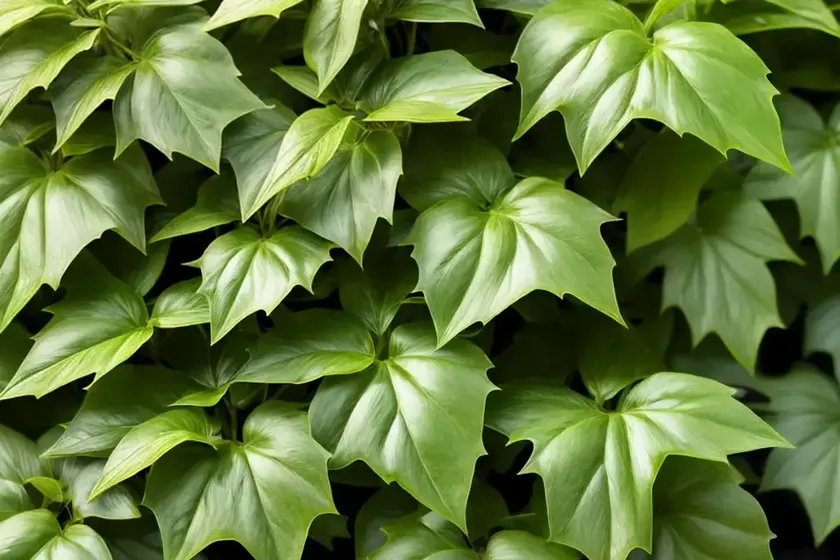
Plants are an essential aspect of our environment, offering beauty, oxygen, and a connection to nature. One particularly captivating plant is the German Ivy (Delairea odorata), renowned for its lush green foliage and versatile uses.
In this comprehensive plant care guide, we will delve into the various aspects of the German Ivy, covering its culture, uses, care requirements, common diseases, pests, propagation, and much more. By the end of this guide, you will be equipped with the knowledge to nurture and enjoy the beauty of German Ivy in your home or garden.
What is German Ivy (Delairea odorata)?
German Ivy (Delairea odorata) is a trailing vine native to South Africa. It belongs to the Asteraceae family and is not a true ivy but is known by several common names including Cape Ivy, Parlor Ivy, and Kenilworth Ivy.
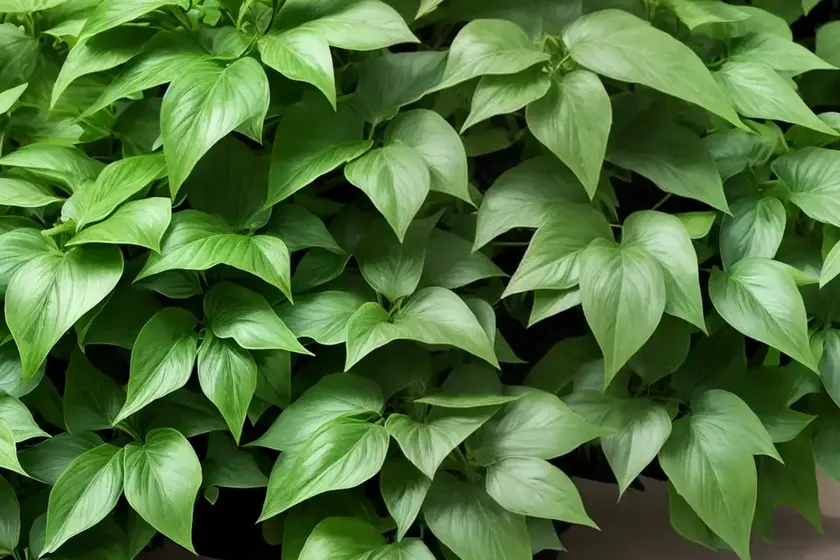
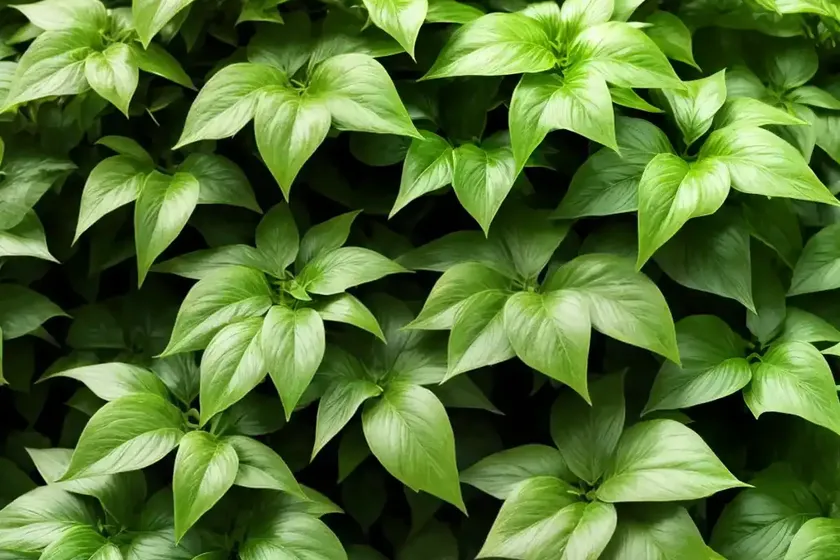
The lush, glossy leaves of German Ivy are its defining feature, with scalloped edges and a vibrant green color. It is popular for its trailing growth habit, making it an ideal choice for hanging baskets, containers, or ground cover. German Ivy is prized for its ability to add a touch of greenery and elegance to various settings, whether indoor or outdoor.
Plant Name: “German Ivy (Delairea odorata)”
Before we delve into the detailed care instructions for German Ivy, let’s take a look at some of the key aspects of this beautiful plant.
Key Takeaways – German Ivy (Delairea odorata)
Culture
- Origin: South Africa
- Type: Trailing Vine
- Common Names: German Ivy, Cape Ivy, Parlor Ivy, Kenilworth Ivy
- Foliage: Glossy green, scalloped leaves
Uses
- Indoor: Hanging baskets, decorative plant, indoor trailing vine
- Outdoor: Ground cover, balcony or patio plant, climbing or trailing vine
- Medicinal: Some traditional uses in herbal medicine
Water
- Needs: Moderate, even moisture
- Frequency: Water when the top inch of soil feels dry
Sunlight
- Indoor: Bright, indirect light
- Outdoor: Partial to full sun
Fertilizer
- Type: Balanced liquid fertilizer
- Schedule: Monthly during the growing season
Soil
- Type: Well-draining potting mix
- pH: Slightly acidic to neutral (6.0-7.0)
Pruning
- Purpose: To maintain shape, promote bushiness, and control size
- Frequency: As needed, especially after the flowering period
Propagation
- Methods: Stem cuttings, division
- Best Time: Spring or early summer
Container Popularity
- Highly suitable: Ideal for hanging baskets and decorative containers
Common Diseases
- Pests and Diseases: Susceptible to aphids, spider mites, and gray mold
Disease diagnosis
- Symptoms: Yellowing leaves, webbing on foliage, and powdery mildew
Common Pests
- Pests: Aphids, spider mites
With a basic understanding of the German Ivy’s characteristics and its requirements, let’s dive into the detailed care guidelines for nurturing this beautiful plant in your home or garden.
Delairea odorata Care
German Ivy Plant
German Ivy, also known as Delairea odorata, is an attractive and low-maintenance plant that can thrive both indoors and outdoors. Proper care and attention are essential to ensure its lush foliage and trailing vines flourish. Here are the key elements to consider when caring for German Ivy:
Delairea odorata Growing Tips
Water
German Ivy requires moderate and consistent watering to maintain its lush appearance. Initially, it is important to water thoroughly after planting or repotting to help the plant establish a strong root system. Here are some specific watering tips for German Ivy:
- Check the moisture level: Before watering, ensure that the top inch of soil feels dry. This will help prevent overwatering, which can lead to root rot.
- Watering frequency: In general, aim to water German Ivy when the soil feels dry to the touch. This might translate to watering every 1-2 weeks, but the frequency can vary based on factors such as temperature, humidity, and the specific conditions of the plant’s environment.
- Watering method: Water the plant thoroughly until you see moisture coming out of the drainage holes at the bottom of the pot. This ensures that the entire root system receives adequate hydration.
Sunlight
Suitable sunlight is crucial for the healthy growth of German Ivy. While it thrives in bright, indirect light indoors, it can also adapt to partial to full sun when grown outdoors. Here’s what you need to know about providing the right amount of sunlight for German Ivy:
- Indoor placement: Place German Ivy in a location that receives bright, indirect light. This can be near a window covered with a sheer curtain or in a spot where it receives filtered sunlight for a few hours each day.
- Outdoor exposure: When grown outdoors, German Ivy can tolerate partial to full sun, depending on the climate. In regions with intense heat, providing partial shade during the hottest part of the day can prevent leaf scorch.
Fertilizer
Applying a balanced liquid fertilizer helps supply essential nutrients to German Ivy, supporting healthy growth and vibrant foliage. Here are some tips for fertilizing German Ivy:
- Fertilizer type: Use a balanced liquid fertilizer formulated for indoor plants or foliage plants. Look for a fertilizer with an equal NPK ratio (20-20-20 or 10-10-10) or one that is slightly higher in nitrogen.
- Fertilizing frequency: During the growing season, which typically spans from spring to early fall, feed the plant monthly. Avoid over-fertilization, as it can lead to salt buildup in the soil.
Soil
The right potting mix is crucial for German Ivy to thrive. A well-draining soil mixture that retains some moisture without becoming waterlogged is ideal. Consider the following soil recommendations when planting or repotting German Ivy:
- Soil type: Use a well-draining potting mix formulated for foliage plants. A mix that includes components such as peat moss, perlite, and coarse sand can provide the right balance of moisture retention and drainage.
- pH level: Aim for a slightly acidic to neutral soil pH, ideally in the range of 6.0 to 7.0. This range supports nutrient availability and root health.
Delairea Odorata Pruning
Pruning is an essential aspect of German Ivy care, as it helps maintain the plant’s shape, control its size, and promote bushy growth. Additionally, pruning can help rejuvenate the plant and remove any leggy or unhealthy growth. Here’s a guide to effective pruning of German Ivy:
- Tool selection: Use clean, sharp pruning shears or scissors to make precise cuts without causing unnecessary damage to the plant.
- Pruning technique: Trim the vines and foliage to the desired length, making each cut just above a leaf node to encourage new growth. Additionally, remove any dead or yellowing leaves to improve the plant’s appearance and overall health.
- Timing: Perform light pruning as needed throughout the year to keep the plant tidy. After the flowering period, consider a more comprehensive pruning session to shape the plant and remove any spent blooms.
German Ivy Propagation
Propagating German Ivy allows you to expand your collection of these charming plants or share them with fellow gardening enthusiasts. Stem cuttings and division are the two primary methods of propagation for German Ivy. Here’s a step-by-step guide to each propagation method:
Stem Cuttings
- Select a healthy, non-flowering stem for propagation.
- Using clean, sharp scissors or pruners, cut a 4-6 inch stem just below a leaf node.
- Remove the lower leaves from the cutting, leaving only a few leaves at the top.
- Dip the cut end in a rooting hormone powder to encourage root development (optional).
- Plant the cutting in a small pot filled with a well-draining potting mix.
- Water the cutting thoroughly and place it in a warm, bright location with indirect sunlight.
- Maintain consistent moisture and humidity around the cutting, and roots should develop within a few weeks.
Division
- Carefully remove the German Ivy plant from its pot.
- Gently tease apart the root ball into sections, ensuring that each section has both roots and foliage.
- Replant the divided sections in separate pots filled with fresh potting soil.
- Water the newly potted divisions and place them in a suitable location with appropriate lighting and temperature conditions.
Container Popularity
German Ivy’s trailing growth habit and lush foliage make it a popular choice for container gardening, particularly in hanging baskets and decorative containers. Its versatility and low-maintenance nature allow it to thrive in a variety of containers, adding a touch of greenery to both indoor and outdoor spaces.
Common Diseases and Pests
Disease Diagnosis
German Ivy is susceptible to certain diseases and pests that can affect its overall health and appearance. Understanding the symptoms of common issues can help in timely intervention and management of these problems. Here are some signs and symptoms to watch out for:
- Yellowing leaves: This can indicate overwatering, underwatering, or nutrient deficiencies.
- Webbing on foliage: Presence of webbing is often a sign of spider mite infestation.
- Powdery mildew: A white, powdery coating on the leaves indicates the presence of this fungal disease.
Common Pests
German Ivy can attract certain pests, including aphids and spider mites. Regularly inspecting the plant for signs of infestations and taking prompt action through organic or conventional pest control methods can help maintain the health and vitality of the plant.
To address aphid infestations, consider using a gentle spray of water to dislodge the pests or introducing natural predators such as ladybugs. For spider mites, regularly misting the plant, especially during dry periods, can help deter these tiny pests.
Botanist’s Tips
Fun Facts
- Air-purifying qualities: German Ivy has air-purifying properties, helping to improve indoor air quality by removing certain toxins.
- Traditional uses: In traditional herbal medicine, German Ivy has been utilized for its potential medicinal properties, though it’s important to consult with a healthcare professional before using any plant for medicinal purposes.
Links to External Resources
To further enrich your knowledge and help you succeed in nurturing your German Ivy, explore the following external resources:
- Royal Horticultural Society – Cape Ivy
- University of Florida IFAS Extension – German Ivy
- Mississippi State University Extension – Delairea odorata
Conclusion
German Ivy, with its charming trailing vines and lush green foliage, is a delightful addition to any garden or indoor space. By understanding the plant’s requirements related to water, sunlight, fertilizer, soil, pruning, propagation, and pest management, you can ensure its optimal health and beauty.
Remember to observe the plant closely, noting any changes in growth or appearance, and adjust your care practices accordingly. With the right care and attention, German Ivy can thrive and bring an enchanting touch of greenery to your surroundings.
Whether you’re a seasoned plant enthusiast or a beginner looking to expand your indoor or outdoor garden, German Ivy is a rewarding plant that offers aesthetic appeal and potential air-purifying benefits. With this comprehensive care guide, you’re well-equipped to embark on a successful journey of nurturing and enjoying the beauty of German Ivy in your home or garden.
Share your experiences of growing and caring for German Ivy. What are your favorite tips for keeping this lovely plant thriving? Feel free to join the conversation and share your insights with fellow gardening enthusiasts!
by [Your Name]
This comprehensive plant care guide is intended to provide general information and does not replace individual-specific professional advice. For specific advice and care tailored to your unique plant and environmental conditions, consult with a qualified horticulturist or plant care specialist.