Garden Tickseed (Plains Coreopsis)
In the world of gardening and landscaping, few plants are as versatile and visually appealing as the Garden Tickseed, also known as Plains Coreopsis. With.
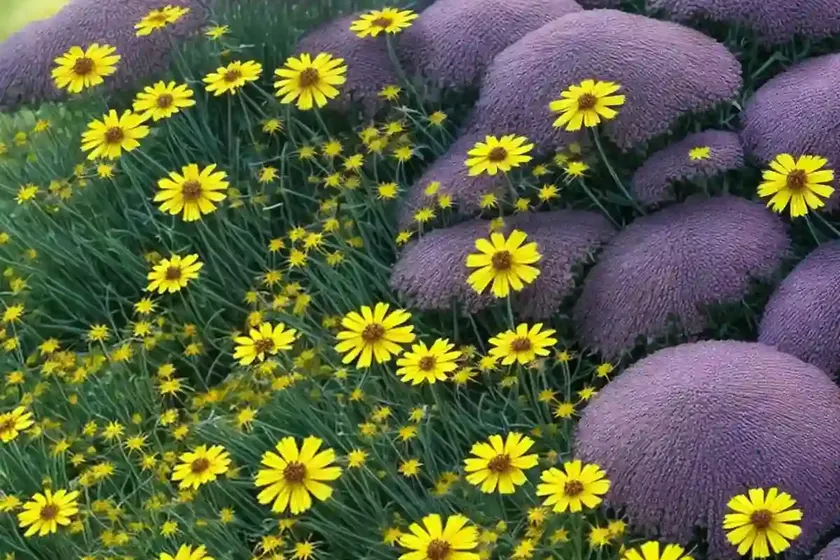
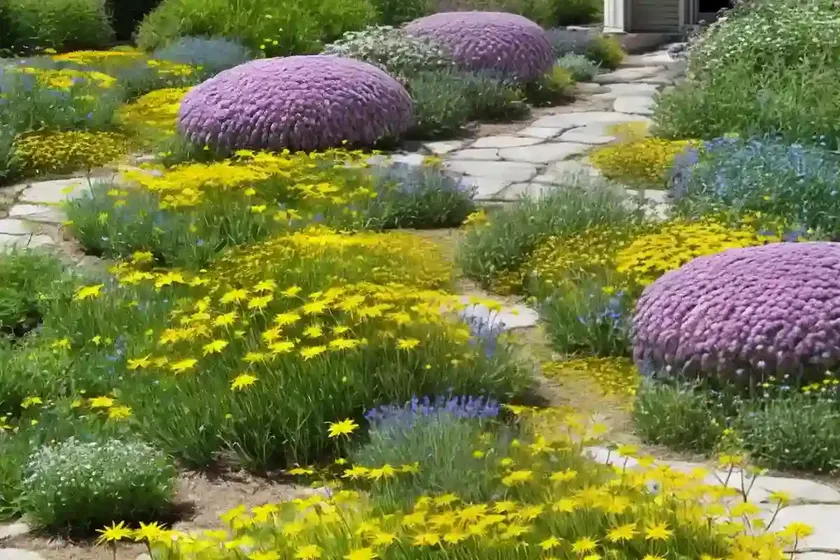
In the world of gardening and landscaping, few plants are as versatile and visually appealing as the Garden Tickseed, also known as Plains Coreopsis. With its vibrant blooms and low-maintenance nature, this plant has become a favorite among gardening enthusiasts and landscape designers alike. In this comprehensive guide, we will explore everything there is to know about the Garden Tickseed, from its cultural preferences to its propagation and maintenance. Whether you are a seasoned gardener or a novice plant enthusiast, this guide will equip you with the knowledge needed to cultivate and appreciate the beauty of Garden Tickseed.
What is Garden Tickseed (Plains Coreopsis)?
Garden Tickseed, scientifically known as Coreopsis tinctoria, is a flowering plant that belongs to the Coreopsis genus within the Asteraceae family. It is native to North America, particularly the central and southern regions of the United States, where it thrives in various natural habitats, including prairies, roadsides, and open woodlands.
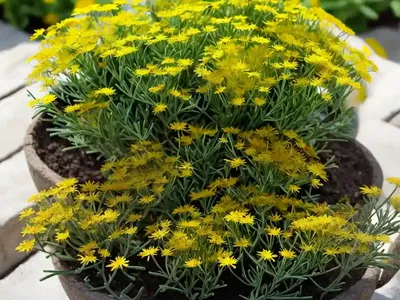
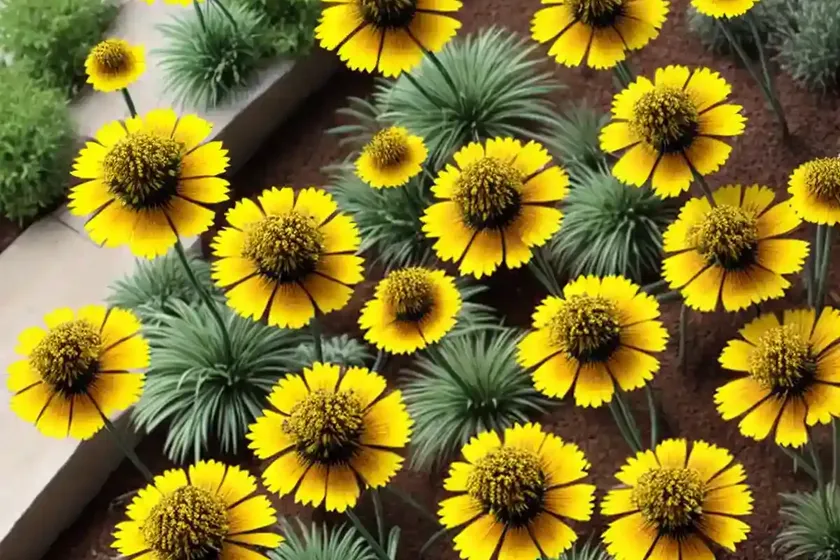
Garden Tickseed is celebrated for its abundant and radiant blooms, which come in a spectrum of colors, including shades of yellow, red, and orange. Its delicate yet striking flowers make it a popular choice for adding splashes of color to gardens, meadows, and wildflower landscapes. With the right care and cultivation, Garden Tickseed can flourish as an annual or perennial, offering long-lasting beauty and charm.
Key Takeaways – Garden Tickseed (Plains Coreopsis)
Before delving into the specific cultural requirements and uses of Garden Tickseed, let’s take a moment to highlight some key takeaways about this beloved plant:
- Blooms: The vibrant and abundant blooms of Garden Tickseed make it a sought-after addition to gardens and landscapes.
- Adaptability: Garden Tickseed is adaptable to various soil types and generally requires minimal maintenance, making it an ideal choice for both beginners and experienced gardeners.
- Wildlife Attraction: The nectar-rich flowers of Garden Tickseed attract beneficial pollinators such as bees and butterflies, contributing to the overall biodiversity of the garden or landscape.
- Versatility: Whether used in garden beds, meadows, containers, or floral arrangements, Garden Tickseed lends itself to a diverse range of landscaping and design applications.
Now, let’s dive deeper into the specific cultural preferences, uses, and care requirements of Garden Tickseed to unleash its full potential in your gardening endeavors.
Culture
Understanding the cultural requirements of Garden Tickseed is crucial to its successful cultivation and longevity. From water and sunlight to soil and fertilizer, each aspect plays a pivotal role in the plant’s overall health and flowering potential. Let’s explore the cultural preferences of Garden Tickseed in detail.
Uses
The versatility of Garden Tickseed extends to its uses in both natural and cultivated settings. Whether you envision it as a cheerful addition to your garden or a stunning component of a wildflower meadow, Garden Tickseed offers a myriad of uses. Some of the common applications of Garden Tickseed include:
- Garden Beds: Planted in clusters or mixed borders, Garden Tickseed adds vibrant color and visual interest to garden beds, making it a delightful focal point.
- Wildflower Meadows: In naturalistic settings, Garden Tickseed contributes to the charm of wildflower meadows, offering a naturalistic yet captivating display of blooms.
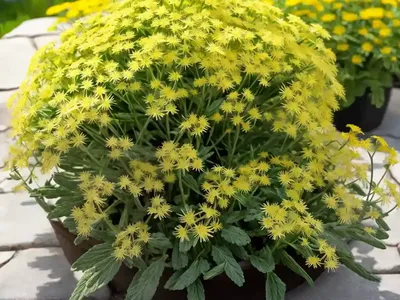
- Container Gardens: For those with limited outdoor space, Garden Tickseed can thrive in containers on patios, balconies, or terraces, bringing its cheerful blooms to smaller urban settings.
- Cut Flower Production: With its long-lasting blooms, Garden Tickseed is a popular choice for cut flower production, gracing floral arrangements and bouquets with its radiant hues.
Now, let’s explore the specific cultural requirements that enable Garden Tickseed to flourish in these various applications.
Water
Proper watering is integral to the health and vitality of Garden Tickseed, especially during its establishment phase and the flowering period. While Garden Tickseed has good tolerance to drought once established, consistent moisture is crucial for robust growth and prolific blooming.
| Watering Guidelines for Garden Tickseed |
|---|
| Establishment Phase: Keep the soil consistently moist but not waterlogged during the first 4-6 weeks after planting. |
| Flowering Period: Water regularly, providing approximately 1 inch of water per week, especially during dry spells or prolonged heat. |
| Container-Grown Garden Tickseed: Monitor the moisture level of the soil in containers, ensuring that it does not dry out completely. |
Sunlight
As a sun-loving plant, Garden Tickseed thrives when provided with ample sunlight, making it an excellent choice for gardens and landscapes with full sun exposure. Adequate sunlight is essential for robust growth and profuse blooming, thus optimizing the plant’s visual impact and overall performance.
| Sunlight Requirements for Garden Tickseed |
|---|
| Sun Exposure: Plant Garden Tickseed in a location that receives full sun, defined as at least 6-8 hours of direct sunlight per day. |
| Shade Tolerance: While Garden Tickseed prefers full sun, it can tolerate partial shade, especially during the hottest part of the day in regions with intense summer sun. However, reduced sunlight may lead to fewer blooms and a leggier growth habit. |
Fertilizer
Proper fertilization ensures that Garden Tickseed has access to essential nutrients for vigorous growth and abundant flowering. While this plant is known for its adaptability to various soil types, supplemental fertilization can further enhance its performance and visual appeal.
| Fertilization Guidelines for Garden Tickseed |
|---|
| Initial Fertilization: Incorporate a balanced, slow-release fertilizer into the soil at planting time to provide essential nutrients for the establishment of Garden Tickseed. |
| Ongoing Maintenance: Apply a granular, balanced fertilizer in early spring to support healthy growth and flowering. Follow the product’s instructions for application rates and methods. |
| Organic Fertilizers: Alternatively, organic fertilizers such as compost and well-rotted manure can be applied to the soil in spring to enrich the soil and provide a sustainable source of nutrients for Garden Tickseed. |
Soil
Garden Tickseed demonstrates a degree of adaptability when it comes to soil preferences, thriving in a range of soil types as long as they offer good drainage. Understanding the soil requirements of Garden Tickseed is pivotal in ensuring its success in various gardening and landscaping contexts.
| Soil Preferences for Garden Tickseed |
|---|
| Well-Drained Soil: Plant Garden Tickseed in well-drained soil to prevent waterlogging, especially in regions with heavy or clay-based soils. |
| Soil pH: While Garden Tickseed can tolerate a wide pH range, it generally performs well in slightly acidic to neutral soils (pH 6.0-7.0). Conduct a soil test to determine the pH of the planting area and amend the soil if necessary. |
| Soil Amendments: Incorporate organic matter such as compost or peat moss into the soil at planting time to improve its structure and fertility, promoting optimal growth of Garden Tickseed. |
Pruning
Pruning Garden Tickseed at the right time and in the correct manner can contribute to its overall health, longevity, and aesthetic appeal. While this plant does not require extensive pruning, a few simple practices can help maintain its vigor and promote continuous blooming.
| Pruning Tips for Garden Tickseed |
|---|
| Deadheading: Remove spent flowers regularly to encourage the production of new blooms and prolong the flowering period of Garden Tickseed. Deadheading also prevents the plant from self-seeding excessively. |
| Cutting Back: In late summer or early fall, consider cutting back the stems of Garden Tickseed by one-third to promote a compact growth habit and potentially induce a second flush of blooms. |
Propagation
For those looking to multiply their Garden Tickseed plants or acquire new specimens for their gardens, understanding the propagation methods is essential. Garden Tickseed can be propagated through several techniques, offering enthusiasts the opportunity to expand their collection or share the plant with others.
| Propagation Methods for Garden Tickseed |
|---|
| Seed Propagation: Collect mature seeds from existing Garden Tickseed plants and sow them directly into prepared soil in the garden or containers. Thinly cover the seeds with a light layer of soil and keep them consistently moist until germination occurs. |
| Division: In early spring, consider dividing mature clumps of Garden Tickseed to create new plants. Carefully lift the clumps from the ground, separating them into individual sections, each with healthy roots and shoots, then replant them in suitable locations. |
Container Popularity
Garden Tickseed’s suitability for container cultivation has contributed to its popularity among urban and suburban gardeners, as well as those with limited outdoor space. When grown in containers, Garden Tickseed can brighten up patios, balconies, and other paved areas, offering a cheerful display of blooms in a confined environment.
| Container Gardening with Garden Tickseed |
|---|
| Container Selection: Choose well-draining containers with sufficient depth for cultivating Garden Tickseed. Terra cotta, resin, or wooden containers are excellent choices. |
| Potting Mix: Use a high-quality potting mix that offers good drainage and aeration, providing an ideal growing medium for Garden Tickseed in containers. |
| Watering: Monitor the moisture level of the soil in containers, watering Garden Tickseed as needed to prevent the soil from drying out completely. Container-grown plants may require more frequent watering than those in the ground. |
Now that we have explored the cultural requirements, uses, and cultivation techniques for Garden Tickseed, let’s turn our attention to the factors that can impact its health and aesthetics, namely common diseases and pests.
Common Diseases
While Garden Tickseed is relatively resistant to many diseases, certain environmental conditions and cultural practices can predispose the plant to specific ailments. Recognizing and understanding these common diseases is pivotal in implementing preventative measures and timely interventions to safeguard the health of Garden Tickseed.
Disease Diagnosis
| Common Diseases of Garden Tickseed |
|---|
| Powdery Mildew: A fungal disease characterized by the appearance of white, powdery patches on the leaves and stems of Garden Tickseed. It thrives in humid conditions and can hinder the plant’s growth and vigor. |
| Leaf Spot: Caused by various fungal pathogens, leaf spot manifests as dark, irregularly shaped lesions on the foliage of Garden Tickseed. In severe cases, it can lead to defoliation and weaken the overall health of the plant. |
Common Pests
Pests can pose a threat to the wellbeing of Garden Tickseed, potentially causing damage to its foliage, flowers, and overall vitality. Familiarizing yourself with the common pests that may target this plant enables you to implement appropriate management strategies and prevent significant infestations.
| Common Pests Affecting Garden Tickseed |
|---|
| Aphids: These small, soft-bodied insects can cluster on the new growth and underside of leaves, feeding on the plant’s sap and potentially causing distortion of the foliage. |
| Spider Mites: These tiny arachnids can inflict damage to Garden Tickseed by piercing the plant cells and sucking out their contents, leading to the formation of stippled or discolored areas on the leaves. |
| Leafhoppers: These agile insects can cause aesthetic damage to Garden Tickseed by creating stippling on the leaves and transmitting certain plant diseases. |
Botanist’s Tips
To further enrich your knowledge of Garden Tickseed and enhance your success in cultivating this plant, consider the following tips from botanists and gardening experts:
- Native Plant Landscapes: Incorporate Garden Tickseed into native plant landscapes and wildflower meadows to bolster ecological sustainability and create naturalistic habitats for local wildlife.
- Companion Planting: Pair Garden Tickseed with compatible companion plants such as blanket flower (Gaillardia), black-eyed Susan (Rudbeckia), and purple coneflower (Echinacea) to create visually captivating and ecologically beneficial plant combinations.
- Pollinator Gardens: Embrace Garden Tickseed as an essential component of pollinator-friendly gardens, attracting and sustaining a diverse array of beneficial insects, including bees, butterflies, and hoverflies.
- Educational Gardens: Introduce Garden Tickseed to educational gardens and community spaces to inspire learning about native plants, biodiversity, and the importance of sustainable landscaping practices.
Fun Facts
As we wrap up our exploration of Garden Tickseed, let’s indulge in a few captivating and intriguing facts about this beloved plant:
- Cultural Symbolism: In the language of flowers, Garden Tickseed symbolizes joy, cheerfulness, and a sunny disposition, making it a meaningful addition to floral arrangements and bouquets.
- Traditional Uses: Native American tribes utilized various parts of Garden Tickseed for medicinal purposes, including treating skin ailments, gastrointestinal issues, and respiratory conditions.
- Seed Production: Garden Tickseed is known for its prolific seed production, dispersing its seeds readily and contributing to the naturalization of this species in diverse habitats.
- Historical Significance: Garden Tickseed played a significant role in the traditional agriculture of Native American communities, serving as a source of natural dyes for textiles and decorative arts.
Links to External Resources
To further expand your knowledge and appreciation of Garden Tickseed, consider exploring the following external resources:
- USDA Plants Database – Coreopsis tinctoria
- The Xerces Society for Invertebrate Conservation
- Native Plant Conservation Campaign
- Lady Bird Johnson Wildflower Center
- North American Native Plant Society
In conclusion, Garden Tickseed (Plains Coreopsis) embodies a remarkable fusion of beauty, resilience, and ecological significance, making it a cherished component of gardens, landscapes, and natural environments. By understanding its cultural preferences, uses, and potential challenges, we can fully appreciate and harness the inherent charm and vitality of Garden Tickseed in our gardening endeavors. Whether enjoyed for its ornamental appeal, ecological contributions, or cultural symbolism, Garden Tickseed continues to captivate and inspire plant enthusiasts and conservation advocates worldwide.
Whether you are a seasoned gardener or a novice plant enthusiast, this comprehensive guide equips you with the knowledge needed to cultivate and appreciate the beauty of Garden Tickseed.
Please note that while Garden Tickseed is generally low-maintenance and adaptable, specific cultural preferences and management practices may vary based on regional climate, soil conditions, and other local factors. Whenever possible, consult with local gardening experts, native plant societies, and horticultural extension services to tailor your approach to the specific needs of Garden Tickseed in your area. With careful attention and informed practices, you can unlock the full potential of Garden Tickseed in your garden or landscape, celebrating its radiant blooms and ecological significance for years to come.