Garden Sisal (Agave Vivipara)
Agave vivipara, commonly known as Garden Sisal, is a striking and versatile plant that has increasingly gained popularity among gardeners and landscapers..
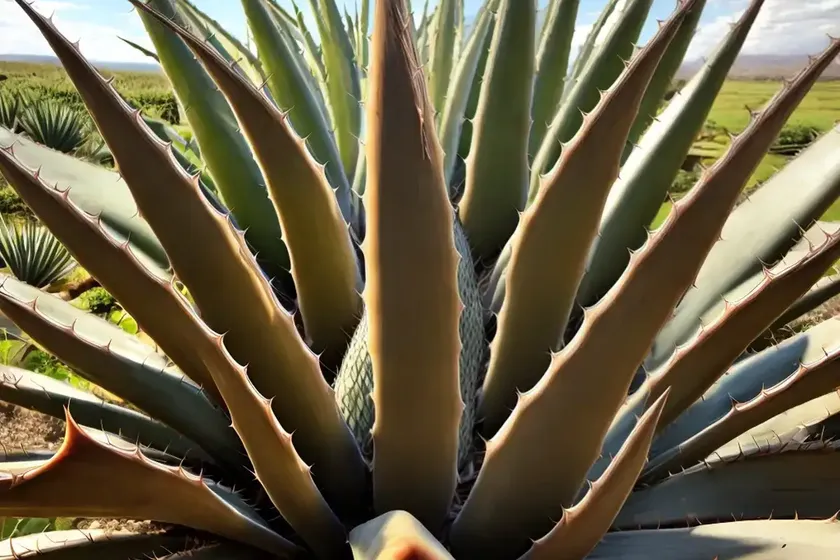
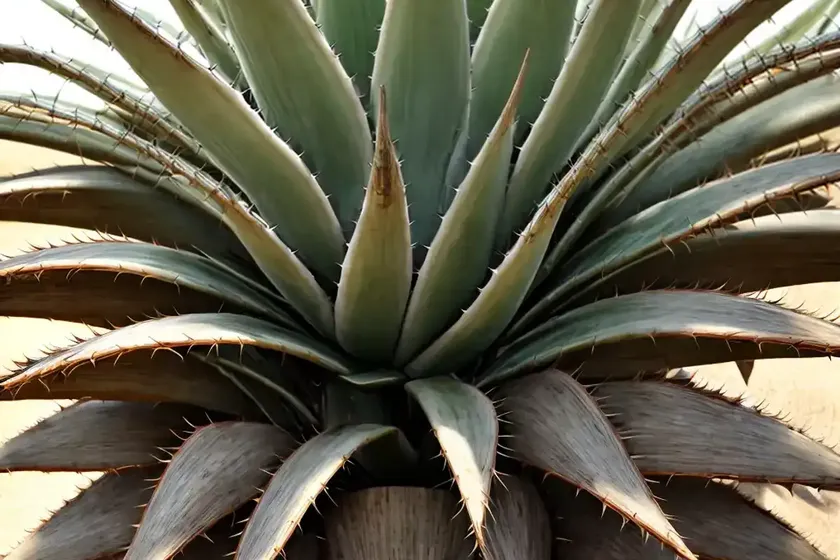
Agave vivipara, commonly known as Garden Sisal, is a striking and versatile plant that has increasingly gained popularity among gardeners and landscapers. This succulent, native to Mexico and the southern United States, has caught the attention of plant enthusiasts due to its unique appearance, low maintenance requirements, and a myriad of uses in landscaping and horticulture. In this comprehensive guide, we will delve into the various aspects of cultivating and caring for the Agave vivipara, also known as Garden Sisal. Whether you are a seasoned gardener or just starting, this guide will equip you with the knowledge and tips to cultivate and care for this stunning ornamental plant.
What is Garden Sisal (Agave Vivipara)?
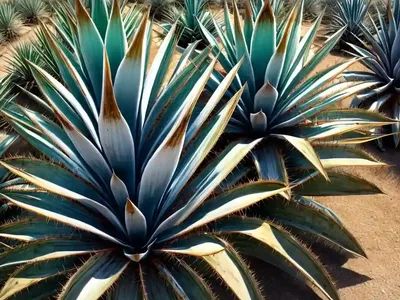
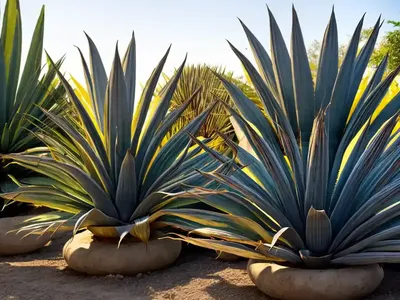
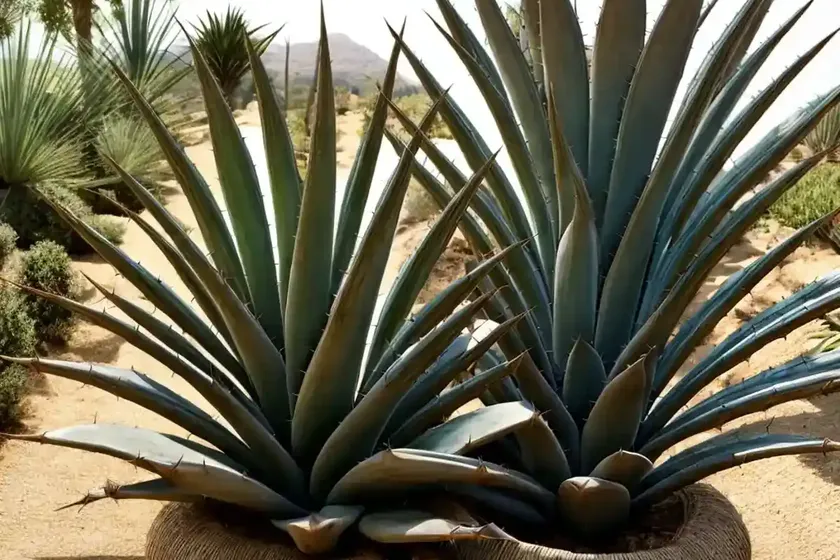
The Agave vivipara, a member of the Asparagaceae family, is a perennial succulent characterized by its striking rosette of thick, spiky leaves and a remarkable flowering habit. This plant typically forms dense clusters of rosettes, creating a visually captivating display that adds a touch of exotic charm to any garden or landscape. One of the most fascinating features of this species is its ability to produce bulbils (offsets) on the flower stalk even before the flowers bloom, hence the specific epithet “vivipara,” which means “live-bearing.” This unique trait contributes to its distinct appearance and adds to its ornamental value.
Key Takeaways – Garden Sisal (Agave Vivipara)
Before we delve into the specific care and maintenance aspects, it’s essential to highlight some key takeaways about the Agave vivipara. Understanding these fundamental aspects will provide a holistic view of this remarkable plant and help you appreciate its unique characteristics and uses.
- Botanical Name: Agave Vivipara
- Common Name: Garden Sisal
- Family: Asparagaceae
- Native Habitat: Mexico, Southern United States
- Plant Type: Perennial Succulent
- Ornamental Features: Striking rosettes, live-bearing bulbils, majestic flower stalk
- Uses: Landscaping, ornamental gardens, xeriscaping, medicinal applications
With these key takeaways in mind, let’s explore the essential aspects of cultivating and caring for the Garden Sisal.
Cultivation of Agave Vivipara
Successful cultivation of Agave vivipara involves understanding its specific requirements and providing the optimal growing conditions. Whether you are planning to integrate it into your garden or nurture it in a container, the following factors play a crucial role in ensuring the healthy growth and development of this stunning succulent.
Sunlight
Garden Sisal thrives in bright, direct sunlight. When selecting a site for planting or positioning a container, ensure that the Agave vivipara receives ample sunlight throughout the day. In regions with intense summer heat, providing partial shade during the hottest part of the day can be beneficial. However, in cooler climates, full sun exposure is generally ideal for promoting robust growth and flowering.
Water
As a drought-tolerant succulent, the Agave vivipara is adapted to thrive in arid conditions. Therefore, it is essential to practice careful watering to prevent waterlogging, which can lead to root rot. During the growing season, allow the soil to dry out partially between waterings. In the winter months or during periods of dormancy, reduce watering frequency to mimic the plant’s natural habitat.
Soil
Well-draining soil is essential for the healthy growth of Garden Sisal. A sandy, loamy mix with good drainage properties is highly recommended. Incorporating materials such as perlite or gravel into the soil can improve drainage and prevent water accumulation around the plant’s roots. Additionally, a slightly acidic to neutral pH range is optimal for Agave vivipara.
Fertilizer
Garden Sisal generally thrives in nutrient-poor soils. Excessive fertilization can lead to overly lush growth, which may compromise the plant’s natural resilience and vigor. Incorporating a balanced, diluted fertilizer during the growing season can support healthy growth. However, it’s crucial to avoid over-fertilization, particularly with nitrogen-rich fertilizers, as this can lead to issues such as reduced drought tolerance and susceptibility to pests and diseases.
Pruning and Propagation
Pruning
Minimal pruning is required for Agave vivipara. Removal of dead or damaged leaves can be performed to maintain the plant’s aesthetic appeal and overall health. When pruning Garden Sisal, it is essential to use sharp, clean tools to minimize the risk of introducing pathogens or causing unnecessary stress to the plant.
Propagation
The propagation of Agave vivipara can be achieved through various methods, including:
- Offsets: Garden Sisal produces offsets, or bulbils, along the flower stalk, which can be carefully removed and propagated to establish new plants.
- Division: Dividing mature clumps of Agave vivipara can yield multiple individual plants, each with the potential to develop into a thriving specimen.
- Seeds: Although slower than propagation through offsets or division, growing Agave vivipara from seed can be a rewarding and fascinating process, allowing for the cultivation of new genetic variations and hybrids.
Container Cultivation of Garden Sisal
For enthusiasts with limited outdoor space or those looking to showcase Agave vivipara as an ornamental feature on patios, balconies, or indoors, container cultivation is an excellent option. The following considerations are crucial for successful container gardening with Garden Sisal.
Container
When selecting a container for Garden Sisal, prioritize options that provide ample space for root development and have adequate drainage holes to prevent waterlogging. Terra cotta or ceramic pots are popular choices, as they allow for good air circulation and contribute to the overall aesthetic appeal. Additionally, consider the weight of the container, especially for larger specimens, as Agave vivipara can become quite heavy when potted in substantial containers.
Popular Uses
The Garden Sisal, with its striking appearance and low maintenance requirements, is sought after for various uses, including:
- Xeriscaping: Due to its drought tolerance and minimal water needs, Agave vivipara is an excellent choice for xeriscaping projects, where low-water landscapes are designed to conserve water and promote sustainable gardening practices.
- Ornamental Gardens: Gardeners and landscapers integrate Agave vivipara into ornamental gardens to introduce a touch of exotic charm and structural interest. Its distinctive rosettes and unique flowering habit make it a captivating addition to any landscape design.
- Container Gardening: As a potted specimen, Garden Sisal can serve as a focal point on patios, decks, or indoor spaces, adding a bold and sculptural element to the surroundings.
Common Diseases and Pest Control
Despite their resilience, Agave vivipara can be susceptible to certain diseases and pests. Understanding these potential issues and implementing preventive measures is essential for maintaining the plant’s health and vigor.
Common Diseases
| Disease | Symptoms | Prevention and Management |
|—————|——————————-|—————————————————————-|
| Root Rot | Wilting, yellowing leaves | Ensure well-draining soil; avoid overwatering; improve drainage |
| Leaf Spot | Circular discolored areas | Provide adequate air circulation; avoid overhead watering |
| Crown Rot | Soft, discolored crown | Allow soil to dry between waterings; ensure proper drainage |
Pest Control
| Pest | Symptoms | Prevention and Management |
|———————|—————————–|————————————————————————————————————————-|
| Agave Snout Weevil | Holes in leaves, wilting | Remove affected leaves; apply systemic insecticides according to label instructions; inspect plants regularly |
| Scale Insects | Sticky residue on leaves, stunted growth | Prune and dispose of heavily infested parts; apply horticultural oils or insecticidal soaps; introduce natural predators |
Botanist’s Tips for Growing Agave Vivipara
To ensure the successful growth and maintenance of Garden Sisal, consider the following botanist’s tips:
- Provide well-draining soil and avoid waterlogged conditions to prevent root rot.
- Incorporate a balanced fertilizer sparingly during the growing season to support healthy growth.
- Regularly inspect the plant for signs of pests or diseases and take prompt action to mitigate potential issues.
- Consider the plant’s mature size and growth habit when selecting a site for outdoor planting or choosing a container for cultivation.
Fun Facts about Garden Sisal (Agave Vivipara)
- The flower stalk of Agave vivipara can reach impressive heights, showcasing striking blooms that attract pollinators and add to the plant’s ornamental appeal.
- Due to its adaptability and low water requirements, Garden Sisal is ideal for eco-friendly, water-wise gardening initiatives.
- The unique bulbils produced by Agave vivipara along the flower stalk contribute to its reproductive resilience and add a distinctive feature to its overall appearance.
Sustainable Gardening with Agave Vivipara
The cultivation and utilization of Agave vivipara align with principles of sustainable gardening and landscaping. By integrating this resilient and visually striking plant into outdoor and indoor spaces, gardening enthusiasts can embrace eco-friendly practices and contribute to biodiversity and habitat preservation. Additionally, the low maintenance requirements and long-lasting ornamental value of Garden Sisal make it an excellent choice for sustainable landscape design and maintenance.
Gardening Tips for Agave Vivipara Enthusiasts
For enthusiasts looking to cultivate and care for Agave vivipara, the following tips can help enhance the overall success and enjoyment of growing this remarkable succulent:
- Provide ample sunlight to promote robust growth and flowering.
- Implement a cautious watering regimen to prevent waterlogging and promote drought tolerance.
- Regularly monitor the plant for signs of pests, diseases, or environmental stressors and take proactive measures to address any issues.
Ornamental Characteristics of Garden Sisal
The Agave vivipara boasts a plethora of ornamental characteristics that make it an appealing addition to gardens, landscapes, and indoor plant collections. These features include:
- Striking rosettes of thick, succulent leaves with prominent spines, adding a bold and sculptural element to the surroundings.
- The ability to produce live bulbils along the flower stalk, contributing to its unique appearance and reproductive resilience.
- Majestic flower stalks that can reach impressive heights and showcase breathtaking displays of blooms, attracting pollinators and adding visual interest to the landscape.
Agave Vivipara: A Natural Beauty for Sustainable Landscapes
The sustainable and low-maintenance nature of Agave vivipara makes it a valuable asset for creating eco-friendly and visually captivating landscapes. Whether integrated into xeriscaping projects, used as a focal point in ornamental gardens, or showcased in containers, Garden Sisal adds a touch of natural beauty and allure to outdoor and indoor spaces. Its adaptability, ornamental value, and ecological contributions make it an exceptional choice for sustainable landscape design and horticultural uses.
Conclusion
Agave vivipara, known as Garden Sisal, is a remarkable plant that captivates the hearts of plant enthusiasts, gardeners, and landscapers alike. Its resilience, striking appearance, and versatility position it as a valuable addition to sustainable landscapes, ornamental gardens, and eco-friendly gardening initiatives. By understanding the specific cultivation requirements and care guidelines for Garden Sisal, enthusiasts can foster the healthy growth and long-term vigor of this exquisite succulent. Whether admired for its sculptural rosettes, majestic flower stalks, or eco-friendly attributes, Agave vivipara continues to inspire plant lovers and contribute to sustainable gardening practices worldwide.
References:
- “Agave”, Missouri Botanical Garden, www.missouribotanicalgarden.org/plantfinder/plantfindersearch.aspx
- “How to Grow and Care for Agave Plants”, The Spruce, www.thespruce.com/grow-and-care-for-agave-plants-5077746
- “Planting and Care Advice for Agave Plants”, High Country Gardens, www.highcountrygardens.com/gardening/planting-and-care-advice-for-agave-plants