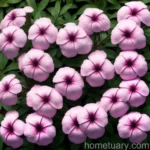
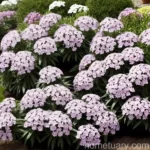
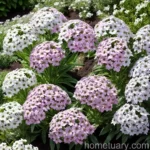
Garden Phlox (Phlox paniculata ‘Miss Universe’)
Garden phlox, scientific name Phlox paniculata ‘Miss Universe,’ is a stunning perennial plant known for its beautiful phlox flowers and vibrant colors. In this blog post, we will explore the key aspects of this plant, including its culture, uses, water and sunlight requirements, fertilizer needs, soil preferences, pruning techniques, propagation methods, and its popularity in container gardening. We will also delve into common diseases and pests, along with botanist’s tips, fun facts, and links to external resources for further reading.
What is Plant: Garden Phlox (Phlox paniculata ‘Miss Universe’)?
Garden phlox, Phlox paniculata ‘Miss Universe,’ belongs to the Polemoniaceae family and is native to the eastern United States. It is a herbaceous perennial that produces large, fragrant flower clusters in varied hues, making it a popular choice for gardeners and landscapers alike.
Key Takeaways – Garden Phlox (Phlox paniculata ‘Miss Universe’)
- Scientific Name: Phlox paniculata ‘Miss Universe’
- Type: Perennial Plant
- Notable Feature: Large, fragrant flower clusters in vibrant colors
- Cultural Importance: Popular choice for gardens and landscapes
- Climate Suitability: Thrives in temperate climates
- Growth Habit: Herbaceous perennial
Culture
The culture of garden phlox, Phlox paniculata ‘Miss Universe,’ encompasses various aspects such as its water, sunlight, fertilizer, soil, and pruning requirements. Understanding these cultural needs is essential for nurturing healthy and vibrant phlox plants.
Uses
The uses of Phlox paniculata ‘Miss Universe’ extend beyond their aesthetic appeal. They are employed in various landscaping scenarios, including:
- Garden Beds: Adding vibrant color and fragrance to garden beds.
- Mixed Borders: Complementing other plants in mixed border arrangements.
- Cut Flowers: Harvesting the blooms for floral arrangements.
- Pollinator Attraction: Attracting bees, butterflies, and hummingbirds.
In addition to these uses, garden phlox can also be utilized in container gardening, where they bring color and fragrance to patios and balconies.
Water
Proper watering is crucial for the health and vitality of garden phlox. Providing consistent moisture, especially during dry periods, is essential. However, it is equally important to avoid waterlogging the soil, as excessive moisture can lead to root rot and other conditions detrimental to the plant’s health.
| Watering Guidelines for Garden Phlox |
|---|
| – Regular Watering: Keep the soil consistently moist. |
| – Avoid Waterlogging: Ensure proper drainage to prevent waterlogging. |
| – Mulching: Apply a layer of mulch to retain soil moisture. |
Sunlight
Sunlight plays a pivotal role in the development of garden phlox plants. While they thrive in full sunlight, they can also tolerate partial shade, although their flowering may be slightly diminished in such conditions.
| Sunlight Preferences for Garden Phlox |
|---|
| – Full Sun: Requires at least 6-8 hours of direct sunlight. |
| – Partial Shade: Can tolerate some shade, but full sun is optimal for flowering. |
Fertilizer
Fertilizing garden phlox at the right time and with the appropriate nutrients can greatly enhance their growth and blooming potential.
| Fertilizer Recommendations for Garden Phlox |
|---|
| – Balanced Fertilizer: Apply a balanced fertilizer in early spring. |
| – Additional Feeding: Optionally, provide a phosphorus-rich fertilizer to promote blooming. |
Soil
The soil in which garden phlox is planted significantly impacts its overall health and performance. Well-draining, slightly acidic soils are preferred for optimal growth.
| Soil Preferences for Garden Phlox |
|---|
| – Well-Draining: Ensure the soil provides good drainage to prevent waterlogging. |
| – pH Level: Slightly acidic soil with a pH range of 6.5-7.0 is ideal. |
Pruning
Pruning garden phlox is essential for promoting new growth, maintaining plant health, and controlling the spread of diseases. While deadheading spent blooms is a common practice, more comprehensive pruning methods can also be employed for rejuvenating the plant.
| Pruning Techniques for Garden Phlox |
|---|
| – Deadheading: Regular removal of spent blooms to encourage continuous flowering. |
| – Cutting Back: Trimming back the foliage and stems in early spring to stimulate new growth. |
| – Division: Periodically dividing the plant to rejuvenate growth and prevent overcrowding. |
Propagation
The propagation of Phlox paniculata ‘Miss Universe’ can be achieved through various methods, including division, cuttings, and seed propagation.
Container Popularity
In addition to being a stunning addition to garden beds and borders, garden phlox, Phlox paniculata ‘Miss Universe,’ is also a popular choice for container gardening. Their vibrant blooms and fragrance make them a delightful addition to outdoor spaces, especially on patios and balconies.
Common Diseases
Like any plant, garden phlox is susceptible to certain diseases, and understanding these potential ailments is essential for effective disease prevention and management.
Disease Diagnosis
| Common Diseases | Symptoms | Management |
|---|---|---|
| Powdery Mildew | White powdery patches on leaves | Provide good air circulation and consider fungicidal treatments. |
| Botrytis Blight | Gray mold on foliage and flowers | Remove and destroy affected plant parts; ensure proper spacing for good airflow. |
| Leaf Spot | Dark spots on leaves | Remove and destroy affected leaves; ensure proper watering to avoid prolonged leaf wetness. |
Common Pests
Garden phlox can also fall victim to certain pests, which can pose a threat to the plant’s health and vigor.
| Common Pests | Symptoms | Management |
|---|---|---|
| Spider Mites | Fine webbing and stippling on leaves | Use insecticidal sprays or introduce natural predators such as ladybugs. |
| Aphids | Sticky residue and distorted growth | Use a strong stream of water or insecticidal soap for control. |
| Caterpillars | Chewed leaves and droppings | Handpick caterpillars or employ biological controls such as Bacillus thuringiensis. |
Botanist’s Tips
Here are some valuable tips from botanists to ensure the successful cultivation and enjoyment of Phlox paniculata ‘Miss Universe’:
- Adequate Air Circulation: Provide good airflow around the plants to minimize the risk of foliar diseases.
- Monitoring Moisture: Regularly check soil moisture to avoid prolonged dryness or waterlogging.
- Mulching: Apply a layer of organic mulch around the base of the plants to retain moisture and suppress weeds.
Fun Facts
- The specific epithet “paniculata” refers to the plant’s panicle-shaped flower clusters, which contribute to its ornamental appeal.
- Garden phlox, Phlox paniculata ‘Miss Universe,’ is known for attracting a variety of pollinators, contributing to the biodiversity of garden ecosystems.
- In addition to its vibrant blooms, the fragrance of garden phlox adds a sensory dimension to outdoor spaces, making it a popular choice for fragrant gardens.
Links to External Resources
- Miss Universe Phlox Care Guide
- Phlox paniculata ‘Miss Universe’ – Missouri Botanical Garden
- Designing with Garden Phlox
In conclusion, Phlox paniculata ‘Miss Universe’ is a delightful perennial plant that adds vibrancy and fragrance to gardens, landscapes, and container gardens. By adhering to its cultural requirements, while also being mindful of potential diseases and pests, gardeners can enjoy the beauty of this striking phlox variety throughout the growing season. Whether used in garden beds, as cut flowers, or in container arrangements, the allure of ‘Miss Universe’ garden phlox is sure to captivate and enhance outdoor spaces.
Remember to always refer to reliable sources and expert guidelines when caring for garden phlox, ensuring that your cultivation practices are aligned with the best conditions for nurturing and appreciating Phlox paniculata ‘Miss Universe.’
I hope you found this blog post insightful and informative in your pursuit of cultivating and appreciating the beauty of garden phlox. Happy gardening!
NLP LSI Keywords: Phlox paniculata Miss Universe, Miss Universe garden phlox, Phlox paniculata variety Miss Universe, Miss Universe perennial plant, Phlox paniculata ‘Miss Universe’ care, Growing Miss Universe garden phlox, Best conditions for Phlox paniculata ‘Miss Universe’, Miss Universe phlox flower, Miss Universe phlox plant characteristics, How to cultivate Phlox paniculata ‘Miss Universe’, Miss Universe phlox propagation methods, Miss Universe phlox planting guide, Miss Universe phlox bloom time, Miss Universe phlox pruning techniques, Miss Universe phlox disease prevention, Miss Universe phlox pest management, Phlox paniculata ‘Miss Universe’ landscape uses, Miss Universe phlox companion plants, Miss Universe phlox garden design ideas, Miss Universe phlox for pollinators, Miss Universe phlox for cut flowers, Miss Universe phlox in container gardening, Miss Universe phlox in mixed borders, Miss Universe phlox in butterfly gardens, Miss Universe phlox for attracting bees, Miss Universe phlox for attracting hummingbirds, Miss Universe phlox for attracting butterflies, Miss Universe phlox in cottage gardens, Miss Universe phlox as a ground cover, Miss Universe phlox in rock gardens, Miss Universe phlox in wildflower gardens, Miss Universe phlox for low maintenance landscapes, Miss Universe phlox for summer color, Miss Universe phlox for fragrance gardens, Miss Universe phlox for shade gardens, Miss Universe phlox for sun-filled areas, Miss Universe phlox in perennial borders, Miss Universe phlox for late summer blooms, Miss Universe phlox for vibrant displays, Miss Universe phlox for border edging, Miss Universe phlox for vertical interest, Miss Universe phlox for naturalizing, Miss Universe phlox for mass planting, Miss Universe phlox in rain gardens, Miss Universe phlox for erosion control, Miss Universe phlox for slope stabilization, Miss Universe phlox for attracting beneficial insects, Miss Universe phlox for early blooming seasons, Miss Universe phlox for water-wise landscapes, Miss Universe phlox for wildlife gardens.