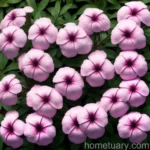
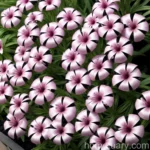
Garden Phlox (Phlox paniculata ‘Becky Towe’)
Garden phlox (Phlox paniculata ‘Becky Towe’) is a beloved perennial flower known for its colorful, fragrant blooms and its attractiveness to pollinators. Whether you’re a seasoned gardener or just starting out, this versatile plant is a fantastic addition to any garden or landscape. In this comprehensive guide, we’ll explore everything you need to know about the culture, uses, care, and maintenance of garden phlox ‘Becky Towe’.
Key Takeaways
Before delving into the details of garden phlox ‘Becky Towe’, let’s summarize the key takeaways of this plant:
- Phlox paniculata ‘Becky Towe’ is a variety of garden phlox, known for its pink, fragrant blooms and resistance to diseases and pests.
- It is a perennial flowering plant that thrives in summer, attracting pollinators such as butterflies, and it’s low-maintenance and drought-tolerant.
- Garden phlox ‘Becky Towe’ is an excellent choice for border plants, mass plantings, cut flowers, and cottage garden favorites.
- The plant requires well-drained soil, full sunlight to partial shade, and regular watering, making it adaptable to various garden settings and container gardening.
Now, let’s explore the various aspects of garden phlox ‘Becky Towe’ in more detail.
What is Garden Phlox (Phlox paniculata ‘Becky Towe’)?
Garden phlox (Phlox paniculata) is a species of flowering plant in the family Polemoniaceae, native to parts of the United States. ‘Becky Towe’ is a specific cultivar of Phlox paniculata, distinguished by its vibrant pink flowers and compact, bushy growth habit. This perennial plant is well-loved for its beauty and versatility in garden settings.
Culture
Understanding the cultural requirements of garden phlox ‘Becky Towe’ is essential for its successful growth and blooming. Here are some cultural aspects to consider:
- Uses: Garden phlox ‘Becky Towe’ serves various purposes in a garden, including ornamental planting, attracting pollinators, cut flowers, and landscape beautification.
- Water: It’s important to maintain moderate soil moisture, especially during hot and dry periods. Consistent watering is crucial for the plant’s health, especially during the establishment phase.
- Sunlight: Garden phlox ‘Becky Towe’ thrives in full sunlight to partial shade. In regions with intense summer heat, providing afternoon shade can promote healthier foliage and blooms.
- Fertilizer: While garden phlox is not excessively demanding of fertilizers, applying a balanced, slow-release fertilizer in spring can encourage robust growth and prolific flowering.
- Soil: Well-drained, fertile soil is ideal for gardening phlox ‘Becky Towe’. Amending the soil with organic matter can improve its texture and fertility, enhancing the plant’s performance.
- Pruning: Regular deadheading of spent blooms and thinning out overcrowded stems can prolong the blooming period and maintain a tidy, compact growth habit.
- Propagation: Garden phlox ‘Becky Towe’ can be propagated through division in spring or early fall, providing an opportunity to expand your plant’s presence in the garden or share it with fellow gardening enthusiasts.
- Container: This plant can thrive in containers when provided with adequate space, sunlight, and moisture. It’s a great option for adding splashes of color to patios, balconies, or small gardens.
Popularity
In the realm of garden perennials, Phlox paniculata ‘Becky Towe’ holds a special place due to its eye-catching blooms and garden-friendly attributes. Its popularity is further amplified by its suitability as a low-maintenance, disease-resistant, and pollinator-attracting plant.
Common Diseases and Pests
Even though garden phlox ‘Becky Towe’ is known for its resistance to many diseases and pests, it’s important to be aware of potential issues that can affect its health. Here are some common problems to watch for:
Common Diseases
-
Powdery Mildew: This fungal disease can occur in conditions of high humidity and poor air circulation, leading to a white powdery coating on the leaves. Selecting resistant cultivars and maintaining good spacing between plants can help prevent powdery mildew.
-
Botrytis Blight: Botrytis cinerea, or gray mold, can affect the foliage and flowers, particularly during damp weather. Proper plant spacing, adequate ventilation, and avoiding overhead watering can reduce the risk of this disease.
Disease Diagnosis
Identifying diseases in garden phlox ‘Becky Towe’ involves inspecting the foliage, stems, and flowers for any unusual symptoms. If you notice wilting, discoloration, or abnormal growth, it’s essential to investigate further and take appropriate action to address the issue.
Common Pests
-
Spider Mites: These tiny pests can cause stippling and webbing on the foliage, impacting the plant’s vigor and appearance. Spraying with water or using horticultural oil can help control spider mite infestations.
-
Aphids: Aphids may occasionally feed on the tender growth of garden phlox, leading to distortion and yellowing of leaves. Natural predators, such as ladybugs, can aid in keeping aphid populations in check.
-
Thrips: These slender insects can damage flower buds and cause discoloration of petals. Regular monitoring and the use of insecticidal soaps or oils can help manage thrips infestations.
Botanist’s Tips
As a plant scientist specializing in garden phlox ‘Becky Towe’, here are some expert tips to ensure the success of this beautiful perennial in your garden:
- Select a planting location that receives ample sunlight and has well-drained soil to promote healthy growth and abundant blooming.
- Encourage beneficial insects and pollinators by planting garden phlox near other nectar-rich flowers, contributing to the overall biodiversity of your garden.
- Regularly monitor your plants for signs of diseases and pests, intervening promptly to mitigate any issues and maintain the plant’s vigor.
- Consider the use of organic mulches to conserve soil moisture, moderate soil temperature, and suppress weed growth around garden phlox ‘Becky Towe’.
- Experiment with companion plantings to create visually appealing and ecologically beneficial combinations, incorporating plants that complement and support the growth of garden phlox.
Fun Facts
Here are some intriguing and delightful tidbits about garden phlox ‘Becky Towe’ to deepen your appreciation for this captivating plant:
- The specific epithet “paniculata” in Phlox paniculata refers to the plant’s characteristic panicle-shaped inflorescence, adorned with numerous individual flowers, creating a stunning floral display.
- Garden phlox ‘Becky Towe’ is cherished for its ability to attract butterflies, making it a wonderful addition to butterfly gardens and wildlife-friendly landscapes.
- The vibrant pink blooms of ‘Becky Towe’ not only enhance the visual appeal of gardens but also contribute to the enlivening fragrance that permeates the air, particularly in the evening.
Links to External Resources
For further information and resources on garden phlox ‘Becky Towe’, consider exploring the following links:
- The American Phlox Society: An organization dedicated to the cultivation, conservation, and appreciation of phlox, offering valuable insights and resources for enthusiasts.
- Gardening Know How – Growing Phlox: A comprehensive guide to growing various types of phlox, providing practical tips and advice for successful cultivation.
- University of Illinois Extension – Perennials for Pollinators: A resource highlighting the value of perennials, including phlox, for supporting pollinators and enhancing ecological diversity.
In conclusion, garden phlox ‘Becky Towe’ stands as a remarkable perennial plant that embodies beauty, resilience, and ecological significance. Whether adorning borders, containers, or wildlife habitats, this versatile phlox variety enriches garden landscapes and captivates the senses with its abundant charm.
Remember, the joy of growing garden phlox ‘Becky Towe’ extends beyond its captivating blooms; it encompasses the nurturing of life, the celebration of biodiversity, and the enduring connection with nature that enriches our lives.
The article covers an in-depth exploration of garden phlox ‘Becky Towe’, encompassing its cultural attributes, disease and pest management, botanical insights, and fun facts. The information provided caters to gardening enthusiasts and requires no prior experience in plant science. The external links offer additional resources for those seeking further guidance on growing and appreciating this delightful perennial.