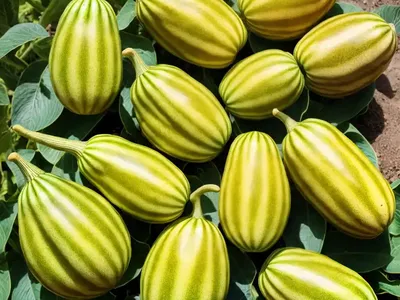
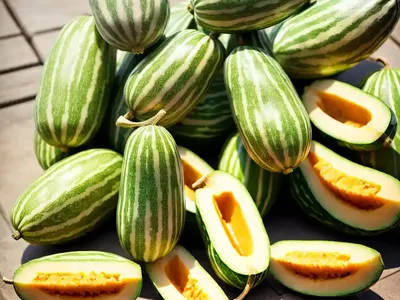
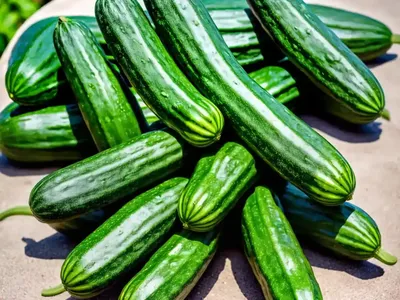
Cucumber (Cucumis Sativus)
Cucumbers (Cucumis sativus) are one of the most popular and versatile vegetable crops grown worldwide. They are known for their refreshing taste and high.
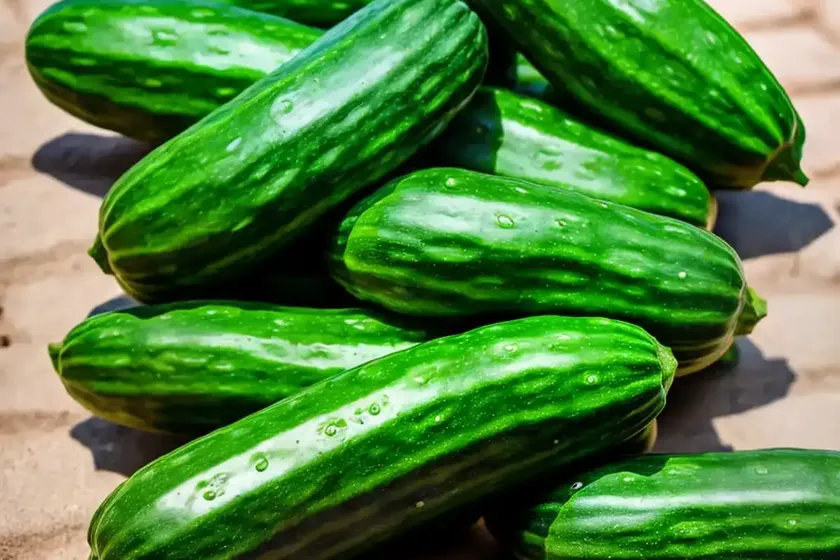
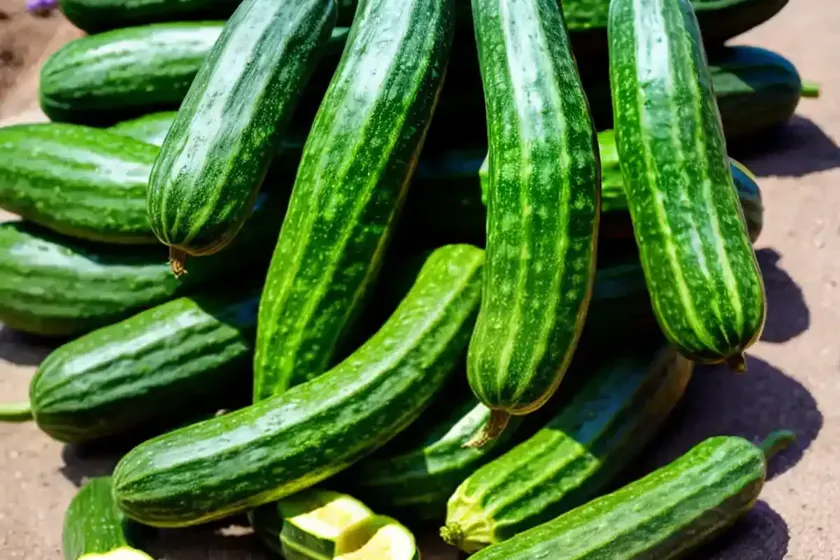
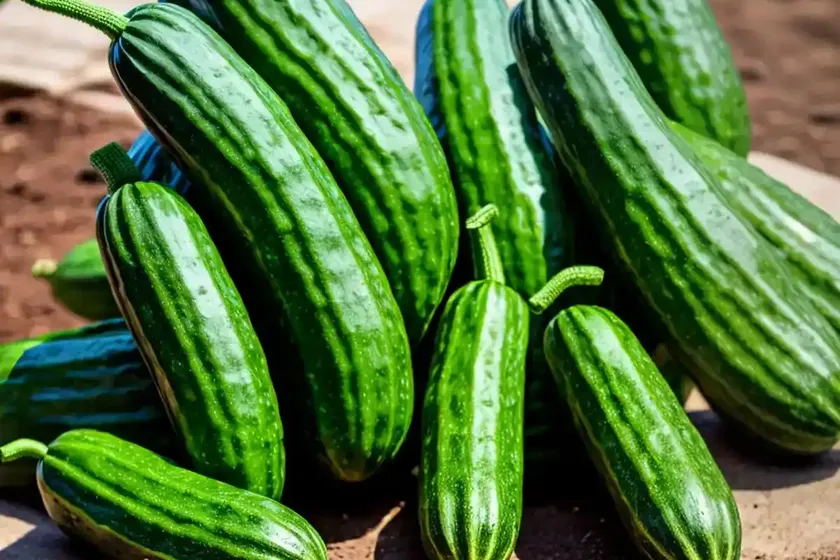
Cucumbers (Cucumis sativus) are one of the most popular and versatile vegetable crops grown worldwide. They are known for their refreshing taste and high water content, making them a favorite in salads, sandwiches, and even skincare routines. In this comprehensive plant guide, we will explore everything you need to know about growing, caring for, and utilizing cucumbers, including their cultivation, uses, common diseases, and more.
What is Cucumber (Cucumis sativus)?
Cucumber, scientifically known as Cucumis sativus, is a widely cultivated plant species in the gourd family, Cucurbitaceae. It is a creeping vine that produces cylindrical fruits that are typically harvested for culinary use. Cucumbers are believed to have originated in the Indian subcontinent and have been cultivated for thousands of years, with various cultivars and varieties developed to suit different growing conditions and culinary preferences.
Key Takeaways – Cucumber (Cucumis sativus)
Before delving into the specifics of cucumber cultivation and utilization, let’s highlight the key takeaways about this versatile plant species:
- Scientific Name: Cucumis sativus
- Nutrition and Health Benefits: Cucumbers are a good source of hydration due to their high water content. They also contain vitamins, minerals, and antioxidants, contributing to overall health and well-being.
- Cultivation and Varieties: Cucumbers are extensively cultivated, with a wide range of varieties available, including slicing, pickling, and snacking types.
- Growing Conditions: Cucumbers thrive in warm, sunny locations with well-draining soil and regular watering.
- Common Pests and Diseases: Cucumbers are susceptible to various pests and diseases, requiring careful monitoring and management to ensure healthy growth.
- Culinary and Herbal Uses: Cucumbers have diverse culinary applications, from salads and pickles to skincare and natural remedies.
Now that we have outlined the key points, let’s explore each aspect of cucumber cultivation and utilization in greater detail.
Culture
Growing Cucumbers
Cucumbers are generally grown as annual plants, and they require a warm and frost-free growing season to thrive. When cultivating cucumbers, it is important to consider the following factors:
- Planting Time: In temperate climates, cucumbers are typically planted in late spring after the last frost date. In warmer regions, they can be planted earlier in the spring or even in late winter.
- Soil Preparation: Cucumbers prefer well-draining soil with a slightly acidic to neutral pH (6.0-7.0). Adding organic matter such as compost can improve soil structure and fertility.
- Plant Spacing: When planting cucumbers, allow adequate space between each plant to promote air circulation, which can help prevent diseases.
- Support Structures: Some cucumber varieties, especially vining types, benefit from trellising or other support structures to keep the fruits off the ground and facilitate harvesting.
Water
Sufficient water is essential for the healthy growth and development of cucumbers. Adequate moisture is particularly important during the flowering and fruiting stages to prevent bitterness and ensure proper fruit formation. However, overwatering should be avoided to prevent waterlogged soil and related issues.
Sunlight
Cucumbers thrive in full sunlight, requiring at least 6-8 hours of direct sun exposure daily. Planting them in a location with ample sunlight is crucial for maximizing their growth and yield potential.
Fertilizer
Applying a balanced fertilizer or incorporating organic matter into the soil before planting can provide the necessary nutrients for cucumber plants. Additionally, side-dressing with compost or a balanced fertilizer during the growing season can support healthy growth and fruit production.
Soil
As mentioned earlier, well-draining soil with good fertility and structure is essential for growing cucumbers. While they can adapt to various soil types, ensuring proper drainage and adequate nutrient availability is paramount for successful cultivation.
Pruning
While cucumbers do not require extensive pruning, removing excess foliage or side shoots can promote better air circulation and reduce the risk of diseases. Additionally, pruning can help redirect the plant’s energy towards fruit production.
Uses
Culinary Uses
Cucumbers are incredibly versatile in the kitchen, offering a refreshing and crisp texture to a wide range of dishes. Some common culinary uses of cucumbers include:
- Salads: Sliced or diced cucumbers are popular additions to salads, providing a hydrating and crunchy element to the dish.
- Pickling: Cucumbers, especially pickling varieties, are commonly preserved through pickling, resulting in flavorful and crunchy pickles.
- Snacking: Smaller cucumber varieties, such as mini or Persian cucumbers, are ideal for snacking due to their manageable size and sweet flavor.
- Smoothies and Juices: Cucumbers can be blended into smoothies or juices to add a refreshing and hydrating element to the beverages.
Herbal and Skincare Uses
In addition to their culinary applications, cucumbers are known for their skincare benefits. Cucumber slices are often used in facial treatments and eye masks due to their hydrating and soothing properties. Furthermore, cucumber extract is a common ingredient in skincare products due to its refreshing and calming effects on the skin.
Propagation
Cucumbers can be propagated through seeds, making them relatively easy to grow from scratch. When saving cucumber seeds for propagation, it is important to select seeds from healthy and robust fruits to ensure strong and productive plants in subsequent generations.
Container Popularity
Cucumbers are well-suited for container gardening, allowing individuals with limited outdoor space to enjoy growing their own fresh produce. Container-grown cucumbers can thrive on balconies, patios, or even indoor spaces with adequate sunlight and care.
Container Gardening
When growing cucumbers in containers, choosing a large enough pot, providing adequate support, and ensuring proper watering and fertilization are essential for success. Selecting compact or dwarf varieties is particularly advantageous for container gardening, as they can adapt to the limited space available.
Common Diseases
Disease Diagnosis
Cucumbers are susceptible to various diseases, including fungal, bacterial, and viral infections. Common cucumber diseases include:
- Downy Mildew: A fungal disease that causes yellowing and browning of leaves, often leading to reduced plant vigor and fruit production.
- Powdery Mildew: Another fungal infection characterized by powdery white patches on the leaves, which can hinder photosynthesis and weaken the plants.
- Bacterial Wilt: This disease causes wilting and yellowing of the leaves, ultimately leading to plant death in severe cases.
- Cucumber Mosaic Virus: A viral disease that causes mosaic patterns on the leaves and stunted growth, often leading to reduced fruit quality.
Disease Management
Preventive measures such as crop rotation, proper spacing, and sanitation can help reduce the risk of diseases. Additionally, utilizing disease-resistant varieties and applying organic or chemical treatments when necessary can help manage common cucumber diseases.
Common Pests
Pest Identification
Cucumber plants can be targeted by various pests, posing challenges to their healthy growth and productivity. Common cucumber pests include:
- Cucumber Beetles: These beetles feed on cucumber foliage and transmit bacterial wilt, causing damage to the plants.
- Aphids: Aphids can infest cucumber plants, causing leaf distortion and reducing plant vigor.
- Spider Mites: These tiny arachnids can cause stippling and webbing on cucumber leaves, leading to decreased photosynthetic capacity.
Pest Control
Implementing integrated pest management strategies, including the use of beneficial insects, traps, and organic pesticides, can effectively manage pest infestations while minimizing environmental impacts.
Botanist’s Tips
For aspiring and experienced cucumber growers alike, here are some valuable tips to ensure successful cultivation and utilization of cucumbers:
- Selecting Varieties: Choose cucumber varieties that are well-suited to your climate and intended use, whether for slicing, pickling, or snacking.
- Pollination: Cucumbers require pollination for fruit production. Encouraging pollinator activity or hand-pollinating can enhance fruit set.
- Disease Monitoring: Regularly inspect cucumber plants for signs of diseases and pests, allowing for prompt intervention when necessary.
- Harvesting Practices: Harvest cucumbers at the appropriate size and color for the best flavor and texture.
- Utilizing Overripe Cucumbers: Overripe cucumbers can still be used in various ways, such as making cucumber juice or incorporating them into skincare recipes.
Fun Facts
To further appreciate the cultural and historical significance of cucumbers, here are some intriguing and fun facts about this beloved vegetable:
- Cucumbers have been cultivated for over 3,000 years, with evidence of their existence in ancient civilizations such as Egypt and Rome.
- The phrase “cool as a cucumber” is derived from the cucumber’s naturally low internal temperature, making it a fitting descriptor for composure and calmness.
- Cucumbers belong to the same plant family as melons, pumpkins, and squash, collectively known as the Cucurbitaceae family.
- The world’s longest cucumber was recorded at over 3 feet in length, showcasing the remarkable growth potential of this vegetable.
Links to External Resources
To further enhance your knowledge of cucumbers and their diverse applications, consider exploring the following external resources:
- Cucumbers: Planting, Growing, and Harvesting Cucumbers
- Cucumber Pests and Problems
- Cucumber Recipes for Culinary Inspiration
- Skincare Benefits of Cucumbers
Conclusion
In conclusion, Cucumber (Cucumis sativus) is a versatile and rewarding plant species with a rich history of culinary, medicinal, and skincare applications. By understanding the nuances of cucumber cultivation, utilization, and disease management, individuals can enjoy the satisfaction of growing their own fresh cucumbers while harnessing their nutritional and therapeutic benefits. Whether you are a seasoned gardener or a novice enthusiast, integrating cucumbers into your gardening endeavors can add a refreshing and rewarding dimension to your plant-growing journey.
The comprehensive guide provides in-depth insights into the cultivation, uses, and challenges associated with growing cucumbers (Cucumis sativus). From practical tips to fun facts, readers can enhance their understanding of this beloved vegetable. Additionally, the inclusion of external resources allows for further exploration of cucumber-related topics, catering to diverse interests and learning objectives.